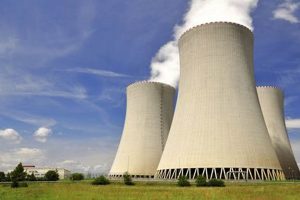
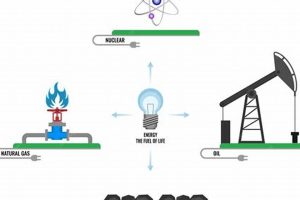
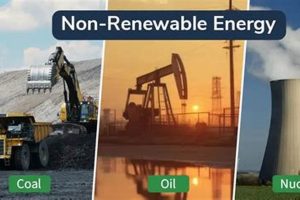
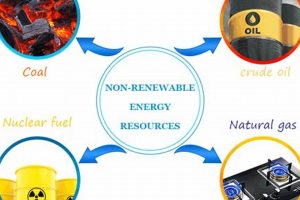
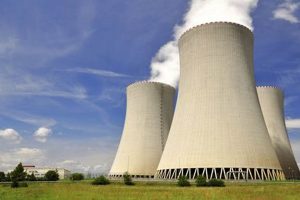
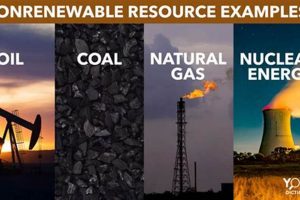
Nuclear power relies on the element uranium, a finite resource extracted from the Earth. This radioactive metal undergoes fission, a process where its atoms are split, releasing substantial energy to heat water and generate steam. This steam drives turbines connected to generators, producing electricity. Because uranium is not naturally replenished at a pace that matches human consumption, this power source is categorized as non-renewable.
The capacity of nuclear fission to generate large quantities of electricity without greenhouse gas emissions is a significant advantage in addressing climate change concerns. Historically, nuclear energy emerged as a significant power source during the mid-20th century, offering an alternative to fossil fuels. Its role in diversifying energy portfolios and reducing reliance on carbon-intensive sources continues to be debated and evaluated globally.
The following sections delve deeper into the specifics of uranium mining and processing, the nuclear fuel cycle, the environmental impacts of nuclear power generation, and the future prospects of this energy source within a global energy transition context.
Tips for Understanding Nuclear Energy
Gaining a comprehensive understanding of nuclear energy requires considering various aspects, from its fuel source to its environmental impact. The following tips offer guidance for navigating this complex topic.
Tip 1: Research Uranium Mining Practices: Investigate the environmental and social consequences associated with uranium extraction and processing. This includes understanding land use, waste management, and worker safety protocols.
Tip 2: Explore the Nuclear Fuel Cycle: Familiarize yourself with the complete nuclear fuel cycle, from uranium mining to spent fuel disposal. This includes enrichment, reactor operation, and waste storage considerations.
Tip 3: Compare Nuclear Energy to Other Energy Sources: Objectively assess the advantages and disadvantages of nuclear power compared to fossil fuels, renewables, and other non-renewable sources. Consider factors such as energy efficiency, emissions, and land use.
Tip 4: Understand Reactor Technology: Research different reactor designs and their respective safety features. Explore the latest advancements in reactor technology and their potential implications for the future of nuclear energy.
Tip 5: Consider Waste Disposal Options: Investigate current and future strategies for managing radioactive waste, including long-term storage solutions and potential reprocessing technologies.
Tip 6: Stay Informed about Safety Regulations: Keep abreast of international and national regulations governing nuclear power plant safety, operation, and decommissioning.
Tip 7: Engage with Diverse Perspectives: Explore various viewpoints on nuclear energy, including those of scientists, policymakers, environmental groups, and local communities.
By considering these tips, one can develop a more informed and nuanced perspective on the role of nuclear energy within the broader energy landscape.
The concluding section synthesizes the information presented and offers final reflections on the future of nuclear power.
1. Uranium Fuel

Uranium fuel is the cornerstone of nuclear power generation, and its non-renewable nature significantly shapes the discussion surrounding this energy source. Understanding the complexities of uranium fuel is crucial for evaluating the long-term sustainability and environmental impact of nuclear energy.
- Uranium Ore Processing:
Uranium ore, extracted from the earth, undergoes a series of processes to become usable fuel. This includes milling, where the ore is crushed and ground, and chemical processing to extract uranium oxide concentrate, often referred to as “yellowcake.” This concentrated form is then further processed and enriched to increase the proportion of the fissile isotope U-235, making it suitable for use in nuclear reactors. The energy-intensive nature of these processes contributes to the overall environmental footprint of nuclear energy.
- Fuel Fabrication:
Enriched uranium is converted into fuel pellets, typically ceramic uranium dioxide, which are then stacked into fuel rods. These rods are assembled into fuel assemblies, the configuration of which varies depending on the reactor design. Precision engineering and stringent quality control are critical during fuel fabrication to ensure safe and efficient reactor operation.
- Nuclear Fission and Energy Release:
Within a nuclear reactor, the uranium fuel undergoes controlled nuclear fission. Neutrons bombard uranium atoms, causing them to split and release significant amounts of energy as heat. This heat is used to generate steam, which drives turbines connected to generators, ultimately producing electricity. The controlled nature of this process is paramount for safe energy generation.
- Spent Fuel and Waste Management:
After uranium fuel is used in a reactor, it becomes spent fuel, containing highly radioactive byproducts. Managing this spent fuel is a significant challenge. Current strategies include temporary storage in cooling pools and dry cask storage. Long-term solutions, such as deep geological repositories, are under development and remain a subject of ongoing research and debate. The handling and disposal of spent fuel contribute significantly to the long-term environmental considerations of nuclear energy.
The finite nature of uranium resources, combined with the complexities of fuel processing, utilization, and waste management, underscores the importance of considering nuclear energy within a broader context of sustainable energy development. Future energy strategies must account for the entire lifecycle of uranium fuel, from extraction to disposal, to accurately assess the true costs and benefits of this non-renewable energy source.
2. Finite Resource

The finite nature of uranium directly dictates its classification as a non-renewable energy source. Uranium exists in the Earth’s crust in limited quantities. While geological processes created these deposits over millions of years, their replenishment rate is negligible compared to the rate of human consumption. This fundamental characteristic distinguishes uranium from renewable resources like solar or wind energy, which are replenished continuously. Consequently, reliance on uranium for power generation necessitates careful consideration of resource availability, extraction practices, and long-term energy planning.
The concept of a finite resource underscores the need for responsible uranium management. Known uranium reserves are unevenly distributed geographically, and their extraction involves environmental and economic costs. Depletion of high-grade uranium ores compels exploration and exploitation of lower-grade deposits, increasing the energy and resource requirements of the extraction process. Furthermore, geopolitical factors influence access to uranium reserves, adding complexity to resource management and energy security considerations. For instance, several countries rely on uranium imports for their nuclear power programs, highlighting the potential vulnerabilities associated with resource dependence.
Recognizing uranium as a finite resource has practical implications for future energy strategies. Sustainable energy planning requires a comprehensive assessment of available uranium reserves, projected energy demands, and the development of alternative energy sources. Furthermore, research into advanced reactor technologies, such as breeder reactors that can convert non-fissile uranium isotopes into fissile material, aims to extend the utilization of existing uranium resources. Ultimately, the finite nature of uranium necessitates a transition towards a diversified energy portfolio that minimizes reliance on non-renewable resources and embraces sustainable alternatives. This transition represents a critical challenge and opportunity for future energy security and environmental sustainability.
3. Nuclear Fission

Nuclear fission is the fundamental process underpinning uranium’s role as a non-renewable energy source. This process involves the splitting of a heavy atomic nucleus, such as that of uranium-235, into two smaller nuclei, along with the release of a substantial amount of energy. This energy release stems from the conversion of a small fraction of the original mass into energy, as dictated by Einstein’s famous equation, E=mc. In nuclear power plants, this released energy heats water, generating steam that drives turbines and produces electricity.
The importance of nuclear fission as a component of uranium-based energy lies in its energy density. A relatively small amount of uranium fuel can produce a significant amount of energy. For instance, one kilogram of uranium-235 undergoing complete fission releases energy equivalent to the burning of approximately 1.5 million kilograms of coal. This high energy density makes uranium an attractive fuel source for large-scale electricity generation. However, the process generates radioactive byproducts, necessitating robust waste management strategies and raising safety concerns. The production of these byproducts and the finite nature of uranium itself combine to solidify its classification as a non-renewable resource.
A practical significance of understanding nuclear fission in this context lies in appreciating the dual nature of nuclear energy: its potential as a powerful, low-carbon energy source and the inherent challenges associated with its use. The careful balance between harnessing the energy produced through fission while mitigating the risks of radioactive waste requires ongoing scientific advancements, stringent regulatory oversight, and informed public discourse. Future developments in reactor design and waste management technologies will play a crucial role in determining the long-term viability and sustainability of nuclear fission as a component of the global energy mix. The reliance on a finite resource like uranium underscores the need for responsible resource management and the parallel development of sustainable, renewable energy alternatives.
4. Energy Generation

Energy generation from uranium relies intrinsically on the process of nuclear fission, transforming a finite resource into a substantial power source. The heat generated from controlled fission reactions within a nuclear reactor is harnessed to produce steam. This steam, under high pressure, drives turbines connected to electricity generators, converting thermal energy into electrical energy. The efficiency of this conversion process, coupled with the high energy density of uranium, allows nuclear power plants to generate large amounts of electricity with a comparatively small fuel input. For instance, a single uranium fuel pellet, roughly the size of a pencil eraser, can generate the same amount of energy as one ton of coal, three barrels of oil, or 17,000 cubic feet of natural gas. This efficiency underscores the role of uranium as a potent energy source in the global energy landscape.
Nuclear power plants provide a continuous, reliable baseload power supply independent of weather conditions, unlike intermittent renewable sources such as solar and wind. This reliability positions nuclear energy as a critical component in many countries’ energy portfolios, contributing to grid stability and energy security. Examples include France, where nuclear power accounts for over 70% of electricity generation, and the United States, where nuclear power contributes nearly 20%. The capacity of nuclear power plants to operate continuously for extended periods, typically 18 to 24 months before requiring refueling, reinforces their role in meeting consistent energy demands. However, the reliance on a finite resource like uranium necessitates ongoing assessment and diversification of energy strategies for long-term sustainability.
Understanding the connection between energy generation and the non-renewable nature of uranium is crucial for informed decision-making in the energy sector. While uranium provides a potent, currently viable energy source, its finite nature compels consideration of long-term resource management, waste disposal, and the development of alternative energy strategies. The ongoing challenge lies in balancing the benefits of uranium-based energy generation with the imperative to transition towards a sustainable energy future that minimizes reliance on finite resources and mitigates environmental impacts.
5. Environmental Impact
The environmental impact of uranium non-renewable energy presents a complex and multifaceted challenge, encompassing the entire lifecycle of uranium, from mining and milling to power generation and waste disposal. Uranium mining, like any extractive industry, can disrupt ecosystems, alter landscapes, and generate considerable waste rock and tailings containing radioactive materials. These tailings pose a long-term environmental risk, requiring careful management and monitoring to prevent contamination of surrounding soil and water resources. For example, the legacy of uranium mining in regions like the Navajo Nation in the United States continues to pose health and environmental challenges decades after mining operations ceased. This example illustrates the enduring legacy associated with uranium extraction and the importance of responsible mining practices.
Nuclear power generation, while producing minimal greenhouse gas emissions during operation, necessitates addressing the issue of radioactive waste. Spent nuclear fuel, containing highly radioactive byproducts, requires safe and secure storage for thousands of years. The long-term disposal of this waste remains a significant technical and societal challenge, with ongoing research focusing on deep geological repositories as a potential solution. The transportation of spent fuel also presents risks, requiring stringent safety protocols and robust security measures. Furthermore, the potential for accidents at nuclear power plants, while statistically low, carries significant environmental and public health consequences, as exemplified by the Chernobyl and Fukushima disasters. These incidents underscore the critical importance of robust safety regulations and emergency preparedness plans for nuclear facilities.
Understanding the full spectrum of environmental impacts associated with uranium non-renewable energy is crucial for informed decision-making and responsible energy policy. Minimizing environmental damage requires continuous improvements in mining practices, waste management strategies, and reactor safety protocols. Furthermore, a lifecycle assessment approach, considering all stages from uranium extraction to waste disposal, is essential for evaluating the true environmental costs and benefits of nuclear power. This understanding is crucial not only for mitigating potential harm but also for fostering public trust and facilitating informed discussions about the role of nuclear energy in a sustainable energy future. Ultimately, balancing the energy demands of a growing global population with the imperative to protect the environment necessitates a diversified energy strategy that includes responsible management of non-renewable resources like uranium and a transition towards sustainable, renewable alternatives.
Frequently Asked Questions about Uranium as a Non-Renewable Energy Source
This section addresses common questions and concerns regarding the use of uranium as a non-renewable energy source.
Question 1: How long will known uranium reserves last?
Estimates vary depending on consumption rates and exploration efforts, but current known reserves are projected to last for several decades to potentially over a century. Continued exploration and development of advanced reactor technologies may extend this timeframe.
Question 2: What are the primary environmental risks associated with uranium mining?
Uranium mining can lead to land disturbance, habitat destruction, and contamination of water resources with radioactive materials and heavy metals. Proper waste management and reclamation efforts are essential to mitigate these risks.
Question 3: How is spent nuclear fuel managed?
Spent fuel is initially stored in cooling pools at reactor sites, followed by dry cask storage. Long-term disposal solutions, such as deep geological repositories, are under development but not yet fully implemented in most countries.
Question 4: Is nuclear power a significant contributor to greenhouse gas emissions?
Nuclear power plants themselves emit minimal greenhouse gases during operation. However, the entire lifecycle of nuclear fuel, including mining, processing, and waste management, contributes some greenhouse gas emissions, though significantly less than fossil fuel-based energy generation.
Question 5: What are the safety measures in place to prevent nuclear accidents?
Nuclear power plants incorporate multiple layers of safety systems, including redundant control systems, containment structures, and emergency response procedures designed to prevent and mitigate accidents. Regulatory bodies enforce stringent safety standards and conduct regular inspections.
Question 6: How does the cost of nuclear power compare to other energy sources?
The upfront capital costs of building nuclear power plants are high. However, the operating costs, particularly fuel costs, are relatively low. The overall cost-competitiveness of nuclear power depends on various factors, including construction timelines, regulatory frameworks, and financing costs.
Understanding the complexities surrounding uranium’s use as a non-renewable energy source is crucial for informed decision-making. Addressing these frequently asked questions provides a starting point for further exploration and discussion about the role of nuclear power in the broader energy landscape.
The next section delves into the future prospects of uranium non-renewable energy within the context of global energy transitions and sustainability goals.
Conclusion
This exploration of uranium as a non-renewable energy source has traversed the multifaceted aspects of its utilization, from the geological origins of uranium ore to the intricate processes of nuclear fission and energy generation. The finite nature of uranium reserves, coupled with the environmental impact of its lifecycleincluding mining, processing, power generation, and waste disposalnecessitates a comprehensive understanding of its benefits and drawbacks. The capacity of nuclear power to provide a substantial, low-carbon energy source stands in contrast to the long-term challenges of managing radioactive waste and ensuring reactor safety. This dichotomy underscores the complex considerations inherent in evaluating the role of uranium within the broader energy landscape.
The future of uranium non-renewable energy hinges upon continuous advancements in reactor technology, waste management strategies, and responsible resource utilization. Balancing the immediate need for reliable energy sources with the long-term imperative for environmental sustainability requires a diversified energy portfolio and a commitment to ongoing research and innovation. A nuanced understanding of uranium’s role as a non-renewable resource informs critical decisions regarding energy policy, resource allocation, and the pursuit of a sustainable energy future. Continued dialogue among scientists, policymakers, and the public remains essential for navigating the complex interplay of energy security, environmental stewardship, and technological advancement. The responsible use of uranium, coupled with the development of sustainable alternatives, remains crucial for meeting global energy demands while safeguarding the planet for future generations.