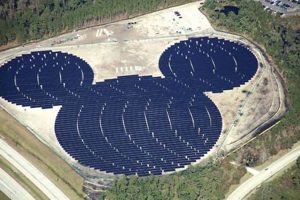
Powering operations with resources like solar, wind, geothermal, and hydropower is a growing trend among businesses. For example, a manufacturing facility might install rooftop solar panels to offset its electricity consumption or a retail chain could purchase wind energy credits to power its stores. This shift toward sustainable practices reflects a broader movement toward decarbonization and environmental responsibility.
This approach offers numerous advantages, including reduced operating costs through lower energy bills, enhanced brand reputation by demonstrating a commitment to sustainability, and increased resilience against volatile fossil fuel prices. Historically, high upfront costs posed a barrier to adoption. However, declining technology costs, supportive government policies, and growing consumer demand have made these energy sources increasingly accessible and economically viable.
The following sections will delve deeper into specific applications, financing mechanisms, and the broader impact of this transition on businesses and the environment.
Tips for Implementing Sustainable Power Solutions
Organizations seeking to integrate sustainable power solutions should consider the following practical steps:
Tip 1: Conduct a Thorough Energy Audit: A comprehensive assessment of current energy consumption is crucial. This analysis identifies areas for improvement and helps determine the most suitable renewable energy options.
Tip 2: Explore On-Site Generation: Evaluate the feasibility of on-site generation through technologies like solar photovoltaic (PV) systems or wind turbines. Rooftop space, land availability, and local climate conditions are key factors to consider.
Tip 3: Consider Off-Site Power Purchase Agreements (PPAs): PPAs enable organizations to purchase clean electricity generated at off-site renewable energy facilities, providing a cost-effective way to source renewable energy without significant upfront investment.
Tip 4: Investigate Renewable Energy Certificates (RECs): RECs represent the environmental attributes of one megawatt-hour (MWh) of renewable electricity generation. Purchasing RECs can help organizations offset their carbon footprint and demonstrate their commitment to sustainability.
Tip 5: Evaluate Government Incentives and Tax Credits: Numerous financial incentives, such as tax credits, rebates, and grants, are available to support the adoption of sustainable energy technologies. Thorough research can help maximize financial benefits.
Tip 6: Engage with Experienced Consultants: Specialized consultants can provide expert guidance on project feasibility, technology selection, financing options, and regulatory compliance.
Tip 7: Set Realistic Goals and Timelines: Implementing sustainable energy solutions requires careful planning and execution. Establishing realistic goals and timelines ensures a successful transition.
By implementing these strategies, organizations can reduce their environmental impact, improve their bottom line, and enhance their reputation as responsible corporate citizens.
The transition to sustainable power solutions presents both challenges and opportunities. The concluding section will explore the future landscape and potential for further innovation in this rapidly evolving field.
1. Sustainability Goals

Sustainability goals represent a crucial driver for the adoption of renewable energy sources within corporations. These goals reflect a commitment to minimizing environmental impact and contributing to a more sustainable future. They serve as a framework for integrating environmentally responsible practices into core business operations, including energy procurement and consumption.
- Emissions Reduction Targets
Many organizations establish specific targets for reducing greenhouse gas emissions. Transitioning to renewable energy sources, such as solar or wind power, directly reduces reliance on fossil fuels, thus lowering a company’s carbon footprint. For example, a company might commit to achieving net-zero emissions by a certain date, driving investments in renewable energy infrastructure and energy efficiency measures.
- Renewable Energy Portfolio Standards
Some companies set internal targets for the percentage of their total energy consumption derived from renewable sources. These self-imposed standards often exceed regulatory requirements, demonstrating a proactive approach to sustainability. A retailer, for instance, might aim to power all its stores with 100% renewable energy within a specific timeframe, influencing decisions regarding energy procurement contracts and on-site generation projects.
- Supply Chain Sustainability
Corporate sustainability goals increasingly extend beyond direct operations to encompass the entire supply chain. Organizations may require suppliers to demonstrate their commitment to environmental responsibility, including the use of renewable energy. This encourages wider adoption of sustainable practices across industries. A food processing company, for example, might prioritize sourcing ingredients from farms utilizing renewable energy for their operations.
- Environmental, Social, and Governance (ESG) Reporting
ESG reporting provides a framework for organizations to disclose their environmental, social, and governance performance. Sustainability goals, including those related to renewable energy, form a core component of ESG reporting. This transparency allows investors and stakeholders to assess a company’s commitment to sustainability and its progress toward achieving its goals. Publicly traded companies, for example, often publish annual sustainability reports outlining their renewable energy initiatives and associated environmental impact reductions.
These facets of sustainability goals collectively demonstrate the integral role of renewable energy in achieving broader corporate environmental objectives. By aligning business practices with these goals, companies can contribute to a more sustainable future while simultaneously enhancing their operational efficiency, brand reputation, and long-term value.
2. Cost Reduction

Cost reduction represents a significant driver for corporate adoption of renewable energy. Declining technology costs, coupled with predictable long-term pricing structures, enable organizations to reduce operational expenses associated with energy consumption. This cost advantage is amplified by various financial incentives, further enhancing the economic viability of renewable energy investments. For instance, a manufacturing facility transitioning to on-site solar power can significantly reduce its electricity bills, achieving predictable energy costs over the system’s lifespan. Furthermore, government incentives like tax credits and rebates can offset initial investment costs, accelerating the return on investment.
Several factors contribute to the cost-saving potential of renewable energy. First, the marginal cost of generating renewable electricity is often lower than that of fossil fuels, particularly as technology continues to advance. Second, long-term power purchase agreements (PPAs) provide price stability, shielding businesses from volatile fossil fuel markets. Third, renewable energy investments often qualify for various financial incentives, such as investment tax credits, production tax credits, and accelerated depreciation, further reducing the overall cost of implementation. A data center, for example, can utilize a PPA to secure a fixed price for wind energy, insulating its operations from future electricity price fluctuations.
In summary, the cost advantages associated with renewable energy are multifaceted, encompassing declining technology costs, predictable pricing structures, and various financial incentives. These factors collectively enhance the economic viability of renewable energy investments, enabling organizations to reduce operational expenses and improve their bottom line. While upfront costs can still be substantial, the long-term cost savings and price stability offered by renewable energy contribute significantly to its growing adoption within the corporate sector. This shift toward sustainable energy procurement not only benefits individual businesses but also contributes to a more resilient and environmentally responsible energy landscape.
3. Brand Enhancement
In today’s business landscape, demonstrating a commitment to sustainability is no longer optionalit’s a strategic imperative. Brand enhancement through the adoption of corporate renewable energy has become a powerful tool for organizations seeking to differentiate themselves, attract environmentally conscious consumers, and strengthen their market position. This connection between sustainability and brand image hinges on aligning corporate values with the growing public demand for responsible environmental stewardship.
- Improved Public Perception
Consumers are increasingly aware of the environmental impact of their purchasing decisions. Companies that actively embrace renewable energy demonstrate a commitment to sustainability, cultivating a positive public image and building trust with their target audience. A clothing retailer that powers its stores with solar energy, for example, can attract environmentally conscious shoppers, strengthening brand loyalty and driving sales. This positive perception extends beyond consumers to investors and other stakeholders, who increasingly prioritize companies with strong ESG (Environmental, Social, and Governance) performance.
- Attracting and Retaining Talent
A commitment to sustainability is also a key factor for attracting and retaining top talent. Prospective employees, particularly younger generations, are drawn to organizations that prioritize environmental responsibility. A technology company that invests in renewable energy can position itself as an attractive employer, competing effectively for skilled professionals who seek to align their careers with their values. This commitment to sustainability enhances employee morale and fosters a positive workplace culture.
- Competitive Differentiation
In crowded marketplaces, embracing renewable energy can provide a distinct competitive advantage. By showcasing their commitment to sustainability, organizations can differentiate themselves from competitors who lag in environmental responsibility. A beverage company that utilizes wind energy for its production facilities can highlight its sustainable practices in marketing campaigns, attracting consumers seeking environmentally friendly products. This differentiation strengthens brand identity and enhances market share.
- Access to Green Financing
The increasing focus on sustainable investing has created new opportunities for organizations that demonstrate strong environmental performance. Companies with robust renewable energy initiatives can access green financing options, such as sustainability-linked loans and green bonds, often at more favorable terms. A real estate developer that constructs LEED-certified buildings powered by renewable energy can attract investors seeking environmentally responsible projects, securing funding for future developments and demonstrating financial leadership in the sustainability space.
These facets of brand enhancement demonstrate the tangible benefits of integrating renewable energy into corporate operations. By aligning sustainability initiatives with brand values, organizations can strengthen their market position, attract talent, and build a positive reputation that resonates with consumers, investors, and other stakeholders. This commitment to renewable energy not only contributes to a healthier planet but also enhances long-term business value and resilience in an increasingly competitive and environmentally conscious world.
4. Regulatory Compliance

Regulatory compliance plays a crucial role in shaping corporate renewable energy adoption. Governments worldwide are implementing policies and regulations designed to promote renewable energy use, reduce greenhouse gas emissions, and transition towards more sustainable energy systems. These regulations create both obligations and opportunities for businesses, influencing investment decisions, operational practices, and long-term sustainability strategies.
- Renewable Portfolio Standards (RPS)
RPS regulations mandate that a certain percentage of electricity sold by utilities must come from renewable sources. These mandates create demand for renewable energy, driving investment in renewable energy projects and providing opportunities for corporations to participate in the market for Renewable Energy Certificates (RECs). For example, a state with an RPS requiring 50% renewable energy by 2030 creates a market for renewable energy generators and incentivizes utilities to purchase RECs from companies investing in renewable energy projects.
- Carbon Pricing Mechanisms
Carbon pricing mechanisms, such as carbon taxes or cap-and-trade systems, put a price on greenhouse gas emissions. These policies incentivize businesses to reduce their carbon footprint by transitioning to cleaner energy sources. A company operating in a jurisdiction with a carbon tax, for example, may find it financially advantageous to invest in on-site solar power to reduce its taxable emissions. This drives the adoption of renewable energy as a cost-effective means of compliance.
- Energy Efficiency Standards
Energy efficiency standards establish minimum performance requirements for buildings, appliances, and other energy-consuming equipment. These standards indirectly support renewable energy adoption by reducing overall energy demand, making it easier to meet energy needs with renewable sources. A company constructing a new office building, for example, may be required to meet stringent energy efficiency standards, which in turn reduces the size and cost of the renewable energy system needed to power the building.
- Disclosure Requirements
Increasingly, regulations require companies to disclose their greenhouse gas emissions and other environmental impacts. These disclosure requirements create transparency and accountability, encouraging businesses to adopt sustainable practices, including the use of renewable energy, to improve their environmental performance. A publicly traded company, for example, may be required to disclose its Scope 1, 2, and 3 emissions, motivating investments in renewable energy to reduce emissions and improve its sustainability reporting metrics.
These regulatory facets collectively create a framework that encourages and mandates corporate adoption of renewable energy. By understanding and proactively addressing these regulatory requirements, organizations can mitigate risks, capitalize on opportunities, and contribute to a more sustainable energy future. Furthermore, regulatory compliance serves as a catalyst for innovation, driving the development and deployment of new renewable energy technologies and business models. This interplay between regulation and innovation is essential for accelerating the global transition to a cleaner and more resilient energy system.
5. Energy Independence

Energy independence, within the context of corporate renewable energy, signifies an organization’s ability to generate its own power or procure it from renewable sources, reducing reliance on traditional utility grids and volatile fossil fuel markets. This strategic shift offers numerous benefits, including enhanced operational resilience, greater control over energy costs, and a strengthened commitment to environmental sustainability. Exploring the facets of energy independence reveals its growing importance in the corporate landscape.
- On-Site Generation
On-site generation, through technologies like solar photovoltaic (PV) systems and wind turbines, empowers organizations to produce their own electricity directly. This reduces reliance on external energy providers and insulates operations from grid disruptions. A manufacturing facility installing rooftop solar panels, for example, gains greater control over its energy supply, reducing vulnerability to power outages and price fluctuations. This localized generation also minimizes transmission losses associated with traditional grid infrastructure.
- Microgrids
Microgrids, localized grids that can operate independently or connect to the main grid, offer enhanced resilience and energy security. By incorporating renewable energy sources, microgrids enable organizations to maintain critical operations during grid outages. A hospital implementing a microgrid with solar and battery storage, for example, can ensure continuous power supply during emergencies, safeguarding patient care and critical infrastructure. This decentralized approach enhances energy independence and reliability.
- Power Purchase Agreements (PPAs)
PPAs enable organizations to procure renewable energy from off-site projects, securing long-term price stability and reducing exposure to volatile fossil fuel markets. This contractual arrangement provides access to renewable energy without requiring significant upfront capital investment. A data center entering into a PPA with a wind farm, for example, can lock in a fixed price for electricity over an extended period, enhancing budget predictability and supporting its sustainability goals. This strategic procurement approach reinforces energy independence.
- Energy Storage Solutions
Energy storage technologies, such as batteries and pumped hydro, play a crucial role in maximizing the effectiveness of renewable energy sources. By storing excess generated energy, these solutions enable organizations to utilize renewable power even when the sun isn’t shining or the wind isn’t blowing. A commercial building incorporating battery storage with its solar PV system, for example, can utilize stored energy during peak demand periods, reducing reliance on the grid and maximizing the value of its renewable energy investment. This integration of storage enhances energy independence and optimizes energy consumption.
These facets of energy independence demonstrate the interconnectedness of renewable energy, technological advancements, and strategic planning. By embracing these strategies, corporations not only enhance their operational resilience and reduce their environmental impact but also gain greater control over their energy future. This shift towards greater energy autonomy strengthens corporate sustainability efforts, reduces long-term operational costs, and positions organizations as leaders in the transition to a cleaner and more resilient energy landscape.
6. Technological Innovation
Technological innovation serves as a crucial catalyst for the widespread adoption of corporate renewable energy. Advancements in renewable energy technologies, coupled with innovations in energy storage, smart grids, and data analytics, are continually driving down costs, improving efficiency, and enhancing the reliability of renewable energy solutions. This ongoing progress enables organizations to integrate renewable energy sources into their operations more seamlessly and cost-effectively.
- Improved Solar Panel Efficiency
Continuous advancements in photovoltaic (PV) technology have led to significant improvements in solar panel efficiency. Higher efficiency panels generate more electricity from the same surface area, reducing the land requirements for large-scale solar installations. For example, the development of perovskite solar cells promises even higher efficiencies and lower manufacturing costs compared to traditional silicon-based panels, further accelerating the adoption of solar energy by corporations.
- Advanced Energy Storage Solutions
The intermittent nature of renewable energy sources like solar and wind necessitates effective energy storage solutions. Innovations in battery technology, including advancements in lithium-ion batteries and the emergence of flow batteries, provide cost-effective and efficient ways to store excess renewable energy for use during periods of low generation. This enhanced storage capacity enables corporations to rely more heavily on renewable energy, reducing dependence on fossil fuel-based backup power.
- Smart Grid Technologies
Smart grid technologies optimize the distribution and management of electricity, facilitating the integration of renewable energy sources into the grid. Advanced sensors, real-time data analytics, and automated control systems enable grid operators to balance supply and demand more effectively, accommodating the fluctuating nature of renewable energy generation. This enhanced grid flexibility enables corporations to seamlessly integrate renewable energy into their operations without compromising grid stability.
- Artificial Intelligence and Machine Learning
Artificial intelligence (AI) and machine learning (ML) are playing an increasingly important role in optimizing renewable energy systems. AI algorithms can predict energy generation and demand, optimize energy storage utilization, and improve the efficiency of renewable energy assets. For example, AI-powered predictive maintenance can identify potential issues in wind turbines before they occur, minimizing downtime and maximizing energy output. This data-driven approach enhances the reliability and cost-effectiveness of corporate renewable energy investments.
These interconnected technological advancements collectively drive down costs, enhance efficiency, and improve the reliability of renewable energy solutions, paving the way for broader corporate adoption. As innovation continues, renewable energy will become an increasingly integral part of the global energy landscape, empowering corporations to achieve their sustainability goals, reduce operational costs, and contribute to a cleaner and more resilient energy future.
Frequently Asked Questions
This section addresses common inquiries regarding the integration of renewable energy sources into corporate operations.
Question 1: What are the primary financial incentives available to corporations investing in renewable energy?
Several financial incentives encourage corporate renewable energy investments. These include federal and state tax credits, rebates, grants, and green financing options like sustainability-linked loans. Specific incentives vary by jurisdiction and project type.
Question 2: How can a corporation determine the most suitable renewable energy source for its specific needs?
A comprehensive energy audit assesses current energy consumption patterns and identifies potential areas for improvement. Factors like geographic location, energy demand profile, and available resources inform the selection of the most appropriate renewable energy technology.
Question 3: What are the key considerations when negotiating a Power Purchase Agreement (PPA)?
Key PPA considerations include contract length, price escalators, renewable energy credits (REC) ownership, and any penalties for early termination. Thorough due diligence and legal counsel are essential for securing a favorable agreement.
Question 4: How do Renewable Energy Certificates (RECs) contribute to corporate sustainability goals?
RECs represent the environmental attributes of one megawatt-hour (MWh) of renewable electricity generation. Purchasing RECs helps organizations offset their carbon footprint and demonstrate their commitment to sustainability, even if they cannot directly source renewable energy for all operations.
Question 5: What are the potential challenges associated with integrating renewable energy into existing corporate infrastructure?
Integration challenges can include intermittency of renewable energy sources, grid connection limitations, and potential upfront capital costs. Careful planning, energy storage solutions, and collaboration with experienced consultants can mitigate these challenges.
Question 6: How can corporations measure and report the environmental impact of their renewable energy initiatives?
Established frameworks, such as the Greenhouse Gas Protocol, provide methodologies for measuring and reporting greenhouse gas emissions reductions associated with renewable energy. Transparent reporting builds credibility and demonstrates accountability to stakeholders.
Understanding these key aspects empowers organizations to make informed decisions and navigate the complexities of corporate renewable energy integration.
The subsequent section will explore real-world case studies of successful corporate renewable energy implementations, offering practical insights and best practices.
Conclusion
Corporate renewable energy adoption presents a multifaceted opportunity for organizations to reduce environmental impact, enhance operational efficiency, and strengthen brand reputation. This analysis has explored key drivers, including cost reduction through declining technology prices and financial incentives, brand enhancement by aligning with growing consumer demand for sustainability, and regulatory compliance in response to evolving environmental policies. Furthermore, the pursuit of energy independence through on-site generation and strategic power procurement enhances operational resilience, while continuous technological innovation further unlocks the potential of renewable energy solutions.
The transition toward corporate renewable energy represents not merely a trend but a fundamental shift in the global energy landscape. Organizations that embrace this transformation position themselves for long-term success in an increasingly competitive and environmentally conscious world. The continued evolution of renewable energy technologies, coupled with supportive policies and growing stakeholder demand, promises a future where sustainable energy solutions power global economies and contribute to a more sustainable planet.