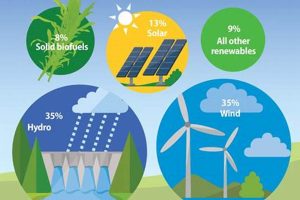
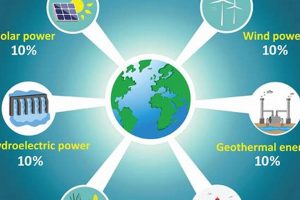
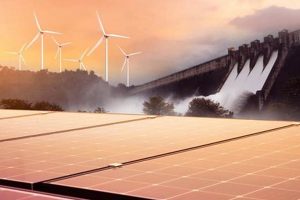
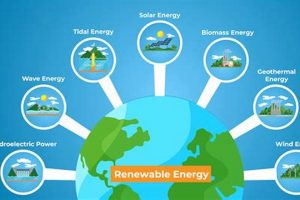
The availability and utilization of sustainable power generators within the Republic have become increasingly vital. These resources offer alternatives to traditional fossil fuels, harnessing naturally replenishing processes to generate electricity. Examples include solar photovoltaic (PV) farms, wind turbine installations, hydroelectric dams, and biomass power plants, all contributing to a diversified energy mix.
The deployment of these technologies is essential for several reasons. They can significantly reduce the nation’s carbon footprint, mitigating the impacts of climate change. Furthermore, the development and operation of these facilities can create jobs and stimulate economic growth in local communities. Historically, reliance on coal has dominated the energy landscape, making the transition to cleaner options a strategic imperative for long-term sustainability and energy independence.
The following sections will delve into the specific types of sustainable energy being explored and implemented, the regulatory frameworks governing their development, and the challenges and opportunities associated with their wider adoption across the country.
Essential Considerations for Advancing Sustainable Power Generation
The successful integration and expansion of cleaner power options in the Republic necessitate careful planning and execution across various domains. The following tips offer guidance for stakeholders involved in this crucial endeavor.
Tip 1: Prioritize Grid Modernization: A robust and adaptable electrical grid is essential to accommodate the intermittent nature of solar and wind power. Investment in smart grid technologies, energy storage solutions (like batteries and pumped hydro), and upgraded transmission infrastructure will maximize the efficiency and reliability of sustainable power delivery.
Tip 2: Streamline Regulatory Processes: Clear, consistent, and efficient permitting processes are crucial for attracting investment and accelerating project development timelines. Reducing bureaucratic hurdles and establishing predictable regulatory pathways can significantly reduce project costs and delays.
Tip 3: Foster Skills Development and Training: A skilled workforce is paramount for the installation, operation, and maintenance of sustainable power facilities. Investing in education and training programs for engineers, technicians, and other professionals will ensure a sufficient pool of qualified personnel to support the growing sector.
Tip 4: Encourage Local Manufacturing and Content: Promoting the development of a domestic supply chain for components and equipment related to sustainable power technologies can create jobs, stimulate economic growth, and reduce reliance on imports. Incentivizing local manufacturing and content requirements in project tenders can contribute to this objective.
Tip 5: Engage Communities and Address Social Impacts: Engaging with local communities and addressing potential social and environmental impacts is essential for ensuring the long-term sustainability of sustainable power projects. Transparent consultation processes, fair compensation for land use, and community development initiatives can help build trust and support for these projects.
Tip 6: Diversify Technology Portfolio: While solar and wind power are currently the most prevalent sustainable options, exploring other technologies, such as biomass, geothermal, and concentrated solar power, can enhance energy security and resilience. A diversified technology portfolio can mitigate risks associated with resource availability and technological advancements.
Tip 7: Promote Public Awareness and Education: Raising public awareness about the benefits of sustainable power and promoting energy conservation practices can contribute to a more sustainable energy future. Educational campaigns, public outreach programs, and incentives for energy efficiency can help shift consumer behavior and reduce overall energy demand.
Implementing these strategies can facilitate the accelerated and responsible development of sustainable power, contributing to a cleaner, more sustainable, and economically prosperous future. These considerations are crucial for navigating the complexities of the energy transition and maximizing the benefits of renewable resources.
The concluding section will synthesize the preceding points and offer a perspective on the outlook for sustainable energy generation in the coming years.
1. Solar Irradiation

Solar irradiation, the amount of solar radiation received per unit area over a given period, is a critical determinant in the viability and efficiency of photovoltaic (PV) and concentrated solar power (CSP) systems within the Republic’s sustainable energy landscape. Higher solar irradiation levels directly translate to increased electricity generation from these sources. The country’s geographical location affords it some of the highest levels of solar irradiance globally, particularly in regions such as the Northern Cape, making it a prime location for large-scale solar energy developments. The abundance of this natural resource has spurred significant investment in solar power infrastructure, contributing substantially to the diversification of the national energy mix. For example, the concentrated solar power plants located in the Northern Cape, such as the Khi Solar One plant, demonstrate the practical application of harnessing high solar irradiation to generate electricity at scale.
The intensity and consistency of solar irradiation also influence the design and operation of solar energy projects. Accurate solar resource assessment is essential for optimizing plant design, predicting energy yields, and ensuring the long-term economic viability of these installations. Furthermore, understanding seasonal variations and daily fluctuations in solar irradiance is crucial for effective grid integration and energy storage planning. The variability necessitates the integration of energy storage solutions, such as batteries or thermal storage, to ensure a stable and reliable electricity supply, particularly during periods of low solar irradiance, such as nighttime or during overcast conditions. Data collection and analysis using sophisticated meteorological instruments and satellite data play a vital role in providing the necessary information for optimal plant design and grid management.
In conclusion, solar irradiation is a fundamental component in the development and deployment of sustainable energy resources. The nation’s abundant solar resource presents a significant opportunity to reduce reliance on fossil fuels and transition towards a cleaner and more sustainable energy future. Overcoming challenges related to intermittency and grid integration through technological advancements and strategic planning will be crucial to maximizing the benefits of this valuable renewable resource. Sustained investment in solar energy technologies and infrastructure, coupled with supportive policies, will play a pivotal role in realizing the full potential of solar power to meet the energy demands and contribute to a sustainable energy economy.
2. Wind Resource Assessment
Wind resource assessment is a critical undertaking for the successful deployment of wind energy projects within the Republic. It involves a systematic evaluation of wind characteristics at potential sites to determine the economic viability and optimal placement of wind turbines. This process is fundamental to maximizing energy capture and ensuring the efficiency and reliability of wind farms, which are a significant component of the nation’s sustainable energy strategy.
- Data Collection and Analysis
Wind resource assessment relies heavily on the collection and analysis of comprehensive wind data. This includes measurements of wind speed, direction, frequency, and turbulence intensity, typically gathered over a period of at least one to two years. Anemometers and wind vanes mounted on meteorological masts are the primary tools used for this data acquisition. Sophisticated software and statistical methods are then employed to analyze the data, create wind resource maps, and predict long-term wind patterns at the site. An accurate understanding of these factors is essential for selecting the appropriate turbine technology and optimizing the layout of the wind farm to maximize energy production.
- Micrositing and Turbine Selection
Micrositing, the precise positioning of individual wind turbines within a wind farm, is a crucial outcome of wind resource assessment. Utilizing the detailed wind data, project developers can identify locations that offer the highest energy yield and minimize the effects of turbulence and wake interference between turbines. This process also informs the selection of the most suitable turbine model for the specific site conditions. Factors such as hub height, rotor diameter, and power curve characteristics are carefully considered to ensure optimal performance and longevity of the turbines. The optimal siting and turbine selection are imperative for maximizing the economic return of the project and its contribution to the national energy supply.
- Economic Feasibility and Risk Mitigation
Wind resource assessment plays a vital role in determining the economic feasibility of wind energy projects and mitigating investment risks. By providing reliable estimates of energy production, project developers can accurately forecast revenue streams and assess the financial viability of the project. This information is essential for securing financing and attracting investors. Furthermore, a thorough assessment helps to identify potential environmental and social impacts, allowing for the implementation of mitigation measures to minimize negative consequences and ensure the project’s long-term sustainability. Rigorous evaluation enhances investor confidence and streamlines project development.
- Grid Integration and Capacity Planning
The variable nature of wind energy necessitates careful planning for grid integration and overall capacity planning. Wind resource assessment provides valuable information for predicting the output of wind farms and managing the fluctuations in electricity generation. This data is crucial for grid operators to ensure the stability and reliability of the electricity supply. Accurate forecasting allows for the implementation of appropriate grid management strategies, such as the use of energy storage systems or the deployment of flexible power plants to balance the intermittency of wind energy. Effective grid integration is essential for realizing the full potential of wind energy and minimizing the impact on the overall energy system.
In summation, wind resource assessment is an indispensable element in the development and implementation of wind energy projects within the Republic. By providing comprehensive data and insights into wind characteristics, this process facilitates informed decision-making, optimizes project performance, and mitigates investment risks. The accurate and reliable assessment of wind resources is paramount for the successful integration of wind energy into the national energy mix and the achievement of the nation’s sustainable energy objectives. Continued advancement in assessment techniques and technologies will further enhance the efficiency and effectiveness of wind energy development.
3. Biomass Potential

The biomass potential within the Republic constitutes a significant, yet underutilized, element of its overall sustainable power resource base. This potential stems from a variety of sources, including agricultural residues (such as sugarcane bagasse and maize stover), forestry byproducts (wood chips and sawdust), and dedicated energy crops (e.g., switchgrass). The availability of these resources creates opportunities for electricity generation, heat production, and the production of biofuels, contributing to a diversified and resilient sustainable energy mix. Harnessing biomass offers the dual benefit of reducing reliance on fossil fuels and addressing waste management challenges, particularly in agricultural and forestry sectors.
The practical application of biomass for energy production manifests in various forms. Direct combustion of biomass in dedicated power plants can generate electricity, while anaerobic digestion processes can convert organic waste into biogas, a methane-rich fuel that can be used for heating, electricity generation, or transportation. Furthermore, biomass can be converted into liquid biofuels like ethanol and biodiesel, which can serve as alternatives to gasoline and diesel in the transport sector. For instance, sugar mills often utilize sugarcane bagasse to generate electricity and steam for their own operations, with surplus power sometimes fed into the national grid. Similarly, forestry operations can utilize wood waste to produce heat and power for local communities and industries. Proper management of biomass resources is crucial, ensuring sustainable harvesting practices to avoid deforestation and environmental degradation.
In conclusion, the biomass potential represents a valuable asset for enhancing the nation’s sustainable energy capacity. While challenges related to resource logistics, technological development, and environmental sustainability remain, strategic investments in biomass conversion technologies and supportive policy frameworks can unlock the full potential of this resource. The integration of biomass into the broader sustainable energy portfolio is essential for achieving a more diversified, resilient, and environmentally responsible energy system. Further research and development are needed to optimize biomass production, conversion processes, and utilization pathways to maximize its contribution to the national energy goals.
4. Hydropower Viability

Hydropower viability represents a key consideration in evaluating the potential of renewable energy within the Republic. The availability of suitable river systems, sufficient rainfall, and appropriate dam infrastructure are crucial factors determining the feasibility of hydroelectric power generation. While not as abundant as solar or wind resources, hydropower offers a dependable and dispatchable renewable energy source, contributing to grid stability and reducing reliance on intermittent renewable sources. Hydropower’s viability is directly linked to long-term water resource management, particularly in a region facing increasing water scarcity due to climate change. Successful hydropower projects must carefully balance electricity generation with environmental sustainability, ensuring minimal impact on aquatic ecosystems and downstream water users.
Currently, hydropower contributes a relatively small percentage to the nation’s overall energy mix. However, several existing dams, such as the Gariep Dam and the Vanderkloof Dam, incorporate hydroelectric power plants, providing a consistent source of renewable energy. Future hydropower viability hinges on identifying and developing new sites with minimal environmental impact. Pumped storage hydropower, which utilizes excess electricity from other sources (like solar or wind) to pump water uphill for later release through turbines, also presents a promising avenue for enhancing grid stability and integrating variable renewable energy sources. Evaluating hydropower viability involves comprehensive assessments of river flow patterns, ecological impacts, and social considerations, ensuring sustainable and responsible development. Furthermore, existing infrastructure upgrades and modernization can enhance the efficiency and capacity of current hydropower facilities.
In conclusion, while challenges exist regarding water availability and environmental concerns, hydropower viability remains a significant factor in the broader context of renewable energy deployment within the Republic. Strategic planning, responsible environmental stewardship, and technological advancements in hydropower technologies are essential for maximizing its contribution to a diversified and sustainable energy future. The successful integration of hydropower requires a holistic approach that considers both energy needs and the long-term health of water resources and ecosystems.
5. Geothermal Exploration

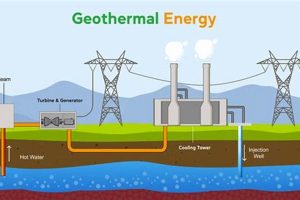
Geothermal exploration within the Republic represents a nascent, yet potentially significant, element within the broader context of diversified sustainable power resources. The country’s geological profile, while not as overtly volcanic as some regions, possesses subsurface thermal gradients that warrant investigation. Geothermal exploration, entailing geological surveys, geochemical analyses, and geophysical investigations, aims to identify subsurface reservoirs of heated water or steam that can be harnessed for electricity generation or direct heating applications. The success of geothermal exploration efforts is directly correlated with the potential for expanding the national sustainable energy portfolio, thereby reducing reliance on traditional fossil fuel sources. The viability of geothermal energy hinges on the discovery of commercially viable resources and the application of appropriate extraction and conversion technologies. This makes it a critical, although currently limited, component.
While large-scale geothermal power plants are not yet operational, preliminary studies have identified areas with promising geothermal potential, particularly in regions with geological fault lines or evidence of past volcanic activity. The exploration process involves the analysis of thermal gradients, the assessment of subsurface rock permeability, and the evaluation of water chemistry to determine the resource’s quality and sustainability. Furthermore, advanced techniques such as enhanced geothermal systems (EGS), which involve creating artificial fractures in hot, dry rocks to allow water circulation and heat extraction, are being explored as a means of tapping into geothermal resources that would otherwise be inaccessible. The development of geothermal energy requires substantial upfront investment in exploration and infrastructure, but the long-term operational costs are relatively low, and the resource provides a stable and continuous energy supply, unlike intermittent sources such as solar or wind.
In conclusion, geothermal exploration holds the potential to contribute meaningfully to the Republic’s sustainable energy mix, albeit with inherent challenges and uncertainties. Continued investment in exploration activities, coupled with technological advancements and supportive policy frameworks, is essential for realizing the full potential of geothermal energy. Successful exploration could diversify the energy portfolio, enhance energy security, and contribute to reducing greenhouse gas emissions. The integration of geothermal energy, if proven feasible on a commercial scale, would complement existing renewable energy sources and strengthen the nation’s commitment to a sustainable energy future.
6. Regulatory Frameworks

The development and deployment of sustainable power generators within the Republic are fundamentally shaped by established regulatory frameworks. These frameworks dictate the rules, standards, and procedures governing project development, grid integration, and market participation for such installations. The presence of clear, consistent, and supportive regulations directly influences investor confidence, project financing, and the overall pace of renewable energy adoption. Conversely, ambiguous or overly complex regulations can create barriers to entry, discourage investment, and impede the transition towards a cleaner energy system. The interplay between regulatory frameworks and sustainable power is a crucial determinant of its success, impacting project viability, cost-effectiveness, and environmental sustainability. For instance, the Renewable Energy Independent Power Producer Procurement Programme (REIPPPP) exemplifies how government-led regulatory initiatives can drive large-scale renewable energy deployment by providing a structured framework for competitive bidding and power purchase agreements.
Several key regulatory aspects influence sustainable power generators. These include licensing and permitting processes, environmental impact assessments, grid connection requirements, and feed-in tariffs or other incentive mechanisms. Streamlined and efficient permitting procedures can reduce project development timelines and lower costs, while robust environmental impact assessments ensure that sustainable projects are developed in an environmentally responsible manner. Grid connection regulations must facilitate the seamless integration of variable renewable energy sources into the existing electricity grid, ensuring grid stability and reliability. Incentive mechanisms, such as feed-in tariffs or renewable energy certificates, provide financial support to renewable energy projects, making them more competitive compared to traditional fossil fuel-based power plants. The effectiveness of these regulatory components directly impacts the economic attractiveness and technical feasibility of sustainable initiatives. The evolution of these frameworks must adapt to emerging technologies and market dynamics to sustain momentum.
In conclusion, regulatory frameworks are indispensable for fostering a thriving sustainable energy sector within the Republic. Supportive regulations create a level playing field, reduce investment risks, and drive innovation in renewable energy technologies. Addressing regulatory bottlenecks, streamlining permitting processes, and ensuring consistent enforcement are crucial for accelerating the transition towards a cleaner and more sustainable energy future. The ongoing refinement and adaptation of regulatory frameworks will be essential for unlocking the full potential of sustainable power generators and achieving the nation’s renewable energy targets. Future regulations should focus on promoting energy storage, smart grid technologies, and demand-side management to further enhance the integration and utilization of sustainable energy resources.
7. Economic Incentives

Economic incentives constitute a crucial element in the widespread adoption and sustained growth of sustainable power generators within the Republic. These incentives, designed to mitigate the initial capital costs and enhance the financial viability of sustainable power projects, play a pivotal role in attracting investment, fostering innovation, and accelerating the transition away from fossil fuel dependence. The establishment and effective implementation of such incentives are directly linked to the competitiveness and market penetration of renewable energy technologies, influencing project development timelines and overall sector growth. Without sufficient economic incentives, sustainable initiatives may struggle to compete with established, albeit environmentally detrimental, energy sources. For example, the feed-in tariffs offered under the REIPPPP provided a guaranteed price for electricity generated by renewable sources, significantly enhancing project bankability and attracting substantial foreign investment.
A variety of economic incentives can be deployed to support sustainable power. Tax credits, production tax credits, and investment tax credits reduce the financial burden on project developers, incentivizing investment in renewable energy infrastructure. Feed-in tariffs provide a guaranteed price for electricity generated from renewable sources, creating a stable revenue stream that enhances project financial stability. Renewable energy certificates (RECs) or carbon credits provide an additional revenue stream by recognizing and valuing the environmental benefits of renewable energy generation. Government grants and subsidies can provide direct financial support to project developers, particularly for innovative technologies or projects in underserved communities. These practical applications, ranging from enhanced investment to technological advancement, reinforce the importance of strategic incentives.
In conclusion, economic incentives are indispensable for unlocking the full potential of sustainable power generators in the Republic. By reducing financial barriers, promoting innovation, and enhancing competitiveness, these incentives drive investment, accelerate deployment, and contribute to a cleaner, more sustainable energy future. Continued refinement and adaptation of economic incentive programs are essential for addressing evolving market dynamics, promoting technological advancements, and ensuring the long-term viability of the sustainable energy sector. Future policies should explore innovative financing mechanisms, such as green bonds and public-private partnerships, to further mobilize capital and accelerate the transition to a sustainable energy economy. Ultimately, the judicious application of economic incentives is not merely a financial tool, but a strategic imperative for achieving a resilient and environmentally responsible energy system.
Frequently Asked Questions
The following questions and answers address common inquiries and misconceptions regarding sustainable power generation in the Republic. The aim is to provide clear and concise information on this critical aspect of the nation’s energy future.
Question 1: What constitutes a sustainable power source in the context of the Republic’s energy needs?
Sustainable power sources in the Republic encompass solar, wind, hydro, biomass, and geothermal energy. These resources are characterized by their ability to replenish naturally, reducing reliance on finite fossil fuels and minimizing environmental impact.
Question 2: What is the current contribution of sustainable power generators to the nation’s electricity supply?
The contribution of sustainable power to the national electricity supply has been steadily increasing, although it remains a minority share compared to coal-fired power plants. Government initiatives and private sector investments are driving further expansion of renewable energy capacity.
Question 3: What are the primary benefits of transitioning to a greater reliance on sustainable power sources?
The benefits include reduced greenhouse gas emissions, improved air quality, enhanced energy security, and the creation of new economic opportunities in the renewable energy sector.
Question 4: What are the main challenges associated with the deployment of sustainable power generators?
The challenges include the intermittent nature of some sources (solar and wind), the need for grid infrastructure upgrades, high initial capital costs, and potential environmental impacts (e.g., land use, water consumption).
Question 5: How does the regulatory environment influence the development of sustainable power projects?
The regulatory environment plays a crucial role, providing frameworks for project licensing, grid connection, environmental impact assessments, and economic incentives that can either facilitate or impede project development.
Question 6: What are the future prospects for sustainable power in the Republic?
The future prospects for sustainable power are positive, with ongoing investments in renewable energy technologies, supportive government policies, and increasing awareness of the environmental and economic benefits of sustainable energy.
In summary, the development and integration of sustainable power sources are crucial for securing a cleaner, more reliable, and economically viable energy future. Addressing the challenges and capitalizing on the opportunities will require concerted efforts from government, industry, and communities.
The following section will provide an overview of the key technologies utilized in the country’s sustainable energy sector.
The Future of Sustainable Power in the Republic
The preceding sections have explored the multifaceted landscape of sustainable power in the Republic, encompassing solar irradiation, wind resource assessment, biomass potential, hydropower viability, geothermal exploration, regulatory frameworks, and economic incentives. These elements are crucial determinants of the nation’s progress towards a diversified and environmentally responsible energy portfolio. The effective harnessing of these resources is not merely an aspiration, but a strategic imperative for long-term energy security and economic competitiveness. The current reliance on traditional energy generation methods poses significant environmental and economic risks that necessitate a deliberate and sustained transition toward cleaner alternatives.
The sustained commitment to policy development, technological innovation, and responsible resource management will be essential for realizing the full potential of renewable energy. It requires collaborative efforts from the government, private sector, and civil society to overcome existing challenges and capitalize on emerging opportunities. The proactive embrace of sustainable energy solutions will not only mitigate the adverse impacts of climate change but will also unlock new avenues for economic growth and social development, solidifying its position as a leader in sustainable practices within the global arena. The choices made now will define the legacy of the Republic’s commitment to a prosperous and sustainable future.