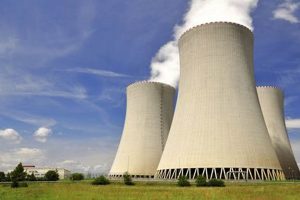
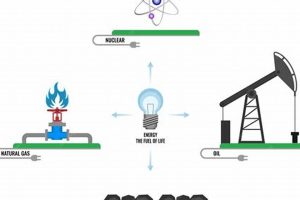
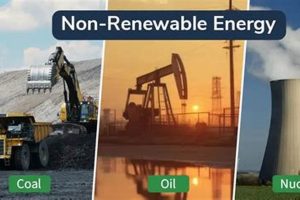
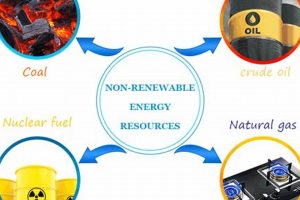
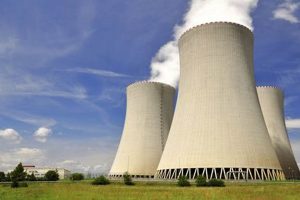
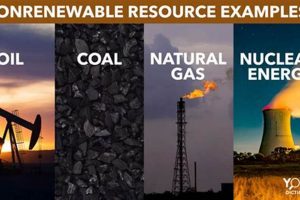
Fossil fuels (coal, oil, and natural gas) and nuclear energy are finite resources extracted from the Earth. Their extraction, processing, and combustion have significant environmental consequences. For example, coal mining can lead to habitat destruction and water pollution, while burning fossil fuels releases greenhouse gases, contributing to climate change. Nuclear power, while not emitting greenhouse gases during operation, generates radioactive waste that requires long-term storage.
Understanding the environmental effects of these energy sources is crucial for informed decision-making regarding energy policy and sustainable development. Historically, reliance on these resources has fueled industrialization and economic growth, but with growing awareness of their environmental costs, a shift toward sustainable energy solutions is gaining momentum. This transition is essential for mitigating climate change, preserving ecosystems, and ensuring a healthy planet for future generations.
This article will further explore the specific environmental impacts of different non-renewable energy sources, examining their effects on air and water quality, land use, and biodiversity. It will also discuss the challenges and opportunities associated with transitioning to a more sustainable energy future.
Minimizing the Environmental Footprint of Energy Consumption
Reducing the detrimental effects of conventional energy sources requires a multifaceted approach encompassing individual actions, policy changes, and technological advancements.
Tip 1: Improve Energy Efficiency: Investing in energy-efficient appliances, buildings, and transportation can significantly reduce energy demand, lessening the environmental burden of non-renewable resource extraction and combustion.
Tip 2: Support Renewable Energy Sources: Advocating for and transitioning to renewable energy sources like solar, wind, and hydropower helps displace reliance on finite resources and mitigates pollution.
Tip 3: Promote Sustainable Transportation: Utilizing public transport, cycling, walking, and electric vehicles reduces reliance on fossil fuels, decreasing air pollution and greenhouse gas emissions.
Tip 4: Advocate for Responsible Resource Management: Supporting policies and practices that prioritize responsible extraction, minimizing environmental damage during resource acquisition, is crucial.
Tip 5: Invest in Research and Development: Continued investment in research and development of cleaner energy technologies and carbon capture methods is essential for long-term sustainability.
Tip 6: Reduce, Reuse, and Recycle: Minimizing consumption, reusing products, and recycling materials reduces the energy required for manufacturing new goods, indirectly lowering environmental impact.
Tip 7: Raise Awareness: Educating oneself and others about the environmental consequences of energy choices fosters informed decision-making and promotes collective action.
By adopting these strategies, individuals and communities can contribute to a more sustainable energy future, mitigating the environmental consequences associated with conventional energy sources and fostering a healthier planet.
The cumulative impact of these individual and collective actions can significantly reduce the environmental footprint of energy consumption and pave the way for a more sustainable future.
1. Greenhouse Gas Emissions

Combustion of fossil fuelscoal, oil, and natural gasis the primary driver of anthropogenic greenhouse gas emissions. These emissions, including carbon dioxide, methane, and nitrous oxide, trap heat in the atmosphere, contributing significantly to global climate change. This process fundamentally links greenhouse gas emissions to the environmental impact of non-renewable energy sources. For example, burning coal for electricity generation releases substantial amounts of carbon dioxide, a potent greenhouse gas, into the atmosphere. Similarly, natural gas leaks during extraction and transportation release methane, a greenhouse gas with a much higher warming potential than carbon dioxide, albeit with a shorter atmospheric lifespan.
The implications of these emissions are far-reaching. Rising global temperatures contribute to more frequent and intense extreme weather events, sea-level rise, disruptions to ecosystems, and threats to human health and well-being. Understanding the relationship between fossil fuel combustion and greenhouse gas emissions is crucial for developing effective mitigation strategies. Analyzing the carbon footprint of different energy sources, for instance, allows for informed decisions regarding energy production and consumption. Furthermore, quantifying the reduction in greenhouse gas emissions achieved through renewable energy adoption demonstrates the practical significance of transitioning to a more sustainable energy system. Investing in carbon capture and storage technologies represents another avenue for mitigating the impact of fossil fuel combustion.
Addressing the challenge of greenhouse gas emissions requires a global effort focused on transitioning to cleaner energy sources, improving energy efficiency, and developing and deploying innovative technologies. The environmental impact of non-renewable energy underscores the urgent need for these transformative changes. Delaying action carries significant risks, potentially leading to irreversible environmental damage and exacerbating the consequences of climate change for future generations.
2. Air Pollution

Air pollution represents a significant environmental consequence of utilizing non-renewable energy sources. The combustion of fossil fuels releases various pollutants into the atmosphere, negatively impacting air quality and posing risks to human health and the environment.
- Particulate Matter:
Burning fossil fuels generates particulate matter (PM), a mixture of solid and liquid droplets suspended in the air. These particles can penetrate deep into the lungs, exacerbating respiratory illnesses and increasing cardiovascular risks. Sources include power plants, industrial facilities, and vehicle exhaust. PM2.5, fine particulate matter with a diameter of 2.5 micrometers or less, is particularly concerning due to its ability to reach deep into the respiratory system. The health implications associated with PM pollution represent a substantial cost, both in terms of human well-being and healthcare expenditures.
- Sulfur Dioxide (SO2):
Coal combustion releases sulfur dioxide, a gas that contributes to acid rain and respiratory problems. Acid rain damages ecosystems, affecting soil, water bodies, and vegetation. In urban areas, SO2 can react with other pollutants to form secondary particles, further exacerbating air pollution. Regulations aimed at reducing SO2 emissions have demonstrably improved air quality in many regions, showcasing the effectiveness of targeted interventions.
- Nitrogen Oxides (NOx):
Burning fossil fuels in vehicles and power plants produces nitrogen oxides, contributing to smog formation and respiratory irritation. NOx also reacts with other atmospheric components to form ozone, a major component of smog. Ground-level ozone is a harmful air pollutant that damages lung tissue and exacerbates respiratory conditions. Strategies to reduce NOx emissions, such as catalytic converters in vehicles, play a critical role in improving urban air quality.
- Heavy Metals:
Certain fossil fuels, particularly coal, contain heavy metals like mercury, lead, and arsenic. Combustion releases these metals into the air, posing significant health risks. These metals can accumulate in the environment and enter the food chain, leading to long-term health consequences. Mercury, for example, is a neurotoxin that can impair cognitive function, especially in developing children. Efforts to reduce heavy metal emissions from power plants are essential for protecting public health and the environment.
These air pollutants contribute to a range of environmental and health problems, underscoring the negative impact of relying on non-renewable energy sources. The cumulative effect of these pollutants necessitates a transition to cleaner energy alternatives to safeguard human health and the environment. Shifting towards renewable energy sources, improving energy efficiency, and implementing stricter emission controls are crucial steps in mitigating the air pollution caused by non-renewable energy consumption.
3. Water Contamination

Water contamination represents a critical environmental consequence of non-renewable energy extraction and utilization. Various stages of the non-renewable energy lifecycle, from resource extraction to waste disposal, can introduce pollutants into water bodies, impacting aquatic ecosystems and human health. Understanding the specific pathways of contamination is crucial for mitigating these adverse effects and promoting sustainable water management practices.
- Acid Mine Drainage:
Mining activities, particularly coal mining, can expose sulfide minerals to air and water, leading to the formation of sulfuric acid. This acid mine drainage (AMD) lowers the pH of surrounding water bodies, making them toxic to aquatic life. AMD can contaminate surface and groundwater resources, impacting drinking water supplies and posing a long-term threat to aquatic ecosystems. Remediation efforts for AMD can be costly and complex, highlighting the importance of preventative measures in mining operations.
- Oil Spills:
Extraction, transportation, and refining of oil pose risks of spills, releasing large quantities of crude oil into marine and freshwater environments. Oil spills devastate aquatic ecosystems, harming marine life, disrupting food chains, and contaminating shorelines. The long-term ecological consequences of oil spills can persist for decades, impacting biodiversity and ecosystem health. Preventing oil spills through robust safety measures and improved infrastructure is essential for protecting water resources.
- Hydraulic Fracturing Wastewater:
Hydraulic fracturing, or fracking, a technique used to extract natural gas, generates large volumes of wastewater containing chemical additives, heavy metals, and radioactive materials. This wastewater can contaminate groundwater resources if not properly managed. Disposal practices for fracking wastewater remain a subject of ongoing research and regulatory scrutiny due to the potential for environmental contamination. Effective treatment and disposal methods are crucial for minimizing the impact of fracking on water resources.
- Thermal Pollution:
Power plants using fossil fuels or nuclear energy require large amounts of water for cooling purposes. Discharging heated water back into rivers and lakes can cause thermal pollution, altering water temperature and oxygen levels, negatively affecting aquatic organisms. Thermal pollution can disrupt aquatic ecosystems, impacting fish populations and other temperature-sensitive species. Implementing cooling technologies that minimize thermal discharge is crucial for mitigating this environmental impact.
These diverse pathways of water contamination highlight the significant environmental challenges associated with non-renewable energy sources. Addressing these challenges requires a multi-pronged approach encompassing stricter regulations, improved technologies, and a transition towards more sustainable energy alternatives. Protecting water resources from contamination is essential for preserving ecosystem health, safeguarding human health, and ensuring the long-term sustainability of water supplies. The environmental impact of non-renewable energy on water quality underscores the urgency of transitioning towards cleaner energy sources and implementing responsible water management practices.
4. Land Degradation

Land degradation represents a significant environmental consequence of non-renewable energy extraction and utilization. Various activities associated with these energy sources, from mining to waste disposal, can disrupt ecosystems, alter landscapes, and reduce land productivity. Understanding the specific mechanisms of land degradation caused by non-renewable energy is crucial for developing effective mitigation strategies and promoting sustainable land management practices.
Mining activities, particularly for coal and uranium, often involve large-scale excavation and removal of topsoil and vegetation. This process disrupts soil structure, reduces soil fertility, and increases erosion susceptibility. Mountaintop removal mining, for example, drastically alters landscapes, destroying habitats and impacting downstream water quality. The extraction of oil and natural gas can also lead to soil contamination and compaction, reducing land productivity and impacting agricultural activities. Improper disposal of drilling waste and wastewater can further contaminate soil and groundwater resources. Moreover, the construction of pipelines and other infrastructure for transporting fossil fuels can fragment habitats and disrupt ecological connectivity.
The practical implications of land degradation associated with non-renewable energy are substantial. Reduced agricultural productivity can threaten food security, while habitat loss and fragmentation can lead to biodiversity decline. Soil erosion and sedimentation can impact water quality and aquatic ecosystems. Addressing these challenges requires a comprehensive approach that includes minimizing land disturbance during resource extraction, implementing effective reclamation strategies, and transitioning to less land-intensive energy sources. Sustainable land management practices, such as reforestation and erosion control measures, can help restore degraded lands and mitigate the environmental impact of non-renewable energy development. Ultimately, transitioning towards renewable energy sources offers a pathway towards reducing the land degradation footprint associated with conventional energy production and promoting a more sustainable future.
5. Habitat Destruction

Habitat destruction represents a significant component of the environmental impact of non-renewable energy. Extraction and transportation of fossil fuels, as well as the construction of related infrastructure, directly and indirectly contribute to habitat loss and fragmentation. This disruption of natural ecosystems poses a serious threat to biodiversity and ecosystem services.
Surface mining operations, especially for coal, drastically alter landscapes, removing vegetation, topsoil, and even entire mountaintops. This directly destroys habitats for a variety of species. Construction of pipelines and access roads for oil and gas extraction fragments remaining habitats, isolating populations and disrupting ecological processes. Oil spills, a risk associated with both extraction and transportation, can devastate marine and coastal ecosystems, causing widespread mortality and long-term damage to habitats. Furthermore, the release of pollutants from fossil fuel combustion, including acid rain and heavy metals, can degrade air and water quality, further impacting habitat suitability for many species. For example, acid rain can acidify lakes and streams, making them uninhabitable for fish and other aquatic organisms. Similarly, heavy metal contamination can accumulate in food chains, posing risks to wildlife and potentially impacting human health through consumption of contaminated food.
The practical significance of understanding the link between non-renewable energy and habitat destruction is crucial for effective conservation efforts. Quantifying habitat loss associated with different energy sources allows for informed decision-making regarding energy development and land use planning. Mitigation strategies, such as habitat restoration and the implementation of best management practices during resource extraction, can help minimize habitat destruction and promote biodiversity conservation. Ultimately, transitioning towards renewable energy sources offers a pathway to reduce the ecological footprint of energy production and mitigate the negative impacts on habitats and biodiversity. Recognizing habitat destruction as a critical component of the environmental impact of non-renewable energy underscores the urgency of transitioning towards a more sustainable energy future.
6. Resource Depletion

Resource depletion is an inherent consequence of reliance on non-renewable energy sources. Fossil fuels (coal, oil, and natural gas) and uranium, the primary fuels for nuclear energy, are finite resources formed over geological timescales. Their extraction and consumption occur at rates far exceeding their natural replenishment, leading to inevitable depletion. This depletion has multifaceted environmental implications, extending beyond the immediate availability of these energy sources.
The continuous extraction of fossil fuels necessitates increasingly complex and energy-intensive methods to access remaining reserves. For example, deepwater drilling and hydraulic fracturing (fracking) pose greater environmental risks than conventional extraction methods, including potential for oil spills, groundwater contamination, and increased greenhouse gas emissions. As easily accessible reserves dwindle, the environmental costs associated with extracting remaining resources escalate. Similarly, uranium mining, while less geographically widespread than fossil fuel extraction, generates radioactive waste requiring long-term storage, presenting unique environmental challenges. The finite nature of these resources necessitates a transition to renewable energy sources to ensure long-term energy security and mitigate the environmental consequences of resource depletion.
Understanding resource depletion as a critical component of the environmental impact of non-renewable energy is essential for informing sustainable energy policies. Recognizing the finite nature of these resources underscores the need for diversification of energy sources and investments in renewable energy technologies. Furthermore, promoting energy efficiency measures can reduce the rate of resource depletion and extend the lifespan of remaining reserves. The transition to a sustainable energy future requires a shift away from reliance on finite resources towards renewable, readily available energy sources. Ignoring the implications of resource depletion risks not only energy security but also exacerbates the environmental consequences associated with extracting increasingly scarce non-renewable energy resources.
7. Waste Disposal Challenges
Waste disposal challenges represent a significant environmental concern associated with non-renewable energy sources. The extraction, processing, and utilization of these resources generate various waste products, posing substantial risks to human health and the environment if not managed effectively. Addressing these challenges requires a comprehensive understanding of the diverse waste streams generated and the development of sustainable disposal and management strategies.
- Radioactive Waste from Nuclear Power:
Nuclear power generation produces radioactive waste, posing unique disposal challenges due to its long-term toxicity and the need for secure isolation from the environment for thousands of years. Spent nuclear fuel, containing highly radioactive elements, requires specialized storage facilities and long-term disposal solutions, such as deep geological repositories. The safe and sustainable management of radioactive waste is crucial for protecting human health and the environment from the risks associated with radiation exposure.
- Coal Ash and Slag:
Coal combustion generates large quantities of coal ash and slag, byproducts containing heavy metals and other toxic substances. These waste materials require careful disposal to prevent leaching of contaminants into soil and water resources. Coal ash ponds, commonly used for disposal, pose risks of leakage and contamination of surrounding environments. Developing sustainable disposal solutions for coal ash and slag, such as beneficial reuse in construction materials, is crucial for minimizing environmental impacts.
- Drilling Waste and Produced Water:
Oil and gas extraction generate drilling waste and produced water, containing a mixture of drilling fluids, chemicals, and naturally occurring radioactive materials. These waste streams require proper treatment and disposal to prevent soil and groundwater contamination. Improper disposal practices can lead to the release of harmful substances into the environment, impacting human health and ecosystems. Implementing stringent regulations and advanced treatment technologies is crucial for mitigating the environmental risks associated with these waste streams.
- Mine Tailings:
Mining operations, particularly for uranium and coal, produce mine tailings, the waste rock left after extracting the desired mineral. Mine tailings often contain heavy metals and other toxic substances that can leach into surrounding environments, contaminating water resources and posing risks to human health. Proper management and remediation of mine tailings are essential for minimizing environmental impacts. Sustainable practices, such as revegetation and the construction of engineered containment structures, can help stabilize tailings and prevent contamination.
The waste disposal challenges associated with non-renewable energy underscore the importance of transitioning to more sustainable energy alternatives. While effective waste management strategies are crucial for minimizing environmental impacts, the inherent generation of hazardous waste from these energy sources necessitates a shift towards cleaner energy options. Investing in renewable energy technologies and promoting energy efficiency measures can reduce reliance on non-renewable energy sources and consequently minimize the environmental burden of waste disposal. The long-term sustainability of energy production depends on addressing these waste disposal challenges and transitioning towards a cleaner energy future.
Frequently Asked Questions
This section addresses common inquiries regarding the environmental consequences of utilizing non-renewable energy sources. Clear and concise answers are provided to foster understanding and inform decision-making.
Question 1: How does the use of non-renewable energy contribute to climate change?
Combustion of fossil fuels releases greenhouse gases, primarily carbon dioxide, into the atmosphere. These gases trap heat, leading to a rise in global temperatures and contributing to climate change.
Question 2: What are the primary air pollutants associated with non-renewable energy sources?
Burning fossil fuels releases pollutants like particulate matter, sulfur dioxide, nitrogen oxides, and heavy metals, negatively impacting air quality and human health.
Question 3: How does non-renewable energy extraction affect water resources?
Activities like mining and hydraulic fracturing can contaminate water sources through acid mine drainage, chemical spills, and wastewater discharge, posing risks to aquatic ecosystems and human health.
Question 4: What is the impact of non-renewable energy extraction on land use?
Mining operations and infrastructure development for fossil fuel extraction can lead to habitat destruction, soil erosion, and land degradation, impacting biodiversity and ecosystem services.
Question 5: Why is nuclear waste disposal a significant environmental concern?
Nuclear waste remains radioactive for thousands of years, requiring safe and secure long-term storage solutions to prevent environmental contamination and protect human health.
Question 6: What are the long-term implications of resource depletion?
Continuous extraction of finite resources leads to their eventual depletion, necessitating a transition to renewable energy sources to ensure long-term energy security and environmental sustainability. As accessible reserves diminish, extraction becomes more complex, costly, and environmentally damaging.
Understanding the environmental ramifications of non-renewable energy consumption is crucial for promoting sustainable practices and transitioning towards a cleaner energy future. The information provided here highlights the interconnectedness of energy choices and environmental well-being.
The subsequent section delves further into specific case studies and explores potential solutions for mitigating the negative impacts of non-renewable energy.
The Environmental Imperative of Transitioning Beyond Non-Renewable Energy
This exploration has underscored the pervasive environmental consequences associated with reliance on non-renewable energy sources. From greenhouse gas emissions driving climate change to the land degradation resulting from resource extraction, the impact on air and water quality, habitat destruction, and the challenges of waste disposal, the environmental burden is substantial and multifaceted. Resource depletion further emphasizes the finite nature of these energy sources and the inherent unsustainability of their continued exploitation.
The evidence presented necessitates a decisive shift towards sustainable energy alternatives. Transitioning to renewable energy sources, coupled with enhanced energy efficiency measures, represents not merely an environmental imperative but a fundamental prerequisite for a secure and sustainable future. Failure to address the environmental impact of non-renewable energy risks irreversible damage to ecosystems, jeopardizes human well-being, and compromises the planet’s capacity to support future generations. The time for decisive action is now.