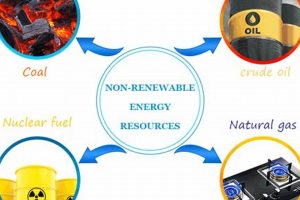
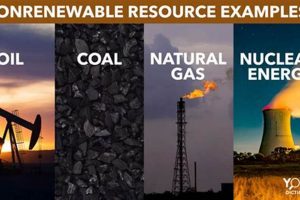
The renewability of heat energy depends entirely on its source. Geothermal energy, derived from the Earth’s internal heat, is considered renewable because the planet’s core constantly generates heat. Solar thermal energy, where sunlight heats water or air, is also renewable due to the sun’s effectively inexhaustible energy supply. However, heat generated from burning fossil fuels (coal, oil, and natural gas) is non-renewable as these resources are finite and deplete over time. Similarly, burning biomass, while technically renewable if managed sustainably, can be considered non-renewable if consumption outpaces replenishment.
Distinguishing between renewable and non-renewable heat sources is crucial for sustainable energy planning. Utilizing renewable sources mitigates the environmental impact associated with fossil fuel combustion, reducing greenhouse gas emissions and contributing to a cleaner atmosphere. Historically, societies have relied heavily on non-renewable heat sources, leading to significant environmental challenges. The transition towards renewable alternatives is essential for addressing climate change and ensuring long-term energy security.
Understanding the nature of different heat sources informs decisions regarding energy infrastructure development, policy implementation, and individual consumer choices. Further exploration of specific renewable and non-renewable heat generation methods, their respective advantages and disadvantages, and their roles in the global energy landscape will provide a more comprehensive understanding of this crucial topic.
Tips for Utilizing Thermal Energy Responsibly
Efficient and sustainable thermal energy use requires careful consideration of the source and its impact. The following tips offer guidance for responsible practices.
Tip 1: Prioritize Passive Solar Heating: Designing buildings to maximize solar gain in winter reduces the need for supplemental heating. Consider window placement, insulation, and thermal mass to capture and retain solar energy.
Tip 2: Explore Geothermal Heating and Cooling: Geothermal heat pumps offer a highly efficient and renewable option for both heating and cooling, utilizing the stable temperature of the earth.
Tip 3: Invest in High-Efficiency Insulation: Proper insulation minimizes heat loss in winter and heat gain in summer, reducing reliance on heating and cooling systems regardless of the energy source.
Tip 4: Consider Solar Thermal Systems: Solar water heaters reduce the demand on conventional water heating systems, utilizing renewable solar energy for domestic hot water.
Tip 5: Optimize Existing Heating and Cooling Systems: Regular maintenance and upgrades, such as programmable thermostats, can improve the efficiency of existing systems and reduce energy consumption.
Tip 6: Choose Sustainable Biomass Sources: If using biomass for heating, ensure it comes from sustainably managed sources to minimize environmental impact and ensure resource replenishment.
Tip 7: Evaluate the Environmental Impact of Fuel Choices: When choosing a fuel source for heat generation, consider the associated greenhouse gas emissions and overall environmental footprint.
Implementing these strategies contributes to reduced energy consumption, lower operating costs, and a smaller environmental impact. Careful consideration of the source and application of heat is crucial for sustainable energy management.
By understanding the distinctions between renewable and non-renewable heat sources and adopting responsible practices, a transition towards a more sustainable energy future can be achieved.
1. Source

The source of thermal energy is the primary determinant of its renewability. Renewable thermal energy originates from sources that are naturally replenished at a rate equal to or exceeding consumption. Geothermal energy, derived from the Earth’s internal heat, exemplifies a renewable source. Solar thermal energy, harnessed from sunlight, also falls within this category. Conversely, non-renewable thermal energy originates from finite resources that deplete over time. Fossil fuels, such as coal, oil, and natural gas, illustrate non-renewable sources. Burning these fuels for heat releases energy stored over millennia, a process that cannot be replicated at a pace matching current consumption rates. The distinction between geothermal or solar and fossil fuel sources underscores the critical link between source and renewability.
The implications of relying on different thermal sources extend beyond simple resource availability. Non-renewable sources, while currently abundant, contribute significantly to greenhouse gas emissions, driving climate change. Geothermal and solar thermal systems, on the other hand, offer cleaner alternatives, minimizing environmental impact. Choosing a source based on its renewability thus carries significant environmental consequences. For instance, a building heated with geothermal energy reduces reliance on fossil fuels, lowering its carbon footprint. Conversely, continued reliance on natural gas for heating perpetuates dependence on finite resources and contributes to atmospheric pollution.
Understanding the connection between the source of thermal energy and its renewability is fundamental for sustainable energy management. Recognizing the finite nature of fossil fuels and the environmental advantages of renewable sources informs decisions regarding energy infrastructure development and individual consumer choices. Shifting towards renewable thermal sources is essential for mitigating climate change and ensuring long-term energy security. The source, therefore, acts as a crucial factor shaping both present energy practices and future energy landscapes.
2. Sustainability

Sustainability, in the context of thermal energy, hinges on the responsible management of resources to meet current energy needs without compromising the ability of future generations to meet their own. This principle directly relates to the distinction between renewable and non-renewable thermal sources. Sustainable practices aim to minimize environmental impact while ensuring long-term energy security. The following facets illustrate the interconnectedness of sustainability and thermal energy choices.
- Resource Depletion:
Non-renewable thermal sources, such as fossil fuels, are finite and subject to depletion. Their extraction and consumption contribute to resource scarcity, raising concerns about future energy availability. Sustainable practices favor renewable sources like geothermal and solar thermal, which replenish naturally and offer long-term viability. For example, utilizing geothermal energy for heating reduces dependence on dwindling fossil fuel reserves, contributing to a more sustainable energy future.
- Environmental Impact:
The environmental impact of thermal energy generation varies significantly depending on the source. Burning fossil fuels releases greenhouse gases, contributing to climate change and air pollution. Renewable thermal sources, such as solar and geothermal, offer cleaner alternatives with minimal environmental impact. Choosing solar water heating over gas-powered systems, for example, reduces carbon emissions and promotes a healthier environment.
- Long-Term Viability:
Sustainability requires considering the long-term viability of energy sources. Non-renewable resources will eventually become scarce and economically unfeasible. Renewable sources, on the other hand, offer a continuous supply of energy. Investing in geothermal infrastructure, for instance, provides a sustainable heating solution for generations to come, unlike reliance on finite natural gas reserves.
- Social Equity:
Sustainable energy practices consider the equitable distribution of resources and access to energy. Reliance on non-renewable resources often concentrates economic and political power, while renewable energy can empower communities and promote energy independence. For example, community-owned solar thermal projects can provide affordable and accessible hot water, enhancing social equity and promoting local resilience.
These facets highlight the crucial link between sustainability and the choice between renewable and non-renewable thermal energy. Embracing renewable sources, coupled with responsible resource management, promotes a sustainable energy future that addresses environmental concerns, ensures long-term energy security, and fosters social equity.
3. Replenishment rate
Replenishment rate is a crucial factor in determining whether a thermal energy source is renewable or non-renewable. This rate refers to the speed at which a resource naturally replenishes itself. Renewable thermal sources, such as geothermal and solar, possess replenishment rates that meet or exceed consumption rates. Geothermal energy, derived from the Earth’s internal heat, replenishes continuously. Solar energy, harnessed from sunlight, is similarly abundant and readily available. The effectively constant replenishment of these resources ensures their long-term viability.
Conversely, non-renewable thermal sources have replenishment rates far slower than consumption rates. Fossil fuels, formed over millions of years, are depleted much faster than they can be naturally replenished. This imbalance between consumption and replenishment leads to resource depletion and underscores the unsustainable nature of relying on these finite resources. For example, the extraction and combustion of coal for heating occur at a pace vastly exceeding its geological formation rate. This disparity highlights the finite nature of fossil fuels and the need for renewable alternatives.
Understanding the interplay between replenishment rate and thermal energy source classification has significant practical implications. Sustainable energy management necessitates prioritizing resources with high replenishment rates. Investing in geothermal power plants, for instance, provides a reliable and sustainable energy source due to the continuous replenishment of geothermal heat. Conversely, continued reliance on fossil fuels for heating contributes to resource depletion and necessitates exploration of alternative energy strategies. Recognizing the limitations imposed by slow replenishment rates encourages the adoption of renewable thermal technologies and promotes responsible energy consumption patterns.
4. Environmental impact

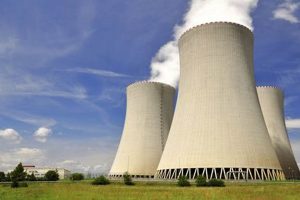
Environmental impact is intrinsically linked to the distinction between renewable and non-renewable thermal energy. The choice of thermal source significantly influences the extent and nature of environmental consequences. Non-renewable thermal sources, primarily fossil fuels, generate substantial greenhouse gas emissions during combustion. These emissions contribute to climate change, a phenomenon with far-reaching environmental consequences, including rising global temperatures, altered weather patterns, and sea-level rise. Furthermore, the extraction and transportation of fossil fuels present additional environmental risks, such as habitat disruption and potential for spills. For instance, coal mining can lead to deforestation and water contamination, while oil spills pose severe threats to marine ecosystems. Conversely, renewable thermal sources like geothermal and solar thermal offer significantly lower environmental impact. Geothermal systems utilize the Earth’s internal heat, producing minimal emissions. Solar thermal systems harness sunlight, a clean and abundant energy source. While the manufacturing of these systems requires energy and resources, their operational emissions are negligible compared to fossil fuel alternatives. This contrast is evident when comparing a geothermal power plant, which produces minimal air pollution, to a coal-fired power plant, a major source of greenhouse gases and particulate matter.
The practical significance of understanding this connection lies in the ability to make informed decisions regarding energy production and consumption. Transitioning from fossil fuel-based heating to geothermal or solar thermal systems reduces carbon footprints, mitigates air pollution, and contributes to a healthier environment. For example, replacing a natural gas furnace with a geothermal heat pump significantly lowers a building’s greenhouse gas emissions. Moreover, promoting sustainable land management practices within the biomass sector ensures responsible sourcing and minimizes negative environmental impacts associated with deforestation and unsustainable harvesting. Recognizing the environmental consequences of different thermal energy sources empowers individuals, communities, and governments to make sustainable choices that support a cleaner and healthier planet. Adopting policies that incentivize renewable thermal technologies and disincentivize fossil fuel use accelerates this transition towards a more sustainable energy future.
The environmental impact of thermal energy serves as a crucial criterion for evaluating its sustainability. Minimizing reliance on non-renewable sources, particularly fossil fuels, is essential for addressing climate change and preserving ecological integrity. Prioritizing renewable thermal solutions, coupled with responsible resource management and technological advancements, fosters a sustainable energy landscape that balances human needs with environmental protection. The long-term health of the planet hinges on recognizing and acting upon the fundamental connection between environmental impact and the choice between renewable and non-renewable thermal energy.
5. Resource Availability
Resource availability plays a defining role in the distinction between renewable and non-renewable thermal energy. Renewable sources, such as geothermal and solar, draw upon resources that are naturally replenished and effectively inexhaustible. Geothermal energy harnesses the Earth’s internal heat, a vast and continuously generated resource. Solar thermal systems utilize sunlight, an abundant and readily available energy source. The inherent availability of these resources ensures their long-term viability and reduces dependence on finite supplies. For instance, a geothermal power plant can operate indefinitely, drawing upon the Earth’s consistent internal heat, unlike a coal-fired power plant reliant on finite coal reserves.
Non-renewable thermal sources, primarily fossil fuels, face limitations imposed by finite resource availability. Coal, oil, and natural gas exist in limited quantities and are extracted at rates exceeding their natural replenishment. This imbalance creates resource scarcity and price volatility. The finite nature of these resources necessitates exploration, extraction, and processing, often with significant environmental and economic costs. For example, the increasing difficulty and expense of extracting oil from deepwater reserves illustrate the challenges posed by resource limitations. Moreover, reliance on these finite resources creates geopolitical dependencies and vulnerabilities, impacting energy security. Conversely, widespread adoption of solar thermal technologies reduces dependence on geographically concentrated fossil fuel reserves, enhancing energy independence and security.
The practical implications of resource availability are substantial. Sustainable energy strategies prioritize renewable resources due to their continuous availability. Investing in geothermal or solar thermal infrastructure provides long-term energy security and reduces vulnerability to resource depletion and price fluctuations. Recognizing the finite nature of fossil fuels necessitates a transition towards renewable alternatives. This transition, driven by resource availability concerns, fosters innovation in renewable energy technologies and promotes responsible resource management. Ultimately, understanding the relationship between resource availability and the renewable/non-renewable classification of thermal energy is crucial for informed decision-making regarding energy infrastructure development, policy implementation, and individual energy choices. The long-term sustainability of energy systems hinges on prioritizing readily available renewable resources and mitigating the limitations imposed by finite, non-renewable resources.
6. Long-term viability
Long-term viability is a critical factor in assessing the sustainability of thermal energy sources and distinguishing between renewable and non-renewable options. It considers the ability of a resource to meet energy demands over extended periods without compromising future access or causing irreversible environmental damage. This perspective is essential for responsible energy planning and resource management.
- Resource Depletion:
Non-renewable thermal sources, such as fossil fuels, face inherent limitations due to finite reserves. Continued reliance on these resources inevitably leads to depletion, posing challenges for future energy security. Renewable sources, like geothermal and solar, offer greater long-term viability due to their continuous replenishment. For instance, a geothermal power plant can operate for decades without depleting its energy source, unlike a coal-fired plant reliant on finite coal reserves. This distinction highlights the long-term advantages of renewable thermal energy.
- Technological Advancements:
Long-term viability also considers the potential for technological advancements. Renewable thermal technologies, such as solar thermal collectors and geothermal heat pumps, benefit from ongoing research and development, leading to increased efficiency and cost reductions. This continuous improvement enhances their long-term competitiveness compared to non-renewable technologies, which often face diminishing returns on technological investment. For example, advancements in solar cell technology have dramatically reduced the cost of solar electricity, increasing its long-term viability as a primary energy source.
- Environmental Sustainability:
Long-term viability is inextricably linked to environmental sustainability. Non-renewable thermal sources contribute to climate change and environmental degradation, impacting long-term ecological health and human well-being. Renewable sources offer a more sustainable path, minimizing environmental impact and preserving resources for future generations. For instance, widespread adoption of geothermal heating reduces reliance on fossil fuels, mitigating climate change and promoting long-term environmental sustainability. This consideration underscores the crucial role of renewable thermal energy in preserving the planet’s future.
- Economic Stability:
The long-term viability of thermal energy sources impacts economic stability. Reliance on finite, non-renewable resources creates price volatility and vulnerability to geopolitical events. Renewable sources, by contrast, offer greater price stability and energy independence, promoting long-term economic security. For example, investing in domestic geothermal energy reduces dependence on imported fossil fuels, shielding economies from price fluctuations and enhancing long-term stability.
These facets demonstrate the crucial link between long-term viability and the choice between renewable and non-renewable thermal energy. Prioritizing renewable sources, such as geothermal and solar, ensures long-term energy security, promotes environmental sustainability, fosters technological advancement, and enhances economic stability. Recognizing the limitations of non-renewable resources and embracing the long-term benefits of renewable alternatives is essential for building a sustainable energy future.
Frequently Asked Questions
This section addresses common inquiries regarding the classification of thermal energy as renewable or non-renewable. Clarity on this topic is essential for informed decision-making regarding energy choices.
Question 1: Is all heat considered renewable?
No, the renewability of heat depends entirely on its source. Heat derived from renewable sources like geothermal and solar is considered renewable. Heat generated from non-renewable sources, such as fossil fuels, is not.
Question 2: Why is geothermal energy considered renewable?
Geothermal energy harnesses heat from the Earth’s core, a continuously replenished resource. This constant replenishment classifies it as renewable.
Question 3: If biomass is technically replenishable, why is it sometimes classified as non-renewable?
While biomass can be replenished through sustainable forestry and agricultural practices, unsustainable harvesting practices can lead to depletion rates exceeding replenishment, effectively rendering it non-renewable in such contexts.
Question 4: What are the primary environmental benefits of using renewable thermal energy?
Utilizing renewable thermal sources, like geothermal and solar, significantly reduces greenhouse gas emissions compared to fossil fuels, mitigating climate change and air pollution.
Question 5: How does the distinction between renewable and non-renewable thermal energy impact energy security?
Reliance on non-renewable thermal sources creates dependence on finite resources and geopolitical vulnerabilities. Renewable sources enhance energy independence and long-term energy security.
Question 6: What role does technological advancement play in the viability of renewable thermal energy?
Ongoing research and development continually improve the efficiency and cost-effectiveness of renewable thermal technologies, enhancing their long-term viability and competitiveness.
Understanding the distinction between renewable and non-renewable thermal energy is crucial for making informed energy choices that support both present needs and future sustainability.
For further exploration, the following section delves into specific examples of renewable and non-renewable thermal energy sources and their applications.
Conclusion
The examination of thermal energy’s renewability reveals a crucial distinction based on its source. Geothermal and solar thermal energy, derived from continuous natural processes, represent renewable and sustainable options. Conversely, thermal energy generated from finite resources like fossil fuels and unsustainably managed biomass falls under the non-renewable category. This differentiation has profound implications for environmental sustainability, energy security, and long-term resource management. The inherent limitations of non-renewable sources, coupled with their environmental impact, underscore the critical need for transitioning towards renewable alternatives.
The future of energy hinges on embracing and expanding the utilization of renewable thermal resources. Strategic investments in geothermal and solar technologies, coupled with responsible resource management practices, are essential for mitigating climate change and ensuring long-term energy security. A comprehensive understanding of thermal energy’s dual naturerenewable and non-renewableempowers informed decision-making and fosters a sustainable energy future for generations to come.