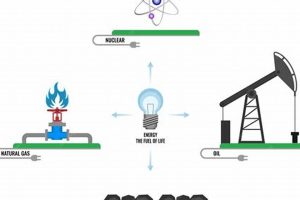
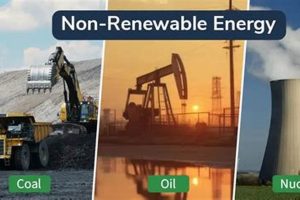
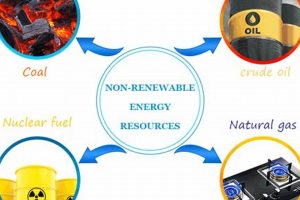
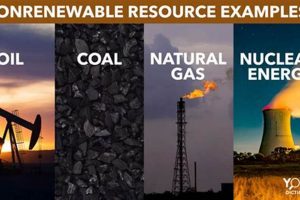
Non-renewable energy resources originate from finite geological processes that take millions of years to form. These resources, including fossil fuels (coal, oil, and natural gas) and nuclear fuels (uranium), are currently the primary global energy source. Fossil fuels are formed from the remains of ancient plants and animals subjected to intense heat and pressure over vast periods. Nuclear fuels are derived from radioactive elements found in the Earth’s crust.
Understanding the nature of finite energy resources is critical for informed decision-making regarding energy consumption and future energy infrastructure. While these resources have powered industrialization and societal development for centuries, their extraction and use have significant environmental and geopolitical consequences. The combustion of fossil fuels releases greenhouse gases, contributing to climate change, while nuclear power generation raises concerns about waste disposal and safety. Historically, access to and control of these resources have played a pivotal role in international relations and economic development.
This article will delve deeper into specific non-renewable energy sources, examining their formation, extraction methods, usage patterns, environmental impacts, and the ongoing transition towards more sustainable alternatives.
Practical Steps for Engaging with Non-Renewable Energy Information
Informed engagement with the complexities of non-renewable energy requires understanding its various facets. These practical steps offer guidance for navigating this crucial topic.
Tip 1: Understand Resource Limits: Recognize that fossil fuels (coal, oil, and natural gas) and nuclear fuels (uranium) exist in finite quantities. Depletion rates and projected reserves should be considered when evaluating long-term energy strategies.
Tip 2: Evaluate Environmental Impacts: Consider the environmental consequences associated with extraction, processing, and consumption. Air and water pollution, habitat destruction, and greenhouse gas emissions are significant factors.
Tip 3: Research Energy Efficiency: Explore strategies for reducing energy consumption. Improved building insulation, efficient appliances, and sustainable transportation options contribute to responsible resource management.
Tip 4: Investigate Renewable Alternatives: Learn about the development and implementation of renewable energy sources such as solar, wind, hydro, and geothermal. These offer pathways towards a more sustainable energy future.
Tip 5: Analyze Geopolitical Factors: Recognize the global implications of non-renewable resource distribution. International relations, economic policies, and energy security are intertwined with access to these resources.
Tip 6: Support Informed Policy Decisions: Engage in public discourse and advocate for policies that promote responsible resource management, environmental protection, and the transition to sustainable energy solutions.
Tip 7: Stay Updated on Technological Advancements: Follow developments in carbon capture technologies, advanced nuclear reactor designs, and other innovations that may mitigate the impacts of non-renewable energy use.
By understanding resource limitations, environmental impacts, and the potential of alternative energy sources, informed choices can be made that contribute to a more sustainable energy landscape. These choices necessitate individual actions, community engagement, and supportive policy frameworks.
This understanding lays the foundation for a comprehensive approach to energy consumption and paves the way for informed decisions about future energy transitions.
1. Finite Resources

The finite nature of non-renewable energy sources is a fundamental aspect of understanding their role in the global energy landscape. These resources, formed over geological timescales far exceeding human lifespans, exist in limited quantities. This inherent limitation presents significant challenges and opportunities as societies grapple with increasing energy demands and the imperative of environmental sustainability.
- Resource Depletion:
Continuous extraction and consumption inevitably lead to the depletion of non-renewable resources. As readily accessible reserves diminish, extraction becomes more complex and costly, potentially leading to price volatility and supply disruptions. The depletion timeline varies depending on the resource and consumption rates, but the finite nature necessitates long-term planning for alternative energy sources.
- Geological Distribution:
Non-renewable resources are not uniformly distributed across the globe. This uneven distribution has geopolitical implications, influencing international relations, trade agreements, and economic disparities. Control over these resources can become a source of both power and conflict, impacting global stability.
- Environmental Consequences:
Extraction and utilization of finite resources often have substantial environmental impacts. Fossil fuel combustion releases greenhouse gases, contributing to climate change. Mining activities can lead to habitat destruction and water contamination. Nuclear fuel production and disposal present unique challenges related to radioactive waste management and potential environmental contamination.
- Economic Dependence:
Many economies remain heavily reliant on non-renewable resources for energy production and industrial processes. This dependence creates vulnerabilities to price fluctuations and supply disruptions. Transitioning to alternative energy sources requires significant investments in infrastructure and technology, but it also presents opportunities for economic diversification and growth.
The finite nature of these resources underscores the need for responsible management, efficient utilization, and a strategic transition towards renewable energy alternatives. Understanding the limitations and implications of finite resources is essential for developing sustainable energy policies and ensuring long-term energy security.
2. Fossil Fuels

Fossil fuels represent a dominant category within non-renewable energy sources, comprising coal, oil, and natural gas. Formed from the remains of ancient organisms over millions of years, these resources have become integral to modern industrial society, powering transportation, electricity generation, and various industrial processes. Understanding their formation, usage, and implications is crucial for comprehending the broader context of non-renewable energy.
- Formation Processes
Fossil fuels originate from organic matter subjected to intense heat and pressure over geological timescales. Coal forms from plant matter in swampy environments, while oil and natural gas derive from marine organisms buried beneath layers of sediment. These processes concentrate energy derived from ancient sunlight, which is then released through combustion.
- Extraction and Utilization
Extraction methods vary depending on the type of fossil fuel and its geological location. Coal is mined, while oil and natural gas are extracted through drilling. These resources are primarily used for electricity generation, transportation fuels, and heating. Oil also serves as a crucial raw material for various petrochemical products.
- Environmental Impacts
The combustion of fossil fuels releases greenhouse gases, primarily carbon dioxide, contributing significantly to climate change. Extraction processes can disrupt ecosystems through habitat destruction and land degradation. Oil spills pose a significant threat to marine environments. Addressing these environmental impacts is a critical challenge associated with fossil fuel use.
- Economic Significance
Fossil fuels play a dominant role in the global economy, driving industrial processes and transportation networks. The availability and price of these resources have profound impacts on national economies and international trade. However, the finite nature of these reserves and the growing need to transition to sustainable energy sources present both economic challenges and opportunities.
Fossil fuels, while essential for current energy systems, present significant long-term challenges due to their finite nature and environmental consequences. Understanding these aspects is essential for developing sustainable energy strategies that mitigate environmental risks and ensure long-term energy security by transitioning towards renewable alternatives.
3. Nuclear Fuels

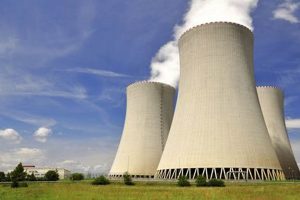
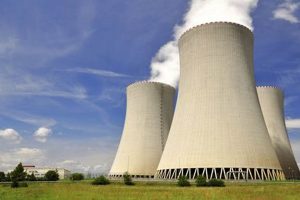
Nuclear fuels, primarily uranium, constitute a distinct category within non-renewable energy sources. Unlike fossil fuels formed from organic matter, uranium originates from specific geological processes. While nuclear energy avoids direct greenhouse gas emissions during electricity generation, its non-renewable nature, waste disposal challenges, and potential safety concerns warrant careful consideration within the broader energy discourse.
Uranium, a naturally occurring radioactive element, undergoes controlled nuclear fission in reactors to generate heat, subsequently used for electricity production. This process distinguishes nuclear energy from fossil fuel combustion, offering a carbon-free electricity source. However, uranium reserves are finite, raising similar resource depletion concerns as fossil fuels. Furthermore, the spent nuclear fuel remains radioactive for extended periods, requiring specialized storage and disposal solutions. The risk of accidents, as exemplified by Chernobyl and Fukushima, underscores the critical importance of stringent safety protocols within the nuclear power industry. Countries like France demonstrate significant reliance on nuclear power for electricity generation, highlighting its role in diversifying energy portfolios and reducing carbon emissions. However, public perception and waste management challenges continue to influence policy decisions surrounding nuclear energy development.
The inclusion of nuclear fuels within the discussion of non-renewable energy sources highlights the multifaceted nature of energy production. Nuclear energy offers a carbon-free alternative to fossil fuels but introduces unique considerations regarding resource availability, waste management, and safety. A comprehensive understanding of these factors is essential for informed decision-making and the development of sustainable energy strategies that balance environmental protection, energy security, and economic viability.
4. Environmental Impact
The environmental impact of non-renewable energy sources represents a significant concern in the context of global sustainability. Extraction, processing, and utilization of these resources contribute to a range of environmental challenges, impacting air and water quality, ecosystems, and global climate patterns. Understanding these impacts is crucial for informed decision-making regarding energy production and consumption.
Combustion of fossil fuels (coal, oil, and natural gas) releases greenhouse gases, primarily carbon dioxide, into the atmosphere. This contributes to the greenhouse effect, leading to global warming and climate change. Observable consequences include rising global temperatures, altered precipitation patterns, and increased frequency of extreme weather events. Furthermore, the extraction processes associated with fossil fuels, such as mining and drilling, can disrupt ecosystems, fragment habitats, and contaminate water sources. Oil spills, while accidental, pose substantial threats to marine life and coastal environments. The extraction and processing of nuclear fuels, while not directly emitting greenhouse gases, generate radioactive waste requiring long-term storage and careful management to prevent environmental contamination. The potential for accidents at nuclear power plants, though statistically low, carries significant risks of widespread environmental damage, as demonstrated by historical events.
Mitigating the environmental impacts of non-renewable energy sources requires a multifaceted approach. Transitioning towards renewable energy alternatives, such as solar, wind, and hydropower, offers a crucial pathway to reducing greenhouse gas emissions and minimizing ecological damage. Improving energy efficiency in various sectors, from transportation to building design, can lessen reliance on non-renewable resources. Developing and implementing carbon capture and storage technologies offers a potential means of reducing emissions from fossil fuel power plants. Ultimately, a sustainable energy future necessitates a shift away from non-renewable resources towards cleaner, renewable alternatives combined with responsible resource management and technological innovation.
5. Energy Security

Energy security is intrinsically linked to the reliance on non-renewable energy sources. Defined as the uninterrupted availability of energy sources at an affordable price, energy security represents a complex interplay of geopolitical, economic, and environmental factors. The finite nature and uneven global distribution of non-renewable resources, particularly fossil fuels, contribute significantly to energy security challenges. Nations heavily dependent on imports of these resources face vulnerabilities to supply disruptions, price volatility, and geopolitical instability. This dependence can influence foreign policy decisions and create economic dependencies that impact national interests. The concentration of significant oil and gas reserves in specific regions has historically led to geopolitical tensions and conflicts, underscoring the strategic importance of these resources.
Real-world examples illustrate the connection between energy security and non-renewable resources. The oil crises of the 1970s demonstrated the disruptive potential of supply disruptions, impacting global economies and highlighting the vulnerability of nations reliant on imported oil. More recently, geopolitical events involving major oil and gas producing countries have led to price spikes and renewed focus on energy diversification strategies. The ongoing transition towards renewable energy sources is, in part, driven by the desire to enhance energy security by reducing dependence on finite and geographically concentrated resources. Investing in domestic renewable energy capacity can enhance national energy independence and mitigate the risks associated with reliance on volatile global markets.
Understanding the relationship between energy security and non-renewable resources is crucial for developing informed energy policies. Diversification of energy sources, investment in renewable energy technologies, and improvements in energy efficiency represent key strategies for enhancing energy security. International cooperation and strategic partnerships can play a crucial role in managing shared resources and mitigating the risks associated with resource scarcity and geopolitical instability. Addressing energy security concerns requires a long-term perspective that considers not only immediate needs but also the transition towards a more sustainable and secure energy future. The finite nature of non-renewable resources necessitates a shift towards alternative energy sources and a fundamental rethinking of energy consumption patterns.
6. Economic Implications
The economic implications of non-renewable energy sources are multifaceted and deeply intertwined with global markets, national economies, and societal development. Understanding these implications requires considering the entire lifecycle of these resources, from extraction and processing to consumption and waste management. The finite nature of these resources introduces additional economic complexities related to resource depletion, price volatility, and the transition to alternative energy sources.
- Price Volatility and Market Fluctuations
Non-renewable energy markets, particularly oil and natural gas, are subject to significant price fluctuations influenced by geopolitical events, supply disruptions, and changing demand. These price swings can have cascading effects on national economies, impacting transportation costs, manufacturing expenses, and consumer prices. Price volatility creates uncertainty for businesses and consumers, making long-term economic planning challenging.
- Economic Dependence on Resource-Rich Nations
The uneven distribution of non-renewable resources globally creates economic dependencies between resource-consuming and resource-producing nations. This dependence can influence international relations, trade agreements, and foreign policy decisions. Nations heavily reliant on imported fossil fuels may face economic vulnerabilities due to price fluctuations and supply disruptions, impacting energy security and economic stability.
- Job Creation and Economic Activity in Extraction Industries
Extraction and processing of non-renewable resources generate economic activity and employment opportunities in related industries. Mining, drilling, refining, and transportation sectors create jobs and contribute to local and national economies. However, these industries often face challenges related to worker safety, environmental regulations, and the long-term sustainability of employment as resources deplete and economies transition towards renewable energy.
- Investment and Innovation in Energy Transition
The transition away from non-renewable energy sources towards renewable alternatives requires substantial investment in research, development, and infrastructure. Developing renewable energy technologies, building new power grids, and implementing energy efficiency measures create economic opportunities in emerging sectors. Governments and private investors play a crucial role in financing this transition and fostering innovation in sustainable energy solutions.
The economic implications of non-renewable energy sources extend beyond immediate market dynamics. The long-term costs associated with environmental damage, climate change mitigation, and healthcare related to pollution must be considered. Transitioning to a sustainable energy future presents both economic challenges and opportunities. Investing in renewable energy, improving energy efficiency, and developing innovative technologies can create new economic growth, enhance energy security, and mitigate the environmental risks associated with continued reliance on finite resources. A comprehensive understanding of these economic implications is crucial for shaping effective energy policies and ensuring a stable and sustainable energy future.
7. Transitional Challenges
Transitioning away from non-renewable energy sources presents significant challenges across interconnected sectors. These challenges stem from the deeply ingrained role of fossil fuels and nuclear energy in existing infrastructure, economic systems, and societal patterns. Addressing these transitional complexities requires a comprehensive understanding of the technical, economic, and social dimensions involved.
One primary challenge lies in the sheer scale of existing energy infrastructure designed around non-renewable resources. Power plants, transportation networks, and industrial processes often rely heavily on fossil fuels. Replacing this infrastructure with renewable energy alternatives requires substantial investment and time. Furthermore, the intermittent nature of some renewable sources, such as solar and wind, necessitates the development of robust energy storage solutions and grid management systems. Economic dependence on non-renewable resource extraction industries poses another significant challenge. Transitioning to renewable energy may lead to job displacement in traditional energy sectors, requiring retraining and economic diversification strategies to support affected communities. Social acceptance of new energy technologies and infrastructure also plays a vital role. Public perception, community engagement, and addressing potential concerns regarding land use, visual impacts, and environmental effects are crucial for successful implementation. Real-world examples, such as the challenges faced by coal-dependent regions transitioning to renewable energy economies, illustrate the complexity of this process.
Navigating the transition towards a sustainable energy future requires proactive planning, policy frameworks that incentivize renewable energy development, and international cooperation to share best practices and accelerate technological innovation. Addressing workforce transition, ensuring equitable access to clean energy, and managing potential environmental impacts of new technologies are essential components of a successful energy transition. The inherent challenges associated with transitioning away from non-renewable energy underscore the urgency and complexity of this global imperative. A comprehensive understanding of these challenges is crucial for developing effective strategies that ensure a smooth, equitable, and sustainable transition to a future powered by renewable energy sources.
Frequently Asked Questions
This section addresses common inquiries regarding non-renewable energy sources, providing concise and informative responses.
Question 1: What are the primary types of non-renewable energy sources?
The primary types include fossil fuels (coal, oil, and natural gas) and nuclear fuels (primarily uranium).
Question 2: Why are these resources considered “non-renewable”?
Their formation takes millions of years, making replenishment within a human timeframe impossible. Current consumption rates significantly exceed natural replenishment.
Question 3: What is the main environmental concern associated with using fossil fuels?
Combustion of fossil fuels releases greenhouse gases, contributing significantly to climate change and associated environmental impacts.
Question 4: What are the advantages of using nuclear energy compared to fossil fuels?
Nuclear power generation does not directly emit greenhouse gases. However, it presents challenges related to nuclear waste disposal and potential safety risks.
Question 5: How does reliance on non-renewable energy impact energy security?
Uneven global distribution and finite nature of these resources create dependencies and vulnerabilities related to supply disruptions and price volatility, impacting national energy security.
Question 6: What are the key challenges in transitioning away from non-renewable energy?
Significant challenges include replacing existing infrastructure, managing economic impacts on resource-dependent communities, developing reliable renewable energy technologies, and ensuring public acceptance of new energy solutions.
Understanding the complexities of non-renewable energy sources, including their environmental impacts and the challenges of transitioning towards alternative sources, is essential for informed decision-making and responsible energy consumption.
This FAQ section provides a foundational understanding. Further research and exploration are encouraged for a more comprehensive understanding of this complex topic and its global implications.
Conclusion
Exploration of non-renewable energy sources reveals a complex interplay of factors. Finite availability, environmental consequences, economic implications, and geopolitical considerations shape the landscape of these resources. Fossil fuels, while currently dominant, present long-term sustainability challenges due to their contribution to climate change and eventual depletion. Nuclear fuels offer a carbon-free alternative but introduce distinct concerns regarding waste disposal and safety. The uneven distribution of these resources globally contributes to energy security vulnerabilities and geopolitical tensions. Transitioning towards renewable energy alternatives presents both opportunities and challenges, requiring substantial investments in infrastructure, technological development, and policy frameworks.
A sustainable energy future necessitates a fundamental shift away from dependence on non-renewable resources. Informed decision-making, driven by a comprehensive understanding of resource limitations, environmental impacts, and the potential of renewable alternatives, is crucial for navigating this transition. The choices made today will profoundly impact future generations, shaping not only energy systems but also the planet’s environmental and economic well-being. Continued exploration of sustainable energy solutions, coupled with responsible resource management and technological innovation, is essential for securing a sustainable and prosperous future.