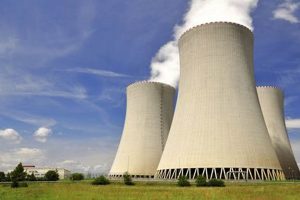
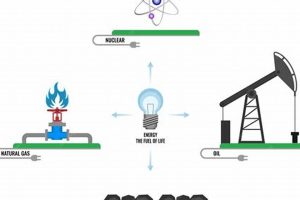
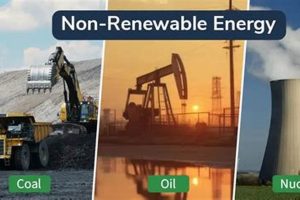
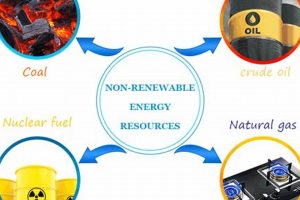
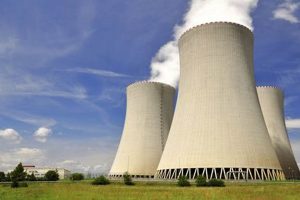
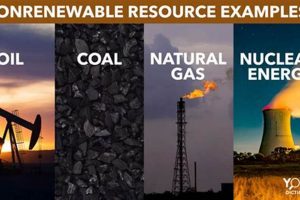
Determining the optimal energy source among non-renewable options requires careful consideration of several factors, including energy density, availability, cost, and environmental impact. For instance, while certain fossil fuels offer high energy output and established infrastructure, they also contribute significantly to greenhouse gas emissions. Nuclear power, another non-renewable source, provides substantial energy with minimal carbon emissions but presents challenges related to waste disposal and safety.
Historically, readily available and energy-dense resources like coal and oil fueled industrialization and global development. These energy sources enabled significant advancements in transportation, manufacturing, and power generation, shaping modern society. However, growing awareness of their environmental consequences has led to a search for more sustainable alternatives. Understanding the historical reliance on these resources provides context for the current energy transition.
This article will further examine specific non-renewable energy sources, analyzing their individual advantages and disadvantages, and discussing their roles in the global energy landscape. Topics will include a detailed examination of fossil fuels (coal, oil, and natural gas), nuclear power, and the ongoing research into mitigating their environmental impacts.
Tips for Utilizing Non-Renewable Energy Sources Responsibly
Given the finite nature and environmental impact of non-renewable energy sources, responsible utilization strategies are crucial. The following tips offer guidance for maximizing efficiency and minimizing negative consequences.
Tip 1: Prioritize Energy Efficiency: Implementing energy-efficient technologies and practices reduces overall energy demand, lessening reliance on non-renewable resources. Examples include improved building insulation, energy-efficient appliances, and optimized industrial processes.
Tip 2: Invest in Carbon Capture and Storage (CCS): CCS technologies capture carbon dioxide emissions from power plants and industrial facilities, preventing their release into the atmosphere. This can mitigate the environmental impact of fossil fuel use.
Tip 3: Explore Advanced Nuclear Reactor Designs: Next-generation nuclear reactors offer enhanced safety features and improved waste management capabilities, potentially making nuclear power a more sustainable option.
Tip 4: Support Research and Development: Continued investment in research and development is essential for discovering innovative technologies and solutions related to non-renewable energy sources. This includes exploring advanced extraction techniques and developing cleaner combustion methods.
Tip 5: Diversify Energy Portfolios: Relying on a mix of energy sources, including renewables, reduces dependence on any single non-renewable resource and enhances energy security.
Tip 6: Implement Stringent Environmental Regulations: Robust regulations are crucial for minimizing the environmental impact of non-renewable energy extraction and utilization. These regulations should address air and water quality, waste disposal, and land reclamation.
Adopting these strategies can contribute to a more sustainable approach to energy production and consumption, minimizing the negative consequences associated with non-renewable resources while bridging the gap to a cleaner energy future.
These tips offer actionable steps towards responsible energy use. The concluding section will reiterate the importance of balancing energy needs with environmental stewardship.
1. Energy Density

Energy density plays a crucial role in determining the viability of a non-renewable energy source. A higher energy density signifies that a smaller volume or mass of fuel can produce a substantial amount of energy. This characteristic has significant implications for transportation, storage, and infrastructure requirements. For example, the high energy density of gasoline makes it suitable for powering vehicles, while the lower energy density of coal necessitates large-scale transportation and storage facilities for power plants. The relationship between energy density and practicality influences resource selection and overall energy efficiency.
Consider the contrast between diesel and natural gas in transportation. Diesel’s higher energy density allows vehicles to travel longer distances with smaller fuel tanks, making it advantageous for long-haul trucking. Natural gas, despite burning cleaner, requires larger, heavier tanks to achieve comparable range, limiting its practicality in certain transportation sectors. Similarly, in electricity generation, the high energy density of uranium makes nuclear power a compelling option, requiring significantly less fuel than a coal-fired plant with equivalent output. These practical considerations underscore the importance of energy density in evaluating energy sources.
Understanding the implications of energy density provides a critical lens for assessing the effectiveness and feasibility of various non-renewable energy sources. While environmental impact and resource availability are essential factors, energy density significantly influences infrastructure needs, transportation logistics, and overall system efficiency. Balancing these considerations is crucial for developing sustainable energy strategies for the future.
2. Environmental Impact

Evaluating the environmental impact of non-renewable energy sources is paramount for responsible resource utilization. This assessment involves examining various facets, including greenhouse gas emissions, air and water pollution, land use changes, and waste disposal. Understanding these environmental consequences is crucial for determining the long-term sustainability of different energy sources and informing decisions about energy policy and resource management.
- Greenhouse Gas Emissions
Combustion of fossil fuels (coal, oil, and natural gas) releases significant amounts of greenhouse gases, primarily carbon dioxide, into the atmosphere. These emissions contribute to climate change, a significant environmental challenge with global consequences. The varying levels of greenhouse gas emissions from different fossil fuels are a critical factor in determining their overall environmental impact. For example, natural gas combustion produces less carbon dioxide per unit of energy than coal, but methane leaks during natural gas extraction and transportation can offset this advantage.
- Air and Water Pollution
Extraction, processing, and utilization of non-renewable energy sources can lead to air and water pollution. Coal mining, for instance, can contaminate water sources with heavy metals and acid mine drainage. Fossil fuel combustion releases pollutants such as sulfur dioxide and nitrogen oxides, contributing to acid rain and respiratory problems. Nuclear power generation, while not emitting greenhouse gases during operation, carries risks associated with radioactive waste disposal and potential accidental releases of radioactive materials, impacting both air and water quality.
- Land Use Change
Extraction of non-renewable resources often necessitates significant land use changes. Mining operations, for example, can lead to deforestation, habitat destruction, and soil erosion. Oil and gas drilling can also disrupt ecosystems and fragment wildlife habitats. The scale of land use change varies depending on the resource and extraction method, influencing the overall environmental footprint of the energy source.
- Waste Disposal
Non-renewable energy sources generate waste products that require careful management. Fossil fuel combustion produces ash and other byproducts that need proper disposal. Nuclear power generation creates radioactive waste, which requires long-term storage solutions to prevent environmental contamination. The safe and responsible disposal of waste materials is a critical aspect of mitigating the environmental impact of non-renewable energy sources.
Considering these environmental impacts is integral to evaluating the overall sustainability of different non-renewable energy sources. Minimizing these impacts through technological advancements, regulatory frameworks, and responsible resource management strategies is essential for a sustainable energy future. The choice of a “best” non-renewable source depends on a careful balancing of these environmental considerations against energy security, economic feasibility, and technological practicality.
3. Resource Availability
Resource availability plays a pivotal role in determining the viability of a non-renewable energy source. Abundant and easily accessible resources are generally more economically advantageous, contributing to lower energy costs. Conversely, scarce or geographically isolated resources necessitate higher extraction and transportation costs, impacting overall energy prices. The distribution and accessibility of resources also influence energy security, as nations with limited domestic resources may face greater dependence on imports, potentially increasing vulnerability to geopolitical instability.
Consider the global distribution of oil reserves. A significant portion of proven oil reserves is concentrated in a relatively small number of countries, leading to geopolitical implications and price volatility. Nations with limited domestic oil reserves rely heavily on imports, impacting their energy security and economic stability. In contrast, countries with abundant coal reserves may prioritize coal-fired power generation due to its readily available fuel source, despite its higher environmental impact. These examples illustrate how resource availability significantly influences energy strategies and national energy policies.
Technological advancements can influence resource accessibility. Hydraulic fracturing, for example, has enabled access to previously uneconomical shale gas reserves, significantly increasing natural gas availability in certain regions. However, these technological advancements often come with environmental trade-offs, such as potential groundwater contamination and increased water usage. Therefore, evaluating resource availability requires considering not only the quantity of resources but also the environmental and economic costs associated with accessing and utilizing them. A comprehensive understanding of resource availability is crucial for informed decision-making regarding energy resource management and sustainable energy development.
4. Economic Feasibility

Economic feasibility is a critical factor in determining the viability of any energy source, including non-renewable options. A comprehensive economic assessment considers the entire lifecycle cost, from exploration and extraction to processing, transportation, and utilization. This analysis also encompasses infrastructure development, operational expenses, and potential environmental remediation costs. Understanding the economic implications is crucial for informed decision-making regarding energy investments and policy development.
- Capital Costs
Capital costs represent the initial investment required for establishing energy infrastructure. These costs vary significantly depending on the energy source. Nuclear power plants, for example, typically require substantial upfront investment due to their complex engineering and safety features. In contrast, natural gas power plants generally have lower capital costs but higher ongoing fuel expenses. Analyzing capital costs is crucial for assessing the long-term financial viability of different energy projects.
- Operating and Maintenance Costs
Ongoing operating and maintenance costs contribute significantly to the overall economic feasibility of an energy source. These costs encompass fuel expenses, labor, repairs, and regular maintenance. For instance, coal-fired power plants have relatively high operating costs due to the ongoing fuel supply and the need for pollution control equipment. Nuclear power plants, while having lower fuel costs, may incur higher maintenance expenses due to the complex technology involved.
- External Costs
External costs represent the environmental and social consequences associated with energy production and consumption. These costs are not always reflected in market prices but are essential for a comprehensive economic evaluation. For example, air pollution from fossil fuel combustion can lead to health problems, increasing healthcare costs and reducing productivity. Climate change impacts, such as sea-level rise and extreme weather events, also impose significant economic burdens. Incorporating these external costs into economic assessments provides a more holistic view of the true cost of different energy sources.
- Market Fluctuations and Energy Security
The economic feasibility of non-renewable energy sources is also influenced by market fluctuations and geopolitical factors. Oil prices, for instance, are subject to global supply and demand dynamics, creating price volatility and impacting the economic viability of oil-dependent industries. Energy security considerations also play a role, as reliance on imported energy sources can make a nation vulnerable to price shocks and supply disruptions. Diversification of energy sources and development of domestic energy resources can enhance energy security and economic stability.
Evaluating the economic feasibility of non-renewable energy sources requires a comprehensive analysis of capital costs, operating expenses, external costs, and market dynamics. Incorporating these factors into decision-making processes is essential for developing sustainable and economically sound energy strategies. The “best” non-renewable energy source from an economic standpoint is not solely determined by the lowest immediate cost but rather by the lowest lifecycle cost, including environmental and social considerations. A balanced approach considering both economic and environmental factors is crucial for long-term energy sustainability.
5. Technological Maturity
Technological maturity plays a crucial role in determining the viability and effectiveness of non-renewable energy sources. A mature technology typically exhibits higher efficiency, improved safety protocols, and reduced environmental impact compared to less developed technologies. This maturity level influences factors such as extraction efficiency, energy conversion rates, pollution control, and waste management. For example, advancements in horizontal drilling and hydraulic fracturing have significantly increased the accessibility of shale gas and tight oil resources, previously considered uneconomical. Similarly, advancements in nuclear reactor designs offer enhanced safety features and improved waste management capabilities compared to earlier generations of reactors. The level of technological maturity significantly impacts the overall cost, safety, and environmental footprint of an energy source.
Consider the evolution of coal-fired power plants. Early coal plants lacked sophisticated pollution control technologies, resulting in significant air pollution. Modern coal plants incorporate technologies like flue-gas desulfurization and selective catalytic reduction systems to minimize emissions of sulfur dioxide and nitrogen oxides. This technological advancement demonstrates how increased maturity can mitigate the environmental impact of non-renewable energy sources. Similarly, advancements in carbon capture and storage (CCS) technologies offer the potential to further reduce greenhouse gas emissions from fossil fuel power plants. The ongoing development and implementation of these technologies are crucial for improving the sustainability of non-renewable energy use.
The concept of “best” non-renewable energy source becomes nuanced when considering technological maturity. A resource with abundant reserves but underdeveloped technology may be less viable than a resource with limited reserves but advanced, efficient technology. Furthermore, continuous technological advancements can shift the balance, making previously uneconomical resources viable and improving the environmental performance of existing technologies. Evaluating technological maturity, alongside factors like resource availability, economic feasibility, and environmental impact, provides a comprehensive framework for assessing the overall sustainability and effectiveness of different non-renewable energy sources. Continuous investment in research and development is essential for driving technological advancements and shaping a more sustainable energy future. This ongoing progress influences the long-term viability and environmental impact of non-renewable energy sources, highlighting the dynamic interplay between technological advancement and responsible resource utilization.
Frequently Asked Questions
This section addresses common inquiries regarding the evaluation and utilization of non-renewable energy sources.
Question 1: What factors determine the “best” non-renewable energy source?
Several factors contribute to this complex determination, including energy density, environmental impact, resource availability, economic feasibility, and technological maturity. No single source universally qualifies as “best,” as the optimal choice depends on specific circumstances and priorities.
Question 2: Is natural gas a cleaner alternative to coal?
Natural gas combustion generally produces fewer greenhouse gas emissions and air pollutants than coal. However, methane leaks during natural gas extraction and transportation can negate some of these advantages. A comprehensive lifecycle assessment is necessary for accurate comparison.
Question 3: How does nuclear energy compare to fossil fuels in terms of environmental impact?
Nuclear power generation produces minimal greenhouse gas emissions during operation. However, it presents challenges related to radioactive waste disposal and the potential for accidents. Fossil fuels, while readily available, contribute significantly to air pollution and greenhouse gas emissions.
Question 4: What role does technological advancement play in the utilization of non-renewable energy sources?
Technological advancements can significantly improve the efficiency, safety, and environmental performance of non-renewable energy utilization. Examples include advanced drilling techniques for accessing unconventional fossil fuels and improved reactor designs for enhanced nuclear safety. Continued research and development are crucial for mitigating the environmental impact of these resources.
Question 5: What are the economic considerations associated with different non-renewable energy sources?
Economic factors include capital costs for infrastructure development, operating and maintenance expenses, fuel costs, and potential environmental remediation costs. Market fluctuations and energy security considerations also play significant roles in economic feasibility.
Question 6: How does resource availability influence energy choices?
Resource availability affects energy security and cost. Nations with limited domestic resources may rely on imports, increasing vulnerability to price fluctuations and geopolitical instability. Abundant resources can contribute to lower energy costs but may incentivize continued reliance on less environmentally friendly options.
Understanding these frequently asked questions provides a foundation for a more informed discussion regarding the role and implications of non-renewable energy sources in the global energy landscape. Careful consideration of these factors is essential for developing responsible and sustainable energy strategies.
The following section will explore future trends and potential developments in the utilization of non-renewable energy sources.
Conclusion
Determining the optimal non-renewable energy source requires a nuanced understanding of several interconnected factors. This exploration has highlighted the importance of energy density, environmental impact, resource availability, economic feasibility, and technological maturity in evaluating these resources. While no single source emerges as universally “best,” careful consideration of these factors allows for informed decision-making tailored to specific circumstances and priorities. Balancing the immediate benefits of readily available energy with the long-term implications of environmental impact and resource depletion remains a central challenge.
The future of non-renewable energy utilization hinges on responsible resource management, continuous technological advancements, and a transition towards more sustainable energy alternatives. Further research and development are crucial for mitigating the environmental impact of existing non-renewable technologies and exploring innovative solutions for a cleaner energy future. A comprehensive approach, integrating environmental stewardship, economic considerations, and technological innovation, is essential for navigating the complexities of the global energy landscape and ensuring a sustainable energy future for generations to come. The ongoing dialogue surrounding energy choices necessitates informed perspectives and a commitment to responsible energy utilization.