Minimizing residential energy costs while reducing environmental impact is a growing priority. Several sustainable power sources offer viable alternatives to traditional fossil fuels, with relative cost-effectiveness depending on factors like geographic location, available sunlight, and wind resources. For example, a residence in a sunny region might find solar photovoltaic systems particularly economical, while a windy locale could benefit most from wind turbines.
Decentralized power generation through residential renewable energy systems offers numerous advantages. Reduced reliance on centralized grids enhances energy independence and resilience, particularly during grid outages. Furthermore, adopting sustainable energy solutions contributes significantly to lowering greenhouse gas emissions and mitigating climate change. Historically, high upfront costs presented a significant barrier to widespread residential adoption. However, advancements in technology and manufacturing, coupled with government incentives like tax credits and rebates, have made these systems increasingly affordable and accessible.
The following sections will delve into the specifics of various residential renewable energy options, comparing their cost-effectiveness, installation requirements, and long-term benefits to provide a comprehensive guide for homeowners seeking sustainable energy solutions.
Tips for Minimizing Residential Energy Costs with Renewable Energy
Careful consideration of various factors is crucial for maximizing the economic benefits of renewable energy systems. The following tips offer guidance on optimizing cost-effectiveness and ensuring a successful transition to sustainable home energy.
Tip 1: Conduct a Thorough Energy Audit: A professional energy assessment can identify areas of energy waste within a home and provide tailored recommendations for improvement. This helps determine the most effective renewable energy solutions based on individual energy consumption patterns.
Tip 2: Explore Available Incentives: Many governments offer financial incentives such as tax credits, rebates, and grants to encourage the adoption of renewable energy systems. Thorough research into available programs can significantly reduce upfront costs.
Tip 3: Consider System Size and Scalability: Accurately estimating energy needs is vital for selecting an appropriately sized system. Opting for a system that can be scaled up as future energy demands increase can provide long-term cost savings.
Tip 4: Compare Quotes from Multiple Installers: Obtaining quotes from several reputable installers allows for comparison of pricing, equipment quality, and warranty terms, ensuring the most competitive option is chosen.
Tip 5: Factor in Long-Term Maintenance Costs: While renewable energy systems generally require minimal maintenance, budgeting for occasional repairs and component replacements is essential for accurate cost projections.
Tip 6: Optimize Home Energy Efficiency: Implementing energy efficiency measures, such as insulation improvements and the use of energy-efficient appliances, reduces overall energy consumption and maximizes the return on investment from renewable energy systems.
Tip 7: Research Community Solar or Wind Projects: If individual installations are not feasible, participating in community-shared renewable energy projects offers an alternative way to benefit from clean energy and potential cost savings.
By implementing these strategies, homeowners can effectively minimize the costs associated with transitioning to renewable energy sources, while simultaneously reducing their environmental footprint.
This exploration of cost-effective renewable energy options for the home provides valuable insights for informed decision-making. The subsequent conclusion will summarize the key takeaways and emphasize the broader implications of embracing sustainable energy solutions.
1. Initial Cost

The initial cost of a renewable energy system represents a significant factor in determining its overall affordability and accessibility for homeowners. Understanding the various components contributing to upfront expenses is crucial for evaluating the long-term economic viability of different renewable energy options.
- Equipment Expenses
The purchase price of renewable energy equipment, such as solar panels, wind turbines, or geothermal heat pumps, constitutes a substantial portion of the initial investment. Equipment costs vary based on factors like technology, capacity, and manufacturer. For instance, high-efficiency solar panels may have a higher upfront cost but offer greater energy generation over their lifespan.
- Installation Costs
Professional installation is typically required for renewable energy systems. Installation expenses encompass labor, permits, electrical upgrades, and any necessary structural modifications. The complexity of the installation and the specific site conditions can significantly influence overall costs. Roof-mounted solar panel installations, for example, might involve additional costs for scaffolding or roof reinforcement.
- Balance of System Components
Beyond the primary equipment, various ancillary components are necessary for a complete renewable energy system. These include inverters, wiring, mounting hardware, and battery storage systems (if applicable). The cost of these balance-of-system components can add considerably to the overall initial investment.
- Permitting and Inspection Fees
Obtaining necessary permits and inspections from local authorities is a prerequisite for installing renewable energy systems. These fees vary depending on local regulations and the specific type of system being installed. While often a smaller component of the overall cost, permitting fees should be factored into budget planning.
Careful consideration of these initial cost components is essential for homeowners evaluating the affordability of various renewable energy options. While a lower initial cost might appear attractive, assessing long-term operational costs, potential energy savings, and available incentives provides a more comprehensive understanding of the true cost of ownership and helps determine the most economically viable long-term solution.
2. Return on Investment

Return on investment (ROI) is a critical metric for evaluating the long-term financial viability of renewable energy systems. While some renewable energy options may have higher upfront costs, their potential for long-term energy savings and other financial benefits can result in a substantial ROI over time. Understanding the factors influencing ROI is essential for homeowners seeking cost-effective and sustainable energy solutions.
- Energy Savings
Reduced reliance on grid electricity directly translates into lower monthly energy bills. The amount of savings depends on factors like the system’s energy production capacity, local electricity rates, and household energy consumption patterns. A well-designed solar photovoltaic system, for example, can significantly offset electricity consumption, resulting in substantial cumulative savings over its lifespan.
- Incentives and Rebates
Government incentives, tax credits, and rebates can significantly enhance the ROI of renewable energy systems by reducing upfront costs. These programs vary by location and are subject to change, so staying informed about current incentives is essential for maximizing financial benefits. Federal tax credits for solar energy systems, for example, can significantly reduce the net cost of installation, accelerating the return on investment.
- Increased Property Value
Studies indicate that homes equipped with renewable energy systems often command higher market values compared to similar homes without such features. This added value can contribute positively to ROI, particularly for homeowners considering selling their property in the future. The perceived environmental responsibility and potential cost savings associated with renewable energy can make a property more attractive to potential buyers.
- Reduced Maintenance Costs
While some renewable energy systems require periodic maintenance, their operational costs are generally lower compared to traditional fossil fuel-based systems. Solar photovoltaic systems, for instance, have minimal moving parts, reducing the need for frequent repairs and replacements. This lower maintenance burden contributes to a higher overall ROI over the system’s lifespan.
Assessing ROI involves considering the initial investment, ongoing operational costs, potential energy savings, available incentives, and the estimated lifespan of the system. A comprehensive analysis of these factors provides homeowners with a clear understanding of the long-term financial benefits of investing in renewable energy and helps determine the most cost-effective solution for their specific needs and circumstances.
3. Maintenance Requirements

Minimizing long-term expenses is a crucial aspect of selecting the most cost-effective renewable energy system for residential applications. Maintenance requirements directly impact the overall cost of ownership and should be carefully considered when evaluating different renewable energy options. Understanding the potential maintenance needs of various systems allows for accurate cost projections and informed decision-making.
- Solar Panel Systems
Solar panels generally require minimal maintenance. Periodic cleaning to remove dust, debris, or snow accumulation can optimize energy production. Professional inspections every few years are recommended to assess system performance and address any potential issues. While component failures are rare, inverters may need replacement after 10-15 years, contributing to long-term maintenance costs.
- Wind Turbines
Residential wind turbines require more frequent maintenance compared to solar panels. Regular lubrication of moving parts, such as bearings and gears, is essential for optimal performance. Annual inspections by qualified technicians are recommended to check for wear and tear, blade damage, and electrical connections. Major component replacements, such as gearboxes or generators, can contribute significantly to long-term maintenance expenses.
- Geothermal Heat Pumps
Geothermal systems are known for their longevity and relatively low maintenance needs. Regular checks of the heat pump unit, including filter cleaning and refrigerant levels, are typically sufficient for routine maintenance. The underground piping network requires minimal upkeep, though occasional leaks can occur and may require specialized repairs. The lifespan of geothermal systems is generally long, minimizing the frequency of major component replacements.
- Battery Storage Systems
If incorporating battery storage with a renewable energy system, additional maintenance considerations apply. Battery performance degrades over time, and periodic testing is necessary to assess capacity and ensure optimal functionality. Depending on the battery chemistry and usage patterns, replacement may be required after several years, adding to the overall maintenance costs.
Factoring in potential maintenance expenses alongside initial investment costs provides a comprehensive understanding of the long-term financial implications of each renewable energy option. Selecting a system with lower maintenance requirements can significantly reduce the overall cost of ownership and contribute to a more cost-effective and sustainable residential energy solution.
4. Energy Efficiency

Maximizing energy efficiency is crucial for minimizing reliance on external energy sources, thus enhancing the cost-effectiveness of renewable energy systems for residential applications. Reduced energy consumption lowers the required capacity of renewable energy installations, directly impacting the initial investment and overall cost of ownership. Implementing energy-saving measures complements renewable energy adoption, creating a synergistic approach to achieving affordable and sustainable home energy.
- Building Envelope Improvements
Improving the thermal performance of a home’s exterior through insulation upgrades, window replacements, and air sealing significantly reduces energy loss. A well-insulated home requires less heating and cooling, lowering the demand placed on renewable energy systems and potentially reducing system size requirements. For example, upgrading attic insulation can significantly decrease heat transfer, lowering heating and cooling loads and maximizing the effectiveness of renewable energy generation.
- Efficient Appliance Selection
Utilizing energy-efficient appliances, such as ENERGY STAR certified refrigerators, washing machines, and dishwashers, minimizes electricity consumption. Lower energy demand translates into reduced reliance on renewable energy systems, potentially allowing for smaller, more cost-effective installations. Replacing an older refrigerator with a high-efficiency model, for instance, can significantly reduce annual electricity consumption, enhancing the overall cost-effectiveness of renewable energy.
- Smart Home Technology Integration
Integrating smart home technologies, such as programmable thermostats and automated lighting controls, optimizes energy usage based on occupancy patterns and real-time conditions. These systems minimize energy waste by automatically adjusting heating, cooling, and lighting, further reducing the load on renewable energy systems. A smart thermostat, for example, can learn household routines and adjust temperature settings accordingly, optimizing energy consumption and reducing reliance on renewable energy generation.
- Behavioral Adjustments
Adopting energy-conscious habits, such as reducing standby power consumption, optimizing appliance usage, and utilizing natural lighting, further minimizes energy demand. These behavioral adjustments complement technological improvements, maximizing the efficiency of both renewable energy systems and overall household energy consumption. Simple actions like turning off lights when leaving a room and unplugging electronic devices when not in use can cumulatively contribute to significant energy savings.
By prioritizing energy efficiency measures alongside renewable energy adoption, homeowners can significantly reduce their overall energy consumption, minimize the required capacity of renewable energy systems, and optimize the return on investment. This integrated approach maximizes the cost-effectiveness of renewable energy while contributing to a more sustainable and environmentally responsible home energy profile. Ultimately, combining energy efficiency improvements with carefully chosen renewable energy solutions offers the most comprehensive and affordable path towards sustainable home energy.
5. Available Incentives

Financial incentives play a crucial role in reducing the upfront costs associated with residential renewable energy systems, significantly impacting their overall affordability and accessibility. These incentives, often offered by government agencies or utility companies, can take various forms, including tax credits, rebates, grants, and performance-based incentives. Understanding the landscape of available incentives is essential for homeowners seeking to minimize the cost of transitioning to renewable energy.
Tax Credits: Tax credits directly reduce the amount of income tax owed, offering significant savings for homeowners who invest in eligible renewable energy systems. For example, the federal Investment Tax Credit (ITC) in the United States provides a substantial tax credit for eligible solar, wind, and geothermal energy systems. State-level tax credits can further enhance these benefits, providing additional cost reductions for homeowners. Such credits effectively lower the net cost of the system, making renewable energy more financially attractive.
Rebates: Rebates provide upfront cost reductions through direct payments to homeowners after installing qualifying renewable energy systems. Utility companies or local governments typically offer these rebates, which can vary based on system size, technology, and location. Rebates offer immediate cost relief, reducing the initial financial burden and making renewable energy more accessible to a wider range of homeowners.
Grants: Grants, unlike loans, do not require repayment, providing valuable financial assistance for homeowners pursuing renewable energy installations. Government agencies or non-profit organizations typically offer grants for specific renewable energy projects, often targeting low-income households or communities. Grants can significantly offset upfront costs, making renewable energy a more viable option for those with limited financial resources.
Performance-Based Incentives (PBIs): PBIs offer financial rewards based on the actual energy generated by a renewable energy system. These incentives, often structured as tariffs or performance payments, provide ongoing revenue streams for homeowners, further enhancing the long-term financial benefits of renewable energy. PBIs incentivize system optimization and maximize the return on investment by directly compensating homeowners for the clean energy they produce.
Navigating the landscape of available incentives can be complex, requiring thorough research and understanding of eligibility criteria, application processes, and program deadlines. Utilizing online resources, consulting with local renewable energy installers, and contacting relevant government agencies can provide homeowners with the necessary information to identify and access applicable incentives. Capitalizing on available financial incentives is a critical strategy for minimizing the cost of residential renewable energy systems, making sustainable energy choices more affordable and accelerating the transition to a cleaner energy future.
6. Geographic Location

Geographic location plays a pivotal role in determining the most cost-effective renewable energy solution for a home. Resource availability, such as sunlight and wind, varies significantly across different regions, directly influencing the viability and economic feasibility of specific renewable energy technologies. Understanding the interplay between location and renewable energy potential is essential for making informed decisions regarding sustainable home energy choices.
- Solar Irradiance
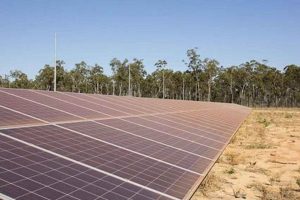
Regions with high solar irradiance, or the amount of solar energy received per unit area, are ideal for maximizing the energy generation potential of photovoltaic systems. Homes located in sunnier climates, such as the southwestern United States or parts of Australia, can generate more electricity from solar panels, potentially offsetting a larger portion of their energy consumption. Conversely, regions with limited sunlight may experience reduced solar panel efficiency, necessitating larger installations to achieve similar energy outputs, potentially impacting cost-effectiveness.
- Wind Resources
Consistent and strong winds are essential for maximizing the energy generation potential of residential wind turbines. Coastal areas, open plains, and mountainous regions often experience higher wind speeds, making them suitable locations for wind energy harvesting. Homes situated in areas with low wind speeds may not generate sufficient electricity from wind turbines, rendering them less cost-effective compared to other renewable energy options. Detailed wind resource assessments are crucial for determining the viability of wind energy in a specific location.
- Geothermal Potential
Geothermal energy relies on accessing heat from the Earth’s crust. Regions with high geothermal activity, such as those near tectonic plate boundaries or volcanic areas, offer greater potential for geothermal heating and cooling systems. Homes located in areas with limited geothermal resources may not be suitable for this type of renewable energy, necessitating consideration of alternative options. Geological surveys and assessments are essential for determining the geothermal potential of a specific site.
- Local Climate Conditions
Local climate conditions, such as temperature extremes, precipitation patterns, and snowfall, can influence the performance and maintenance requirements of renewable energy systems. Extreme heat or cold can affect the efficiency of solar panels and wind turbines, while heavy snowfall can necessitate frequent cleaning of solar panel arrays. Factoring in local climate conditions is crucial for selecting the most appropriate and durable renewable energy system for a given location, ensuring long-term performance and cost-effectiveness.
Careful consideration of geographic factors, including solar irradiance, wind resources, geothermal potential, and local climate conditions, is essential for selecting the most appropriate and cost-effective renewable energy solution for a home. Optimizing system design and performance based on local resource availability maximizes energy generation potential, minimizes upfront investment costs, and ensures a sustainable and financially viable transition to renewable energy. By aligning renewable energy choices with geographic realities, homeowners can effectively minimize their environmental footprint while maximizing the economic benefits of sustainable energy solutions.
7. Long-Term Costs

Evaluating the long-term costs associated with renewable energy systems is crucial for determining the most economically viable option for residential applications. While initial costs are a significant factor, considering ongoing expenses, such as maintenance, repairs, and potential component replacements, provides a more comprehensive understanding of the true cost of ownership over the system’s lifespan. A thorough assessment of long-term costs enables homeowners to make informed decisions that align with their budgetary constraints and long-term financial goals.
- Maintenance and Repairs
Regular maintenance is essential for ensuring the optimal performance and longevity of renewable energy systems. Costs associated with routine maintenance, such as cleaning solar panels, lubricating wind turbine components, or inspecting geothermal systems, should be factored into long-term cost projections. Additionally, budgeting for potential repairs, including component replacements or system troubleshooting, is crucial for mitigating unexpected expenses. While some renewable energy technologies, like solar photovoltaics, require minimal maintenance, others, such as wind turbines, may necessitate more frequent and potentially costly upkeep.
- Component Replacement
Renewable energy systems comprise various components with varying lifespans. Inverters, batteries, and other system components may require replacement over time, contributing significantly to long-term costs. Understanding the expected lifespan of key components and factoring in their replacement costs allows homeowners to anticipate future expenses and make informed decisions about system selection and maintenance strategies. For example, battery storage systems typically require replacement after a certain number of charge cycles, representing a substantial long-term cost consideration.
- Performance Degradation
The performance of renewable energy systems can degrade over time due to factors like environmental exposure, wear and tear, and technological advancements. Solar panel efficiency, for instance, may gradually decline over its lifespan, reducing energy output and potentially impacting long-term cost savings. Factoring in potential performance degradation and its impact on energy generation is crucial for accurately projecting long-term energy costs and evaluating the overall return on investment.
- Insurance and Warranty
Insurance coverage for renewable energy systems is essential for protecting against unforeseen events, such as damage from severe weather or equipment malfunctions. Insurance premiums represent an ongoing expense that should be considered as part of the long-term cost assessment. Additionally, understanding the warranty terms for various system components is crucial for mitigating potential repair or replacement costs. A comprehensive warranty can provide financial protection and peace of mind, ensuring that unexpected expenses are minimized.
By carefully considering these long-term cost factors alongside initial investment costs and potential energy savings, homeowners can make informed decisions about the most cost-effective renewable energy solutions for their specific needs and circumstances. A comprehensive understanding of long-term costs allows for accurate financial planning, ensuring that renewable energy investments align with budgetary constraints and contribute to long-term financial stability. Ultimately, a thorough long-term cost analysis empowers homeowners to choose sustainable energy options that offer both environmental and economic benefits.
Frequently Asked Questions about Cost-Effective Home Renewable Energy
This section addresses common inquiries regarding the financial aspects of implementing renewable energy solutions for residential use.
Question 1: What is the most affordable renewable energy option for a typical home?
Determining the most cost-effective option requires evaluating site-specific factors such as available sunlight, wind resources, and local energy costs. While solar photovoltaics often offer strong long-term value, other options like wind turbines or geothermal systems may be more suitable depending on geographic location.
Question 2: How can upfront costs of renewable energy systems be minimized?
Exploring available financial incentives, such as tax credits, rebates, and grants, can significantly reduce initial investment costs. Comparing quotes from multiple installers and considering community-shared renewable energy projects can also help minimize expenses.
Question 3: What are the long-term cost considerations for renewable energy systems?
Long-term costs include maintenance, potential component replacements, and performance degradation over time. Factoring in these expenses alongside initial costs provides a more accurate picture of the overall financial commitment.
Question 4: How does energy efficiency impact the cost of renewable energy?
Implementing energy efficiency measures reduces overall energy consumption, potentially lowering the required capacity and cost of renewable energy systems. Combining energy efficiency with renewable energy maximizes cost savings.
Question 5: How does geographic location affect renewable energy costs and viability?
Resource availability, such as sunlight and wind, varies geographically. Locations with abundant resources typically experience better performance and cost-effectiveness for corresponding renewable energy technologies.
Question 6: How can homeowners determine the best renewable energy solution for their specific circumstances?
Conducting a thorough energy audit, researching available incentives, and consulting with reputable renewable energy installers can provide homeowners with tailored recommendations based on individual needs and local conditions.
Understanding these financial considerations empowers homeowners to make informed decisions about renewable energy investments. Evaluating both short-term and long-term costs, alongside potential energy savings and available incentives, helps determine the most cost-effective and sustainable path toward residential renewable energy adoption.
The following conclusion summarizes the key takeaways and offers final recommendations for homeowners considering the transition to clean energy.
Conclusion
Exploring cost-effective renewable energy options reveals a multifaceted landscape shaped by technological advancements, geographic factors, and financial considerations. Minimizing expenses associated with residential renewable energy necessitates careful evaluation of initial costs, long-term maintenance, available incentives, and potential energy savings. While no single solution universally fits all circumstances, strategic planning and informed decision-making empower homeowners to identify optimal strategies aligned with individual needs and budgetary constraints. Balancing upfront investments with long-term operational expenses, potential return on investment, and environmental impact provides a comprehensive framework for evaluating the true cost and value of renewable energy systems.
Transitioning towards sustainable energy represents not only an environmentally responsible choice but also a financially sound investment for the future. Embracing renewable energy solutions empowers homeowners to reduce reliance on volatile fossil fuel markets, mitigate environmental impact, and contribute to a more sustainable energy landscape. As technology continues to advance and costs decline, residential renewable energy systems become increasingly accessible and economically viable, paving the way for a cleaner, more resilient, and affordable energy future for all.