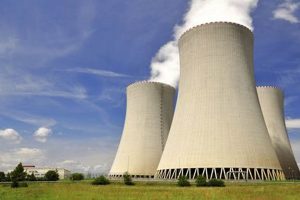
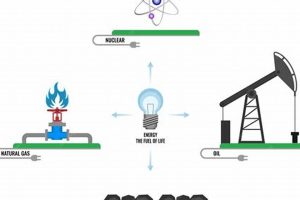
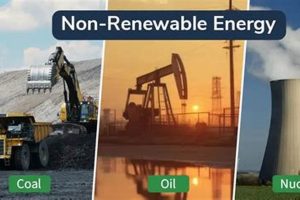
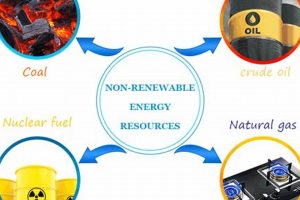
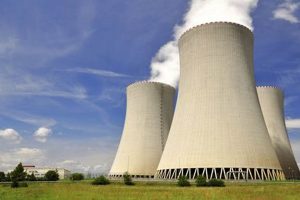
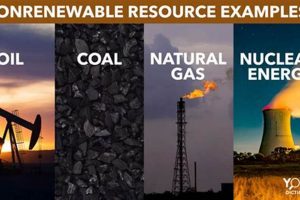
Energy sources are categorized based on their replenishment rate. Those derived from natural processes that are continuously replenished are considered sustainable, while those existing in finite quantities are not. Examples of the former include solar, wind, hydro, geothermal, and biomass power. The latter encompasses fossil fuels like coal, oil, and natural gas, as well as nuclear energy derived from uranium.
Sustainable power sources offer significant advantages, including reduced greenhouse gas emissions, decreased reliance on finite resources, and enhanced energy security. The transition to these forms of power represents a pivotal shift in human history, driven by growing environmental awareness and technological advancements. Historically, societies have predominantly relied on finite resources, but the detrimental environmental impacts and the eventual depletion of these reserves necessitate a global transition.
This discussion provides a foundation for a deeper exploration of specific energy types, their respective advantages and disadvantages, and the ongoing global efforts to transition towards a sustainable energy future. Further topics will include the technological advancements driving innovation in the energy sector, the economic implications of this transition, and the policies shaping the future of energy production and consumption.
Tips for Understanding Energy Sources
Informed decision-making regarding energy consumption requires a foundational understanding of energy source categories and their implications. The following tips offer practical guidance for navigating the complexities of energy choices.
Tip 1: Research Local Energy Sources: Understanding the predominant energy sources in one’s region allows for more informed choices about consumption and potential advocacy for sustainable alternatives. For example, regions heavily reliant on coal-fired power plants may present opportunities to support initiatives promoting solar or wind energy.
Tip 2: Evaluate Energy Efficiency: Regardless of the source, minimizing energy consumption through efficiency measures is crucial. This includes practices like improving home insulation, using energy-efficient appliances, and adopting mindful consumption habits.
Tip 3: Consider Long-Term Costs: While some non-sustainable energy sources may appear cheaper in the short term, sustainable options often offer long-term economic benefits through reduced fuel costs and potential government incentives.
Tip 4: Support Sustainable Innovations: Staying informed about advancements in sustainable energy technologies and advocating for policies that support their development and implementation is essential for accelerating the global transition.
Tip 5: Understand Environmental Impacts: Research the environmental consequences associated with different energy sources, including greenhouse gas emissions, air and water pollution, and land use impacts, to make informed choices.
Tip 6: Invest in Sustainable Options: Where possible, consider investing in sustainable energy solutions for homes or businesses, such as solar panels or geothermal heating systems. Such investments can reduce reliance on finite resources and contribute to a cleaner energy future.
By understanding the distinctions between various energy sources and adopting responsible consumption habits, individuals can contribute significantly to a more sustainable energy future. These informed choices empower individuals to make a tangible difference in mitigating environmental impact and promoting a cleaner, more secure energy landscape.
This understanding of sustainable practices forms a crucial bridge to the concluding remarks on the importance of collective action in achieving a global transition to a sustainable energy future.
1. Source Replenishment

Source replenishment serves as the foundational principle for classifying energy sources as renewable or non-renewable. This concept describes the ability of an energy source to be naturally replenished over a human timescale. Understanding replenishment rates is critical for evaluating the long-term sustainability and environmental impact of different energy sources.
- Natural Replenishment Cycles
Renewable energy sources are driven by natural cycles, ensuring continuous replenishment. Solar energy is powered by the sun’s constant radiation, wind energy by atmospheric pressure differences, and hydropower by the water cycle. These natural processes ensure a consistent energy supply, unlike finite resources.
- Finite vs. Infinite Resources
Fossil fuels, categorized as non-renewable, are derived from ancient organic matter and exist in finite quantities. Their formation takes millions of years, rendering their replenishment rate insignificant compared to human consumption. This inherent limitation necessitates a transition to renewable alternatives.
- Environmental Impact of Replenishment (or Lack Thereof)
The replenishment rate directly correlates with environmental impact. Renewable sources, due to their continuous replenishment, generate minimal greenhouse gas emissions during operation. Conversely, the extraction and combustion of fossil fuels release significant amounts of greenhouse gasses, contributing to climate change.
- Sustainability and Long-Term Energy Security
Source replenishment is intrinsically linked to sustainability. Renewable sources offer long-term energy security by providing a consistent and environmentally friendly energy supply. Dependence on finite resources creates vulnerabilities to price volatility and resource depletion, underscoring the importance of renewable energy for future energy security.
The ability of an energy source to replenish itself dictates its classification and long-term viability. The finite nature of fossil fuels necessitates a transition to renewable alternatives, driven by natural cycles, to ensure a sustainable and secure energy future. This distinction in replenishment rates forms the core of energy sustainability discussions and policy decisions, impacting global energy security and the environment.
2. Environmental Impact

The environmental impact of energy production is a critical factor in evaluating the long-term sustainability of different energy sources. Renewable and non-renewable energy sources present distinct environmental profiles, influencing air and water quality, land use, and global climate patterns. Understanding these impacts is essential for informed decision-making and transitioning towards a sustainable energy future.
- Greenhouse Gas Emissions
Greenhouse gas emissions are a primary concern regarding energy production’s environmental impact. Combustion of fossil fuels releases substantial amounts of carbon dioxide, methane, and other greenhouse gases, contributing significantly to climate change. Renewable sources, such as solar and wind, produce minimal greenhouse gas emissions during operation, offering a cleaner alternative and mitigating climate change impacts.
- Air and Water Pollution
Non-renewable energy sources often contribute to air and water pollution. Fossil fuel combustion releases pollutants like sulfur dioxide and nitrogen oxides, leading to acid rain and respiratory problems. Extraction and transportation of fossil fuels can also contaminate water sources. Renewable sources generally have a lower impact on air and water quality, although some, like hydropower, can affect aquatic ecosystems.
- Land Use and Habitat Disruption
Energy production can significantly impact land use and ecosystems. Fossil fuel extraction, including mining and drilling, can disrupt habitats and lead to land degradation. Large-scale renewable energy projects, such as solar farms and wind farms, also require land, but their impact is generally less disruptive than fossil fuel extraction. Careful planning and siting are crucial for minimizing the environmental footprint of all energy projects.
- Waste Disposal and Management
Waste generation and disposal present unique challenges for various energy sources. Nuclear power generates radioactive waste requiring long-term storage solutions. Fossil fuel combustion produces ash and other byproducts that require disposal. Renewable sources generally produce less waste, but decommissioning and recycling of solar panels and wind turbine components require careful management.
The environmental impact of energy production underscores the need for transitioning to a sustainable energy future. Renewable energy sources offer significant advantages in mitigating climate change, reducing air and water pollution, and minimizing land use disruption. While challenges remain in scaling up renewable energy infrastructure and managing the environmental impacts of specific renewable technologies, the overall benefits of transitioning away from fossil fuels are undeniable for the health of the planet and future generations.
3. Resource Availability

Resource availability is a critical differentiator between renewable and non-renewable energy sources, significantly impacting long-term energy security and sustainability. Non-renewable resources, by definition, are finite. Fossil fuels, formed over geological timescales, exist in limited reserves. Their depletion presents a predictable challenge to future energy production. Uranium, the fuel for nuclear power, is also finite, although relatively abundant. This inherent scarcity drives price volatility and geopolitical tensions related to resource control. In contrast, renewable resources are virtually inexhaustible. Solar radiation, wind, and hydropower are continuously replenished by natural cycles. Geothermal energy taps into the Earth’s internal heat, a vast and constantly replenished resource. While the infrastructure required to harness these resources is resource-intensive, the energy sources themselves are not subject to depletion.
The availability of resources directly impacts the feasibility of long-term energy planning. Dependence on finite resources necessitates exploration for new reserves, often in environmentally sensitive areas, and competition for dwindling supplies. This reliance creates vulnerabilities to supply disruptions and price fluctuations, impacting energy security. Renewable energy sources, while influenced by geographical factors and weather patterns, offer greater stability and predictability in the long term. For example, while solar energy is dependent on sunlight, its availability is predictable and consistent across vast geographical areas. Similarly, while wind resources vary geographically, wind patterns are generally well understood, enabling reliable energy production planning. Diversification of renewable energy sources further enhances energy security by reducing reliance on any single resource.
Understanding resource availability is crucial for strategic energy planning and transitioning to a sustainable energy future. The finite nature of non-renewable resources presents inherent limitations and risks, while the continuous replenishment of renewable resources offers a pathway to long-term energy security and environmental sustainability. The shift towards renewable energy requires significant investment in infrastructure and technology, but it represents a necessary step towards a more stable and sustainable energy landscape. This transition necessitates careful consideration of resource availability, technological advancements, and environmental impacts to ensure a reliable and equitable energy future.
4. Energy Security
Energy security is intrinsically linked to the choice between renewable and non-renewable energy sources. It encompasses the reliable availability of energy resources at affordable prices, while also considering environmental sustainability and geopolitical factors. The dependence on finite, geographically concentrated non-renewable resources creates vulnerabilities, while the distributed and inexhaustible nature of renewable resources offers a pathway to greater energy independence and resilience.
- Resource Availability and Dependence
Non-renewable resources, particularly fossil fuels, are geographically concentrated, making nations dependent on imports and susceptible to supply disruptions and price volatility. Renewable resources, being geographically dispersed, offer greater energy independence and resilience. A nation harnessing solar, wind, or geothermal energy reduces its reliance on external suppliers, enhancing energy security.
- Geopolitical Implications
Control over fossil fuel resources has historically been a source of geopolitical tension and conflict. The transition to renewable energy can mitigate these risks by diversifying energy sources and reducing reliance on strategically important resources controlled by a limited number of nations. This diversification enhances national energy security and promotes global stability.
- Price Volatility and Affordability
The price of fossil fuels is subject to significant fluctuations due to market forces and geopolitical events. This volatility can impact national economies and energy affordability for consumers. Renewable energy sources, once the initial investment in infrastructure is made, offer greater price stability due to the free and abundant nature of resources like sunlight and wind.
- Infrastructure Resilience and Reliability
Energy security also depends on the resilience and reliability of energy infrastructure. Centralized power grids reliant on fossil fuels are vulnerable to disruptions from natural disasters or cyberattacks. Distributed renewable energy generation, coupled with energy storage technologies, enhances grid resilience and minimizes the impact of localized disruptions, strengthening overall energy security.
The choice between renewable and non-renewable energy sources has profound implications for energy security. While non-renewable resources present inherent vulnerabilities related to resource availability, geopolitical factors, and price volatility, renewable energy offers a pathway to greater energy independence, resilience, and affordability. The transition to a renewable energy future requires strategic investments in infrastructure and technology, but it represents a crucial step towards enhancing energy security and promoting a sustainable energy landscape.
5. Economic Implications

The economic implications of choosing between renewable and non-renewable energy sources are substantial and multifaceted, impacting job creation, investment opportunities, energy prices, and overall economic growth. Understanding these economic factors is crucial for informed decision-making and transitioning towards a sustainable energy future.
- Job Creation and Economic Growth
Renewable energy industries, such as solar and wind power, create numerous jobs in manufacturing, installation, maintenance, and research. These industries often stimulate economic growth in rural areas and provide opportunities for workforce development and retraining. Conversely, declining investment in fossil fuel industries can lead to job losses in those sectors, necessitating strategies for a just transition and workforce adaptation.
- Investment Opportunities and Innovation
The transition to renewable energy attracts significant investment in research, development, and deployment of new technologies. This investment spurs innovation and creates new economic opportunities in areas such as energy storage, smart grids, and energy efficiency. While non-renewable energy sectors also attract investment, the focus on renewable energy is growing rapidly, driven by environmental concerns and long-term sustainability goals.
- Energy Prices and Consumer Costs
Renewable energy sources offer greater price stability compared to fossil fuels, which are subject to market fluctuations and geopolitical influences. The decreasing cost of renewable energy technologies, coupled with government incentives, makes them increasingly competitive with fossil fuels, potentially reducing consumer energy costs in the long term.
- Infrastructure Development and Grid Modernization
The transition to renewable energy necessitates significant investments in grid modernization and infrastructure development. Building new transmission lines, upgrading existing grids, and integrating energy storage solutions create economic opportunities in construction, engineering, and related fields. This infrastructure development enhances grid resilience and reliability, contributing to long-term economic stability.
The economic implications of transitioning to renewable energy extend beyond immediate job creation and investment opportunities. A sustainable energy future fosters greater energy independence, reduces reliance on volatile global markets, and mitigates the economic risks associated with climate change. While the transition requires upfront investments, the long-term economic benefits of a diversified and sustainable energy system are substantial, contributing to economic growth, price stability, and a more resilient and equitable energy future. Careful policy design and implementation are crucial for maximizing these economic benefits and ensuring a smooth transition that supports both environmental sustainability and economic prosperity.
6. Technological Advancement
Technological advancement plays a crucial role in the evolution of both renewable and non-renewable energy sectors. Innovation drives efficiency improvements, cost reductions, and the development of new methods for harnessing, storing, and distributing energy. Understanding the interplay between technology and energy is essential for navigating the ongoing energy transition and shaping a sustainable energy future.
- Renewable Energy Technologies
Advancements in renewable energy technologies, such as solar photovoltaics, wind turbines, and energy storage systems, have significantly reduced the cost and increased the efficiency of renewable energy generation. Improvements in materials science, manufacturing processes, and grid integration technologies have made renewables increasingly competitive with traditional fossil fuels. Examples include the development of higher-efficiency solar cells, larger and more powerful wind turbines, and advanced battery storage systems. These innovations drive the growth of the renewable energy sector and accelerate the transition to a cleaner energy future.
- Fossil Fuel Extraction and Utilization
Technological advancements have also impacted the fossil fuel industry, enabling the extraction of resources from previously inaccessible locations, such as deepwater drilling and hydraulic fracturing (fracking). Innovations in refining and combustion technologies have improved the efficiency of fossil fuel utilization, but they do not eliminate the environmental impacts associated with greenhouse gas emissions. Examples include enhanced oil recovery techniques and advanced combustion systems. These technologies, while improving efficiency, also raise concerns about environmental impacts and the long-term sustainability of fossil fuel reliance.
- Energy Storage and Smart Grids
Energy storage technologies are critical for addressing the intermittency of renewable energy sources like solar and wind. Advances in battery technology, pumped hydro storage, and other storage solutions are enabling greater integration of renewables into the grid. Smart grid technologies, which optimize energy distribution and consumption, further enhance the reliability and efficiency of the energy system. These advancements are essential for maximizing the benefits of renewable energy and creating a more resilient and flexible energy infrastructure.
- Carbon Capture, Utilization, and Storage (CCUS)
CCUS technologies aim to capture carbon dioxide emissions from fossil fuel power plants and industrial sources, preventing their release into the atmosphere. Captured carbon can be utilized in various industrial processes or stored underground. While CCUS technologies offer a potential pathway to mitigating the climate impact of fossil fuels, their widespread deployment faces technical and economic challenges. Further technological advancements are crucial for improving the efficiency and affordability of CCUS and its role in a sustainable energy future.
Technological advancements are shaping the future of energy by driving innovation in both renewable and non-renewable energy sectors. While advancements in fossil fuel technologies improve efficiency, they do not address the fundamental limitations of finite resources and environmental impacts. The continued development and deployment of renewable energy technologies, coupled with advancements in energy storage and smart grid technologies, are crucial for achieving a sustainable energy future. The pace and direction of technological progress will play a defining role in shaping the global energy landscape and determining the success of the transition to a cleaner, more secure, and sustainable energy system.
Frequently Asked Questions
This section addresses common inquiries regarding renewable and non-renewable energy sources, providing concise and informative responses to facilitate a deeper understanding of the energy landscape.
Question 1: What is the primary difference between renewable and non-renewable energy?
The fundamental distinction lies in replenishment rates. Renewable sources replenish naturally over relatively short periods, while non-renewable sources exist in finite quantities and are depleted with use.
Question 2: Why is the transition to renewable energy considered important?
The transition is crucial for mitigating climate change, enhancing energy security, and promoting sustainable economic growth. Renewable sources offer a cleaner and more sustainable alternative to finite fossil fuels.
Question 3: Are renewable energy sources truly reliable and consistent?
While some renewable sources, like solar and wind, are intermittent, advancements in energy storage technologies and grid management are increasing their reliability and integration into the energy system. Diversification of renewable sources further enhances reliability.
Question 4: What are the main economic benefits of transitioning to renewable energy?
Economic benefits include job creation in the renewable energy sector, investment in new technologies, reduced reliance on volatile fossil fuel markets, and long-term cost savings through stable energy prices.
Question 5: What are the primary challenges hindering wider adoption of renewable energy?
Challenges include the intermittency of some renewable sources, upfront costs of infrastructure development, grid integration complexities, and the need for continued technological advancements in energy storage and grid management.
Question 6: How can individuals contribute to the transition to renewable energy?
Individuals can contribute through conscious energy consumption choices, supporting policies that promote renewable energy development, investing in renewable energy technologies for homes or businesses, and advocating for sustainable energy practices.
Understanding the nuances of renewable and non-renewable energy sources is crucial for informed decision-making and active participation in the ongoing global energy transition. This knowledge empowers individuals, communities, and nations to make choices that support a sustainable and prosperous energy future.
The subsequent section will delve deeper into specific renewable energy technologies, exploring their functionalities, advantages, and contributions to a diversified and sustainable energy portfolio.
Renewable or Non-Renewable Energy
Exploration of energy sources reveals a critical juncture: the choice between finite resources and sustainable alternatives. Non-renewable energy, derived from fossil fuels and uranium, faces inherent limitations in supply, carries significant environmental consequences, and presents geopolitical challenges. Conversely, renewable energy, encompassing solar, wind, hydro, geothermal, and biomass power, offers a path toward greater sustainability, energy security, and economic opportunity. The comparative analysis of resource availability, environmental impact, economic implications, and technological advancements underscores the advantages of transitioning toward renewable energy sources.
The global energy landscape stands at a pivotal point. Continued reliance on non-renewable energy presents escalating risks to the environment, global security, and long-term economic stability. Embracing the transition to renewable energy requires concerted global effort, policy commitment, and sustained investment in research and innovation. This transformative shift presents not merely a technological challenge, but a societal imperativea defining choice that will shape the future of energy and the well-being of generations to come.