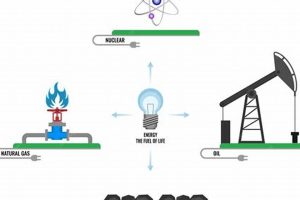
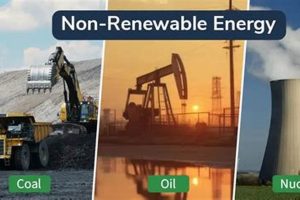
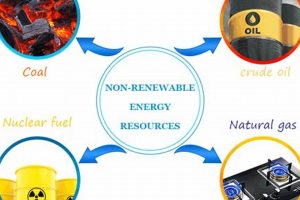
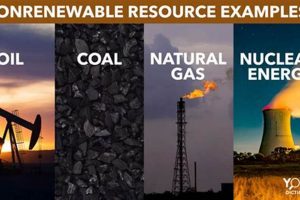
Fossil fuelscoal, petroleum (including oil), and natural gasand nuclear energy are finite resources extracted or generated from the Earth. These resources are formed over vast geological timescales and cannot be replenished at a pace comparable to their consumption. Coal is a combustible rock formed from ancient plant matter. Petroleum, a mixture of hydrocarbons, is found in underground reservoirs and refined into various fuels like gasoline and diesel. Natural gas, primarily composed of methane, often accompanies petroleum deposits. Nuclear energy harnesses the energy released from splitting atoms of elements like uranium.
These energy sources have been fundamental to global industrialization and development. Their high energy density has enabled large-scale power generation, transportation, and manufacturing. However, the finite nature of these resources raises concerns about long-term sustainability. Historically, they have been readily available and relatively inexpensive to exploit, contributing significantly to economic growth. However, their extraction and use have substantial environmental impacts, including greenhouse gas emissions, habitat destruction, and the risks associated with nuclear waste disposal.
This discussion will further explore each of these energy forms individually, detailing their specific extraction methods, applications, environmental consequences, and future prospects in a world transitioning towards more sustainable alternatives.
Tips for Understanding Non-Renewable Energy Sources
Informed decision-making regarding energy consumption requires a grasp of the characteristics and implications of non-renewable resources. The following tips offer guidance for navigating this complex topic.
Tip 1: Research the formation process of each resource. Understanding the geological timescales involved in the creation of coal, petroleum, natural gas, and uranium highlights their finite nature and the impossibility of rapid replenishment.
Tip 2: Investigate extraction methods and their environmental impact. From coal mining to oil drilling and uranium extraction, each process presents unique environmental challenges, including habitat disruption, water pollution, and greenhouse gas emissions.
Tip 3: Compare the energy density of different resources. Consider the amount of energy produced per unit of fuel. This comparison illuminates why these sources have been so crucial for industrial development and transportation.
Tip 4: Analyze the geopolitical implications of reliance on these resources. The uneven distribution of these resources globally has historical and ongoing impacts on international relations, trade, and conflicts.
Tip 5: Explore the lifecycle costs associated with each energy source. Factor in not only the extraction and production costs but also the environmental and health impacts, including the management of waste products like nuclear waste or carbon emissions.
Tip 6: Examine current research into mitigating the negative impacts of these resources. This includes carbon capture technologies for fossil fuels and advancements in nuclear waste disposal methods.
Tip 7: Evaluate the transition to renewable energy sources. Understand how the shift towards sustainable alternatives impacts energy security, economic development, and environmental sustainability.
By considering these points, one can develop a more comprehensive understanding of the role and implications of non-renewable energy sources in the current global energy landscape.
This understanding is crucial for informed discussions and policy decisions regarding future energy strategies.
1. Fossil Fuels

Fossil fuels constitute a significant subset of non-renewable energy sources. Three of the four primary types coal, petroleum (including oil), and natural gas fall under this category. These resources originate from the decomposition of organic matter over millions of years, subjected to intense heat and pressure beneath the Earth’s surface. This process transforms ancient plant and animal remains into concentrated energy reserves. The combustion of these fuels releases the stored energy, primarily utilized for electricity generation, transportation, and industrial processes. For example, coal powers many power plants globally, while petroleum fuels vehicles and aircraft. Natural gas serves as a heat source for homes and industries. This reliance on fossil fuels highlights their central role within the non-renewable energy landscape.
The widespread use of fossil fuels has been a cornerstone of industrial development, enabling technological advancements and economic growth. However, this dependence has significant environmental consequences. Combustion releases greenhouse gases, primarily carbon dioxide, contributing to climate change. Extraction processes, such as mining and drilling, can disrupt ecosystems and cause land degradation. Oil spills pose substantial risks to marine life and coastal communities. The finite nature of these resources also poses challenges for long-term energy security, necessitating the exploration and development of alternative energy sources. The ongoing transition to renewable energy solutions underscores the finite nature of fossil fuels and the need for sustainable alternatives.
Understanding the role of fossil fuels within the broader context of non-renewable energy sources is critical for addressing future energy challenges. The environmental impact of their extraction and combustion necessitates a shift towards more sustainable practices. While fossil fuels have played a crucial role in industrial development, their long-term viability is questionable. Transitioning to cleaner energy sources is essential for mitigating the negative environmental impacts and ensuring a secure and sustainable energy future. This transition presents both challenges and opportunities, requiring technological innovation, policy adjustments, and global cooperation.
2. Nuclear Energy
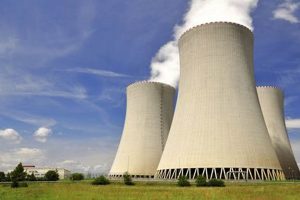
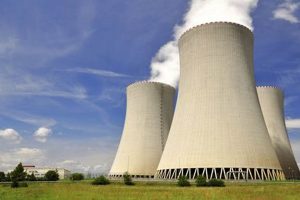
Nuclear energy stands apart from fossil fuels within the category of non-renewable energy sources. Unlike fossil fuels, which derive energy from chemical combustion, nuclear energy harnesses the energy released from nuclear fission, the splitting of atomic nuclei. Uranium, a naturally occurring radioactive element, serves as the primary fuel source. Nuclear power plants utilize controlled chain reactions to generate heat, which subsequently produces steam to drive turbines and generate electricity. This process distinguishes nuclear energy from other non-renewable sources in its fundamental energy generation mechanism. The concentration of energy within uranium allows for a substantial power output from relatively small amounts of fuel, differentiating it from the large-scale combustion associated with fossil fuels.
Nuclear energy’s position within the non-renewable category stems from the finite nature of uranium reserves. Although uranium is relatively abundant, it is not a limitless resource. The extraction and processing of uranium ore present environmental challenges, including land disturbance and the potential for radioactive contamination. Furthermore, the spent nuclear fuel, a byproduct of the fission process, remains radioactive for extended periods, requiring specialized storage and disposal solutions. The long-term management of nuclear waste represents a significant consideration in the lifecycle of nuclear energy production. For instance, countries like France, which rely heavily on nuclear power, have developed sophisticated waste management programs. These efforts aim to minimize environmental impact and ensure safe handling of radioactive materials, illustrating the complexities associated with nuclear energy as a non-renewable resource.
The role of nuclear energy as a component of the broader non-renewable energy landscape presents a complex interplay of benefits and challenges. Its high energy density and lower greenhouse gas emissions compared to fossil fuels position it as a potential contributor to reducing carbon footprints. However, the finite uranium supply, environmental concerns related to uranium mining, and the long-term management of radioactive waste necessitate ongoing research and development of safer and more sustainable practices. The future of nuclear energy depends on addressing these challenges effectively. This includes advancements in reactor technology, improved waste management strategies, and robust safety protocols. These considerations are crucial for evaluating the continued role of nuclear energy within a global energy portfolio increasingly focused on sustainability.
3. Finite Resources

The defining characteristic of non-renewable energy sourcescoal, petroleum, natural gas, and uraniumis their finite nature. These resources exist in limited quantities within the Earth’s crust, formed over geological timescales far exceeding human lifespans. Consequently, their availability is not infinite; extraction and consumption deplete these resources at rates significantly faster than natural replenishment. This finite nature presents a fundamental challenge to long-term energy security, necessitating careful management, efficient utilization, and the development of alternative energy strategies. For instance, proven oil reserves are estimated to last for a limited number of decades at current consumption rates, underscoring the finite nature of this resource.
The finite nature of these resources drives several critical considerations. Resource depletion necessitates ongoing exploration and extraction in increasingly challenging and often environmentally sensitive locations. Deep-sea drilling and hydraulic fracturing (“fracking”) exemplify the lengths to which industries must go to access remaining reserves. These methods carry heightened environmental risks, including oil spills and groundwater contamination. Furthermore, the scarcity of these resources can lead to price volatility and geopolitical tensions, as nations compete for access to dwindling supplies. The strategic importance of oil and natural gas reserves in international relations exemplifies this dynamic. The finite nature of uranium, while less discussed than fossil fuels, also poses long-term challenges for nuclear energy production.
Understanding the finite nature of these energy sources is paramount for informing responsible energy policies and practices. The inevitable depletion of these resources necessitates a transition towards renewable and sustainable alternatives. Investments in solar, wind, hydro, and geothermal energy, along with advancements in energy storage technologies, are crucial for mitigating the long-term consequences of resource depletion. Furthermore, promoting energy efficiency and conservation measures can extend the lifespan of existing reserves while simultaneously reducing environmental impact. The global shift towards sustainable energy paradigms reflects a growing recognition of the limitations imposed by finite resources and the imperative for a more sustainable energy future. This transition presents complex challenges and opportunities, demanding technological innovation, policy adjustments, and international cooperation to ensure a secure and sustainable energy future for all.
4. Environmental Impact

Extraction and utilization of non-renewable energy sourcescoal, petroleum, natural gas, and uraniumpresent significant environmental challenges. These impacts range from localized pollution to global climate change, demanding careful consideration and mitigation strategies.
- Greenhouse Gas Emissions
Combustion of fossil fuels releases greenhouse gases, primarily carbon dioxide, contributing significantly to climate change. This alters weather patterns, increases the frequency and intensity of extreme weather events, and contributes to sea-level rise. The long-term consequences pose substantial threats to ecosystems, human health, and global economies. Methane leaks during natural gas extraction and transportation exacerbate this issue, as methane is a potent greenhouse gas.
- Air and Water Pollution
Coal combustion releases pollutants such as sulfur dioxide and nitrogen oxides, contributing to acid rain and respiratory illnesses. Oil spills contaminate marine and coastal ecosystems, harming wildlife and impacting local communities. Fracking, used in natural gas extraction, raises concerns about groundwater contamination from chemicals used in the process. Uranium mining and processing generate radioactive waste that requires careful management to prevent environmental contamination.
- Habitat Destruction and Land Degradation
Coal mining operations, including mountaintop removal mining, drastically alter landscapes, destroy habitats, and impact biodiversity. Oil and gas drilling operations require extensive infrastructure, including pipelines and access roads, which fragment habitats and disrupt wildlife. Uranium mining can lead to soil erosion and contamination, impacting local ecosystems and water resources. These impacts on natural environments can have long-lasting consequences for ecological balance and biodiversity.
- Waste Disposal Challenges
Nuclear power generation produces radioactive waste that requires long-term storage and disposal solutions. The safe management of this waste is crucial to prevent environmental contamination and protect human health. Fossil fuel combustion generates ash and other byproducts that also require disposal. The increasing volume of waste associated with these energy sources presents ongoing challenges for waste management systems and requires sustainable solutions.
The environmental impacts associated with non-renewable energy sources underscore the urgent need for a transition to more sustainable alternatives. Mitigating these impacts requires a multifaceted approach, including investing in renewable energy technologies, improving energy efficiency, and developing responsible waste management strategies. The long-term health of the planet and the well-being of future generations depend on addressing these challenges effectively.
5. Energy Security

Energy security is intrinsically linked to the reliance on the four types of non-renewable energy sources: coal, petroleum, natural gas, and uranium. A nation’s energy security is its ability to access reliable and affordable energy sources to meet its domestic needs. Heavy dependence on these finite resources creates vulnerabilities. The uneven global distribution of these resources makes some nations reliant on imports, subjecting them to price volatility, geopolitical instability, and potential supply disruptions. For example, disruptions to oil supplies in the 1970s caused significant economic hardship in many countries, highlighting the risks associated with dependence on imported fossil fuels. The finite nature of these resources further compounds this vulnerability, as depletion necessitates seeking new, often more challenging and expensive extraction methods.
Maintaining energy security while relying on non-renewable resources requires a multifaceted approach. Diversification of energy sources, including investment in renewable energy and nuclear power, can reduce dependence on specific fossil fuels. Strategic reserves, such as the Strategic Petroleum Reserve in the United States, offer a buffer against short-term supply disruptions. Improving energy efficiency reduces overall demand, mitigating the impact of price fluctuations and resource scarcity. International cooperation and diplomacy play a crucial role in ensuring stable energy trade and preventing disruptions caused by geopolitical tensions. For instance, international agreements on nuclear fuel supplies aim to reduce the risk of proliferation while ensuring access to this energy source for peaceful purposes.
Ultimately, long-term energy security requires a transition away from dependence on finite resources. While prudent management and diversification strategies can mitigate some risks in the short to medium term, the depletion of these resources necessitates a shift towards renewable and sustainable alternatives. Investing in research and development of renewable energy technologies, developing smart grids, and promoting energy conservation are crucial for achieving lasting energy security. This transition presents significant challenges, requiring substantial investment, technological innovation, and international collaboration, but it is essential for ensuring a stable and sustainable energy future. The finite nature of non-renewable resources inherently limits their capacity to provide long-term energy security, emphasizing the importance of transitioning to sustainable alternatives.
6. Economic Implications
Non-renewable energy sourcescoal, petroleum, natural gas, and uraniumexert profound influence on global economies. These resources have fueled industrialization and economic growth for centuries. Their extraction, processing, and distribution create jobs and generate revenue for governments and corporations. Price fluctuations in these commodities, particularly oil and natural gas, directly impact transportation costs, manufacturing expenses, and consumer prices. Economic dependence on these energy sources creates vulnerabilities. Price volatility can disrupt economic stability, while resource scarcity can lead to geopolitical tensions and conflicts. For example, fluctuations in oil prices can significantly impact national economies, particularly those heavily reliant on oil imports. The 2008 oil price spike demonstrated the interconnectedness of energy markets and global economic stability, impacting industries from transportation to manufacturing.
Furthermore, the transition away from non-renewable energy sources carries significant economic implications. Investment in renewable energy technologies, infrastructure development, and workforce retraining creates new economic opportunities. However, regions heavily reliant on non-renewable resource extraction may face economic challenges during this transition. Government policies, such as carbon taxes and subsidies for renewable energy, play a crucial role in shaping the economic landscape of this energy transition. These policies can incentivize investment in clean energy while mitigating the economic impact on communities dependent on fossil fuel industries. For instance, Germany’s Energiewende, a policy focused on transitioning to renewable energy, has created new industries and jobs while also presenting challenges for regions traditionally reliant on coal mining.
Understanding the economic implications of both reliance on and transition away from non-renewable energy sources is crucial for informed policymaking and economic planning. Balancing economic growth with environmental sustainability requires careful consideration of the costs and benefits associated with different energy choices. Investing in energy efficiency, diversifying energy sources, and supporting the development of sustainable alternatives are essential for long-term economic stability and resilience. The transition to a sustainable energy future presents both challenges and opportunities for economic growth, innovation, and job creation. Addressing these challenges strategically is essential for ensuring a prosperous and sustainable future.
7. Global Distribution
The global distribution of non-renewable energy sourcescoal, petroleum, natural gas, and uraniumis uneven, creating significant geopolitical and economic consequences. This uneven distribution influences energy security, international trade, and power dynamics among nations. Regions with abundant reserves, such as the Middle East for oil or Australia for coal, wield considerable geopolitical leverage. Conversely, regions lacking these resources rely on imports, creating dependencies and vulnerabilities to price fluctuations and supply disruptions. This unequal distribution shapes international relations and trade policies, influencing alliances and conflicts. For instance, the concentration of oil reserves in the Middle East has historically shaped international relations in the region, impacting political alliances and conflicts. Similarly, access to uranium deposits influences a nation’s capacity to develop nuclear energy programs, impacting energy independence and security considerations.
The uneven distribution also impacts economic development. Resource-rich nations can leverage these assets for economic growth, while resource-poor nations face higher energy costs, potentially hindering industrial development. This disparity contributes to global economic inequalities. Access to affordable energy is crucial for industrialization, transportation, and overall economic development. Regions lacking access to affordable energy sources may face significant challenges in achieving sustainable economic growth. This disparity highlights the importance of international cooperation and the development of diversified energy portfolios to mitigate the economic impacts of uneven resource distribution. For example, nations with limited domestic fossil fuel reserves may invest heavily in renewable energy technologies to reduce their reliance on imports and enhance energy independence. This underscores the complex interplay between resource distribution, economic development, and energy policy.
Understanding the global distribution of these resources is crucial for navigating the complex landscape of energy security, international relations, and economic development. This understanding informs strategic decision-making related to energy policy, resource management, and international cooperation. As the world transitions towards more sustainable energy sources, the geopolitical and economic significance of non-renewable resource distribution will continue to evolve. The development and deployment of renewable energy technologies offer the potential to reshape global energy dynamics, potentially reducing reliance on geographically concentrated non-renewable resources and promoting greater energy independence. However, the transition presents both opportunities and challenges, requiring careful planning, investment, and international collaboration to ensure a stable and equitable energy future.
Frequently Asked Questions
Addressing common inquiries regarding finite energy resources derived from geological processes or nuclear fission.
Question 1: What distinguishes non-renewable from renewable energy sources?
Non-renewable energy sources, such as coal, petroleum, natural gas, and uranium, are finite and deplete over time. Renewable sources, like solar, wind, and hydro, replenish naturally.
Question 2: Why is the transition to renewable energy important?
Transitioning to renewable energy is crucial for mitigating climate change, ensuring long-term energy security, and reducing reliance on finite resources.
Question 3: What are the primary environmental concerns associated with non-renewable energy?
Greenhouse gas emissions from fossil fuel combustion contribute to climate change. Extraction and processing can cause habitat destruction, water pollution, and air pollution.
Question 4: How does the uneven distribution of these resources impact global geopolitics?
Uneven distribution creates dependencies, influences energy prices, and can lead to geopolitical tensions among nations competing for access to these resources.
Question 5: What are the economic implications of transitioning away from non-renewable energy?
Transitioning presents both challenges and opportunities. Economic restructuring, job creation in renewable energy sectors, and shifts in global energy markets are anticipated.
Question 6: What role does energy efficiency play in the context of non-renewable resources?
Improved energy efficiency reduces demand for non-renewable resources, extending their lifespan and mitigating environmental impact.
Understanding these aspects of non-renewable energy sources is essential for informed decision-making regarding energy consumption and policy development.
For further exploration, the following sections will delve into specific aspects of each non-renewable energy source.
Conclusion
This exploration of the four primary non-renewable energy sourcescoal, petroleum, natural gas, and nuclear energyhas highlighted their critical role in powering global development while simultaneously revealing their inherent limitations and substantial environmental consequences. From the finite nature of these resources to the pollution generated by their extraction and use, the long-term sustainability of relying on these energy sources is demonstrably questionable. The uneven global distribution of these resources further complicates the picture, influencing geopolitics, international trade, and economic stability. While technological advancements offer potential mitigation strategies, such as carbon capture and storage or advanced nuclear reactor designs, these solutions cannot fully address the fundamental challenge of resource depletion and the environmental risks associated with their continued exploitation.
The future of energy hinges on a decisive transition towards renewable and sustainable alternatives. This transition requires a concerted global effort, encompassing technological innovation, policy reforms, and shifts in consumer behavior. Investing in renewable energy infrastructure, developing smart grids, and promoting energy efficiency are crucial steps toward a more sustainable energy future. While challenges undoubtedly exist, the transition offers significant opportunities for economic growth, job creation, and enhanced energy security. The imperative remains: to move beyond dependence on finite resources and embrace a future powered by sustainable energy solutions for the benefit of both present and future generations.