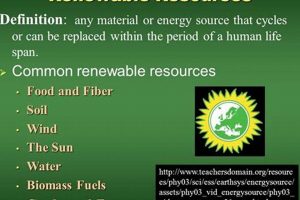
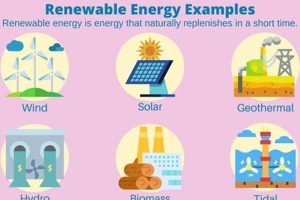
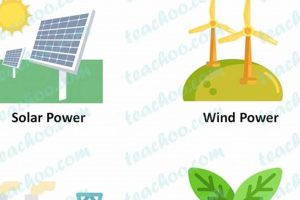
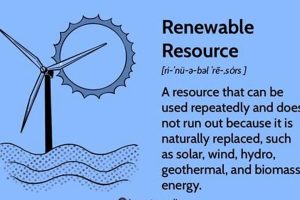
Harnessing power from naturally replenishing sources offers a sustainable pathway to meet global energy demands. Solar, wind, and hydropower represent prominent examples. Solar energy conversion utilizes photovoltaic cells to transform sunlight directly into electricity. Wind power employs turbines to convert the kinetic energy of wind into electrical energy. Hydropower leverages the potential energy of water stored at a height to drive turbines and generate electricity.
These sustainable energy generators contribute significantly to mitigating climate change by reducing reliance on fossil fuels, a primary source of greenhouse gas emissions. Their deployment enhances energy security by diversifying energy sources and decreasing dependence on volatile global markets. Furthermore, the development and maintenance of these facilities create employment opportunities and stimulate economic growth within local communities.
Examining the specific mechanisms, implementation challenges, and future potential of these power generation methods provides a clearer understanding of their role in shaping a cleaner, more sustainable energy future. This exploration will consider technological advancements, infrastructure requirements, and environmental considerations associated with each.
Optimizing the Utilization of Renewable Energy
Strategic implementation and diligent management are crucial for maximizing the effectiveness of renewable energy technologies. The following tips outline key considerations for enhancing the performance and expanding the adoption of sustainable energy solutions.
Tip 1: Prioritize Strategic Location: Site selection significantly impacts energy output. Solar installations require ample sunlight exposure, wind turbines benefit from consistently strong winds, and hydropower relies on suitable water resources.
Tip 2: Invest in Advanced Technologies: Emerging technologies such as improved solar panel efficiency, advanced wind turbine designs, and pumped hydro storage systems can substantially increase energy generation and grid stability.
Tip 3: Develop Robust Energy Storage Solutions: Intermittency is a challenge for solar and wind power. Battery storage, thermal energy storage, and other energy storage technologies are essential for ensuring a reliable and consistent energy supply.
Tip 4: Enhance Grid Infrastructure: Upgrading transmission lines and implementing smart grid technologies are necessary to efficiently transport electricity from renewable energy sources to consumers and manage fluctuations in supply and demand.
Tip 5: Implement Supportive Government Policies: Financial incentives, tax credits, and clear regulatory frameworks encourage investment in renewable energy projects and facilitate their integration into the existing energy market.
Tip 6: Promote Public Awareness and Education: Increasing public understanding of the benefits of renewable energy can foster greater acceptance and support for sustainable energy initiatives.
Tip 7: Conduct Regular Maintenance and Monitoring: Routine inspections and proactive maintenance programs are vital for ensuring the long-term performance and reliability of renewable energy systems.
Effective integration of these strategies can substantially improve the utilization and contribution of renewable sources, leading to a more sustainable and resilient energy ecosystem. Further advancements in technology and policy will continue to drive the transition towards a cleaner energy future.
The subsequent sections will address the specific challenges and opportunities associated with expanding the role of these alternative energy technologies in the global energy mix.
1. Solar Irradiance

Solar irradiance, the measure of solar power density incident on a surface, is a critical determinant in the efficiency and economic viability of photovoltaic (PV) solar energy systems. As one of the core elements of three renewable energy resourcessolar, wind, and hydropowerunderstanding and optimizing solar irradiance is essential for maximizing its contribution to global energy needs.
- Geographic Location and Irradiance Levels
The amount of solar irradiance varies significantly based on geographic location, latitude, and atmospheric conditions. Regions closer to the equator typically receive higher average solar irradiance compared to higher latitudes. This variability directly impacts the potential energy output of solar installations; therefore, detailed solar resource assessments are crucial for site selection and system design.
- Impact on Solar Panel Performance
Solar panels are designed to convert solar irradiance into electricity. Higher levels of solar irradiance result in increased power output from the panels, improving overall system efficiency. Factors such as cloud cover, atmospheric pollution, and the angle of incidence of sunlight on the panel surface can reduce irradiance levels, thereby decreasing energy generation. Regular maintenance, including cleaning panels to remove dust and debris, helps to mitigate these reductions.
- Technological Advancements in Solar Capture
Ongoing research and development efforts focus on improving the efficiency of solar cells and optimizing panel design to capture a broader spectrum of solar irradiance. Bifacial solar panels, which absorb sunlight from both the front and back surfaces, represent one advancement in this area. Additionally, concentrating solar power (CSP) technologies use mirrors to focus solar irradiance onto a receiver, generating heat that drives turbines to produce electricity.
- Economic Implications and Project Viability
Solar irradiance directly affects the economic viability of solar energy projects. Areas with high solar irradiance levels can generate more electricity with smaller installations, reducing capital costs and improving return on investment. Government policies, such as feed-in tariffs and tax incentives, often take into account solar resource availability to encourage investment in solar energy projects in regions with varying irradiance levels.
In conclusion, solar irradiance is a fundamental factor determining the effectiveness of solar energy as one of three renewable energy resources. Optimizing its capture through strategic site selection, technological advancements, and supportive policies is essential for maximizing its contribution to a sustainable energy future. Variations in irradiance necessitate customized solutions and careful consideration of local conditions to ensure the economic and environmental benefits of solar power generation.
2. Wind Velocity
Wind velocity, a critical parameter in the context of sustainable energy generation, directly influences the power output of wind turbines. As a central component of one of the three principal renewable energy resources, wind, its magnitude dictates the kinetic energy available for conversion into electricity. The relationship is governed by a cubic function: power output increases proportionally to the cube of wind speed. Consequently, even small increments in velocity result in substantial gains in energy production, underlining the importance of accurate assessment and optimal site selection for wind farms. Locations characterized by consistently high average velocities, such as coastal regions and mountain passes, are prioritized for development to maximize energy capture. Consider the example of offshore wind farms in the North Sea, where consistently strong velocities enable significantly higher capacity factors compared to land-based installations.
The practical significance of understanding wind velocity extends beyond mere energy production; it influences the design and operational parameters of wind turbines. Turbine blade length, rotor diameter, and cut-in/cut-out speeds are all engineered to align with prevailing wind regimes. Furthermore, predictive models based on meteorological data enable operators to forecast energy generation, optimize grid integration, and manage potential fluctuations in supply. Real-time monitoring of wind conditions allows for adaptive control strategies, such as pitching turbine blades to mitigate stress during high-velocity events or curtailing power output to maintain grid stability. These advanced control systems contribute to the reliability and longevity of wind energy infrastructure, solidifying its role in a diversified energy portfolio.
In summary, wind velocity is an indispensable factor in harnessing wind energy effectively. Its direct correlation with power output necessitates precise measurement, strategic siting, and sophisticated turbine technology. While challenges such as intermittency and geographic limitations remain, ongoing advancements in forecasting and grid integration techniques are continually enhancing the reliability and economic viability of wind power. This understanding is essential for transitioning to a more sustainable energy future and mitigating reliance on finite resources.
3. Hydro Potential

Hydro potential, representing the exploitable energy available from flowing or stored water, is a cornerstone among the three primary renewable energy resources. Its viability and effectiveness are contingent upon several interrelated factors that determine its overall contribution to sustainable power generation.
- Geographic and Topographical Influences
The realization of hydro potential is intrinsically linked to geographical features, primarily water availability and elevation gradients. Regions with substantial precipitation, river systems, and mountainous terrain offer the most promising opportunities for hydroelectric development. For instance, the Himalayan region and the Andes Mountains are characterized by significant hydro potential due to ample water resources and steep slopes. However, these factors also necessitate careful environmental impact assessments to mitigate potential ecological consequences, such as habitat disruption and altered river flow regimes.
- Dam Infrastructure and Energy Conversion Technologies
The construction of dams is often integral to harnessing hydro potential. Dams create reservoirs that store water, which is then released to drive turbines and generate electricity. The selection of appropriate turbine technology, such as Francis, Kaplan, or Pelton turbines, depends on the specific head and flow characteristics of the site. Advances in turbine design aim to maximize energy conversion efficiency while minimizing environmental impact, particularly concerning fish passage and sediment transport. The Three Gorges Dam in China exemplifies a large-scale hydroelectric project, demonstrating both the immense power generation capacity and the environmental challenges associated with such infrastructure.
- Environmental and Social Considerations
While hydro power offers a renewable energy source, it is not without environmental and social consequences. Dam construction can lead to displacement of communities, inundation of land, and alteration of river ecosystems. Mitigating these impacts requires thorough environmental impact assessments, community engagement, and implementation of measures such as fish ladders, sediment bypass systems, and habitat restoration projects. Balancing the benefits of hydroelectric power with its potential drawbacks is a critical challenge in sustainable energy planning, requiring integrated approaches that consider both energy needs and ecological integrity.
- Small-Scale and Run-of-River Hydro Systems
In contrast to large-scale dam projects, small-scale and run-of-river hydro systems offer alternatives with reduced environmental impact. These systems divert a portion of the river flow to power turbines without creating large reservoirs. They are often suitable for remote locations and can provide decentralized power generation. Examples include micro-hydro installations in mountainous regions that supply electricity to local communities. These systems offer a more sustainable approach to harnessing hydro potential by minimizing habitat disruption and preserving natural river flow patterns.
The effective utilization of hydro potential as a renewable energy resource demands careful consideration of geographic, technological, environmental, and social factors. Balancing the benefits of hydroelectric power with its potential impacts requires integrated planning and sustainable practices that prioritize both energy production and ecological preservation. As one of the three key renewable sources, its responsible development is crucial for a sustainable energy future.
4. Resource Accessibility

Resource accessibility, referring to the ease and cost-effectiveness with which renewable energy sources can be exploited, plays a pivotal role in the deployment and widespread adoption of solar, wind, and hydropower. The economic and logistical feasibility of harnessing these resources is directly influenced by their availability, proximity to demand centers, and the infrastructure required for extraction and transmission.
- Geographic Distribution and Infrastructure Costs
The geographic distribution of solar, wind, and hydro resources is uneven, necessitating long-distance transmission infrastructure to connect remote generation sites with urban consumption centers. Regions with high solar irradiance or consistent wind patterns may lack the existing grid capacity to accommodate large-scale renewable energy projects, leading to significant upfront investment in transmission lines and substations. For example, developing solar farms in desert regions or wind farms offshore requires substantial capital expenditure on transmission infrastructure, impacting the overall cost-effectiveness of these projects.
- Land Use and Regulatory Constraints
The availability of suitable land for renewable energy installations is often constrained by competing land uses, environmental regulations, and zoning restrictions. Solar farms require large tracts of land, potentially displacing agricultural activities or impacting sensitive ecosystems. Wind farms can face opposition due to visual impacts and noise pollution. Hydropower projects may involve dam construction, which can alter river ecosystems and displace local communities. Navigating these land use and regulatory constraints can add significant time and cost to renewable energy projects, limiting their accessibility and deployment.
- Technological Barriers and Extraction Challenges
The extraction and conversion of renewable energy resources often involve technological barriers that can affect their accessibility. Deep geothermal resources may require advanced drilling techniques and heat extraction technologies. Offshore wind farms require specialized turbine designs and installation methods to withstand harsh marine environments. Hydropower projects in remote locations may require the development of innovative turbine designs and construction techniques. Overcoming these technological barriers requires ongoing research and development efforts, as well as specialized expertise and equipment, which can increase project costs and limit their accessibility.
- Economic Viability and Market Competitiveness
The economic viability of renewable energy projects is heavily influenced by resource accessibility. Projects located in areas with abundant and easily accessible resources tend to be more cost-competitive than those requiring extensive infrastructure or advanced technologies. The levelized cost of energy (LCOE) is a key metric used to assess the economic competitiveness of different renewable energy technologies, taking into account factors such as capital costs, operating expenses, and resource availability. Policy support, such as feed-in tariffs and tax incentives, can help to level the playing field and improve the market competitiveness of renewable energy projects in areas with less accessible resources.
Resource accessibility fundamentally shapes the economic and logistical feasibility of harnessing solar, wind, and hydropower. Overcoming geographical, regulatory, technological, and economic barriers is essential for expanding the deployment of these resources and transitioning to a more sustainable energy system. Strategic planning, policy support, and technological innovation are crucial for improving the accessibility of renewable energy resources and realizing their full potential.
5. Technological Maturity

Technological maturity represents a crucial determinant in the widespread adoption and economic viability of solar, wind, and hydropower. The level of technological advancement directly impacts the efficiency, reliability, and cost-effectiveness of these renewable energy sources, shaping their role in the global energy mix. This exploration delves into key facets of technological maturity across these domains.
- Efficiency of Energy Conversion
The efficiency with which solar panels, wind turbines, and hydroelectric generators convert their respective resources into usable electricity is paramount. Solar panel efficiency, for example, has steadily increased with advancements in photovoltaic materials and cell designs, yet it remains a critical area for ongoing research. Wind turbine technology has evolved to capture more kinetic energy from the wind through larger rotor diameters and improved aerodynamics. Hydroelectric generators boast high conversion efficiencies, but further optimization is still pursued through advanced materials and designs. Increased conversion efficiency directly reduces the cost per unit of energy produced, enhancing competitiveness with conventional sources.
- Reliability and Durability
The reliability and durability of renewable energy systems are essential for ensuring a consistent and predictable energy supply. Solar panels must withstand environmental stressors such as extreme temperatures, UV radiation, and physical impact. Wind turbines are subject to mechanical stress from continuous operation in varying wind conditions, requiring robust materials and advanced monitoring systems. Hydropower infrastructure must endure the long-term effects of water flow and sediment accumulation. Improvements in materials science, manufacturing processes, and predictive maintenance techniques enhance the reliability and longevity of these systems, reducing downtime and operational costs.
- Grid Integration Capabilities
The ability to seamlessly integrate renewable energy sources into existing electricity grids is crucial for maximizing their utilization. Intermittency of solar and wind power poses challenges for grid stability, requiring advanced forecasting tools and flexible grid management systems. Hydropower, with its dispatchable nature, can provide valuable balancing services to the grid. Smart grid technologies, such as advanced metering infrastructure and dynamic pricing mechanisms, enable better coordination between renewable energy sources and demand response. Enhanced grid integration capabilities are essential for accommodating higher penetrations of renewable energy and ensuring a reliable and resilient energy supply.
- Cost Reduction Trajectories
The cost-effectiveness of renewable energy technologies is a key driver of their widespread adoption. Continuous innovation and economies of scale have led to significant cost reductions in solar, wind, and hydropower over the past decade. Solar panel manufacturing costs have declined dramatically, making solar power increasingly competitive with fossil fuels. Wind turbine technology has become more efficient and cost-effective through optimized designs and advanced materials. Hydropower projects can benefit from modular construction techniques and improved project management practices. Continued cost reduction is essential for accelerating the transition to a sustainable energy system and ensuring that renewable energy is accessible to all.
In conclusion, technological maturity is a pivotal factor determining the scalability and economic viability of three renewable energy resources: solar, wind, and hydropower. Ongoing advancements in efficiency, reliability, grid integration, and cost reduction are essential for realizing the full potential of these resources and achieving a sustainable energy future. Strategic investments in research and development, supportive policies, and collaborative innovation are crucial for driving further technological progress and accelerating the transition to a cleaner energy system.
6. Economic Feasibility
Economic feasibility serves as a critical parameter in evaluating the viability and deployment of solar, wind, and hydropower. The economic attractiveness of these energy resources dictates their competitiveness with traditional fossil fuels and, consequently, their integration into the global energy portfolio. Cost-effectiveness encompasses initial capital investments, operational expenses, maintenance requirements, and the levelized cost of energy (LCOE). For instance, the decreasing cost of solar photovoltaic (PV) technology has significantly enhanced its economic feasibility, making it competitive in many regions without subsidies. Wind energy has also witnessed substantial cost reductions due to technological advancements and economies of scale. Hydropower, while often characterized by high initial capital costs, can offer long-term economic stability given its established technology and operational longevity.
Government policies and incentives play a significant role in shaping the economic landscape for renewable energy. Tax credits, feed-in tariffs, and renewable portfolio standards (RPS) can enhance the economic feasibility of projects by providing financial support and creating stable markets. The implementation of carbon pricing mechanisms, such as carbon taxes or cap-and-trade systems, can further incentivize the adoption of renewable energy by increasing the cost of fossil fuels. The economic viability of specific projects is also influenced by location-specific factors, including resource availability, access to transmission infrastructure, and regulatory frameworks. For example, offshore wind projects, while benefiting from higher wind speeds, face increased installation and maintenance costs, requiring careful economic analysis.
In conclusion, economic feasibility is inextricably linked to the adoption of solar, wind, and hydropower. Continuous technological innovation, supportive government policies, and strategic project planning are essential for enhancing the economic competitiveness of these renewable energy resources. Addressing the economic challenges associated with intermittency, grid integration, and storage solutions remains crucial for ensuring the long-term economic viability and widespread deployment of these sustainable energy options. Prioritizing economic feasibility is paramount to effectively leverage these three resources and transitioning towards a cleaner and more sustainable energy future.
7. Environmental Impact

The environmental implications of energy production are of paramount importance when evaluating the sustainability of various energy sources. Solar, wind, and hydropower, while generally considered environmentally benign compared to fossil fuels, are not without their unique environmental considerations. Understanding these impacts is crucial for optimizing the deployment of these resources and mitigating potential harm to ecosystems.
- Land Use and Habitat Disruption
Large-scale solar and wind farms require significant land areas, potentially leading to habitat loss and fragmentation. Solar installations can cover vast tracts of land, displacing vegetation and wildlife. Wind turbines can pose collision risks to birds and bats, particularly during migration seasons. Hydropower projects involve dam construction, which can inundate terrestrial habitats and alter river ecosystems. Careful site selection and mitigation measures, such as wildlife corridors and bird-friendly turbine designs, are essential for minimizing these impacts.
- Water Resource Alteration
Hydropower projects inherently alter river flow regimes, impacting downstream ecosystems and water availability. Dams can disrupt fish migration patterns, impede sediment transport, and change water temperature and nutrient cycles. While run-of-river hydropower systems minimize these impacts, they still require careful management to ensure sufficient water flow for ecological needs. Solar energy production can also impact water resources, particularly in arid regions where water is used for panel cleaning. Efficient water management practices are crucial for minimizing the water footprint of these technologies.
- Material Extraction and Manufacturing
The production of solar panels, wind turbines, and hydropower infrastructure requires the extraction and processing of raw materials, including rare earth elements, metals, and concrete. These processes can have significant environmental impacts, including habitat destruction, water pollution, and greenhouse gas emissions. Sustainable manufacturing practices, such as using recycled materials, reducing energy consumption, and minimizing waste generation, are essential for reducing the environmental footprint of these technologies. Life cycle assessments can help to identify and address the environmental hotspots associated with the manufacturing and deployment of renewable energy systems.
- Visual and Noise Pollution
Large-scale solar and wind farms can alter the visual landscape, potentially impacting aesthetic values and property values. Wind turbines can generate noise pollution, which can be disruptive to nearby communities. While visual and noise impacts are often subjective, they can lead to community opposition and hinder project development. Careful siting and design considerations, such as minimizing visual intrusion and utilizing noise-reducing technologies, can help to mitigate these concerns and promote community acceptance of renewable energy projects.
While solar, wind, and hydropower generally offer a lower environmental impact compared to fossil fuels, acknowledging and mitigating their specific environmental considerations is paramount. Strategic planning, technological innovation, and robust environmental assessments are crucial for minimizing the negative impacts and maximizing the sustainability of these three renewable energy resources. Continued research and development efforts aimed at reducing the environmental footprint of these technologies are essential for achieving a truly sustainable energy future.
Frequently Asked Questions
This section addresses common inquiries concerning solar, wind, and hydropower, providing concise, factual responses to enhance understanding of these renewable energy technologies.
Question 1: What are the primary advantages of relying on these energy resources instead of fossil fuels?
These energy sources offer several benefits over fossil fuels, including reduced greenhouse gas emissions, diminished air pollution, and enhanced energy security through diversification of energy sources. They contribute to mitigating climate change and promoting environmental sustainability.
Question 2: How does intermittency impact the reliability of these energy resources?
The intermittent nature of solar and wind energy poses challenges for grid stability and reliability. Energy storage solutions, such as batteries and pumped hydro, are crucial for addressing these challenges and ensuring a consistent energy supply. Advanced forecasting and grid management techniques also play a vital role.
Question 3: What are the upfront costs associated with establishing these power generation facilities?
The initial capital investment for these projects can be substantial, encompassing equipment procurement, construction, and grid connection expenses. However, ongoing technological advancements and economies of scale are driving down costs, making renewable energy increasingly competitive with fossil fuels. Long-term operating costs are generally lower compared to fossil fuel-based power plants.
Question 4: How do environmental considerations influence the implementation of these technologies?
Environmental impact assessments are essential for evaluating the potential effects of these projects on ecosystems and biodiversity. Careful site selection, mitigation measures, and sustainable practices are necessary to minimize negative impacts and ensure the long-term environmental sustainability of these resources.
Question 5: What is the long-term viability and sustainability of these energy sources?
These sources offer a sustainable alternative to finite fossil fuel reserves, providing a pathway to a cleaner energy future. Their widespread adoption can reduce dependence on imported fuels, enhance energy security, and create new economic opportunities in the renewable energy sector. Continuous innovation and supportive policies are vital for maximizing their long-term viability.
Question 6: How does resource availability affect the deployment of these technologies in different regions?
The geographical distribution of solar, wind, and hydro resources varies significantly, influencing the economic feasibility and deployment potential in different regions. Areas with abundant resources offer greater opportunities for renewable energy development, while those with limited resources may require innovative solutions and supportive policies to overcome these constraints.
In summary, while challenges exist regarding intermittency, upfront costs, and environmental considerations, the benefits of these energy sources, particularly in terms of sustainability and environmental impact, make them crucial components of a diversified and resilient energy system.
The subsequent section will delve into the policy frameworks and technological advancements shaping the future of renewable energy.
Conclusion
This exploration of solar, wind, and hydropower has illuminated both the potential and the complexities inherent in harnessing these resources. Each offers a pathway to reduced carbon emissions and enhanced energy security, yet each presents unique challenges regarding intermittency, environmental impact, and economic feasibility. Successful integration into the existing energy infrastructure requires strategic planning, continuous technological innovation, and supportive policy frameworks.
The future of energy sustainability hinges on a commitment to research, development, and responsible deployment of these technologies. As global energy demands continue to rise, the need for diversified and environmentally conscious solutions becomes increasingly critical. The ongoing evolution of solar, wind, and hydropower will be pivotal in shaping a more resilient and sustainable energy future for generations to come.
![Guide to What Energy Resources Are Renewable [+Future] | Renewable Energy Solutions for a Sustainable Future | Clean & Green Power](https://pplrenewableenergy.com/wp-content/uploads/2026/03/th-516-300x200.jpg "Guide to What Energy Resources Are Renewable [+Future] Renewable Energy Solutions for a Sustainable Future | Clean & Green Power")