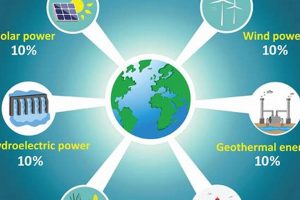
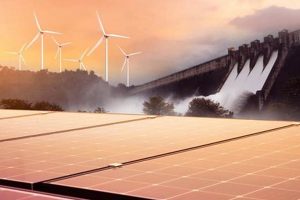
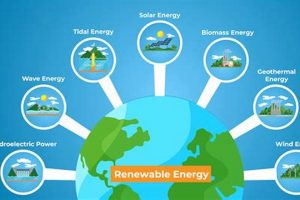
The evaluation of renewable energy sources involves assessing multiple factors, including resource availability, technological maturity, environmental impact, and economic viability. Hydropower, solar, wind, geothermal, and biomass represent prominent examples of energy derived from naturally replenishing resources. Each possesses unique characteristics that dictate its suitability for various applications and geographic locations.
The significance of renewable energy lies in its potential to mitigate climate change, enhance energy security, and foster sustainable development. Historically, reliance on fossil fuels has resulted in greenhouse gas emissions and geopolitical instability. Transitioning to renewable alternatives offers a pathway to reduced carbon footprints, diversified energy portfolios, and the creation of new economic opportunities. Investment in renewable energy technologies is crucial for long-term environmental and societal well-being.
A comprehensive examination of these various renewable options necessitates a detailed analysis of their respective strengths, weaknesses, and deployment challenges. Consideration must be given to the long-term implications of each technology, including its environmental footprint, social impact, and contribution to a reliable and resilient energy grid. Understanding these nuances is paramount for informed decision-making and effective implementation of renewable energy strategies.
Determining Viable Renewable Energy Options
Evaluating renewable energy sources requires a systematic approach that considers multiple factors. Each energy source presents specific advantages and disadvantages which affect its overall suitability.
Tip 1: Assess Resource Availability: Conduct a thorough resource assessment to determine the potential of each renewable source within a specific geographic location. Solar irradiance data, wind speed maps, geothermal gradients, and biomass inventories are critical for informed decision-making.
Tip 2: Analyze Technological Maturity: Consider the maturity of the technologies associated with each renewable source. Established technologies, such as hydropower and mature wind turbine designs, offer proven reliability and lower risk compared to emerging technologies.
Tip 3: Evaluate Environmental Impact: Assess the environmental footprint of each renewable energy source across its entire lifecycle. Land use requirements, potential impacts on wildlife, and water consumption should be carefully considered.
Tip 4: Examine Economic Viability: Perform a comprehensive economic analysis to determine the cost-effectiveness of each renewable energy source. Levelized Cost of Energy (LCOE) calculations, project financing options, and long-term maintenance costs are essential components of this assessment.
Tip 5: Investigate Grid Integration Challenges: Evaluate the challenges associated with integrating variable renewable energy sources, such as solar and wind, into the existing electricity grid. Grid modernization efforts, energy storage solutions, and demand response programs are necessary to ensure grid stability.
Tip 6: Understand Policy and Regulatory Frameworks: Become familiar with the existing policy and regulatory frameworks that govern renewable energy development. Government incentives, permitting requirements, and grid interconnection standards can significantly impact project feasibility.
Tip 7: Prioritize Energy Storage Solutions: Integrate energy storage solutions with renewable energy projects to address intermittency issues. Battery storage, pumped hydro storage, and thermal energy storage can enhance grid reliability and enable greater utilization of renewable energy.
Successfully navigating the complexities of renewable energy adoption requires a multifaceted approach. Comprehensive evaluation of resource availability, technological maturity, environmental impact, economic viability, and grid integration challenges is essential for the effective selection and deployment of sustainable energy solutions.
These considerations contribute to a more informed decision-making process, promoting the responsible and efficient integration of renewable energy sources into the energy landscape.
1. Availability

Resource availability forms a foundational constraint in determining the optimal renewable energy source. The geographic distribution and temporal consistency of a renewable resource profoundly impact the feasibility, cost-effectiveness, and scalability of its corresponding energy technology.
- Geographic Constraints on Solar Energy
Solar irradiance, the amount of solar radiation received in a given area, varies significantly by latitude, climate, and local weather patterns. Regions with consistently high solar irradiance, such as deserts or areas near the equator, exhibit a greater potential for solar energy generation compared to areas with frequent cloud cover or shorter daylight hours. This geographic limitation directly influences the economic viability and overall contribution of solar energy to a regional energy portfolio.
- Wind Resource Dependence
Wind energy relies heavily on consistent and predictable wind patterns. Optimal wind resources are typically found in coastal regions, mountain passes, and open plains. Wind turbine placement must consider wind speed, direction, and turbulence to maximize energy capture. Variability in wind patterns, both seasonally and diurnally, necessitates energy storage solutions or grid management strategies to ensure a reliable power supply.
- Hydropower and Topographical Limitations
Hydropower development is inherently linked to the availability of suitable river systems with sufficient water flow and topographic relief. Dam construction and reservoir creation can provide a consistent source of electricity but may also lead to significant environmental impacts, including habitat alteration and displacement of communities. The limited number of suitable sites restricts the overall potential for hydropower expansion in many regions.
- Geothermal Potential and Geological Factors
Geothermal energy harnesses heat from the Earth’s interior. High-temperature geothermal resources, suitable for electricity generation, are typically found in volcanically active regions or areas with significant geothermal gradients. Lower-temperature geothermal resources can be utilized for direct heating applications or ground-source heat pumps, expanding the geographic applicability of geothermal energy. However, the availability of economically viable geothermal resources remains geographically constrained.
The selection of an appropriate renewable energy source necessitates a thorough assessment of resource availability. The geographic distribution, temporal consistency, and potential environmental impacts associated with each resource must be carefully considered to ensure long-term sustainability and cost-effectiveness. Ignoring these factors can lead to inefficient investments and unrealized energy production goals.
2. Cost-Effectiveness

Cost-effectiveness is a paramount consideration in determining viable renewable energy sources. The economic viability of an energy source directly impacts its potential for widespread adoption and its ability to compete with established fossil fuel technologies. Initial capital investments, operational expenses, and maintenance costs collectively contribute to the overall economic profile of a renewable energy project. If the cost to produce energy from a renewable source significantly exceeds that of conventional sources, its implementation may be limited despite its environmental benefits.
The levelized cost of energy (LCOE) serves as a standardized metric for comparing the economic competitiveness of various energy technologies. This metric calculates the present value of the total cost of building and operating a power plant over its lifetime, divided by the total electricity generated over that period. A lower LCOE indicates greater cost-effectiveness. For example, utility-scale solar and wind projects have experienced significant cost reductions in recent years, making them increasingly competitive with natural gas power plants in many regions. Government subsidies, tax incentives, and technological advancements play a crucial role in improving the cost-effectiveness of renewable energy sources.
Ultimately, the long-term success of renewable energy hinges on its ability to provide affordable and reliable power. Ongoing research and development efforts aimed at reducing capital costs, improving energy conversion efficiencies, and streamlining operational processes are essential for ensuring the continued competitiveness of renewable energy technologies. Addressing cost-effectiveness challenges will facilitate the broader deployment of renewable sources and accelerate the transition to a sustainable energy future.
3. Environmental Footprint

Evaluating the environmental consequences associated with renewable energy sources is crucial in determining the overall sustainability and long-term viability of these technologies. While often perceived as inherently benign, renewable energy installations possess environmental footprints that warrant careful consideration.
- Land Use Implications
Renewable energy projects often necessitate substantial land areas. Solar farms, wind turbine arrays, and biomass plantations compete with agricultural land and natural habitats, potentially leading to deforestation, habitat fragmentation, and biodiversity loss. The siting of these projects requires careful planning to minimize ecological disruption. For example, large-scale solar installations in desert ecosystems can negatively impact native plant and animal communities.
- Water Consumption and Hydrological Impacts
Certain renewable energy technologies, such as hydropower and concentrated solar power (CSP) with cooling systems, can significantly impact water resources. Hydropower dams alter river flow regimes, affecting aquatic ecosystems and downstream water availability. CSP plants require substantial water for cooling, potentially straining water resources in arid regions. Sustainable water management practices are essential for mitigating these hydrological impacts.
- Material Extraction and Manufacturing Impacts
The production of renewable energy technologies, including solar panels, wind turbines, and batteries, necessitates the extraction of raw materials and complex manufacturing processes. These activities can result in greenhouse gas emissions, air and water pollution, and resource depletion. Life cycle assessments are critical for evaluating the full environmental cost of renewable energy systems, from resource extraction to end-of-life disposal.
- Waste Management and Recycling Challenges
End-of-life management of renewable energy components, such as solar panels and wind turbine blades, poses significant challenges. The disposal of these materials can generate substantial waste streams and potential environmental contamination if not properly managed. Developing effective recycling and reuse strategies is essential for minimizing the environmental impact of renewable energy systems over their entire lifespan.
A comprehensive assessment of the environmental footprint of renewable energy sources is crucial for informed decision-making. While renewable energy offers substantial environmental benefits compared to fossil fuels, mitigating potential negative impacts requires careful planning, responsible resource management, and the development of sustainable manufacturing and waste management practices. Prioritizing environmental considerations ensures that the transition to renewable energy truly contributes to a sustainable future.
4. Technological Maturity

Technological maturity is a pivotal factor in determining the viability and suitability of any renewable energy source. This attribute reflects the degree of development, refinement, and proven performance of a given technology. Mature technologies, such as hydropower and certain wind turbine designs, benefit from established manufacturing processes, extensive operational data, and well-defined maintenance protocols. These factors contribute to lower project risks, more predictable energy output, and reduced operational costs. Conversely, emerging technologies may offer greater potential for future efficiency gains but often involve higher upfront costs, unproven reliability, and greater uncertainty regarding long-term performance. The level of technological maturity directly influences the economic competitiveness and practical deployability of a renewable energy source. A prime example is the rapid decline in solar photovoltaic (PV) costs over the past decade, driven by advancements in manufacturing and materials science, resulting in increased adoption rates and grid parity in many regions.
The assessment of technological maturity extends beyond basic functionality to encompass factors such as scalability, integration with existing infrastructure, and the availability of skilled personnel for operation and maintenance. For instance, while advanced geothermal systems offer the potential for baseload power generation, their widespread deployment is currently limited by the complexity of subsurface drilling techniques, the lack of standardized regulatory frameworks, and the need for specialized expertise. Similarly, the integration of variable renewable energy sources, such as solar and wind, into existing electricity grids requires sophisticated grid management technologies and energy storage solutions to ensure grid stability and reliability. The absence of mature grid integration technologies can hinder the full utilization of these renewable resources.
In conclusion, technological maturity serves as a critical benchmark in evaluating the suitability of renewable energy sources. While emerging technologies hold promise for future energy solutions, established and well-refined technologies often offer more immediate and cost-effective pathways to decarbonization. A balanced approach that combines investment in research and development for novel technologies with the deployment of mature and proven solutions is essential for achieving a sustainable and resilient energy future. Furthermore, addressing the challenges associated with grid integration and workforce development is crucial for maximizing the potential of all renewable energy sources.
5. Scalability

Scalability, the capacity to increase production to meet rising demand, is a vital attribute in determining the efficacy of any renewable energy source. A renewable energy source deemed ideal must demonstrate the potential for significant expansion without encountering prohibitive limitations. This includes factors such as resource availability, technological constraints, infrastructure requirements, and economic feasibility. The practical effect of scalability manifests in the ability to displace substantial portions of fossil fuel-based energy generation, thereby contributing meaningfully to decarbonization efforts. For example, solar photovoltaic (PV) technology exhibits relatively high scalability due to the widespread availability of sunlight and advancements in manufacturing processes. However, large-scale deployment necessitates significant land use and grid infrastructure investments. Conversely, geothermal energy, while offering a consistent baseload power source, faces scalability challenges due to its geographic limitations and complex drilling requirements.
The assessment of scalability also involves evaluating the environmental consequences of large-scale deployment. While renewable energy sources are generally considered more environmentally benign than fossil fuels, their expansion can lead to habitat disruption, water resource depletion, and material extraction impacts. Careful planning and mitigation strategies are essential to minimize these adverse effects. Wind energy, for instance, requires large land areas and can pose a threat to avian wildlife. Hydropower, while a mature technology, can alter river ecosystems and displace communities. Scalability, therefore, must be evaluated not only in terms of energy output but also in consideration of environmental sustainability. Furthermore, scalability should be considered in the context of energy storage solutions. A renewable energy source that can be easily paired with effective and scalable storage technologies, such as battery storage or pumped hydro, gains a significant advantage in terms of grid reliability and overall system performance.
Ultimately, the scalability of a renewable energy source is a crucial determinant of its long-term contribution to a sustainable energy future. Scalability intersects with resource availability, technological advancements, economic viability, and environmental sustainability. A comprehensive evaluation of these factors is necessary to identify the most promising renewable energy pathways and to guide strategic investments in energy infrastructure and research and development. Overcoming scalability barriers requires innovation in materials science, manufacturing processes, grid integration technologies, and energy storage solutions. By prioritizing scalability, policymakers and energy stakeholders can facilitate the widespread adoption of renewable energy sources and accelerate the transition to a low-carbon economy.
Frequently Asked Questions
This section addresses common inquiries regarding the evaluation and selection of renewable energy sources, focusing on objective criteria and established industry practices.
Question 1: What primary factors govern the determination of an ideal renewable energy source?
The selection of an optimal renewable energy source necessitates a comprehensive assessment of resource availability, technological maturity, economic viability, environmental impact, and grid integration challenges. These factors collectively influence the suitability of each renewable option for specific contexts.
Question 2: How is resource availability assessed when evaluating renewable energy sources?
Resource assessments involve the collection and analysis of data related to the geographic distribution and temporal consistency of renewable resources. This includes solar irradiance data, wind speed maps, geothermal gradients, and biomass inventories. Accurate resource assessments are crucial for determining the potential of each renewable source within a specific geographic location.
Question 3: What role does technological maturity play in selecting renewable energy technologies?
Technological maturity reflects the degree of development and proven performance of a given technology. Established technologies, such as hydropower and mature wind turbine designs, offer greater reliability and lower risk compared to emerging technologies. The selection of renewable energy technologies should consider both their maturity and their potential for future efficiency gains.
Question 4: How is the economic viability of renewable energy sources evaluated?
Economic viability is typically assessed using the levelized cost of energy (LCOE) metric, which calculates the total cost of building and operating a power plant over its lifetime, divided by the total electricity generated. Lower LCOE values indicate greater cost-effectiveness. Factors such as capital costs, operational expenses, and government incentives influence the economic viability of renewable energy projects.
Question 5: What are the primary environmental concerns associated with renewable energy deployment?
While renewable energy sources are generally considered more environmentally benign than fossil fuels, their deployment can lead to land use impacts, water consumption, material extraction concerns, and waste management challenges. Careful planning and mitigation strategies are essential for minimizing these adverse effects.
Question 6: How are grid integration challenges addressed when incorporating variable renewable energy sources?
Integrating variable renewable energy sources, such as solar and wind, into existing electricity grids requires grid modernization efforts, energy storage solutions, and demand response programs. These strategies enhance grid stability and enable greater utilization of renewable energy while maintaining a reliable power supply.
The selection of an appropriate renewable energy source demands a holistic and data-driven approach. Consideration of these frequently asked questions and their corresponding responses will contribute to more informed decision-making in the renewable energy sector.
The subsequent sections will delve into specific case studies and examples of successful renewable energy deployments, illustrating the practical application of these principles.
Determining the Optimal Renewable Energy Source
The preceding analysis underscores the multifaceted nature of identifying an ideal renewable energy source. No single option uniformly excels across all critical criteria. Resource availability, technological maturity, economic viability, environmental footprint, and scalability each contribute to a complex calculus that demands careful consideration. The optimal choice is highly context-dependent, varying with geographic location, energy demand profiles, and existing infrastructure.
Ultimately, a diversified portfolio of renewable energy sources, strategically deployed and intelligently integrated, represents the most robust path towards a sustainable energy future. Continued investment in research and development, coupled with supportive policy frameworks, will be essential to unlock the full potential of all renewable energy technologies and to facilitate a transition away from dependence on fossil fuels. A comprehensive and adaptive approach, prioritizing both environmental responsibility and economic practicality, is paramount to achieving long-term energy security and mitigating the impacts of climate change.