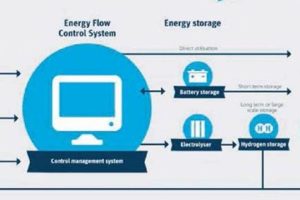
Copper’s high electrical conductivity and durability make it essential for renewable energy systems. For instance, photovoltaic solar panels utilize copper wiring to transport generated electricity, while wind turbines rely on copper in their generators, cabling, and transformers. Even geothermal and hydroelectric systems employ copper for efficient power transmission and distribution.
This metal’s role is crucial for achieving sustainable energy goals. Its efficiency minimizes energy loss during transmission and distribution, enhancing the overall performance of renewable energy infrastructure. Historically, copper has been a cornerstone of electrical systems, but its significance in the burgeoning renewable sector is even more pronounced, contributing to a greener future. The metal’s recyclability further enhances its sustainability profile.
The following sections delve deeper into the specific applications of copper within various renewable energy technologies, examining the technical details and highlighting the unique advantages this versatile metal offers.
Tips for Optimizing Copper Use in Renewable Energy Systems
Maximizing the efficacy of copper in renewable energy applications requires careful consideration of several factors. These tips offer guidance on optimizing performance and sustainability.
Tip 1: Prioritize High-Purity Copper: Electrical conductivity is directly influenced by copper purity. Employing high-purity copper minimizes resistance and energy loss during transmission, enhancing the overall system efficiency.
Tip 2: Employ Optimized Cable Sizing: Correct cable sizing is crucial. Undersized cables can overheat, leading to energy loss and safety risks, while oversized cables represent unnecessary material expenditure.
Tip 3: Implement Effective Corrosion Protection: Copper, though durable, can corrode in certain environments. Implementing appropriate protective measures, such as coatings or specialized alloys, ensures longevity and sustained performance.
Tip 4: Explore Advanced Copper Alloys: Specific copper alloys offer enhanced properties like increased strength and corrosion resistance, making them ideal for demanding applications in offshore wind farms or geothermal systems.
Tip 5: Design for Recyclability: Coppers high recyclability contributes to its sustainability. Designing systems with future recycling in mind simplifies material recovery and reduces environmental impact.
Tip 6: Consider Lifecycle Costs: While initial material costs are a factor, evaluating lifecycle costs, including maintenance and replacement, provides a more comprehensive understanding of long-term value.
Tip 7: Adhere to Industry Standards: Compliance with industry best practices and standards ensures safety, reliability, and optimal performance of copper components in renewable energy systems.
Implementing these strategies enhances the performance, longevity, and sustainability of renewable energy systems by leveraging the unique properties of copper.
The concluding section will summarize the key findings and reiterate the critical role of copper in the transition to a sustainable energy future.
1. Electrical Wiring

Electrical wiring forms the backbone of any renewable energy system, serving as the crucial link between energy generation and its eventual utilization. Copper’s dominance in this area stems from its superior electrical conductivity, durability, and resistance to corrosion, making it an ideal material for transmitting the often high currents generated by renewable sources.
- Conductivity and Efficiency:
Copper’s high electrical conductivity ensures minimal energy loss during transmission. This efficiency is paramount in renewable energy systems, where maximizing output is crucial. For instance, in large-scale solar farms, kilometers of copper wiring connect individual panels, and even small reductions in resistance translate to significant gains in overall energy yield.
- Durability and Longevity:
Renewable energy installations often operate in challenging environments, exposed to the elements and temperature fluctuations. Copper’s inherent durability and resistance to degradation ensure the long-term reliability of the wiring infrastructure. Offshore wind farms, for example, benefit from copper’s resilience to saltwater corrosion, minimizing maintenance and replacement needs.
- Safety and Reliability:
The safety and reliability of electrical wiring are paramount in any energy system. Copper’s high melting point and resistance to overheating contribute to system safety, minimizing the risk of fires. This characteristic is particularly important in high-voltage applications within solar and wind farms.
- Recyclability and Sustainability:
Copper’s high recyclability aligns perfectly with the sustainability goals of renewable energy. Recovered copper can be re-used in new installations, reducing the environmental impact of mining and manufacturing. This closed-loop system further strengthens copper’s position as a key material for a sustainable energy future.
The properties of copper wiring directly impact the efficiency, reliability, and sustainability of renewable energy systems. From the vast wiring networks of solar farms to the complex circuitry within wind turbines, copper plays a vital role in enabling the transition to a cleaner energy future. Its unique combination of conductivity, durability, and recyclability makes it an indispensable component in the ongoing pursuit of sustainable power generation.
2. Generators

Generators are fundamental components in many renewable energy systems, tasked with converting mechanical energy into electrical power. Copper plays a crucial role in their construction and efficient operation, contributing significantly to the overall performance and sustainability of these systems.
- Electromagnetic Induction:
Generators operate on the principle of electromagnetic induction, where the rotation of a copper coil within a magnetic field induces an electrical current. The high electrical conductivity of copper ensures efficient current flow, maximizing energy conversion. For instance, in wind turbines, the rotating blades drive a generator containing copper coils, converting wind energy into usable electricity.
- Copper Rotor Windings:
The rotor, the rotating component of a generator, typically incorporates copper windings. These windings are carefully designed and constructed to optimize electromagnetic induction and minimize energy loss due to resistance. In hydroelectric power plants, the flow of water spins a turbine connected to a generator with copper rotor windings, generating electricity from the kinetic energy of the water.
- Stator Windings and Output:
The stator, the stationary part of the generator, also contains copper windings. These windings carry the generated electrical current to the power grid. Copper’s high conductivity ensures efficient transmission of this current, minimizing power loss and maximizing the output of the renewable energy system. Large-scale solar thermal power plants often use generators with copper stator windings to convert heat energy into electricity.
- Durability and Longevity in Demanding Environments:
Generators in renewable energy systems frequently operate in challenging conditions, such as the harsh marine environments of offshore wind farms or the high temperatures of geothermal power plants. Copper’s durability and resistance to corrosion ensure the long-term reliability and performance of these crucial components under demanding operating conditions.
The efficient operation of generators is essential for maximizing the output of renewable energy systems. Copper’s inherent properties, especially its high electrical conductivity and durability, make it a vital material in generator construction, ensuring optimal energy conversion and long-term reliability. The continued development of advanced copper alloys and winding designs further enhances the performance and sustainability of generators in the drive towards a cleaner energy future.
3. Transformers

Transformers play a critical role in renewable energy systems, enabling efficient voltage conversion for power transmission and distribution. These devices rely heavily on copper’s unique electrical properties, making this metal essential for optimizing energy flow and grid stability in renewable energy infrastructure.
- Voltage Transformation and Grid Integration:
Renewable energy sources often generate electricity at voltages unsuitable for direct grid integration. Transformers, utilizing copper windings, step up the voltage for efficient long-distance transmission, minimizing energy loss. Conversely, step-down transformers reduce the voltage to safe levels for end-users. This efficient voltage management, facilitated by copper’s conductivity, is crucial for integrating renewable energy sources into existing power grids.
- Copper Windings and Electromagnetic Induction:
Transformers operate based on the principle of electromagnetic induction. Two sets of copper coils, the primary and secondary windings, are wound around a shared magnetic core. The alternating current in the primary winding induces a magnetic field, which in turn induces a current in the secondary winding. Copper’s high conductivity ensures minimal energy loss during this process, maximizing transformer efficiency.
- Efficiency and Energy Loss Reduction:
Minimizing energy loss during transmission and distribution is paramount in renewable energy systems. Copper’s low electrical resistivity minimizes energy dissipation in transformer windings, contributing to higher overall system efficiency. This efficiency translates to greater utilization of generated renewable energy and reduces the need for additional generation capacity.
- Durability and Reliability in Diverse Environments:
Renewable energy installations are often located in challenging environments, from remote solar farms to offshore wind installations. Copper’s durability, resistance to corrosion, and ability to withstand temperature fluctuations ensure the reliable operation of transformers in these diverse conditions, minimizing maintenance requirements and maximizing system lifespan.
The efficient operation of transformers is crucial for integrating renewable energy sources into the power grid and delivering clean electricity to consumers. Copper’s exceptional electrical properties, combined with its durability and recyclability, make it an indispensable material in transformer construction, ensuring efficient voltage conversion and contributing significantly to the overall sustainability of renewable energy systems. As renewable energy capacity continues to expand, copper’s role in transformer technology remains vital for optimizing grid stability and maximizing the benefits of clean power generation.
4. Solar Panels
Solar panels, central to photovoltaic power generation, rely significantly on copper for efficient energy capture and transmission. This reliance stems from copper’s exceptional electrical conductivity and durability, making it a critical material in realizing the full potential of solar energy.
- Cell Interconnections:
Within each solar panel, numerous photovoltaic cells convert sunlight into electricity. Thin copper ribbons, often coated with silver for enhanced conductivity and solderability, interconnect these cells, creating a pathway for the generated current. These intricate networks ensure efficient current collection and minimize energy loss within the panel itself. The precise arrangement and quality of these copper interconnections directly impact the panel’s overall power output.
- Wiring and Cabling:
Copper wiring plays a critical role in transporting the generated electricity from the solar panels to the rest of the system. Heavier gauge copper cables connect panels to junction boxes and inverters, consolidating the direct current (DC) output. Further down the line, copper wiring within the balance-of-system components carries the converted alternating current (AC) to the power grid or local consumption points. The choice of appropriate cable size and insulation is crucial for minimizing energy loss and ensuring system safety.
- Junction Boxes and Connectors:
Junction boxes, essential components in solar panel installations, house critical connections and protective devices. Copper connectors within these boxes facilitate secure and reliable connections between the panel wiring and the broader system cabling. These connections must withstand environmental exposure and temperature fluctuations, highlighting the importance of copper’s durability and resistance to corrosion.
- Inverters and Power Conversion:
Solar panels produce DC electricity, which needs to be converted to AC for grid compatibility and most household applications. Inverters, responsible for this conversion, rely on copper components, including transformers and wiring, for efficient and reliable operation. The high conductivity of copper minimizes energy loss during the conversion process, maximizing the usable power output of the solar array.
Copper’s contribution to solar panel functionality extends beyond mere conductivity. Its durability ensures long-term performance in demanding outdoor environments, while its recyclability aligns with the sustainability goals of solar energy. From the intricate cell interconnections within individual panels to the robust cabling transmitting power to the grid, copper plays an essential role in enabling efficient and sustainable solar energy generation. The ongoing development of advanced copper alloys and manufacturing techniques further enhances the performance and longevity of solar panels, contributing to a cleaner and more sustainable energy future.
5. Wind Turbines

Wind turbines, key players in renewable energy generation, rely heavily on copper for efficient operation and power transmission. This dependence underscores copper’s significance in harnessing wind energy and contributing to a sustainable energy future. The following facets elaborate on the specific applications of copper within wind turbine technology.
- Generators:
At the heart of every wind turbine lies a generator, responsible for converting the mechanical energy of the rotating blades into electrical power. Copper plays a crucial role in the generator’s construction, particularly in the windings. These copper windings, subjected to a rotating magnetic field, generate the electrical current. The efficiency of this process relies heavily on copper’s high electrical conductivity, maximizing energy conversion and minimizing losses. For example, direct-drive wind turbines utilize large, low-speed generators that require substantial amounts of copper for their windings. The quality and configuration of these copper windings directly impact the generator’s performance and the overall efficiency of the wind turbine.
- Cabling and Wiring:
Extensive copper cabling within the wind turbine’s nacelle (the housing atop the tower) connects the generator to the base of the tower and transmits the generated electricity. This internal wiring must withstand vibrations and varying temperatures, highlighting the importance of copper’s durability and flexibility. Furthermore, copper cables running down the tower connect the turbine to the power grid, facilitating the distribution of generated electricity. Offshore wind farms, often located far from shore, require long, high-capacity copper cables for efficient power transmission to the mainland grid.
- Transformers:
Transformers, located within the nacelle or at the base of the wind turbine, play a crucial role in voltage regulation. These devices, utilizing copper windings, step up the voltage of the generated electricity for efficient long-distance transmission. Stepping up the voltage minimizes energy loss during transmission, which is particularly important in large wind farms located far from consumption centers. The efficiency of these transformers, dependent on copper’s conductivity, is crucial for maximizing the utilization of wind-generated power.
- Grounding Systems:
Copper’s conductivity and corrosion resistance make it ideal for grounding systems within wind turbines. These systems protect the turbine from lightning strikes and other electrical faults, ensuring operational safety and preventing damage to sensitive electronic components. A robust grounding system, often consisting of copper rods and cables, provides a low-resistance path to the earth, effectively dissipating potentially harmful electrical surges and safeguarding the wind turbine’s integrity.
Copper’s diverse applications within wind turbines highlight its vital contribution to harnessing wind energy. From the generator windings to the grounding system, copper’s electrical conductivity, durability, and resistance to corrosion are essential for efficient, reliable, and safe operation. As wind energy continues to expand its global footprint, copper’s role remains crucial for maximizing the output and longevity of wind turbines, driving progress toward a sustainable energy future.
6. Energy Storage

Energy storage is crucial for addressing the intermittent nature of renewable energy sources like solar and wind. Effective storage solutions enable a consistent energy supply, even when generation fluctuates. Copper, with its high electrical conductivity and durability, plays a significant role in various energy storage technologies, contributing to the reliability and efficiency of renewable energy systems.
- Batteries:
Batteries are a prominent energy storage technology, storing electricity chemically and releasing it when needed. Copper is essential in battery construction, particularly in current collectors and wiring. Copper’s high conductivity facilitates efficient current flow within the battery, maximizing charging and discharging rates. For example, lithium-ion batteries, commonly used in electric vehicles and grid-scale energy storage, utilize copper foils as current collectors. Copper’s role in battery performance is crucial for optimizing energy storage capacity and lifespan.
- Flow Batteries:
Flow batteries store energy in liquid electrolytes, offering scalability and long lifespans. Copper components, including piping, electrodes, and current collectors, are integral to flow battery systems. Copper’s corrosion resistance is particularly advantageous in handling the often corrosive electrolytes, ensuring system longevity and reliability. Vanadium redox flow batteries, used in large-scale energy storage applications, utilize copper extensively due to its chemical compatibility and conductivity. The durability and conductivity of copper contribute significantly to the efficiency and lifespan of flow battery systems.
- Pumped Hydro Storage:
Pumped hydro storage utilizes surplus energy to pump water uphill to a reservoir, releasing it downhill through turbines to generate electricity when needed. While not directly involved in the storage process itself, copper plays a crucial role in the power transmission infrastructure associated with pumped hydro. Copper cabling connects the turbines and generators to the grid, enabling efficient electricity delivery when demand exceeds renewable generation. Copper’s reliability in these high-power applications ensures the effective operation of pumped hydro storage systems.
- Thermal Energy Storage:
Thermal energy storage systems store energy as heat or cold, utilizing materials with high thermal capacity. Copper, though primarily known for its electrical conductivity, also exhibits good thermal conductivity. This property makes copper suitable for heat exchangers and piping within thermal storage systems, facilitating efficient heat transfer and distribution. Molten salt thermal storage, used in concentrated solar power plants, can utilize copper components for heat management, optimizing energy storage and retrieval. Copper’s role in these systems emphasizes its versatility in various aspects of renewable energy infrastructure.
The integration of efficient energy storage is essential for realizing the full potential of renewable energy. Copper’s diverse applications within various storage technologies, from batteries to pumped hydro, highlight its vital role in ensuring a reliable and sustainable energy supply. As renewable energy penetration increases, copper’s contribution to energy storage will become increasingly critical for grid stability and the seamless transition to a cleaner energy future. The ongoing development of advanced copper alloys and component designs further enhances the performance and longevity of energy storage systems, solidifying copper’s position as a key enabler of a sustainable energy landscape.
Frequently Asked Questions
This section addresses common inquiries regarding the utilization of copper in renewable energy systems, providing concise and informative responses.
Question 1: Why is copper preferred over other materials in renewable energy applications?
Copper’s high electrical conductivity, durability, and resistance to corrosion make it ideal for renewable energy systems. These properties minimize energy loss during transmission, ensure long-term reliability in challenging environments, and contribute to the overall sustainability of the systems.
Question 2: How does copper’s recyclability contribute to the sustainability of renewable energy?
Copper is highly recyclable, meaning it can be recovered and reused in new applications without significant degradation in performance. This reduces the need for new copper mining, minimizing environmental impact and promoting a circular economy within the renewable energy sector.
Question 3: What are the primary applications of copper in solar panel systems?
Copper is used extensively in solar panels for cell interconnections, wiring, cabling, junction boxes, and connectors. Its conductivity ensures efficient current flow, while its durability withstands environmental exposure, contributing to the long-term performance of solar panels.
Question 4: How does copper contribute to the efficiency of wind turbines?
Copper is crucial in wind turbine generators, cabling, transformers, and grounding systems. Its high conductivity maximizes energy conversion in generators and minimizes transmission losses, while its durability ensures reliable operation in demanding conditions.
Question 5: What role does copper play in energy storage technologies?
Copper is essential in various energy storage solutions, including batteries, flow batteries, and pumped hydro storage. Its conductivity facilitates efficient charging and discharging in batteries, while its corrosion resistance is beneficial in flow battery systems. In pumped hydro, copper cabling enables efficient power transmission.
Question 6: Are there any challenges associated with using copper in renewable energy, and how are they being addressed?
Copper’s price volatility and potential supply constraints can pose challenges. However, research into alternative materials, improved recycling processes, and more efficient copper usage in component design aim to mitigate these issues and ensure a sustainable supply chain for renewable energy technologies.
Understanding the critical role of copper in renewable energy systems is essential for fostering informed decision-making and promoting sustainable energy practices. The continued development and optimization of copper applications will further enhance the performance, reliability, and sustainability of renewable energy technologies.
This concludes the FAQ section. The next section will offer a glimpse into future trends and innovations in the use of copper within the renewable energy sector.
Conclusion
This exploration has revealed the diverse and critical applications of copper within renewable energy systems. From the intricate wiring in solar panels and the robust windings in wind turbine generators to the essential components of energy storage solutions, copper’s unique properties of high electrical conductivity, durability, and recyclability are indispensable for efficient and sustainable power generation. Its contribution spans across various renewable energy technologies, enabling efficient energy capture, transmission, and storage, ultimately facilitating the transition to a cleaner energy future. The analysis underscores the importance of optimizing copper usage through careful design, material selection, and adherence to industry best practices to maximize system performance and minimize environmental impact.
The future of renewable energy relies heavily on materials that can meet the demands of increasing energy production while minimizing environmental footprint. Copper stands out as a key enabler of this sustainable energy transition. Continued research and development into advanced copper alloys, innovative manufacturing techniques, and enhanced recycling processes will further solidify copper’s pivotal role in powering a cleaner and more sustainable world. Investing in responsible sourcing and efficient utilization of this versatile metal is crucial for realizing the full potential of renewable energy and securing a sustainable energy future for generations to come.