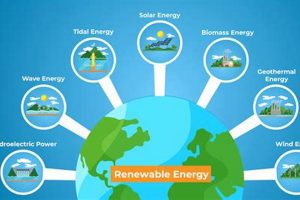
Harnessing power from sources like solar, wind, hydro, geothermal, and biomass offers significant potential for a sustainable energy future. However, widespread adoption and effective utilization of these resources necessitate overcoming several hurdles. These obstacles span technological, economic, political, and social domains, encompassing issues like intermittency, storage solutions, infrastructure development, and public acceptance.
A transition to sustainable energy systems is critical for mitigating climate change, reducing reliance on finite fossil fuels, and enhancing energy security. Historically, energy transitions have been driven by technological innovation and shifting economic landscapes. The current shift toward renewables presents a unique opportunity to build a more resilient and equitable energy future. Addressing the inherent complexities within this transition is crucial for achieving global sustainability goals and ensuring a reliable and affordable energy supply for all.
This exploration delves into the multifaceted aspects of transitioning to renewable energy, examining specific technological limitations, economic implications, policy considerations, and societal impacts. Further analysis will address potential solutions and pathways toward realizing the full potential of a renewable-powered world.
Successfully integrating renewable energy sources into existing infrastructure requires careful planning and strategic decision-making. The following tips offer guidance for addressing common obstacles and maximizing the benefits of renewable energy adoption.
Tip 1: Invest in Grid Modernization: Upgrading existing grid infrastructure is essential to accommodate the intermittent nature of renewable energy sources. Smart grids, advanced metering, and improved transmission lines can enhance grid stability and reliability.
Tip 2: Diversify Renewable Energy Portfolios: Relying on a mix of renewable energy technologies can mitigate the impact of intermittency. Combining solar, wind, hydro, and other sources can create a more consistent energy supply.
Tip 3: Prioritize Energy Storage Solutions: Developing and deploying cost-effective energy storage technologies, such as batteries and pumped hydro, is crucial for managing fluctuations in renewable energy generation.
Tip 4: Foster Public-Private Partnerships: Collaboration between governments, private sector companies, and research institutions can accelerate the development and deployment of renewable energy technologies.
Tip 5: Implement Supportive Policies and Regulations: Clear and consistent policies, such as feed-in tariffs, tax incentives, and renewable portfolio standards, can create a favorable environment for renewable energy investment.
Tip 6: Promote Community Engagement and Education: Public acceptance is crucial for successful renewable energy integration. Educational campaigns and community engagement initiatives can foster understanding and support for renewable energy projects.
Tip 7: Focus on Research and Development: Continued investment in research and development is essential for driving down the cost of renewable energy technologies and improving their efficiency and reliability.
Addressing these key areas can facilitate a smoother transition to a sustainable energy future, maximizing the environmental and economic benefits of renewable energy resources.
By considering these strategies, stakeholders can work together to unlock the full potential of renewable energy and create a cleaner, more resilient energy system.
1. Intermittency

Intermittency, the fluctuating nature of renewable energy sources like solar and wind, poses a significant challenge to their widespread adoption. Solar power generation depends on sunlight availability, varying with weather conditions and time of day. Similarly, wind power fluctuates with wind speed, creating unpredictable energy output. This variability creates a mismatch between energy supply and demand, requiring sophisticated management strategies to ensure grid stability and reliability.
For example, a cloud passing over a solar farm can drastically reduce energy output within seconds, while a sudden drop in wind speed can similarly impact wind farms. This inherent intermittency necessitates backup power sources, often from fossil fuels, or robust energy storage solutions to bridge the gaps in supply. Grid operators must constantly balance supply and demand, anticipating fluctuations and adjusting energy sources accordingly. The need for backup power can undermine the environmental benefits of renewable energy, while the development and implementation of storage solutions adds to the overall cost.
Understanding the nature and impact of intermittency is crucial for effective integration of renewable energy sources. Advanced forecasting technologies, smart grids, and diversified renewable portfolios can mitigate the challenges posed by intermittency. Further research and development in energy storage technologies, such as batteries and pumped hydro, are essential for maximizing the potential of renewable energy and ensuring a stable and reliable energy supply. Addressing intermittency is therefore fundamental for achieving a sustainable energy future.
2. Storage limitations
Storage limitations represent a critical challenge in maximizing the potential of renewable energy sources. The intermittent nature of solar and wind power necessitates efficient and cost-effective energy storage solutions to ensure a consistent and reliable power supply. Without adequate storage, surplus energy generated during peak production periods is often wasted, while periods of low generation require reliance on conventional power sources, undermining the environmental benefits of renewables. This dependence on traditional backup systems limits the overall contribution of renewable energy to the grid and hinders the transition to a fully sustainable energy system. For example, excess solar energy generated during sunny afternoons might not be available for use during peak demand in the evening without sufficient storage capacity.
The current state of energy storage technology presents significant limitations. Battery storage, while rapidly developing, remains expensive for large-scale grid applications. Pumped hydro storage, a mature technology, faces geographical constraints and potential environmental impacts. Other storage technologies, such as compressed air energy storage and thermal storage, are still under development and face technical and economic hurdles. These limitations hinder the ability to effectively store excess renewable energy, creating a bottleneck in the transition to a renewable-dominated energy landscape. The lack of readily available and cost-effective large-scale storage options restricts the ability to fully utilize renewable energy sources, particularly during periods of peak demand or intermittency.
Overcoming storage limitations is essential for unlocking the full potential of renewable energy. Continued research and development in battery technologies, exploration of alternative storage solutions, and integration of smart grid technologies are crucial for addressing this challenge. Advancements in storage capacity, efficiency, and cost-effectiveness will enable greater reliance on renewable energy sources, enhance grid stability, and facilitate the transition to a sustainable energy future. Addressing storage limitations is not merely a technical issue, but a crucial step towards realizing the economic and environmental benefits of a renewable energy-powered world.
3. Infrastructure Needs

Renewable energy integration presents significant infrastructure challenges. Existing grids, designed for centralized fossil fuel generation, often lack the capacity and flexibility to accommodate the distributed and intermittent nature of renewable sources. Upgrading and expanding this infrastructure is crucial for maximizing the benefits of renewable energy and ensuring a reliable and stable energy supply. This necessitates substantial investment and careful planning to address specific infrastructural requirements.
- Transmission Lines:
Renewable energy sources are often located far from demand centers, requiring new transmission lines to transport electricity across long distances. For example, large-scale solar farms in deserts need extensive transmission infrastructure to connect to urban areas. Constructing these lines can be expensive and time-consuming, encountering challenges related to land use, permitting, and environmental impact. Upgrading existing transmission infrastructure is also essential to handle increased capacity and accommodate the variable nature of renewable generation.
- Grid Modernization:
Modernizing the existing grid is crucial for integrating renewable energy sources effectively. Smart grids, incorporating advanced sensors, communication networks, and control systems, enable real-time monitoring and management of energy flow. This allows grid operators to better manage the intermittency of renewables, balance supply and demand, and enhance grid stability. For example, smart grids can predict and respond to fluctuations in solar and wind power generation, optimizing the use of energy storage and minimizing reliance on conventional power plants.
- Distribution Networks:
Distribution networks, the final stage of electricity delivery to consumers, also require upgrades to accommodate the increasing penetration of distributed renewable generation, such as rooftop solar panels. This includes strengthening local grids, installing advanced metering systems, and implementing demand-side management strategies. These upgrades are crucial for managing two-way power flows, ensuring grid stability, and maximizing the utilization of locally generated renewable energy.
- Energy Storage:
Developing and deploying large-scale energy storage facilities is essential for addressing the intermittency of renewable energy. Storage technologies, such as batteries, pumped hydro, and compressed air energy storage, can store excess energy generated during periods of high production and release it during periods of low generation or peak demand. For example, grid-scale batteries can store surplus solar power generated during the day and release it in the evening when demand is high, reducing reliance on fossil fuel-powered peaker plants.
These infrastructure needs represent significant financial investments and complex logistical undertakings. Addressing these challenges is crucial for unlocking the full potential of renewable energy and achieving a sustainable energy future. Delays or inadequate investment in infrastructure development can hinder the growth of renewable energy, limit its contribution to reducing greenhouse gas emissions, and undermine efforts to achieve energy independence. Successfully addressing these infrastructure challenges will pave the way for a more reliable, resilient, and sustainable energy system.
4. Environmental Impact
While renewable energy technologies offer a significantly cleaner alternative to fossil fuels, they are not without environmental impacts. Understanding these impacts is crucial for responsible development and deployment of renewable energy infrastructure, ensuring that the transition to a sustainable energy future minimizes unintended ecological consequences. Careful consideration of these factors is essential for balancing the benefits of renewable energy with potential environmental trade-offs.
- Land Use and Habitat Disruption:
Renewable energy projects, particularly large-scale solar and wind farms, can require significant land areas, potentially leading to habitat loss and fragmentation. For example, solar farms can alter desert ecosystems, impacting native plant and animal species. Similarly, wind farms can pose a threat to birds and bats through collisions with turbine blades. Careful site selection, mitigation measures, and ecological impact assessments are crucial for minimizing these impacts. Balancing land use needs for renewable energy with conservation priorities is essential for sustainable development.
- Manufacturing and Material Sourcing:
The manufacturing process for renewable energy technologies, such as solar panels and wind turbines, requires raw materials and energy inputs. Mining for materials like lithium, cobalt, and rare earth elements can have significant environmental consequences, including habitat destruction, water pollution, and greenhouse gas emissions. Promoting responsible sourcing practices, recycling of materials, and minimizing the environmental footprint of manufacturing processes are crucial for mitigating these impacts. Life-cycle assessments can provide valuable insights into the environmental impact of renewable energy technologies from cradle to grave.
- Water Usage:
Certain renewable energy technologies, such as concentrated solar power and hydroelectric dams, can require significant amounts of water for cooling or power generation. In water-scarce regions, this can exacerbate water stress and compete with other water uses, such as agriculture and human consumption. Careful consideration of water availability and potential impacts on aquatic ecosystems is essential for sustainable deployment of these technologies. Alternative cooling technologies and water-efficient designs can help minimize water usage in renewable energy generation.
- Waste Management:
Renewable energy technologies, like all technologies, eventually reach the end of their operational lifespan. The disposal of decommissioned solar panels and wind turbine blades presents waste management challenges. Recycling and reuse of components are crucial for minimizing the environmental impact of these materials and recovering valuable resources. Developing effective recycling programs and designing for disassembly and reuse are essential for sustainable waste management in the renewable energy sector.
Addressing these environmental impacts is crucial for ensuring that the transition to renewable energy delivers on its promise of a sustainable future. Minimizing land use impacts, promoting responsible material sourcing, reducing water consumption, and implementing effective waste management strategies are essential for maximizing the environmental benefits of renewable energy and minimizing unintended ecological consequences. Ongoing research, technological advancements, and policy interventions are crucial for further reducing the environmental footprint of renewable energy technologies and ensuring a truly sustainable energy future.
5. Economic Factors
Economic considerations play a crucial role in the transition to renewable energy. While long-term benefits are substantial, significant upfront investments and ongoing cost management are essential for successful integration. Understanding these economic factors is crucial for effective policy-making, investment decisions, and public acceptance of renewable energy technologies.
- Upfront Costs:
Renewable energy projects typically require substantial initial capital investment. The cost of manufacturing and installing solar panels, wind turbines, and associated infrastructure, such as transmission lines and energy storage systems, can be significant. This high upfront cost can be a barrier to entry for smaller developers and individuals, requiring innovative financing mechanisms and supportive policies to incentivize investment.
- Return on Investment:
While renewable energy projects offer long-term cost savings through reduced fuel costs and operational expenses, the payback period can be substantial. Factors such as energy prices, government incentives, and financing terms influence the return on investment. Accurate cost-benefit analyses and long-term financial planning are essential for assessing the economic viability of renewable energy projects and attracting investors.
- Job Creation and Economic Growth:
The renewable energy sector offers significant potential for job creation and economic growth. Manufacturing, installation, maintenance, and research and development activities within the renewable energy industry generate employment opportunities and stimulate economic activity. Targeted policies and investments can maximize these economic benefits and support a just transition for workers in traditional energy sectors. For example, retraining programs for fossil fuel workers can facilitate their transition to jobs in the renewable energy sector.
- Grid Integration Costs:
Integrating renewable energy sources into existing electricity grids requires significant infrastructure upgrades and grid modernization efforts. The costs associated with strengthening transmission lines, developing smart grid technologies, and implementing energy storage solutions contribute to the overall economic challenge of renewable energy integration. Strategic planning and investment in grid infrastructure are crucial for maximizing the effectiveness and minimizing the cost of integrating renewable energy.
These economic factors significantly influence the pace and trajectory of renewable energy adoption. Addressing these challenges requires a combination of policy interventions, technological advancements, and market-driven solutions. Supportive policies, such as tax incentives, feed-in tariffs, and renewable portfolio standards, can stimulate investment and accelerate the deployment of renewable energy technologies. Continued innovation in manufacturing processes, materials science, and energy storage solutions can reduce costs and enhance the economic competitiveness of renewable energy. Understanding and effectively managing these economic factors is crucial for unlocking the full potential of renewable energy and achieving a sustainable energy future.
6. Geopolitical Influences

Geopolitical factors exert a significant influence on the development and deployment of renewable energy, presenting both opportunities and challenges. International relations, trade policies, resource availability, and political stability all impact the transition to a renewable energy future. Understanding these influences is crucial for navigating the complex landscape of renewable energy development and achieving global sustainability goals.
Resource Dependence and Supply Chain Security: The shift to renewable energy technologies often creates new dependencies on specific raw materials, such as lithium, cobalt, and rare earth elements, essential for battery production, solar panels, and wind turbines. The uneven distribution of these resources globally creates potential vulnerabilities and geopolitical competition. For example, a significant portion of the world’s lithium reserves is concentrated in a few countries, leading to concerns about supply chain security and price volatility. International cooperation and diversification of supply chains are crucial for mitigating these risks and ensuring equitable access to essential resources.
International Agreements and Cooperation: International agreements, such as the Paris Agreement on climate change, play a vital role in promoting renewable energy adoption and setting global targets for emissions reductions. These agreements foster collaboration between countries, facilitate technology transfer, and provide a framework for addressing global challenges related to climate change and energy security. However, varying levels of commitment and enforcement mechanisms can pose challenges to effective implementation. For instance, differing national priorities and economic interests can hinder progress towards achieving shared goals. Strengthening international cooperation and establishing robust monitoring and evaluation mechanisms are essential for maximizing the effectiveness of these agreements.
Political Stability and Policy Uncertainty: Political instability and policy uncertainty in certain regions can create significant risks for renewable energy investments. Changes in government regulations, incentives, and trade policies can impact project feasibility and investor confidence. For example, abrupt changes in feed-in tariffs or renewable portfolio standards can discourage investment and hinder the growth of the renewable energy sector. Establishing stable and predictable policy frameworks is crucial for attracting investment and fostering long-term growth in the renewable energy market. Transparent and consistent regulatory environments are essential for promoting investor confidence and enabling sustainable development of renewable energy projects.
Navigating these geopolitical influences effectively requires a multi-faceted approach. International cooperation, diversification of resource supply chains, robust policy frameworks, and strategic investments in research and development are crucial for mitigating risks and maximizing the benefits of renewable energy. Understanding the interplay of these geopolitical factors is essential for achieving a sustainable and equitable energy future. Ignoring these influences can lead to unintended consequences, hindering the progress towards a global transition to renewable energy and jeopardizing efforts to mitigate climate change. Effective management of these geopolitical challenges is therefore critical for unlocking the full potential of renewable energy and securing a sustainable energy future for all.
Frequently Asked Questions about Renewable Energy Challenges
This section addresses common inquiries regarding the obstacles encountered in transitioning to renewable energy sources. Clear and concise responses aim to provide a deeper understanding of the complexities involved.
Question 1: How does the intermittency of renewable energy sources impact grid stability?
The fluctuating nature of solar and wind power generation requires sophisticated grid management strategies to balance supply and demand. Intermittency can lead to grid instability if not adequately addressed through energy storage solutions, grid modernization, and diversified renewable portfolios.
Question 2: What are the primary limitations of current energy storage technologies?
Current energy storage technologies face limitations in terms of cost, scalability, and efficiency. Battery storage, while rapidly developing, remains expensive for large-scale grid applications. Other technologies, like pumped hydro, face geographical constraints and potential environmental impacts.
Question 3: Why is grid modernization crucial for integrating renewable energy?
Grid modernization, including the development of smart grids, is essential for managing the variability of renewable energy sources. Smart grids enable real-time monitoring and control of energy flow, optimizing the use of renewable generation and enhancing grid stability.
Question 4: What are the key environmental impacts associated with renewable energy technologies?
While generally less impactful than fossil fuels, renewable energy technologies can have environmental consequences related to land use, manufacturing processes, water usage, and waste management. Careful planning and mitigation strategies are essential for minimizing these impacts.
Question 5: How do economic factors influence the adoption of renewable energy?
Economic considerations, such as high upfront costs, return on investment, and grid integration expenses, play a significant role in renewable energy adoption. Supportive policies and technological advancements are crucial for addressing these economic challenges.
Question 6: How do geopolitical factors impact the development of renewable energy?
Geopolitical influences, including resource availability, international agreements, and political stability, can significantly impact the development and deployment of renewable energy technologies. International cooperation and strategic planning are essential for navigating these complexities.
Addressing these challenges through technological innovation, policy interventions, and international collaboration is crucial for realizing the full potential of renewable energy and achieving a sustainable energy future. Understanding these complexities allows for informed decision-making and effective strategies for maximizing the benefits of renewable energy sources.
The subsequent sections will delve deeper into specific renewable energy technologies, exploring their unique characteristics, advantages, and challenges in greater detail.
Challenges with Renewable Energy
Exploration of the obstacles hindering widespread renewable energy adoption reveals a complex interplay of technical, economic, environmental, and geopolitical factors. Intermittency, storage limitations, infrastructure needs, environmental impacts, economic considerations, and geopolitical influences present significant hurdles. Successfully addressing these interconnected challenges requires a multifaceted approach involving technological innovation, strategic policy implementation, and international collaboration. Overcoming these obstacles is not merely a technological endeavor; it necessitates a fundamental shift in how energy systems are designed, financed, and managed.
The transition to a sustainable energy future hinges on effectively addressing the inherent challenges associated with renewable energy sources. Continued investment in research and development, coupled with supportive policies and public awareness campaigns, is crucial for accelerating the deployment of renewable energy technologies and realizing their full potential. The pursuit of a cleaner, more resilient, and equitable energy future demands a concerted global effort to overcome these challenges and unlock the transformative power of renewable energy. The future of energy relies on successfully navigating these complexities and forging a path towards a sustainable energy landscape.