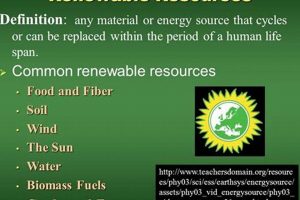
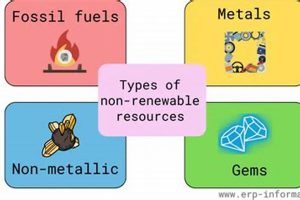
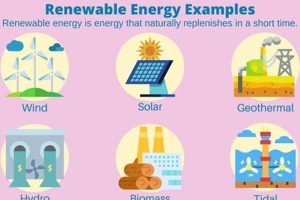
Sources of power that stand apart from conventional fossil fuels, such as coal, oil, and natural gas, represent a shift toward more sustainable practices. These power sources encompass a wide range of options, including solar, wind, geothermal, and hydropower. Bioenergy, derived from organic matter, also falls under this category, offering another pathway to generate electricity and fuel.
The significance of these energy options lies in their potential to mitigate environmental impacts associated with traditional energy production. They typically produce lower greenhouse gas emissions, reducing contributions to climate change. Furthermore, these options can enhance energy security by diversifying energy sources and decreasing reliance on finite fossil fuel reserves. Historically, the development and adoption of these sources have been driven by increasing environmental awareness and technological advancements.
The following sections will delve deeper into specific types of these sustainable power sources, examining their respective technologies, applications, and the challenges associated with their widespread implementation. These explorations will provide a comprehensive understanding of the current landscape and the future potential of sustainable power generation.
Strategies for Effective Resource Implementation
The successful integration of sustainable energy options requires careful planning and execution. The following strategies outline key considerations for optimizing their use and maximizing their benefits.
Tip 1: Prioritize Resource Assessment: Conduct thorough assessments of available sustainable resources, considering geographical factors, climate conditions, and resource availability. This informs optimal technology selection and project feasibility.
Tip 2: Invest in Advanced Grid Infrastructure: Develop robust and flexible grid systems capable of accommodating intermittent power generation from sources like solar and wind. Smart grid technologies enhance grid stability and efficiency.
Tip 3: Implement Supportive Policies: Establish clear and consistent government policies, including incentives, tax credits, and regulatory frameworks, to encourage investment and deployment of sustainable energy projects.
Tip 4: Foster Public-Private Partnerships: Encourage collaboration between public and private sectors to leverage expertise, resources, and financial investments for large-scale sustainable energy initiatives.
Tip 5: Promote Energy Storage Solutions: Integrate energy storage technologies, such as batteries and pumped hydro, to address the intermittency of renewable energy sources and ensure a reliable power supply.
Tip 6: Emphasize Energy Efficiency Measures: Combine the deployment of sustainable energy with energy efficiency improvements across all sectors, reducing overall energy demand and optimizing resource utilization.
Tip 7: Encourage Community Engagement: Involve local communities in the planning and development of sustainable energy projects to ensure social acceptance and address potential concerns.
These strategies highlight the need for a comprehensive approach to sustainable energy deployment, considering technical, economic, policy, and social factors. Effective implementation will contribute to a more sustainable and resilient energy future.
The subsequent sections will present case studies and real-world examples of successful resource implementation, illustrating the practical application of these strategies.
1. Renewable Replenishment

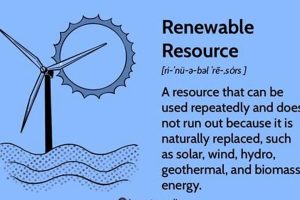
Renewable replenishment is a core characteristic defining power options beyond conventional fossil fuels. The inherent ability of sources like solar, wind, and hydro to be naturally restored distinguishes them from depletable resources. This regenerative capability is not merely a feature; it is a foundational aspect of non-traditional power sources, influencing their environmental and economic viability. Solar energy, for example, continuously replenishes via solar irradiation, allowing for sustained electricity generation through photovoltaic systems. Similarly, wind patterns are a perpetually renewing energy source that can be harnessed through wind turbines. The dependence on continually available natural processes offers a stark contrast to the finite reserves of fossil fuels, which are extracted at rates exceeding their natural formation.
The integration of power sources that offer ongoing replenishment mechanisms presents significant practical advantages. By reducing reliance on finite resources, nations can enhance their energy security and mitigate the impact of fluctuating fossil fuel prices. Furthermore, the diminished carbon footprint associated with the use of renewable sources supports global efforts to combat climate change. Consider, for example, Denmark’s wind energy sector, which generates a substantial portion of the nation’s electricity from a perpetually replenished resource. The long-term stability and environmental benefits associated with these renewable options make them increasingly attractive alternatives to traditional energy systems.
Understanding the principle of resource regeneration is essential for the effective deployment of alternative power solutions. Challenges, such as the intermittent nature of solar and wind power, necessitate investments in energy storage technologies and grid modernization. Nevertheless, the inherent sustainability of these replenished sources positions them as critical components of a future energy landscape that prioritizes environmental stewardship and energy security. Effective implementation of these approaches has the potential to minimize the negative impact of resource extraction on the environment.
2. Reduced Emissions

The concept of reduced emissions is intrinsically linked to power alternatives, serving as a primary impetus for their development and deployment. Traditional fossil fuels are a major source of greenhouse gases and other pollutants, contributing to climate change and air quality degradation. Power options that diverge from these conventional sources offer a pathway to significantly curtail these emissions. For instance, solar and wind energy, during operation, produce negligible air pollutants or greenhouse gases, offering a cleaner power generation profile. The reduction in emissions stems directly from the nature of these sources, which do not require the combustion of carbon-based fuels to generate electricity.
The importance of reduced emissions is underscored by growing global concerns regarding climate change and its associated environmental and health impacts. The deployment of sources such as geothermal and hydro power, when managed sustainably, contributes to decreasing reliance on fossil fuels and, consequently, to minimizing emissions. Consider Germany’s Energiewende policy, which aims to transition the nation to a low-carbon economy by increasing the proportion of renewable energy sources in its energy mix. A tangible effect of this policy is the decline in the nation’s greenhouse gas emissions, showcasing the direct impact of power alternatives on environmental quality. Similarly, the expansion of electric vehicle use, powered by renewable energy, further diminishes emissions from the transportation sector.
Understanding the connection between minimized emissions and power alternatives is practically significant for policymakers, energy companies, and consumers. It informs decisions about energy investments, technology development, and individual consumption patterns. Challenges, such as the intermittency of some renewable sources, must be addressed to fully realize the emissions reduction potential. However, the fundamental role of minimized emissions in defining sustainable power systems cannot be overstated. The pursuit of cleaner energy sources is essential for mitigating climate change, protecting public health, and ensuring long-term environmental sustainability.
3. Diversified Supply

Diversified supply, in the context of alternative power options, refers to the strategy of utilizing a variety of energy sources to reduce reliance on any single fuel type. This approach enhances energy security, mitigates risks associated with price volatility, and improves overall system resilience.
- Geographic Distribution
Geographic distribution of sources across diverse locations minimizes the risk of widespread disruptions due to regional events, such as natural disasters or geopolitical instability. For instance, combining solar farms in sunny regions with wind farms in windy areas creates a more stable supply. Germany’s decentralized energy policy, promoting renewable installations across various regions, exemplifies this approach.
- Technological Variety
Employing a variety of power generating technologies, including solar photovoltaics, wind turbines, geothermal plants, and hydroelectric facilities, offers redundancy and adaptability. Each technology has unique strengths and weaknesses, and their combined deployment reduces vulnerability to specific technological failures or resource limitations. An example is Iceland, which utilizes geothermal and hydroelectric resources, lessening its dependence on imported fossil fuels.
- Fuel Source Mix
A fuel source mix that includes multiple power sources mitigates the economic impacts of price fluctuations in any single commodity. For example, a balanced portfolio incorporating bioenergy, solar, wind, and hydropower provides a hedge against price volatility in fossil fuel markets. Brazil’s use of sugarcane-based ethanol alongside hydropower demonstrates this approach.
- Scale of Deployment
Diversifying supply also involves varying the scale of projects, from large-scale power plants to distributed generation systems like rooftop solar panels. Distributed generation enhances grid resilience and reduces transmission losses. Germany’s widespread adoption of rooftop solar panels is an example of this diversified deployment scale.
These facets of diversified supply contribute to a more robust and sustainable energy system. The combined effect enhances energy security, mitigates risks, and promotes the adoption of cleaner power sources. Strategic integration of varied resources ensures long-term stability and adaptability.
4. Technological Innovation
Technological innovation is integral to the advancement and widespread adoption of power options beyond conventional fossil fuels. It drives down costs, enhances efficiency, and expands the applicability of these power options, thus making them more competitive and accessible.
- Enhanced Efficiency in Energy Capture
Innovations in materials science and engineering have led to significant improvements in the efficiency of energy capture. For example, advanced solar cell designs, such as perovskite cells and multi-junction cells, offer higher conversion efficiencies compared to traditional silicon-based cells. Similarly, advancements in wind turbine blade design, including larger rotor diameters and optimized airfoil shapes, maximize energy extraction from wind resources. These developments directly enhance the economic viability of power sources by increasing energy output from a given input.
- Improved Energy Storage Technologies
The intermittency of sources like solar and wind necessitates the development of advanced energy storage technologies. Innovations in battery technology, such as lithium-ion, flow batteries, and solid-state batteries, are enabling more efficient and cost-effective storage of electricity. Other storage solutions, including pumped hydro and compressed air energy storage, offer large-scale storage capabilities. These technologies are critical for ensuring a reliable and consistent power supply, thereby facilitating the integration of renewable energy into the grid.
- Smart Grid Advancements
Smart grid technologies are revolutionizing the way electricity is distributed and managed. Smart grids utilize advanced sensors, communication networks, and data analytics to optimize grid performance, improve reliability, and enable the integration of distributed power generation sources. Innovations such as smart meters, advanced metering infrastructure (AMI), and grid automation technologies allow for real-time monitoring and control of power flows, reducing transmission losses and enhancing grid stability. These advancements are essential for supporting the widespread adoption of distributed sources and ensuring grid stability.
- Reduced Manufacturing Costs
Innovation in manufacturing processes is driving down the cost of power technologies. For example, advancements in automated manufacturing techniques for solar panels and wind turbine components are reducing production costs and increasing economies of scale. These cost reductions make non-conventional energy sources more competitive with fossil fuels, accelerating their deployment. Moreover, research into new materials and production methods promises further cost reductions in the future.
These technological advancements are transforming the energy landscape, making them more viable and accessible. Continuous innovation is essential for overcoming the challenges associated with integrating these resources into existing energy systems and for ensuring a sustainable energy future.
5. Sustainability Practices

The effective implementation of energy options beyond conventional fossil fuels necessitates the integration of sustainability practices across all stages, from resource extraction to energy distribution and waste management. These practices ensure that energy alternatives do not merely shift environmental burdens but genuinely contribute to a more sustainable energy ecosystem.
- Life Cycle Assessment
Life Cycle Assessment (LCA) is a comprehensive methodology used to evaluate the environmental impacts associated with all stages of a product or service, from raw material extraction through manufacturing, use, and end-of-life disposal. In the context of energy, LCA helps identify potential environmental hotspots in the power cycle, such as the mining of raw materials for solar panels or the disposal of wind turbine blades. By conducting thorough LCAs, stakeholders can make informed decisions about resource selection, process optimization, and waste management, ensuring that non-traditional energy projects minimize their overall environmental footprint. For instance, evaluating the LCA of different battery technologies for energy storage can help identify options with lower carbon emissions and resource depletion impacts.
- Responsible Sourcing of Materials
The manufacturing of technology required for power generation beyond conventional sources often relies on specific materials, such as rare earth elements for wind turbine magnets or lithium for batteries. Responsible sourcing of these materials involves ensuring that mining and extraction practices adhere to stringent environmental and social standards, minimizing habitat destruction, water pollution, and human rights abuses. Certification schemes, such as the Initiative for Responsible Mining Assurance (IRMA), provide a framework for verifying responsible sourcing practices. By prioritizing materials from certified sources, stakeholders can contribute to the sustainability of the power supply chain. For example, sourcing conflict-free minerals for the production of solar panels helps ensure that the expansion of solar energy does not inadvertently contribute to social or environmental harm.
- Waste Reduction and Recycling
Waste reduction and recycling are essential components of sustainability practices in the power sector. These practices involve minimizing waste generation throughout the manufacturing, operation, and decommissioning phases of alternative facilities. For example, implementing efficient manufacturing processes can reduce material waste during the production of solar panels. At the end of their operational life, power facilities should be properly decommissioned, and recyclable materials should be recovered and reused. Establishing robust recycling programs for solar panels, wind turbine blades, and batteries is crucial for minimizing landfill waste and recovering valuable resources. Countries such as Germany and Japan have implemented comprehensive recycling programs for power components, setting a global standard for sustainable waste management practices.
- Community Engagement and Social Equity
Engaging with local communities and promoting social equity are vital aspects of sustainable power development. This involves actively involving communities in the planning and decision-making processes for power projects, addressing their concerns, and ensuring that projects benefit local populations. Social equity considerations include fair employment practices, access to affordable energy, and the avoidance of disproportionate environmental impacts on vulnerable communities. For example, developing power projects in consultation with Indigenous communities, respecting their land rights and cultural heritage, promotes both environmental and social sustainability. Furthermore, ensuring that the benefits of non-traditional energy, such as cleaner air and local job creation, are distributed equitably across different social groups is essential for building a sustainable and just power system.
Integrating these sustainability practices into power projects ensures that these options contribute to a more environmentally sound and socially equitable energy future. By adopting a holistic approach that considers the entire life cycle, promotes responsible sourcing, reduces waste, and engages with communities, stakeholders can maximize the benefits of energy alternatives while minimizing their potential negative impacts. Effective adoption requires the engagement of diverse stakeholders, including government agencies, private companies, and community organizations, to ensure that power transitions support long-term sustainability goals.
Frequently Asked Questions
This section addresses common inquiries regarding the concept. It aims to provide clear and concise answers to foster a better understanding of sustainable power options.
Question 1: What distinguishes sources beyond conventional fossil fuels from traditional energy sources?
The primary distinction lies in the resource’s renewability and environmental impact. Traditional sources, like coal and oil, are finite and generate significant greenhouse gas emissions. Options such as solar, wind, and geothermal are replenished naturally and produce considerably fewer emissions.
Question 2: What are the main types and their respective applications?
The primary classifications include solar, wind, hydro, geothermal, and biomass. Solar is commonly used for electricity generation and water heating. Wind energy is utilized for large-scale electricity production. Hydropower harnesses the energy of flowing water. Geothermal taps into the Earth’s internal heat for electricity and heating. Biomass involves converting organic matter into energy.
Question 3: What role does energy storage play in facilitating the use of energy options beyond conventional fossil fuels?
Energy storage is critical for addressing the intermittent nature of certain resources like solar and wind. Storage technologies, such as batteries and pumped hydro, store excess energy generated during peak production periods and release it when demand exceeds supply, ensuring a reliable power supply.
Question 4: How does technological innovation contribute to the advancement of power options beyond traditional sources?
Technological innovation enhances the efficiency, reduces the cost, and expands the applicability of these sources. Advancements in solar cell technology, wind turbine design, and smart grid infrastructure are driving the increased adoption and competitiveness of resources that are sustainable.
Question 5: What are the economic considerations associated with implementing power options beyond fossil fuels?
Economic considerations include upfront investment costs, operating and maintenance expenses, and potential revenue streams. While initial investment costs may be higher, long-term operating costs are often lower due to reduced fuel expenses. Government incentives, tax credits, and carbon pricing mechanisms can further enhance the economic viability of these technologies.
Question 6: What are some of the challenges associated with the widespread adoption of energy options beyond traditional sources?
Challenges include intermittency, grid integration issues, high upfront costs, and the need for infrastructure upgrades. Overcoming these challenges requires continued technological innovation, supportive government policies, and strategic planning to ensure a smooth transition to a sustainable energy future.
In summary, the utilization of power sources beyond conventional fossil fuels presents a multifaceted approach to energy production. Its successful implementation requires consideration of environmental, economic, and technological factors.
The following section will explore case studies that showcase successful implementations of sustainable power systems globally.
Conclusion
The preceding exploration has established the multifaceted nature of what is alternative energy resources. It has elucidated the definition, encompassing solar, wind, hydro, geothermal, and biomass, as distinct from conventional fossil fuels. The importance of these options stems from their renewability, reduced emissions, diversified supply potential, reliance on technological innovation, and adherence to sustainability practices. Effective implementation requires strategic planning, supportive policies, and robust infrastructure.
The transition towards these power sources presents both opportunities and challenges. Sustained investment in research and development, coupled with responsible resource management, remains critical. The imperative to mitigate climate change, enhance energy security, and foster sustainable development demands a continued commitment to exploring and deploying energy resources beyond traditional fossil fuels.
![Guide to What Energy Resources Are Renewable [+Future] | Renewable Energy Solutions for a Sustainable Future | Clean & Green Power](https://pplrenewableenergy.com/wp-content/uploads/2026/03/th-516-300x200.jpg "Guide to What Energy Resources Are Renewable [+Future] Renewable Energy Solutions for a Sustainable Future | Clean & Green Power")