Colorado’s burgeoning clean energy sector offers diverse employment opportunities spanning various skill sets and educational backgrounds. Positions range from technical roles like wind turbine technicians and solar panel installers to managerial, sales, and policy-related jobs. This dynamic field supports the development, implementation, and maintenance of technologies harnessing resources like wind, solar, hydro, and geothermal energy.
Growth in this sector contributes significantly to Colorado’s economy, creating jobs, fostering innovation, and reducing reliance on traditional fossil fuels. This shift towards sustainable practices not only benefits the environment by mitigating greenhouse gas emissions but also strengthens energy independence and security. Historically, Colorado has been a leader in embracing clean energy initiatives, laying a strong foundation for continued expansion and investment in the sector.
The following sections will explore specific career paths within Colorado’s clean energy sector, including required qualifications, potential salary expectations, and future growth projections. Further discussion will highlight relevant training programs and resources available to those interested in pursuing a career in this dynamic and impactful field.
Tips for Pursuing Clean Energy Careers in Colorado
Navigating the diverse landscape of Colorado’s clean energy job market requires strategic planning and focused effort. The following tips offer valuable insights for individuals seeking opportunities in this growing sector.
Tip 1: Identify Specific Areas of Interest: The clean energy sector encompasses a broad range of specializations. Researching specific areas such as solar installation, wind turbine maintenance, or energy policy development allows for targeted skill development and job searching.
Tip 2: Develop Relevant Skills: Acquiring technical skills through certifications and training programs enhances marketability. Programs focused on solar photovoltaic installation, wind turbine technology, or energy efficiency auditing are valuable examples.
Tip 3: Network with Industry Professionals: Attending industry events, joining professional organizations, and connecting with individuals already working in the field can provide valuable insights, mentorship, and potential job leads.
Tip 4: Research Companies and Organizations: Understanding the specific needs and focus areas of companies operating within Colorado’s clean energy sector helps tailor applications and demonstrate genuine interest.
Tip 5: Stay Updated on Industry Trends: The clean energy sector is constantly evolving. Staying informed about emerging technologies, policy changes, and market trends ensures competitiveness and relevance.
Tip 6: Leverage Online Resources: Utilizing online job boards, professional networking platforms, and industry-specific websites can broaden job search efforts and provide access to a wider range of opportunities.
Tip 7: Highlight Transferable Skills: Even without direct experience in the clean energy sector, transferable skills from related fields, such as project management, data analysis, or engineering, can be valuable assets.
By following these tips, prospective candidates can effectively position themselves for success in Colorado’s dynamic and growing clean energy job market.
These preparatory steps are essential for individuals embarking on a clean energy career path in Colorado, contributing to both personal career growth and the state’s sustainable future.
1. Solar Installation

Solar installation represents a significant portion of Colorado’s renewable energy career landscape. The increasing demand for solar energy systems creates numerous opportunities for skilled professionals. This sector encompasses a range of roles, from system design and installation to maintenance and repair, contributing substantially to the state’s clean energy transition.
- Residential Solar Installation
Residential solar installations involve designing and installing photovoltaic (PV) systems on homes and smaller buildings. This includes assessing energy needs, selecting appropriate equipment, securing permits, and ensuring proper system interconnection. Demand in this area is driven by increasing consumer interest in reducing energy costs and environmental impact. Residential installers play a crucial role in expanding solar adoption throughout Colorado.
- Commercial Solar Installation
Commercial solar installations involve larger-scale projects for businesses, government buildings, and industrial facilities. These projects require specialized expertise in managing complex systems, integrating with existing infrastructure, and maximizing energy production. Growth in this area is fueled by corporate sustainability goals and declining solar technology costs, leading to increased demand for qualified commercial installers in Colorado.
- Solar System Maintenance and Repair
Maintaining and repairing existing solar installations is essential for ensuring optimal performance and longevity. Technicians diagnose and troubleshoot system issues, replace faulty components, and perform routine maintenance tasks. As the number of solar installations in Colorado continues to rise, the demand for skilled maintenance and repair professionals grows correspondingly, ensuring the continued efficiency and effectiveness of the state’s solar energy infrastructure.
- Solar Design and Engineering
Designing and engineering solar energy systems requires specialized knowledge of PV technology, electrical systems, and structural engineering. Professionals in this area create system layouts, specify equipment, and ensure compliance with building codes and safety regulations. This expertise is vital for optimizing system performance, maximizing energy generation, and ensuring the safe and reliable operation of solar installations across Colorado.
These facets of solar installation contribute significantly to Colorado’s renewable energy sector, driving job creation, economic growth, and the state’s transition toward a cleaner energy future. The continued expansion of solar energy capacity will further solidify the importance of these roles in Colorado’s sustainable energy landscape.
2. Wind Turbine Technician

Wind turbine technicians play a crucial role in Colorado’s renewable energy sector, contributing directly to the operation and maintenance of wind energy facilities. This technically demanding field requires specialized skills and training, making qualified technicians essential for ensuring the reliable performance of wind power generation across the state.
- Installation and Commissioning
Installation and commissioning of wind turbines involve assembling large components, connecting electrical systems, and testing functionality. Technicians work at heights, often in remote locations, requiring physical stamina and adherence to strict safety protocols. This phase is critical for ensuring the safe and effective integration of new wind turbines into Colorado’s energy grid.
- Maintenance and Repair
Maintaining and repairing wind turbines is essential for maximizing energy production and extending the lifespan of these complex machines. Technicians perform routine inspections, diagnose malfunctions, replace worn components, and troubleshoot electrical and mechanical systems. This continuous upkeep ensures the ongoing contribution of wind energy to Colorado’s power supply.
- Troubleshooting and Diagnostics
Troubleshooting and diagnostics require advanced technical knowledge to identify and resolve issues affecting turbine performance. Technicians utilize specialized software, diagnostic tools, and their understanding of complex systems to pinpoint problems, implement solutions, and minimize downtime. Effective troubleshooting capabilities are essential for maintaining the reliability and efficiency of wind energy operations in Colorado.
- Inspections and Performance Monitoring
Regular inspections and performance monitoring are critical for ensuring the long-term health and optimal output of wind turbines. Technicians collect data on turbine performance, analyze trends, and identify potential problems before they escalate. This proactive approach helps optimize energy generation, prevent costly repairs, and extend the operational life of wind energy assets in Colorado.
The expertise of wind turbine technicians is fundamental to the continued growth and success of Colorado’s wind energy sector. Their specialized skills in installation, maintenance, troubleshooting, and performance monitoring ensure the reliable and efficient generation of clean energy, contributing significantly to the state’s sustainable energy goals and economic development. As wind energy capacity expands, the demand for skilled technicians in Colorado is projected to increase, solidifying the importance of this career path in the state’s renewable energy future.
3. Energy Policy Analyst
Energy policy analysts play a critical role in shaping Colorado’s renewable energy landscape. Their expertise bridges the gap between technological advancements and legislative frameworks, influencing the growth and development of the sector. They analyze existing policies, assess their effectiveness, and propose modifications or new initiatives to promote renewable energy adoption. This analysis considers factors such as economic incentives, environmental regulations, and grid integration challenges. For instance, an analyst might evaluate the impact of state tax credits for solar installations or assess the feasibility of integrating more wind power into the existing electricity grid. Their work directly impacts investment decisions, technological innovation, and the overall trajectory of Colorado’s clean energy transition. Understanding the intricacies of energy markets, regulatory processes, and stakeholder interests is fundamental to their contribution.
Practical applications of their work include developing policy recommendations for state legislators, conducting cost-benefit analyses of different renewable energy projects, and evaluating the environmental impact of proposed energy policies. They may work for government agencies, research institutions, or private consulting firms, providing valuable insights to guide decision-making at various levels. For example, an analyst might contribute to the development of a state renewable portfolio standard (RPS), a policy requiring electricity providers to source a certain percentage of their power from renewable sources. Another example involves assessing the potential job creation associated with investments in large-scale solar projects. Their analyses inform policy decisions that shape the future of renewable energy development and deployment within Colorado.
Effective energy policy is essential for accelerating the transition to a sustainable energy future in Colorado. Analysts play a crucial role in navigating the complex interplay of economic, environmental, and political factors influencing this transition. Their work provides evidence-based insights that guide policy development, stimulate investment, and foster innovation in the renewable energy sector. Addressing challenges such as grid modernization, energy storage solutions, and equitable access to clean energy requires rigorous policy analysis and informed decision-making. The continued growth and success of Colorado’s renewable energy sector depend significantly on the contributions of skilled energy policy analysts.
4. Project Management

Project management forms a critical backbone for renewable energy initiatives in Colorado. Successful execution of complex projects, from initial planning and development through construction and operation, requires skilled project managers to ensure projects stay on track, within budget, and meet performance goals. This role is integral to the continued expansion and success of the state’s renewable energy sector.
- Planning and Development
The initial stages of a renewable energy project, including feasibility studies, site selection, permitting, and securing financing, necessitate meticulous planning and coordination. Project managers oversee these processes, ensuring all necessary steps are taken and regulatory requirements are met. For instance, a project manager might oversee the environmental impact assessment for a proposed wind farm, coordinating with specialists and regulatory agencies to ensure compliance.
- Budgeting and Cost Control
Renewable energy projects often involve substantial financial investments. Project managers develop detailed budgets, track expenditures, and implement cost control measures throughout the project lifecycle. This includes negotiating contracts with suppliers, managing resources effectively, and mitigating potential financial risks. For example, a project manager might analyze different financing options for a solar installation project, comparing the costs and benefits of various loan structures or tax incentives.
- Timeline Management and Scheduling
Meeting project deadlines is crucial in the fast-paced renewable energy sector. Project managers develop comprehensive schedules, coordinate activities across multiple teams, and monitor progress to ensure timely completion. They address any delays or unforeseen challenges, adapting plans as needed to maintain project momentum. For example, a project manager overseeing the construction of a hydroelectric dam might adjust the schedule to account for unexpected weather delays or supply chain disruptions.
- Risk Management and Mitigation
Renewable energy projects face various risks, including regulatory changes, technological challenges, and environmental factors. Project managers identify potential risks, develop mitigation strategies, and implement contingency plans to minimize disruptions and ensure project success. For instance, a project manager for a geothermal power plant might develop a plan to address potential seismic activity or changes in local regulations affecting geothermal development.
Effective project management is fundamental to the successful development and deployment of renewable energy projects in Colorado. By skillfully navigating the complexities of planning, budgeting, scheduling, and risk management, project managers ensure that these projects contribute effectively to the state’s clean energy goals, creating jobs, stimulating economic growth, and fostering a sustainable energy future.
5. Sustainable Engineering
Sustainable engineering plays a vital role in advancing renewable energy careers in Colorado. It focuses on designing and implementing environmentally responsible solutions that address the growing demand for clean energy. By integrating principles of sustainability into engineering practices, professionals contribute significantly to the development, deployment, and optimization of renewable energy technologies across the state. This approach fosters innovation and drives the transition towards a more sustainable energy future.
- Energy Efficiency Design
Optimizing energy consumption in buildings and industrial processes is a key focus of sustainable engineering. Engineers specializing in energy efficiency analyze energy usage patterns, identify areas for improvement, and implement design modifications to minimize waste. For instance, they might incorporate passive solar design principles into building construction or develop energy-efficient HVAC systems. This focus on reducing energy demand directly supports the growth of renewable energy sources by lessening the overall burden on the energy grid.
- Renewable Energy System Integration
Integrating renewable energy sources, such as solar and wind power, into existing infrastructure requires specialized engineering expertise. Sustainable engineers design and implement grid interconnection systems, develop energy storage solutions, and optimize the performance of renewable energy facilities. For example, they might design a microgrid system for a remote community, incorporating solar panels, wind turbines, and battery storage to ensure a reliable and sustainable power supply. This integration expertise is crucial for maximizing the benefits of renewable energy and reducing reliance on traditional fossil fuels.
- Life Cycle Assessment
Evaluating the environmental impact of renewable energy technologies throughout their entire lifecycle is essential for ensuring genuine sustainability. Sustainable engineers conduct life cycle assessments, considering factors such as material sourcing, manufacturing processes, operational emissions, and end-of-life disposal. This comprehensive analysis helps identify potential environmental trade-offs and informs the development of more sustainable solutions. For example, they might assess the environmental impact of different solar panel materials, considering factors like energy consumption during manufacturing and potential for recycling at the end of the panel’s lifespan. This approach ensures that renewable energy development minimizes its environmental footprint.
- Water Resource Management
Sustainable engineering addresses the water resource implications of renewable energy development. Engineers design and implement water-efficient technologies, minimize water consumption in energy generation processes, and develop strategies for managing water resources sustainably. For instance, they might design a closed-loop cooling system for a concentrated solar power plant, minimizing water usage in arid regions. This focus on water conservation is particularly relevant in Colorado, where water resources are often limited.
These facets of sustainable engineering are essential for driving innovation and ensuring the responsible development of renewable energy resources in Colorado. By integrating sustainable practices into every stage of the project lifecycle, from design and construction to operation and decommissioning, engineers contribute significantly to the growth of the clean energy sector, the creation of green jobs, and the long-term environmental and economic health of the state. The continued expansion of renewable energy in Colorado relies heavily on the expertise and innovation of sustainable engineers.
6. Environmental Consulting
Environmental consulting plays a crucial role in the development and implementation of renewable energy projects in Colorado. Consultants provide expertise in navigating complex environmental regulations, assessing potential ecological impacts, and developing mitigation strategies. This specialized knowledge is essential for ensuring that renewable energy development proceeds in an environmentally responsible manner, balancing the benefits of clean energy with the need to protect natural resources.
A key aspect of environmental consulting in the renewable energy sector involves conducting environmental impact assessments (EIAs). These assessments evaluate the potential effects of a proposed project on air and water quality, wildlife habitats, and other environmental factors. For example, an EIA for a wind farm project would assess the potential impact on bird and bat populations, noise levels, and visual impacts on the surrounding landscape. Consultants collect data, conduct analyses, and develop recommendations to minimize negative impacts and ensure compliance with environmental regulations. This information is crucial for informing project design, securing permits, and engaging with stakeholders. Real-world examples include assessing the impact of solar farms on desert ecosystems or evaluating the effects of hydroelectric dams on riverine ecology. The insights provided by environmental consultants help developers make informed decisions that minimize environmental disruption and promote sustainable development.
The practical significance of environmental consulting in Colorado’s renewable energy sector cannot be overstated. Compliance with state and federal environmental regulations is essential for project approval and long-term viability. Consultants provide critical support in navigating these regulations, ensuring that projects meet stringent environmental standards. This expertise helps prevent costly delays, legal challenges, and reputational damage. Furthermore, environmental consulting promotes public trust and acceptance of renewable energy projects. By addressing environmental concerns proactively and transparently, developers can build stronger relationships with communities and foster greater support for clean energy initiatives. This collaborative approach is crucial for accelerating the transition to a sustainable energy future in Colorado. The insights and recommendations provided by environmental consultants directly contribute to the responsible development and deployment of renewable energy projects, ensuring that the state’s clean energy goals are achieved while safeguarding its valuable natural resources.
Frequently Asked Questions about Renewable Energy Careers in Colorado
This section addresses common inquiries regarding career opportunities within Colorado’s renewable energy sector. The information provided aims to offer clarity and guidance for those interested in pursuing a career in this dynamic field.
Question 1: What are the typical entry-level educational requirements for renewable energy jobs in Colorado?
Entry-level positions often require a high school diploma or equivalent, combined with relevant technical training or certifications. Some roles may benefit from an associate’s or bachelor’s degree in fields like engineering, environmental science, or related disciplines. Specific requirements vary depending on the chosen career path.
Question 2: How can one gain practical experience in the field to enhance job prospects?
Internships, apprenticeships, and volunteer opportunities offer valuable hands-on experience. Participating in industry-related projects, workshops, and training programs can also demonstrate practical skills and commitment to potential employers.
Question 3: What is the average salary range for renewable energy professionals in Colorado?
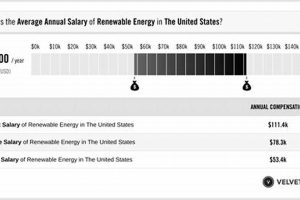
Salaries vary significantly based on factors like experience, education, job title, and specific employer. Entry-level positions may start around $40,000 annually, while experienced professionals in specialized roles can earn upwards of $100,000 or more per year. Resources such as industry salary surveys provide more detailed compensation information.
Question 4: Are there specific certifications or licenses required for certain renewable energy jobs?
Certain roles, such as electricians working on solar installations or wind turbine technicians, may require specific certifications or licenses. Researching the requirements for the desired career path is essential for ensuring proper qualifications.
Question 5: What are the projected growth prospects for renewable energy jobs in Colorado?
The renewable energy sector in Colorado is expected to experience continued growth in the coming years. Factors like state and federal policies supporting clean energy, declining technology costs, and increasing public awareness of environmental issues contribute to positive job growth projections. Industry reports and economic forecasts offer more specific growth estimates.
Question 6: What resources are available for individuals seeking employment in Colorado’s renewable energy sector?
Several resources provide job search assistance, training opportunities, and industry information. State agencies, professional organizations, online job boards, and educational institutions offer valuable tools and support for individuals pursuing renewable energy careers.
Understanding these key aspects of renewable energy careers in Colorado helps individuals make informed decisions about their career paths. Thorough research, relevant skill development, and proactive networking are crucial for success in this growing and impactful field.
For further exploration, the following section will delve into specific career paths and their respective requirements, offering a more granular view of the diverse opportunities within Colorado’s renewable energy landscape.
Renewable Energy Careers
Colorado’s transition to a clean energy economy presents significant opportunities for skilled professionals. This exploration of renewable energy careers within Colorado has highlighted the diverse range of roles available, from technical positions like solar installers and wind turbine technicians to those requiring specialized expertise in areas like project management, sustainable engineering, and environmental consulting. The analysis underscored the importance of relevant education, training, and certifications for success in this competitive yet rewarding field. Furthermore, the discussion emphasized the crucial role of policy analysis in shaping the state’s energy landscape and the ongoing need for skilled professionals to navigate the complex interplay of economic, environmental, and regulatory factors.
The continued growth of Colorado’s renewable energy sector offers promising career prospects for individuals seeking to contribute to a sustainable future. The dynamic nature of this field demands ongoing adaptation and innovation, creating a constant need for skilled professionals dedicated to advancing clean energy solutions. Investing in education, training, and professional development within this sector not only benefits individual career trajectories but also strengthens Colorado’s commitment to a cleaner, more resilient energy future.