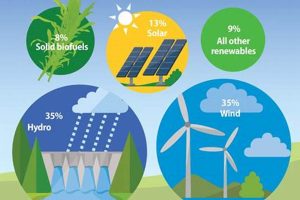
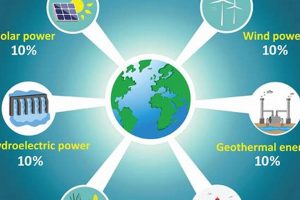
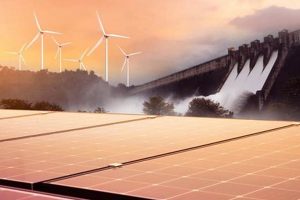
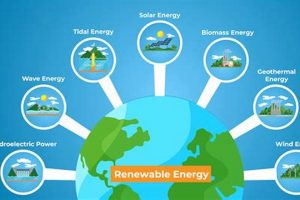
The integration of alternative power generation methods presents a complex set of hurdles. These obstacles span technological limitations, economic viability concerns, infrastructure inadequacies, and societal acceptance issues. For example, the intermittent nature of solar and wind power necessitates advanced storage solutions and grid management strategies to ensure a consistent energy supply. Furthermore, the high upfront capital costs associated with constructing renewable energy facilities can be a significant deterrent to widespread adoption.
Overcoming these obstacles is critical for achieving global sustainability goals and mitigating the impacts of climate change. A successful transition to a cleaner energy future promises numerous advantages, including reduced reliance on fossil fuels, enhanced energy security, and the creation of new economic opportunities. Historically, advancements in renewable energy technologies have been driven by both environmental concerns and the desire for energy independence, leading to significant innovation and decreasing costs.
The following sections will delve deeper into specific technological limitations currently facing widespread adoption. The discussion will include constraints related to energy storage, materials science, and grid integration. Further investigation will consider economic barriers, encompassing high initial investments, unpredictable return on investment, and the need for supportive policy frameworks. Finally, this exploration addresses infrastructural and societal roadblocks, such as the geographical limitations of certain resources, land use conflicts, and public perception challenges.
Addressing Impediments to Renewable Energy Adoption
Successfully transitioning to a sustainable energy future requires a comprehensive strategy to mitigate existing obstacles. The following recommendations aim to provide actionable insights for policymakers, researchers, and investors involved in advancing the renewable energy sector.
Tip 1: Invest in Advanced Energy Storage Technologies: The intermittency of solar and wind resources necessitates reliable energy storage solutions. Funding research and development in battery technology, pumped hydro storage, and thermal energy storage is crucial for ensuring grid stability and consistent power supply.
Tip 2: Develop Robust Grid Infrastructure: Modernizing and expanding the electrical grid is essential for accommodating the integration of distributed renewable energy sources. This includes investments in smart grid technologies, transmission lines, and grid management systems capable of handling bidirectional power flow.
Tip 3: Implement Supportive Policy Frameworks: Governments should establish clear and consistent policies that incentivize renewable energy development and deployment. This can include feed-in tariffs, tax credits, renewable portfolio standards, and carbon pricing mechanisms.
Tip 4: Promote Public Awareness and Education: Addressing public perception challenges requires effective communication strategies that highlight the benefits of renewable energy and dispel misinformation. Educational programs can foster greater acceptance and support for renewable energy projects.
Tip 5: Streamline Permitting and Regulatory Processes: Complex and time-consuming permitting processes can significantly delay renewable energy projects. Governments should streamline these processes while ensuring environmental safeguards are maintained.
Tip 6: Foster International Collaboration: Sharing knowledge, best practices, and technological advancements across borders is crucial for accelerating the global transition to renewable energy. International partnerships can facilitate technology transfer and reduce development costs.
Tip 7: Address Land Use Conflicts: Careful planning and stakeholder engagement are essential for minimizing land use conflicts associated with large-scale renewable energy projects. This includes conducting thorough environmental impact assessments and prioritizing brownfield sites for development.
Overcoming these barriers requires sustained effort and collaboration from all stakeholders. By addressing these challenges, it becomes possible to unlock the full potential of renewable energy sources and create a more sustainable and resilient energy future.
The final section will synthesize the key findings presented and offer a conclusive perspective on the ongoing evolution of the renewable energy landscape.
1. Intermittency

Intermittency, the inconsistent or irregular availability of renewable energy resources, poses a significant challenge to their large-scale integration into existing power grids. This characteristic fundamentally affects grid stability, energy storage requirements, and the overall reliability of renewable energy sources.
- Variability in Solar Radiation
Solar energy generation fluctuates based on daily and seasonal cycles, as well as weather conditions such as cloud cover. This variability necessitates backup power sources or energy storage solutions to maintain a consistent electricity supply. For example, a solar farm might generate substantial power during peak sunlight hours but produce significantly less or none during cloudy days or at night. This unpredictability complicates grid management and requires careful forecasting and operational strategies.
- Wind Speed Fluctuations
Wind energy production is highly dependent on wind speed, which can vary considerably within short periods. Wind turbines may generate little to no electricity during periods of low wind or face shutdowns during extremely high winds to prevent damage. This variability necessitates geographical diversification of wind farms and advanced forecasting techniques to predict power output accurately. Furthermore, integrating wind energy into the grid requires flexible generation resources that can quickly respond to changes in wind power availability.
- Grid Stability and Balancing
The inherent variability of solar and wind energy introduces challenges to maintaining grid stability. Traditional power grids are designed to operate with predictable and dispatchable power sources. Integrating intermittent renewable sources requires sophisticated grid management systems that can balance supply and demand in real-time. This includes advanced control systems, smart grids, and demand response programs to manage fluctuations in renewable energy generation and ensure a reliable electricity supply.
- Energy Storage Requirements
To mitigate the effects of intermittency, energy storage solutions are essential for storing excess energy generated during periods of high resource availability and releasing it during periods of low resource availability. Battery storage, pumped hydro storage, and other storage technologies can help smooth out the variability of renewable energy sources and provide a more consistent power supply. However, the cost and efficiency of energy storage remain significant barriers to widespread adoption.
In conclusion, intermittency is a critical factor shaping the challenges associated with renewable energy integration. Addressing this characteristic requires a combination of technological advancements, policy support, and grid modernization to ensure a reliable and sustainable energy future. Continued research and development in energy storage and grid management are essential to fully realize the potential of renewable energy sources.
2. Storage Limitations

Storage limitations represent a critical impediment to the broader adoption of renewable energy sources. The intermittent nature of many renewables, particularly solar and wind, necessitates effective energy storage to ensure a consistent and reliable electricity supply. Without adequate storage capabilities, the potential of these energy sources to fully displace fossil fuels remains significantly constrained. Deficiencies in storage act as a bottleneck, preventing the smooth integration of renewables into existing power grids and undermining their ability to provide baseload power. The absence of cost-effective and large-scale storage solutions directly impacts the capacity factor of renewable installations, diminishing their economic viability and discouraging investment.
Several real-world scenarios illustrate the practical significance of storage limitations. In regions with high solar penetration, such as California, excess electricity generated during peak daylight hours is often curtailed due to a lack of storage capacity. This excess energy, instead of being stored for later use, is effectively wasted, reducing the overall efficiency of the solar infrastructure. Similarly, wind farms may be forced to curtail production during periods of high wind speeds if the grid cannot absorb the excess electricity and storage facilities are unavailable. These examples highlight the critical need for advancements in energy storage technologies to overcome intermittency challenges and maximize the utilization of renewable energy resources. Furthermore, the development of robust storage solutions enables the creation of more resilient and decentralized energy systems, reducing reliance on centralized power plants and enhancing energy security.
In summary, storage limitations are intrinsically linked to the challenges of renewable energy sources, influencing their reliability, economic competitiveness, and overall potential for widespread adoption. Addressing these limitations requires substantial investment in research and development, policy support for storage technologies, and the deployment of large-scale storage facilities to complement renewable energy generation. Overcoming the storage hurdle is essential for realizing the full potential of renewable energy and achieving a sustainable energy future.
3. Grid Integration

Grid integration presents a significant component within the challenges associated with renewable energy sources. The existing electrical grid infrastructure, designed primarily for centralized, dispatchable generation, often struggles to accommodate the variable and distributed nature of renewable energy. This mismatch creates technical and operational hurdles that must be overcome to facilitate a smooth transition to a cleaner energy mix. The intermittent power output from sources like solar and wind requires advanced grid management techniques and infrastructure upgrades to maintain system stability and reliability. Without proper integration, the potential benefits of renewable energy, such as reduced emissions and diversified energy supply, cannot be fully realized.
One critical aspect of grid integration is the need for increased grid flexibility. Traditional grids are typically designed for unidirectional power flow, from large power plants to consumers. However, renewable energy sources are often distributed across various locations, including residential rooftops and remote wind farms, necessitating bidirectional power flow. This requires upgrades to transmission and distribution networks, as well as the implementation of smart grid technologies, such as advanced metering infrastructure and real-time monitoring systems. For example, Germany’s experience with integrating large amounts of solar and wind power has highlighted the need for significant investments in grid infrastructure and advanced control systems to manage fluctuations in renewable energy generation. The lack of sufficient grid capacity and flexibility can lead to curtailment of renewable energy output, reducing the economic viability of renewable energy projects.
In conclusion, effective grid integration is essential for overcoming key challenges associated with renewable energy sources. Addressing the technical and operational complexities requires a multifaceted approach, including infrastructure upgrades, advanced grid management techniques, and supportive regulatory frameworks. Overcoming grid integration hurdles is critical for realizing the full potential of renewable energy and achieving a sustainable energy future.
4. High initial costs

High initial costs represent a substantial barrier to the widespread adoption of renewable energy technologies and are a core component of the broader challenges facing this sector. The capital-intensive nature of renewable energy projects, such as solar farms, wind parks, and geothermal plants, often necessitates significant upfront investment before any energy is generated. This can deter potential investors and developers, particularly in regions with limited access to capital or uncertain regulatory environments. The high cost of manufacturing specialized equipment, acquiring land, and constructing infrastructure contributes significantly to these initial financial burdens. These costs create a competitive disadvantage when compared to established fossil fuel-based power generation, which may have lower upfront expenses due to existing infrastructure and mature technologies.
The impact of high initial costs is evident in various real-world scenarios. Developing countries, with limited financial resources, often struggle to afford the initial investment required for renewable energy projects, hindering their transition to cleaner energy sources. Even in developed countries, high upfront costs can slow down the deployment of renewable energy, as projects may require government subsidies or tax incentives to become economically viable. For instance, the construction of a large-scale offshore wind farm involves substantial initial expenditures for turbine manufacturing, foundation installation, and grid connection. These costs, if not properly addressed through supportive policies and financing mechanisms, can delay or even cancel promising renewable energy projects. Furthermore, the payback period for renewable energy investments can be longer compared to traditional energy sources, which further complicates financial decision-making and discourages private sector investment. The perception of risk associated with these long-term investments, particularly in the face of fluctuating energy prices and evolving regulations, adds another layer of complexity to the challenge.
In summary, high initial costs are a pivotal obstacle to overcoming the challenges of renewable energy sources. Addressing this challenge requires a multifaceted approach that includes government support, innovative financing mechanisms, and technological advancements aimed at reducing the capital intensity of renewable energy projects. Continued efforts to lower upfront costs are essential for making renewable energy more competitive and accelerating the global transition towards a sustainable energy future. Overcoming this financial barrier is critical for unlocking the full potential of renewable energy and mitigating the impacts of climate change.
5. Land Use Concerns
Land use concerns represent a substantial impediment to the widespread deployment of renewable energy technologies, directly contributing to the challenges hindering the sector’s growth. The extensive physical footprint of many renewable energy installations, particularly solar and wind farms, often necessitates large tracts of land, leading to conflicts with existing land uses, environmental conservation efforts, and community interests. This competition for land resources can impede project development, increase costs, and generate public opposition, thus slowing the transition to renewable energy sources. The spatial requirements of renewable energy facilities must be carefully balanced against the need to preserve natural habitats, agricultural land, and recreational areas. The absence of comprehensive land use planning and stakeholder engagement can exacerbate these conflicts and undermine the viability of renewable energy projects.
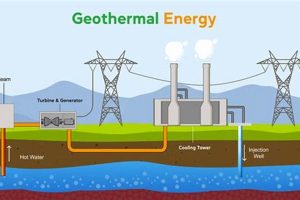
The interplay between land use and renewable energy is exemplified by several real-world scenarios. Large-scale solar farms, while capable of generating significant amounts of clean energy, can alter the landscape and impact local ecosystems, particularly if sited on previously undeveloped land. Similarly, wind farms, especially those located onshore, can face opposition due to visual impacts, noise pollution, and potential effects on bird and bat populations. Geothermal plants, while offering a stable and reliable source of renewable energy, may require access to sensitive geothermal resources located in protected areas. Hydropower projects, whether large dams or smaller run-of-river installations, can alter river flows, impact aquatic ecosystems, and displace communities. These examples underscore the importance of considering land use impacts early in the project planning process and implementing mitigation measures to minimize environmental and social disruptions. Furthermore, innovative approaches, such as co-locating renewable energy facilities with agricultural activities (agrivoltaics) or developing offshore wind farms, can help reduce land use conflicts and maximize the efficiency of land resources.
In summary, land use concerns pose a significant challenge to the deployment of renewable energy technologies, influencing their economic viability, public acceptance, and overall sustainability. Addressing these concerns requires a strategic and collaborative approach that involves comprehensive land use planning, stakeholder engagement, environmental impact assessments, and the implementation of mitigation measures. Overcoming land use conflicts is essential for realizing the full potential of renewable energy and achieving a balanced and sustainable energy future. Effective land management practices, coupled with technological innovation and supportive policies, are critical for minimizing the environmental footprint of renewable energy and maximizing its contribution to a cleaner and more resilient energy system.
6. Material sourcing

Material sourcing is intrinsically linked to the challenges of renewable energy sources. The viability and sustainability of renewable energy technologies are directly influenced by the availability, environmental impact, and ethical considerations associated with the materials required for their construction and operation. Responsible and strategic material procurement is, therefore, essential for mitigating the overall environmental footprint and ensuring the long-term sustainability of the renewable energy sector.
- Rare Earth Elements Dependency
Many renewable energy technologies, such as wind turbines and solar panels, rely on rare earth elements (REEs) for key components. For example, neodymium and dysprosium are crucial for manufacturing high-strength magnets used in wind turbine generators. The extraction and processing of REEs can have significant environmental consequences, including habitat destruction, water pollution, and the generation of radioactive waste. The geographically concentrated supply chain of REEs, often dominated by a few countries, also raises concerns about supply security and geopolitical risks. Diversifying material sources and developing technologies that reduce or eliminate the reliance on REEs are critical for mitigating these challenges.
- Resource Depletion and Environmental Impact
The mass deployment of renewable energy technologies requires substantial quantities of materials such as silicon, lithium, copper, and aluminum. The extraction and processing of these materials can lead to resource depletion, deforestation, and habitat destruction. For example, the mining of lithium for batteries can have significant environmental impacts, including water depletion and soil contamination. Similarly, the production of silicon for solar panels requires energy-intensive processes and can generate hazardous waste. Employing sustainable mining practices, promoting material recycling, and developing alternative materials with lower environmental footprints are essential for minimizing the negative impacts associated with resource extraction.
- Supply Chain Vulnerabilities
The global supply chains for renewable energy materials are often complex and vulnerable to disruptions, including geopolitical instability, trade disputes, and natural disasters. A reliance on a limited number of suppliers can create bottlenecks and increase the risk of price volatility. For instance, a disruption in the supply of polysilicon, a key component of solar panels, can lead to significant price increases and delays in project deployment. Diversifying supply chains, promoting domestic manufacturing, and establishing strategic stockpiles of critical materials can enhance supply chain resilience and reduce the vulnerability of the renewable energy sector.
- Ethical and Social Considerations
The extraction and processing of materials for renewable energy technologies can raise ethical and social concerns, including human rights abuses, forced labor, and unfair labor practices. For example, the mining of cobalt, a key component of lithium-ion batteries, has been linked to child labor and hazardous working conditions in some regions. Ensuring responsible sourcing practices, promoting transparency in supply chains, and implementing robust auditing and certification schemes are essential for addressing these ethical and social challenges. Engaging with local communities and respecting indigenous rights are also critical for promoting socially responsible and sustainable material sourcing.
In conclusion, addressing the challenges associated with material sourcing is crucial for ensuring the long-term sustainability and viability of renewable energy sources. By prioritizing responsible sourcing practices, diversifying material sources, promoting material recycling, and investing in research and development of alternative materials, the renewable energy sector can mitigate its environmental footprint, enhance supply chain resilience, and contribute to a more ethical and sustainable energy future. These efforts are essential for overcoming key obstacles and unlocking the full potential of renewable energy to address climate change and promote global sustainability.
7. Policy uncertainty

Policy uncertainty significantly exacerbates the challenges faced by renewable energy sources, acting as a primary deterrent to investment and hindering the predictable expansion of the sector. Fluctuations in government support, inconsistent regulations, and the absence of long-term strategic energy planning create an unstable environment for renewable energy developers and investors. This uncertainty manifests in several ways, including the potential expiration of tax credits, changes in feed-in tariffs, and alterations to renewable portfolio standards. Such shifts in policy frameworks can dramatically alter the economic viability of renewable energy projects, making it difficult to secure financing and justify long-term commitments. As a result, policy uncertainty increases the perceived risk associated with renewable energy investments, driving up the cost of capital and slowing the pace of deployment. This cyclical effect perpetuates the dominance of traditional energy sources, delaying the necessary transition to a cleaner and more sustainable energy system.
Numerous examples illustrate the detrimental impact of policy uncertainty on renewable energy development. The on-again, off-again nature of the Production Tax Credit (PTC) for wind energy in the United States, for instance, has historically led to boom-and-bust cycles in wind turbine installations. Whenever the PTC was set to expire, wind project developers rushed to complete projects to qualify for the incentive, resulting in a surge in installations followed by a sharp decline when the credit lapsed. Similarly, changes in feed-in tariff policies in European countries have caused instability in the solar energy market, with developers hesitant to invest in new projects without a guarantee of long-term revenue streams. The lack of clear and consistent carbon pricing mechanisms also contributes to policy uncertainty, failing to adequately incentivize renewable energy deployment and leaving the market vulnerable to fluctuations in fossil fuel prices. Policy volatility sends negative signals to investors, delaying or altogether cancelling projects and limiting the transformative potential of renewable energy technologies.
In conclusion, mitigating policy uncertainty is crucial for overcoming the broader challenges of renewable energy sources. Governments must establish stable, predictable, and long-term policy frameworks that incentivize renewable energy investment and provide a clear pathway for the sector’s growth. This includes extending tax credits, implementing stable feed-in tariffs, establishing robust renewable portfolio standards, and implementing carbon pricing mechanisms that accurately reflect the environmental costs of fossil fuels. By creating a more stable and predictable policy environment, governments can reduce the perceived risk associated with renewable energy investments, attract private capital, and accelerate the transition to a cleaner and more sustainable energy future. Consistency and long-term commitment in energy policy are fundamental to unlocking the full potential of renewable energy and ensuring a more resilient and environmentally responsible energy system.
Frequently Asked Questions
This section addresses common inquiries regarding the obstacles hindering the widespread adoption and efficient utilization of renewable energy technologies.
Question 1: What are the primary technical limitations currently affecting the integration of renewable energy sources into existing power grids?
The primary technical limitations involve intermittency, storage limitations, and grid integration challenges. Intermittency refers to the variable and unpredictable nature of renewable energy sources such as solar and wind, necessitating advanced forecasting and grid management techniques. Storage limitations refer to the lack of cost-effective and large-scale energy storage solutions to smooth out the variability of renewable energy generation. Grid integration challenges involve upgrading the electrical grid infrastructure to accommodate the bidirectional power flow and distributed nature of renewable energy sources.
Question 2: How do high initial costs impede the deployment of renewable energy projects, particularly in developing nations?
High initial costs often present a significant barrier to renewable energy projects due to the capital-intensive nature of these projects. Developing nations often lack the financial resources to cover the upfront investments required for construction, equipment, and infrastructure. This financial burden can hinder project development and slow the transition to cleaner energy sources in these regions.
Question 3: What role does policy uncertainty play in discouraging investment in renewable energy technologies?
Policy uncertainty can create an unstable investment climate for renewable energy projects. Fluctuations in government support, inconsistent regulations, and the absence of long-term energy planning can make it difficult for developers to secure financing and justify long-term commitments. This increased risk drives up the cost of capital and slows the pace of renewable energy deployment.
Question 4: What are the main concerns associated with land use and renewable energy development?
The extensive physical footprint of renewable energy installations, particularly solar and wind farms, often necessitates large tracts of land. This can lead to conflicts with existing land uses, environmental conservation efforts, and community interests. Balancing the need for renewable energy with the preservation of natural habitats and agricultural land is a significant concern.
Question 5: How does the sourcing of materials impact the sustainability of renewable energy technologies?
The sustainability of renewable energy technologies is linked to the sourcing of materials required for their construction and operation. Extraction and processing of materials such as rare earth elements, lithium, and silicon can have significant environmental and social consequences. Responsible sourcing practices, material recycling, and the development of alternative materials are essential for mitigating these impacts.
Question 6: What steps can be taken to address the challenges associated with grid integration of renewable energy sources?
Addressing grid integration challenges requires a multifaceted approach including infrastructure upgrades, advanced grid management techniques, and supportive regulatory frameworks. Investing in smart grid technologies, transmission lines, and energy storage solutions is crucial for accommodating the variable and distributed nature of renewable energy. Implementing policies that encourage grid modernization and streamlining interconnection processes can also facilitate smoother integration.
Addressing these challenges requires sustained effort and collaboration from policymakers, researchers, investors, and communities. Overcoming these obstacles is critical for realizing the full potential of renewable energy sources and achieving a more sustainable and resilient energy future.
The following section provides a comprehensive summary of the discussion.
Challenges of Renewable Energy Sources
The preceding discussion has comprehensively examined the multifaceted challenges of renewable energy sources, including intermittency, storage limitations, grid integration issues, high initial costs, land use conflicts, material sourcing concerns, and policy uncertainty. These impediments collectively influence the pace and scope of renewable energy adoption, impacting the attainment of global sustainability goals. Effective mitigation strategies require coordinated efforts across technological innovation, policy development, and economic investment.
Addressing these challenges is not merely an option but a necessity for a sustainable energy future. Overcoming these obstacles demands sustained commitment to research, development, and deployment of advanced technologies, alongside supportive policies that foster investor confidence and public acceptance. Continued progress in these areas is essential for unlocking the full potential of renewable energy and creating a cleaner, more resilient, and environmentally responsible energy system for generations to come.