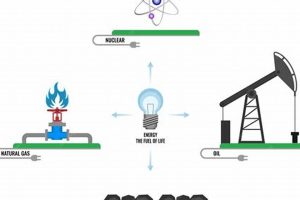
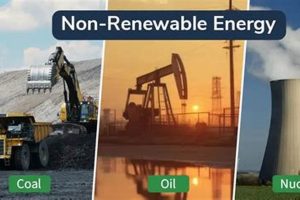
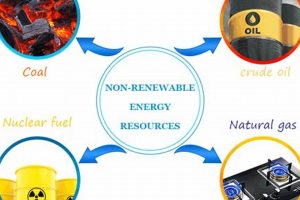
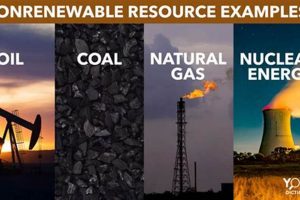
Certain energy sources are finite and depletable, meaning their reserves are limited and will eventually run out. These are categorized as non-renewable resources. Examples include fossil fuels (coal, oil, and natural gas) and nuclear fuels (uranium). Fossil fuels formed over millions of years from decaying organic matter under immense pressure and heat, while uranium is a naturally occurring radioactive element.
Historically, these resources have fueled industrialization and global development, providing readily available and relatively inexpensive energy. Their widespread use, however, has significant environmental consequences, including greenhouse gas emissions contributing to climate change and the potential for environmental damage from extraction and processing. Understanding the limitations and implications of these energy sources is critical for informed decision-making about future energy strategies.
This exploration will delve further into specific non-renewable energy sources, examining their formation, extraction processes, environmental impacts, and the challenges associated with their continued use in a world striving for sustainable energy solutions.
Tips for Understanding Non-Renewable Energy Sources
Informed decision-making regarding energy consumption requires a grasp of the characteristics and implications of non-renewable resources. The following tips offer guidance for navigating this complex topic.
Tip 1: Research the Formation Processes: Understanding how fossil fuels and nuclear fuels are formed provides insight into their finite nature and the timescales involved.
Tip 2: Investigate Extraction Methods: Explore the various methods used to extract these resources, considering the environmental and social impacts of each.
Tip 3: Analyze the Environmental Consequences: Examine the effects of combustion and nuclear fission on air and water quality, land use, and greenhouse gas emissions.
Tip 4: Consider Geopolitical Factors: The uneven distribution of these resources globally influences international relations and energy security.
Tip 5: Evaluate Economic Impacts: Analyze the economic benefits and drawbacks of relying on non-renewable energy, including price volatility and the costs of mitigating environmental damage.
Tip 6: Explore Alternatives: Research renewable energy sources and energy efficiency measures as crucial components of a sustainable energy future.
Tip 7: Stay Informed about Policy Developments: Keep abreast of local, national, and international policies related to energy production and consumption.
Through careful consideration of these aspects, one can develop a more comprehensive understanding of the role and implications of non-renewable energy sources in the global energy landscape.
This understanding forms a basis for informed discussions about the transition to a more sustainable energy future. The subsequent sections will delve deeper into specific non-renewable resources and their respective challenges.
1. Fossil Fuels

Fossil fuels constitute a primary category within non-renewable energy sources. Their formation over geological timescales renders them finite resources, with significant implications for long-term energy strategies. Understanding their composition, extraction, and utilization is crucial for evaluating their role in the global energy landscape.
- Formation and Composition
Fossil fuels originate from decayed organic matter subjected to immense pressure and heat over millions of years. Coal consists primarily of carbon, while oil and natural gas are composed of hydrocarbons. This organic origin underscores their finite nature and the impossibility of replenishing them within human timescales.
- Extraction Methods
Diverse methods extract these resources, each with associated environmental and economic impacts. Coal mining involves surface or underground operations, often impacting landscapes and ecosystems. Oil and gas extraction employs drilling techniques, including offshore platforms and hydraulic fracturing (fracking), potentially contaminating water sources and causing seismic activity.
- Energy Production and Utilization
Fossil fuels serve as a dominant energy source, powering transportation, industry, and electricity generation. Combustion releases energy, primarily through burning coal, oil, or natural gas, to generate heat and power. This combustion process, however, releases greenhouse gases, contributing significantly to climate change.
- Environmental and Economic Impacts
The extraction and utilization of fossil fuels present substantial environmental challenges. Greenhouse gas emissions contribute to global warming, while air and water pollution pose risks to human health and ecosystems. Economic impacts include price volatility, dependence on politically unstable regions, and the long-term costs of addressing environmental damage.
The finite nature of fossil fuels, coupled with their environmental consequences, necessitates a transition towards sustainable energy alternatives. While they currently play a dominant role in global energy production, their long-term viability is questionable, underscoring the need for diversification and investment in renewable resources.
2. Nuclear Fuels

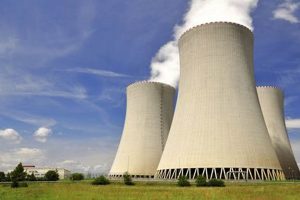
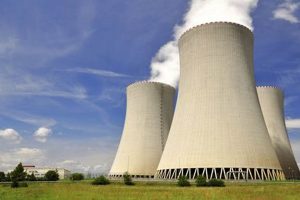
Nuclear fuels, primarily uranium, represent a distinct category within non-renewable energy sources. Unlike fossil fuels formed from organic matter, uranium is a naturally occurring radioactive element. Its finite nature stems from the limited availability of economically viable uranium deposits within the Earth’s crust. The energy harnessed from nuclear fuels derives from nuclear fission, a process splitting uranium atoms, releasing substantial energy in the form of heat. This heat generates steam, which drives turbines to produce electricity. While nuclear power generation doesn’t directly emit greenhouse gases, the nuclear fuel cycle, from mining and processing to waste disposal, presents distinct environmental and safety challenges. For instance, uranium mining can contaminate surrounding environments, and the long-term storage of radioactive waste requires careful management to prevent environmental leakage.
The utilization of nuclear fuels as an energy source carries significant implications for energy security and sustainability. Nuclear power plants offer a relatively stable and high-output energy source, reducing reliance on fossil fuel imports in some countries. However, the risk of nuclear accidents, such as Chernobyl and Fukushima, underscores the critical importance of robust safety protocols and regulatory oversight. The disposal of spent nuclear fuel, which remains radioactive for thousands of years, presents a complex challenge requiring long-term storage solutions. The development of advanced reactor technologies aims to enhance safety and reduce waste generation, offering potential advancements in nuclear power generation. For example, some reactor designs utilize thorium as a fuel, potentially producing less long-lived radioactive waste than uranium.
In summary, nuclear fuels provide a complex pathway within the broader context of non-renewable energy sources. While offering a low-carbon alternative to fossil fuels, the nuclear fuel cycle presents unique challenges related to safety, waste management, and resource availability. Careful consideration of these factors is essential for informed policy decisions regarding the role of nuclear energy in a sustainable energy mix. The continued development of advanced reactor technologies and waste management strategies remains crucial for mitigating the risks and maximizing the potential benefits of this non-renewable energy source.
3. Finite Resources

The concept of “finite resources” is inextricably linked to non-renewable energy sources. Non-renewable energy sources, by definition, exist in limited quantities and are depleted through consumption. This finite nature stems from the geological timescales required for their formation, vastly exceeding human lifespans. Fossil fuels, for instance, originate from organic matter accumulated and transformed over millions of years. Similarly, uranium, the primary nuclear fuel, exists in finite deposits within the Earth’s crust. The rate of consumption of these resources significantly outpaces their natural replenishment, leading to inevitable depletion. This fundamental characteristic distinguishes them from renewable energy sources like solar and wind power, which are replenished continuously.
The finite nature of these resources has profound practical implications. Depletion necessitates exploration and extraction of increasingly difficult-to-access reserves, often with escalating environmental and economic costs. For example, deep-sea oil drilling and hydraulic fracturing (fracking) present substantial environmental risks compared to conventional extraction methods. Furthermore, reliance on finite resources creates vulnerabilities related to energy security and price volatility. Geopolitical tensions and supply disruptions can significantly impact energy markets, affecting economies and societies dependent on these resources. The finite nature of non-renewable resources underscores the need for strategic resource management, diversification of energy sources, and transition towards renewable alternatives.
Understanding the finite nature of non-renewable energy sources is crucial for informed decision-making regarding energy policies and consumption patterns. This understanding motivates the development and adoption of sustainable practices, including energy efficiency measures, renewable energy technologies, and responsible resource management. Addressing the challenges posed by the finite nature of these resources is essential for ensuring long-term energy security, mitigating environmental impacts, and fostering a sustainable energy future.
4. Environmental Impact
Non-renewable energy sources exert significant environmental impacts throughout their lifecycle, from extraction and processing to combustion or nuclear fission. Understanding these impacts is crucial for evaluating the long-term sustainability of these energy sources and for informing the transition to cleaner alternatives.
- Greenhouse Gas Emissions
Combustion of fossil fuels releases substantial quantities of greenhouse gases, primarily carbon dioxide, methane, and nitrous oxide, into the atmosphere. These gases contribute to global warming and climate change, driving alterations in weather patterns, sea-level rise, and ecosystem disruptions. While nuclear fission itself does not emit greenhouse gases, the mining, processing, and transportation of uranium ore can generate emissions.
- Air and Water Pollution
Extraction and combustion of fossil fuels release pollutants into the air and water. Coal combustion, for example, emits sulfur dioxide and nitrogen oxides, contributing to acid rain and respiratory problems. Oil spills contaminate marine ecosystems and coastal regions. Fracking, used in natural gas extraction, can contaminate groundwater supplies. Nuclear power generation, while not emitting air pollutants during operation, carries the risk of radioactive releases in the event of accidents.
- Land Use and Habitat Degradation
Extraction activities, such as coal mining and oil drilling, require extensive land use and can significantly alter landscapes. Surface mining can strip away topsoil and vegetation, leading to erosion and habitat loss. Construction of pipelines and power plants further fragments habitats and impacts biodiversity. Uranium mining can also contaminate soil and water, impacting surrounding ecosystems.
- Waste Disposal
Fossil fuel combustion generates ash and other byproducts requiring disposal. Nuclear power plants produce radioactive waste that requires long-term storage in specialized facilities. The safe and effective management of these waste products is crucial for minimizing environmental impacts and protecting human health.
The cumulative environmental impacts of non-renewable energy sources necessitate a shift towards more sustainable energy practices. Transitioning to renewable energy sources, improving energy efficiency, and implementing stricter environmental regulations are essential steps for mitigating these impacts and safeguarding the planet’s future. The continued reliance on non-renewable energy sources presents significant risks to ecosystems, human health, and the global climate, reinforcing the urgency of transitioning towards a more sustainable energy future.
5. Energy Security

Energy security is intrinsically linked to the reliance on non-renewable energy sources. Access to reliable and affordable energy is crucial for economic stability and societal well-being. However, dependence on finite and geographically concentrated resources, such as fossil fuels and uranium, creates vulnerabilities in energy security.
- Resource Availability
The finite nature of non-renewable resources poses a fundamental challenge to long-term energy security. As readily accessible reserves are depleted, nations become increasingly reliant on more challenging and expensive extraction methods or imports from potentially unstable regions. This dependence can create vulnerabilities to supply disruptions, price volatility, and geopolitical tensions.
- Geopolitical Factors
The uneven distribution of non-renewable resources globally creates geopolitical complexities. Nations with abundant reserves wield significant influence over energy markets, while nations lacking domestic resources face potential dependence on external suppliers. This dynamic can lead to political instability, resource conflicts, and challenges in maintaining consistent energy access.
- Import Dependence
Reliance on imported non-renewable energy sources creates vulnerabilities to supply disruptions and price fluctuations. Political instability, trade disputes, or natural disasters in exporting regions can jeopardize energy supplies, impacting economic activity and societal well-being in importing nations. Diversification of energy sources and development of domestic renewable energy capacity can enhance energy independence and mitigate these risks.
- Infrastructure Vulnerability
Energy infrastructure, including pipelines, refineries, and power plants, is vulnerable to disruptions from natural disasters, accidents, and cyberattacks. Reliance on centralized infrastructure for non-renewable energy distribution creates potential points of failure that can cascade across interconnected systems. Investing in resilient infrastructure and decentralized energy generation can enhance energy security and minimize the impact of disruptions.
Addressing the energy security challenges associated with non-renewable resources requires a multifaceted approach. Diversifying energy sources through investments in renewable energy technologies, enhancing energy efficiency, and developing robust energy infrastructure can mitigate risks associated with resource depletion, geopolitical instability, and supply disruptions. Transitioning towards a more sustainable and secure energy future necessitates reducing reliance on finite resources and fostering greater energy independence.
6. Economic Considerations

Economic considerations play a crucial role in the utilization and future of non-renewable energy sources. The interplay between energy markets, extraction costs, and environmental externalities shapes the economic landscape of these resources. Fossil fuels, historically inexpensive and readily available, have powered industrial growth for centuries. However, their economic viability is increasingly influenced by factors such as fluctuating market prices, declining reserves, and the growing costs associated with mitigating environmental damage. For example, the extraction of oil from deep-sea reserves or tar sands entails significantly higher costs than conventional drilling, impacting profitability and market prices. Similarly, the environmental costs associated with coal combustion, including air pollution and its health consequences, increasingly factor into economic calculations.
The economic landscape of non-renewable energy sources is further complicated by geopolitical factors and energy security concerns. Reliance on imports from politically unstable regions creates price volatility and potential supply disruptions, impacting economic stability. Investing in domestic energy production, whether from conventional or unconventional sources, involves substantial capital expenditures and potential environmental trade-offs. For instance, developing infrastructure for liquefied natural gas (LNG) export terminals requires significant investment and can impact local ecosystems. Furthermore, the long-term economic implications of climate change, driven largely by greenhouse gas emissions from fossil fuels, pose significant risks to global economies, including disruptions to agriculture, infrastructure, and human health. The transition to renewable energy sources, while requiring upfront investment, offers the potential for long-term economic benefits through job creation, reduced reliance on volatile fuel markets, and mitigation of climate change impacts.
In summary, the economic considerations surrounding non-renewable energy sources are complex and multifaceted. Balancing short-term economic benefits with long-term environmental sustainability and energy security presents significant challenges. Understanding the economic implications of resource depletion, environmental externalities, and geopolitical factors is crucial for informed decision-making regarding energy policies and investments. Transitioning towards a more sustainable energy future requires careful economic analysis, considering not only the immediate costs and benefits of different energy sources but also the long-term implications for economic stability and environmental well-being.
7. Sustainable Alternatives
The finite nature and environmental consequences of non-renewable energy sources necessitate the exploration and adoption of sustainable alternatives. These alternatives, primarily renewable energy sources, offer a pathway towards a more secure and environmentally responsible energy future. Renewable energy sources, such as solar, wind, hydro, geothermal, and biomass, replenish naturally and do not deplete finite resources. Their utilization mitigates greenhouse gas emissions, reduces air and water pollution, and decreases reliance on geographically concentrated, finite resources. The transition towards sustainable alternatives represents a crucial step in addressing climate change and ensuring long-term energy security.
The connection between sustainable alternatives and non-renewable energy sources is one of cause and effect. The depletion of finite resources, price volatility, and environmental damage associated with non-renewable sources drive the imperative for sustainable solutions. For example, the increasing frequency and intensity of extreme weather events linked to climate change underscore the urgency of transitioning away from fossil fuels. Sustainable alternatives offer a direct response to these challenges, providing a pathway towards decarbonizing the energy sector and mitigating the risks associated with resource depletion. Real-world examples demonstrate the growing viability of these alternatives. Denmark, for instance, generates a significant portion of its electricity from wind power, while Germany has invested heavily in solar energy. These examples demonstrate the feasibility and scalability of renewable energy technologies, paving the way for a global energy transition.
Understanding the practical significance of this transition is crucial for informed policy decisions and individual actions. Investing in research and development, implementing supportive policies, and fostering public awareness are essential for accelerating the adoption of sustainable alternatives. Overcoming challenges such as intermittency of renewable sources, grid integration, and initial investment costs requires innovation and collaboration. The shift towards sustainable alternatives represents not merely a technological transition, but a fundamental shift in energy production and consumption patterns. This transition is essential for mitigating the risks associated with non-renewable resources and for building a more sustainable, secure, and resilient energy future.
Frequently Asked Questions
This section addresses common inquiries regarding non-renewable energy sources, providing concise and informative responses.
Question 1: What distinguishes a non-renewable energy source?
A non-renewable energy source is characterized by its finite nature, meaning its reserves are limited and deplete over time. Formation timescales for these resources extend far beyond human lifespans, preventing replenishment at a pace matching consumption.
Question 2: Why are non-renewable energy sources still widely used despite their limitations?
Historical infrastructure, established technologies, and relatively low extraction costs have contributed to the continued prevalence of non-renewable sources. However, environmental concerns and the pursuit of energy independence are driving a shift towards alternatives.
Question 3: What are the primary environmental consequences associated with the utilization of non-renewable energy sources?
Combustion of fossil fuels releases greenhouse gases, contributing to climate change. Extraction and processing activities can lead to air and water pollution, habitat destruction, and waste disposal challenges. Nuclear energy, while not emitting greenhouse gases during operation, involves risks associated with waste disposal and potential accidents.
Question 4: How does reliance on non-renewable energy sources impact energy security?
Dependence on finite and geographically concentrated resources creates vulnerabilities to price volatility, supply disruptions, and geopolitical tensions. Diversification of energy sources enhances energy independence and resilience.
Question 5: What economic factors influence the utilization of non-renewable energy sources?
Extraction costs, market prices, and the economic impacts of environmental damage influence the economic viability of non-renewable resources. Long-term economic sustainability requires consideration of environmental externalities and the costs associated with mitigating climate change.
Question 6: What viable alternatives exist to replace non-renewable energy sources?
Renewable energy sources, including solar, wind, hydro, geothermal, and biomass, offer sustainable alternatives. These resources replenish naturally and mitigate many environmental concerns associated with non-renewable sources.
Understanding the characteristics, implications, and alternatives associated with non-renewable energy sources is crucial for informed decision-making regarding energy policies and consumption patterns.
The following sections will delve deeper into specific examples of non-renewable energy sources and their respective challenges and opportunities.
Conclusion
Non-renewable energy sources, encompassing fossil fuels (coal, oil, and natural gas) and nuclear fuels (primarily uranium), represent finite resources formed over vast geological timescales. Their utilization has fueled industrialization and global development, but their finite nature, coupled with significant environmental consequences, necessitates a transition towards sustainable alternatives. Extraction and combustion of fossil fuels contribute substantially to greenhouse gas emissions, driving climate change. Nuclear power, while offering a low-carbon alternative, presents challenges related to waste disposal and safety. The exploration of these resources has revealed the interconnectedness of energy security, economic considerations, and environmental sustainability.
The finite nature of these resources underscores the urgency of transitioning towards a more sustainable energy future. Diversification of energy sources through investments in renewable energy technologies, coupled with enhanced energy efficiency measures, represents a crucial pathway towards mitigating the risks associated with resource depletion, environmental degradation, and geopolitical instability. Continued reliance on non-renewable energy sources carries significant long-term risks, while embracing sustainable alternatives offers a pathway towards a more secure, resilient, and environmentally responsible energy future. The transition requires global cooperation, technological innovation, and informed policy decisions to navigate the complex interplay of energy, environment, and economy.