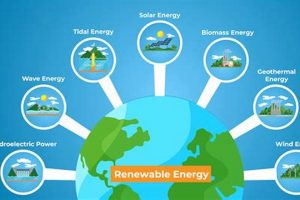
Various naturally replenishing resources can be harnessed to generate power. These sustainable alternatives offer a clean contrast to traditional fossil fuels. For example, solar irradiance can be converted directly into electricity through photovoltaic cells, while geothermal gradients provide a continuous source of heat energy.
The adoption of these power generation methods offers numerous advantages, including a reduction in greenhouse gas emissions and increased energy security through the diversification of supply. Historically, the use of water power dates back centuries, but recent technological advancements have dramatically improved efficiency and expanded the range of viable options.
Subsequent sections will detail specific sustainable energy technologies, outlining their operational principles, environmental impacts, and potential for large-scale deployment. This will include in-depth analyses of solar, wind, hydro, geothermal, and biomass energy, providing a comprehensive overview of their respective strengths and limitations.
Renewable Energy Source Considerations
The selection and implementation of sustainable energy systems requires careful assessment of numerous factors. Optimization of energy production relies on considering environmental impacts, economic viability, and technological feasibility.
Tip 1: Conduct a Thorough Resource Assessment: Accurately evaluate the availability and consistency of the specific renewable resource, such as solar irradiance levels, wind speeds, or geothermal gradients, at the proposed location.
Tip 2: Evaluate Environmental Impact: Analyze the potential effects of the chosen power generation method on local ecosystems, including land use, water consumption, and wildlife habitats. Implement mitigation strategies to minimize any negative consequences.
Tip 3: Analyze Economic Feasibility: Perform a comprehensive cost-benefit analysis, considering initial investment, operational expenses, maintenance requirements, and potential revenue streams. Explore available incentives and financing options.
Tip 4: Prioritize Grid Integration: Ensure the renewable energy system can be effectively integrated into the existing power grid. Address issues related to intermittency and grid stability, potentially incorporating energy storage solutions.
Tip 5: Optimize for Energy Efficiency: Implement energy-efficient technologies and practices throughout the entire system, from generation to distribution and consumption, to maximize the overall energy output and reduce waste.
Tip 6: Research Technological Advancements: Stay informed about the latest developments in renewable energy technologies and adopt innovative solutions to improve efficiency, reduce costs, and enhance environmental performance.
Tip 7: Consider Lifecycle Impacts: Evaluate the environmental footprint of the entire lifecycle, from resource extraction and manufacturing to operation and decommissioning. Choose materials and processes that minimize pollution and waste.
Careful consideration of these factors will contribute to the successful and sustainable deployment of these power systems, leading to a cleaner and more secure energy future.
The subsequent sections will delve deeper into specific challenges and opportunities related to each renewable energy technology, providing valuable insights for informed decision-making.
1. Solar irradiance conversion

Solar irradiance conversion is a primary component of the renewable energy sector. It directly addresses the need for alternative energy sources by harnessing the sun’s energy. The process involves transforming solar radiation into usable electricity or thermal energy, thereby reducing reliance on fossil fuels. Photovoltaic (PV) cells, for instance, convert sunlight directly into electricity through the photovoltaic effect. Concentrated solar power (CSP) systems, another example, use mirrors to focus sunlight onto a receiver, which heats a fluid to generate steam for electricity production.
The significance of solar irradiance conversion lies in its potential to mitigate climate change. By replacing fossil fuel-based energy production, it reduces greenhouse gas emissions. Solar power also enhances energy security by diversifying energy sources and decreasing dependence on imported fuels. Large-scale solar farms in desert regions, like the Mojave Desert in the United States, demonstrate the practical application of this technology, providing electricity to millions of homes. Rooftop solar panels further exemplify the decentralized and accessible nature of this renewable energy option.
Understanding solar irradiance conversion is crucial for policymakers, energy companies, and consumers. Informed decisions regarding energy investments and adoption of sustainable practices hinge on a solid understanding of its principles and potential. While challenges remain, such as intermittency and energy storage, ongoing technological advancements are continuously improving the efficiency and reliability of solar irradiance conversion, solidifying its role in a sustainable energy future.
2. Wind kinetic energy

Wind kinetic energy constitutes a prominent area within the broader spectrum of sustainable energy solutions. Its utilization is predicated on converting the movement of air masses into mechanical power and, subsequently, electrical energy. The principles and technologies underpinning this conversion are essential components of a diversified and sustainable energy portfolio.
- Wind Turbine Technology
Wind turbines serve as the primary technology for harnessing wind kinetic energy. These turbines typically consist of blades that rotate when exposed to wind, driving a generator to produce electricity. Examples include horizontal-axis wind turbines (HAWTs), the most common type, and vertical-axis wind turbines (VAWTs), which are less prevalent but suitable for specific applications. The efficiency and reliability of these turbines directly impact the overall output of wind energy systems.
- Wind Farm Development
Wind farms are large-scale installations comprising multiple wind turbines, often located in areas with consistently high wind speeds. Onshore wind farms are more common due to easier accessibility, while offshore wind farms, located in coastal waters, offer higher wind speeds and reduced visual impact. The development of wind farms involves careful site selection, environmental impact assessments, and grid connection infrastructure.
- Grid Integration Challenges
Integrating wind energy into existing power grids presents unique challenges due to the intermittent nature of wind resources. Fluctuations in wind speed can lead to variability in electricity generation, requiring grid operators to manage supply and demand effectively. Solutions include improved forecasting, energy storage technologies (e.g., batteries), and smart grid infrastructure that can balance fluctuations across a wider geographic area.
- Environmental Considerations
Wind energy is generally considered environmentally friendly, but it is not without impact. Potential environmental concerns include noise pollution, visual impact on landscapes, and potential effects on wildlife, particularly birds and bats. Thorough environmental assessments and mitigation strategies are essential to minimize these impacts and ensure sustainable wind energy development.
These multifaceted considerations underscore the complexity inherent in harnessing wind kinetic energy as a crucial element of renewable energy solutions. The integration of efficient technologies, strategic planning, and careful environmental stewardship are vital for maximizing the potential of wind energy while minimizing its adverse effects, contributing to a more sustainable energy future.
3. Hydro potential energy
Hydro potential energy represents a significant component within the array of sustainable energy technologies. It harnesses the energy stored in elevated water to generate electricity, playing a crucial role in diversifying energy portfolios and reducing reliance on fossil fuels.
- Dam Systems and Reservoirs
Dam systems serve as the primary infrastructure for harnessing hydro potential energy. These structures create reservoirs of water at higher elevations, thereby establishing the potential energy gradient. When water is released, it flows through turbines connected to generators, producing electricity. The Hoover Dam on the Colorado River exemplifies this, providing power to multiple states and regulating water resources. This approach is crucial for balancing energy generation with water management needs.
- Run-of-River Hydroelectric
Run-of-river hydroelectric plants generate electricity using the natural flow of a river without the large-scale water storage of traditional dam systems. While having a lower environmental impact, their power output is subject to seasonal river flow variations. These installations are suitable for areas with consistent water flow, offering a more sustainable approach by minimizing habitat disruption. The application requires careful environmental assessments to ensure ecosystem preservation.
- Pumped Storage Hydro
Pumped storage is a method for energy storage that utilizes two reservoirs at different elevations. During periods of low energy demand, excess electricity is used to pump water from the lower reservoir to the upper reservoir. When demand increases, the water is released to generate electricity, effectively storing energy for later use. This system enhances grid stability and improves the integration of intermittent renewable energy sources like solar and wind. Pumped storage facilities address the variability challenges inherent in many forms of sustainable power generation.
- Environmental Considerations
While hydropower is a renewable energy source, its development and operation can have environmental impacts. Dam construction can alter river ecosystems, affect fish migration, and change water quality. Careful planning, environmental mitigation measures, and sustainable operational practices are essential to minimize these effects. Balancing energy needs with ecological preservation is a key consideration for hydropower projects.
These facets illustrate the diverse approaches and considerations involved in harnessing hydro potential energy. This technology remains a vital part of the sustainable energy landscape, but its implementation requires a comprehensive assessment of environmental, economic, and social factors to ensure long-term sustainability.
4. Geothermal heat gradient

Geothermal energy, derived from the Earth’s internal heat, stands as a significant category within sustainable power generation methods. The geothermal gradient, the increase in temperature with depth in the Earth’s crust, provides a continuous and reliable source of energy independent of weather or seasonal variations, unlike solar or wind resources.
- Direct Use Applications
Direct utilization of geothermal resources involves tapping into hot springs or shallow geothermal reservoirs for heating purposes. Examples include district heating systems in Iceland, where geothermal energy heats over 90% of homes, and geothermal greenhouses for agriculture. These applications demonstrate efficient and sustainable heat utilization, reducing reliance on fossil fuels for heating and industrial processes.
- Geothermal Power Plants
Geothermal power plants leverage high-temperature geothermal reservoirs to generate electricity. These plants utilize steam turbines driven by geothermal steam or hot water to produce power. The Geysers geothermal field in California is a prominent example, producing enough electricity to power a city. Geothermal power plants offer a stable baseload power supply, enhancing grid reliability and reducing carbon emissions.
- Enhanced Geothermal Systems (EGS)
Enhanced Geothermal Systems (EGS) technology aims to access geothermal resources in areas lacking naturally permeable and saturated rock formations. EGS involves injecting water into hot, dry rock to create artificial reservoirs and extract heat for electricity generation. This technology expands the geographic potential of geothermal energy, unlocking vast untapped resources. Successful EGS projects, like those in Europe and Australia, demonstrate the viability of accessing geothermal heat in previously inaccessible regions.
- Geothermal Heat Pumps
Geothermal heat pumps (GHPs) utilize the stable ground temperature to provide heating and cooling for residential and commercial buildings. GHPs transfer heat between the building and the Earth, offering high efficiency and reduced energy consumption compared to traditional HVAC systems. The widespread adoption of GHPs can significantly decrease building energy use and associated carbon emissions. Numerous installations worldwide showcase the efficiency and cost-effectiveness of this geothermal technology.
The utilization of the geothermal heat gradient across these diverse applications illustrates the versatility and potential of geothermal energy within the broader context of sustainable energy alternatives. Ongoing technological advancements and continued exploration of geothermal resources can further enhance its contribution to a cleaner and more secure energy future.
5. Biomass organic matter

Biomass organic matter represents a multifaceted intersection within the spectrum of renewable energy sources, offering diverse pathways for converting biological materials into usable energy. The utilization of biomass addresses both waste management and energy generation needs, contributing to a circular economy and reduced reliance on fossil fuels.
- Combustion for Heat and Electricity
Direct combustion of biomass, such as wood, agricultural residues, and energy crops, provides heat for industrial processes, residential heating, and electricity generation. Biomass power plants burn these materials to produce steam, which drives turbines connected to generators. Examples include dedicated biomass power plants and co-firing biomass with coal in existing power facilities. This approach offers a readily available and relatively low-cost method for energy production, although air emissions must be carefully managed.
- Anaerobic Digestion for Biogas Production
Anaerobic digestion (AD) is a process that breaks down organic matter in the absence of oxygen, producing biogas, a mixture of methane and carbon dioxide. Biogas can be used for heating, electricity generation, or upgraded to biomethane for injection into natural gas pipelines. AD facilities process various feedstocks, including manure, sewage sludge, and food waste. Numerous farms and wastewater treatment plants utilize AD to generate energy while managing waste streams, demonstrating a synergistic approach to resource management.
- Thermochemical Conversion for Biofuels
Thermochemical conversion processes, such as pyrolysis and gasification, transform biomass into biofuels, including bio-oil, syngas, and biochar. These biofuels can be used as transportation fuels or further processed into chemicals and materials. Pyrolysis involves heating biomass in the absence of oxygen to produce bio-oil, while gasification converts biomass into syngas, a mixture of hydrogen, carbon monoxide, and other gases. Several companies are developing advanced biofuel technologies to produce sustainable alternatives to petroleum-based fuels, enhancing energy security and reducing greenhouse gas emissions.
- Fermentation for Ethanol Production
Fermentation utilizes microorganisms to convert sugars in biomass into ethanol, a widely used biofuel. Ethanol is typically produced from corn, sugarcane, or cellulosic biomass. The process involves enzymatic hydrolysis to break down complex carbohydrates into fermentable sugars, followed by fermentation using yeast or bacteria. Ethanol can be blended with gasoline to reduce emissions and improve fuel efficiency. Various biorefineries around the world produce ethanol from different biomass feedstocks, contributing to the diversification of transportation fuels.
These varied approaches underscore the flexibility and potential of biomass organic matter as a versatile renewable energy source. Through advancements in conversion technologies and sustainable resource management practices, biomass can play an increasingly important role in meeting global energy demands while mitigating environmental impacts and promoting a circular economy.
6. Ocean tidal movement
Ocean tidal movement constitutes a predictable and renewable source of energy, derived from the gravitational forces exerted by the Moon and the Sun on Earth’s oceans. This cyclical movement of water, rising and falling in coastal regions, possesses considerable kinetic and potential energy that can be harnessed through various technologies. As a component of renewable energy sources, its significance lies in its consistent and reliable nature, offering a viable alternative to traditional fossil fuels.
Tidal energy conversion primarily relies on two main methods: tidal barrages and tidal stream generators. Tidal barrages, such as the Rance Tidal Power Station in France, impound water during high tide and release it through turbines during low tide, generating electricity. Tidal stream generators, akin to underwater wind turbines, extract energy from the flowing tidal currents. The MeyGen project in Scotland represents an example of tidal stream technology, harnessing the powerful currents in the Pentland Firth. These applications demonstrate the practical ability to convert predictable tidal movement into usable electrical power.
The understanding of ocean tidal movement as a renewable energy source is crucial for sustainable energy planning and infrastructure development in coastal regions. While challenges exist, including environmental impacts on marine ecosystems and high initial investment costs, the predictable nature of tidal energy offers a stable baseload power supply. Future advancements in technology and improved environmental impact assessments are vital for maximizing the potential of ocean tidal movement as a significant contributor to a cleaner and more diversified energy mix.
7. Hydrogen fuel cells

Hydrogen fuel cells represent a key technology in the pursuit of sustainable energy solutions, closely intertwined with types of renewable energy sources. While hydrogen is an energy carrier rather than an energy source itself, its production via renewable means allows fuel cells to operate as a clean energy conversion technology. The direct connection stems from the method of hydrogen production; when produced through electrolysis powered by renewable energy, such as solar or wind, the entire system becomes emission-free. For example, a solar-powered electrolysis system can generate hydrogen, which can then be stored and used in a fuel cell to produce electricity, water, and heat, with no harmful emissions at the point of use. This process leverages sustainable power inputs to create a versatile energy storage and delivery mechanism. Hydrogen fuel cells, therefore, become a crucial component in a fully renewable energy system, allowing for the dispatchable use of intermittent renewable resources.
Further expanding on practical applications, hydrogen fuel cells are deployed in various sectors, including transportation, stationary power, and portable power. In the transportation sector, fuel cell vehicles offer long ranges and quick refueling times, addressing some limitations of battery electric vehicles. In stationary power, fuel cells provide reliable backup power for critical infrastructure, such as hospitals and data centers. Moreover, integrating fuel cells with renewable energy sources offers a pathway for decarbonizing industrial processes, such as steel and chemical production, by replacing fossil fuel-based feedstocks and energy sources. The versatility of hydrogen fuel cells, combined with renewable hydrogen production, contributes to a more resilient and sustainable energy system. For example, a community could use excess wind power to produce hydrogen, store it, and then use fuel cells to provide electricity during periods of low wind output.
In summary, hydrogen fuel cells’ role in a sustainable energy future is contingent on the source of hydrogen production. When coupled with renewable energy sources, hydrogen acts as an effective energy storage and delivery medium, mitigating the intermittency challenges associated with solar and wind power. The deployment of hydrogen fuel cells across transportation, stationary power, and industrial sectors offers significant potential for reducing greenhouse gas emissions and transitioning to a cleaner energy economy. However, challenges related to infrastructure development, hydrogen production costs, and fuel cell durability need to be addressed to fully realize the benefits of this technology. Continuous research and development efforts are essential to unlocking the full potential of hydrogen fuel cells as a cornerstone of renewable energy systems.
Frequently Asked Questions
This section addresses common inquiries regarding various categories of renewable energy technologies, providing clear and concise explanations to enhance understanding.
Question 1: What defines a resource as a renewable energy source?
A renewable energy source is characterized by its ability to be replenished naturally within a human timescale. This replenishment rate ensures its availability is sustained indefinitely, differentiating it from finite fossil fuels.
Question 2: How does solar irradiance conversion function as a power generator?
Solar irradiance conversion transforms sunlight into electricity through photovoltaic cells or concentrated solar power systems. Photovoltaic cells directly convert sunlight, while concentrated solar power uses mirrors to focus sunlight, heating a fluid to drive turbines.
Question 3: What are the primary challenges associated with wind kinetic energy utilization?
The principal challenge lies in the intermittent nature of wind resources. Fluctuations in wind speed necessitate energy storage solutions, improved forecasting, and smart grid infrastructure to ensure grid stability and reliable power supply.
Question 4: What environmental factors are considered when implementing hydro potential energy systems?
Environmental impact assessments must address potential alterations to river ecosystems, fish migration patterns, and water quality. Sustainable operational practices and mitigation measures are essential to minimize adverse ecological effects.
Question 5: How does geothermal heat gradient provide a stable energy supply?
The Earth’s internal heat provides a continuous and reliable energy source, independent of weather or seasonal variations. Geothermal power plants and direct-use applications harness this consistent heat for electricity generation and heating purposes.
Question 6: What are the diverse methods for converting biomass organic matter into usable energy?
Biomass can be converted through combustion for heat and electricity, anaerobic digestion for biogas production, thermochemical conversion for biofuels, and fermentation for ethanol production, offering versatile pathways for bioenergy generation.
These clarifications provide a foundation for understanding the nuances of different renewable energy categories. Each category presents unique opportunities and challenges for deployment and grid integration.
The subsequent section will delve into the economic considerations associated with renewable energy projects, providing valuable insights for potential investors and policymakers.
Concluding Remarks on Renewable Energy Source Classifications
The comprehensive examination of “types of renewable energy sources” reveals a diverse landscape of technologies, each with distinct characteristics, advantages, and challenges. Solar irradiance conversion, wind kinetic energy, hydro potential energy, geothermal heat gradient, biomass organic matter, ocean tidal movement, and hydrogen fuel cells each offer unique contributions to sustainable energy portfolios. Their viability, however, is contingent on thorough resource assessments, technological advancements, and careful consideration of environmental impacts.
The future trajectory of global energy systems necessitates a strategic integration of these renewable options. Continuous research, policy support, and investment in infrastructure are critical for maximizing their potential. Sustained commitment to these energy sources is essential to mitigate climate change, enhance energy security, and foster a sustainable future for generations to come. Further investigation and deployment of these systems should be seen as a serious and essential undertaking.