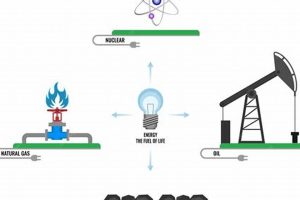
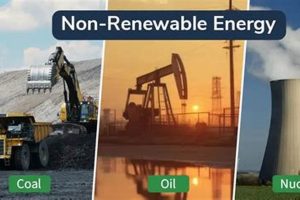
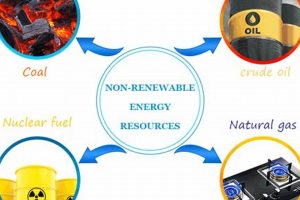
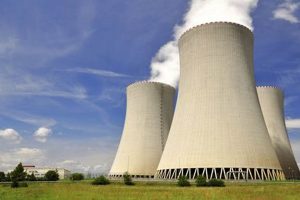
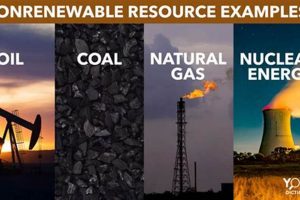
Resources categorized as finite and unable to be replenished at a rate that keeps pace with consumption are known as non-renewable energy sources. Fossil fuels (coal, oil, and natural gas) and nuclear energy derived from uranium are prime examples. These resources were formed over vast geological timescales and exist in limited quantities.
These energy sources have played a crucial role in industrialization and global development due to their high energy density and relative ease of extraction and utilization. However, their finite nature necessitates strategic planning for future energy needs. Over-reliance presents significant environmental challenges due to greenhouse gas emissions from fossil fuel combustion and the long-term storage requirements for nuclear waste. Understanding these limitations is critical for informed decision-making regarding sustainable energy practices.
This article will further explore the various types of non-renewable energy, examining their extraction methods, applications, environmental impact, and the ongoing transition towards renewable alternatives.
Practical Steps for Addressing Finite Energy Resources
The finite nature of non-renewable energy sources necessitates proactive measures to mitigate environmental impact and ensure long-term energy security. The following recommendations offer guidance for individuals, communities, and industries:
Tip 1: Improve Energy Efficiency: Reducing energy consumption through better insulation, energy-efficient appliances, and optimized industrial processes lessens reliance on finite resources. Investing in energy audits can identify areas for improvement.
Tip 2: Transition to Renewable Energy Sources: Explore and adopt renewable energy alternatives such as solar, wind, hydro, and geothermal power. Government incentives and technological advancements are making these options increasingly viable.
Tip 3: Support Sustainable Transportation: Promote the use of public transport, cycling, walking, and electric vehicles to reduce reliance on fossil fuels in the transportation sector.
Tip 4: Advocate for Responsible Resource Management: Encourage policies and practices that prioritize resource conservation, waste reduction, and the development of sustainable extraction methods.
Tip 5: Invest in Research and Development: Support research into innovative energy storage technologies and alternative energy solutions to accelerate the transition away from non-renewable resources.
Tip 6: Educate and Raise Awareness: Promoting public understanding of the limitations and environmental consequences of non-renewable energy fosters informed decision-making and encourages responsible consumption.
By implementing these measures, one can contribute to a more sustainable energy future and mitigate the risks associated with resource depletion and environmental degradation.
These individual actions, combined with larger-scale policy changes, are essential for navigating the transition to a sustainable energy landscape and ensuring future energy security.
1. Finite Resources

The concept of finite resources is intrinsically linked to the definition of non-renewable energy. Non-renewable energy sources are, by definition, finite; their availability is limited, and they cannot be replenished at a rate that matches consumption. Understanding this finitude is crucial for comprehending the long-term implications of relying on these energy sources.
- Resource Depletion:
Continuous extraction and consumption of non-renewable energy sources inevitably lead to their depletion. The rate of depletion depends on the intensity of use and the size of the reserves. As reserves dwindle, extraction becomes more challenging and expensive, potentially leading to energy security concerns.
- Geological Timescale:
The formation of non-renewable resources like fossil fuels occurs over vast geological timescales, spanning millions of years. This timeframe contrasts sharply with the rate at which these resources are being consumed, highlighting the imbalance between replenishment and depletion.
- Economic Implications:
The finite nature of these resources has significant economic implications. Price volatility, resource scarcity, and geopolitical tensions related to resource control are all potential consequences. Diversification of energy sources is essential for mitigating these economic risks.
- Environmental Consequences:
The extraction and use of finite resources often have significant environmental impacts. Greenhouse gas emissions from fossil fuel combustion contribute to climate change, while nuclear waste disposal poses long-term challenges. These environmental consequences necessitate careful consideration of alternative energy sources and responsible resource management.
The finite nature of non-renewable energy sources underscores the urgent need for a transition to sustainable energy practices. Developing and implementing renewable energy technologies, improving energy efficiency, and promoting responsible resource management are essential steps in mitigating the risks associated with resource depletion and its environmental and economic consequences.
2. Geological Formation

Geological formation plays a critical role in defining non-renewable energy sources. The processes by which these resources are formed over vast geological timescales directly influence their characteristics, availability, and the methods used for extraction.
- Fossil Fuel Formation:
Fossil fuels (coal, oil, and natural gas) originate from organic matter accumulated over millions of years. Coal forms from ancient plant matter subjected to intense pressure and heat. Oil and natural gas derive from marine organisms deposited on the ocean floor and similarly transformed under geological forces. Specific geological formations, such as sedimentary basins, are crucial for the accumulation and preservation of these resources.
- Uranium Formation:
Uranium, the primary fuel for nuclear energy, is a naturally occurring radioactive element found in various geological formations. Its concentration in specific ore bodies is the result of geological processes like hydrothermal activity and magmatic differentiation. The geological context dictates the viability and methods employed for uranium extraction.
- Timescale and Scarcity:
The extended timescales involved in the formation of these resourcesmillions of yearsunderscore their finite nature. Current consumption rates vastly exceed the rate of natural replenishment, reinforcing their classification as non-renewable. Geological processes are too slow to replace these resources within a human timeframe.
- Extraction Methods:
Geological formations dictate the methods employed for resource extraction. Mining techniques are used for coal and uranium extraction, while drilling and hydraulic fracturing are common for accessing oil and natural gas reserves. The geological context also influences the environmental impact of extraction activities.
Understanding the geological formation of non-renewable energy sources provides critical context for evaluating their availability, extraction challenges, and environmental impact. This understanding reinforces the need for sustainable energy strategies that prioritize resource conservation and the transition to renewable alternatives.
3. Fossil Fuels (Coal, Oil, Gas)

Fossil fuels represent a cornerstone of the non-renewable energy landscape. Their classification as non-renewable stems from their formation process over vast geological timescales, rendering their replenishment rate negligible compared to current consumption. Examining the specific characteristics of coal, oil, and natural gas provides a deeper understanding of their role in the energy sector and the implications of their finite nature.
- Formation Process:
Fossil fuels originate from the decomposition of organic matter buried under layers of sediment over millions of years. Coal derives primarily from ancient plant matter, while oil and natural gas form from marine organisms. The immense pressure and heat associated with these geological processes transform the organic material into energy-rich hydrocarbons.
- Energy Density:
Fossil fuels are characterized by their high energy density, meaning they contain a significant amount of energy per unit volume or mass. This characteristic has made them a preferred energy source for industrial processes, transportation, and electricity generation. However, this energy density comes at an environmental cost, as combustion releases substantial amounts of greenhouse gases.
- Extraction and Utilization:
Diverse methods are employed for extracting fossil fuels, ranging from mining for coal to drilling and hydraulic fracturing for oil and gas. These extraction processes have varying environmental impacts, including habitat disruption, water contamination, and methane emissions. The combustion of fossil fuels for energy production further contributes to air pollution and climate change.
- Finite Reserves and Environmental Concerns:
The finite nature of fossil fuel reserves underscores the need for sustainable alternatives. Continued reliance on these resources raises concerns about resource depletion, energy security, and the environmental consequences of their extraction and use. Transitioning to renewable energy sources and implementing energy efficiency measures are essential for mitigating these risks.
The properties of fossil fuelstheir formation over geological timescales, high energy density, and finite reservesfirmly place them within the category of non-renewable energy sources. Their prevalence in the current energy mix underscores the urgency of transitioning to more sustainable and renewable alternatives to address resource depletion and mitigate environmental impacts.
4. Nuclear Energy (Uranium)
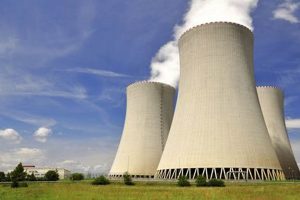
Nuclear energy, derived from uranium, stands as a distinct category within non-renewable energy sources. While not a fossil fuel, uranium shares the finite nature characteristic of non-renewable resources. Its utilization involves unique processes and considerations that differentiate it from fossil fuel energy production, presenting both advantages and disadvantages in the context of sustainable energy strategies.
- Uranium as a Finite Resource:
Uranium, like fossil fuels, exists in finite quantities within the Earth’s crust. While relatively abundant, economically viable uranium deposits are concentrated in specific geological formations. The extraction and processing of uranium ore involve significant energy inputs and can have environmental impacts related to land disturbance, waste generation, and potential radioactive contamination.
- Nuclear Fission and Energy Generation:
Nuclear energy relies on the process of nuclear fission, where the nucleus of a uranium atom is split, releasing a substantial amount of energy. This energy is harnessed to heat water, generating steam that drives turbines to produce electricity. Nuclear power plants offer a high-power output and operate continuously, unlike intermittent renewable sources like solar and wind.
- Radioactive Waste Management:
A significant challenge associated with nuclear energy is the management of radioactive waste. Spent nuclear fuel remains radioactive for thousands of years, requiring safe and secure long-term storage solutions. The disposal of nuclear waste is a complex issue with significant environmental and safety considerations, contributing to the debate surrounding the sustainability of nuclear power.
- Nuclear Energy and the Environment:
Nuclear power plants do not emit greenhouse gases during operation, offering a potential advantage in mitigating climate change compared to fossil fuel-based electricity generation. However, the entire lifecycle of nuclear energy, including uranium mining, fuel processing, and waste disposal, does have environmental impacts. The risk of nuclear accidents, though statistically low, also remains a concern.
Nuclear energy, while classified as non-renewable due to the finite nature of uranium, presents a complex case within the broader energy landscape. Its high energy output and lack of greenhouse gas emissions during operation offer potential benefits. However, the challenges associated with radioactive waste management, environmental impacts of uranium mining and processing, and the risk of accidents warrant careful consideration when evaluating its role in a sustainable energy future.
5. High Energy Density
High energy density is a defining characteristic of non-renewable energy sources, significantly influencing their widespread utilization. Energy density refers to the amount of energy stored per unit volume or mass of a substance. Non-renewable resources, particularly fossil fuels (coal, oil, and natural gas) and uranium, possess considerably higher energy densities compared to most renewable alternatives. This characteristic has profound implications for their practical applications and contributes to their historical dominance in the global energy mix.
The high energy density of fossil fuels makes them highly efficient for various applications. A relatively small volume of gasoline, for example, can power a vehicle for hundreds of miles. Similarly, a compact amount of coal can generate substantial electricity in a power plant. This concentrated energy content facilitates transportation, storage, and utilization across diverse sectors, from transportation and industry to residential heating and electricity generation. The high energy density of uranium, while utilized differently through nuclear fission, similarly enables significant power generation from a comparatively small amount of fuel.
While advantageous in terms of efficiency and power output, the high energy density of non-renewable resources contributes to their environmental impact. The combustion of fossil fuels releases a substantial amount of energy, but also generates greenhouse gases, contributing to climate change. Nuclear fission, while not producing greenhouse gases directly, presents challenges related to radioactive waste disposal. The very property that makes these resources so effectivetheir concentrated energy contentalso poses significant environmental challenges. Understanding this connection underscores the need for responsible resource management and the development of sustainable energy alternatives with lower environmental footprints. Transitioning towards a diverse energy portfolio that incorporates renewable sources and emphasizes energy efficiency is crucial for mitigating the environmental consequences associated with high energy density non-renewable resources.
6. Environmental Impact
The environmental impact associated with non-renewable energy sources represents a significant concern in the context of sustainable development. The extraction, processing, and utilization of these resources contribute to a range of environmental problems, necessitating careful consideration of their long-term consequences. The very nature of non-renewable energyits reliance on finite resources extracted from the Earthintrinsically links it to environmental disruption.
Fossil fuel combustion, the primary method for utilizing coal, oil, and natural gas, releases substantial amounts of greenhouse gases, primarily carbon dioxide, into the atmosphere. This contributes significantly to climate change, with consequences ranging from rising global temperatures and altered weather patterns to sea-level rise and increased frequency of extreme weather events. The extraction processes for fossil fuels, such as mining and drilling, also contribute to habitat destruction, land degradation, and water contamination. Oil spills, while accidental, pose significant threats to marine ecosystems. Nuclear energy, while not emitting greenhouse gases during operation, presents challenges related to uranium mining, which can contaminate surrounding environments with radioactive materials. The long-term storage of radioactive waste also requires robust solutions to prevent environmental contamination.
Understanding the environmental impact of non-renewable energy is crucial for informed decision-making regarding energy policies and practices. Transitioning towards renewable energy sources, improving energy efficiency, and promoting responsible resource management are essential steps in mitigating these environmental risks. Ignoring the environmental consequences of non-renewable energy use threatens the delicate balance of ecosystems and jeopardizes the long-term sustainability of the planet. The finite nature of these resources further emphasizes the urgency of transitioning to a more sustainable energy future, where environmental considerations play a central role.
7. Depletion Risk
Depletion risk is an inherent characteristic of non-renewable energy sources, directly linked to their finite nature. Because these resources exist in limited quantities and are not replenished at a rate comparable to consumption, their eventual depletion poses significant challenges to energy security and economic stability. Understanding depletion risk is crucial for formulating sustainable energy strategies and mitigating potential disruptions.
- Resource Availability:
The finite nature of non-renewable resources dictates that continuous extraction will inevitably lead to depletion. Estimates of remaining reserves vary, influenced by factors like exploration efforts and extraction technologies. As readily accessible resources are depleted, extraction becomes more challenging and costly, potentially leading to price volatility and supply disruptions.
- Economic Dependence:
Many economies rely heavily on non-renewable energy sources for various sectors, including transportation, industry, and electricity generation. Depletion risk threatens this dependence, potentially leading to economic instability if alternative energy sources are not developed and implemented in a timely manner. Diversification of energy sources and investment in renewable technologies are essential for mitigating this risk.
- Geopolitical Implications:
The uneven distribution of non-renewable resources across the globe can create geopolitical tensions and conflicts. Nations with significant reserves may exert influence over global markets, while resource-poor nations face vulnerabilities related to energy security. Depletion risk can exacerbate these tensions as competition for remaining resources intensifies.
- Transition to Alternatives:
Recognizing depletion risk necessitates a proactive transition to sustainable energy alternatives. Investing in renewable energy technologies, improving energy efficiency, and promoting responsible resource management are crucial steps in mitigating the potential disruptions associated with the eventual depletion of non-renewable resources.
Depletion risk underscores the finite nature of non-renewable energy sources and the inherent limitations of relying solely on these resources for long-term energy security. Proactive measures to diversify energy sources and transition to renewable alternatives are essential for mitigating the economic, geopolitical, and environmental challenges posed by resource depletion. The finite nature of non-renewable energy is a defining characteristic that necessitates strategic planning and a shift towards sustainable energy practices.
Frequently Asked Questions about Non-Renewable Energy
This section addresses common inquiries regarding non-renewable energy sources, aiming to provide clear and concise information.
Question 1: What is the primary difference between renewable and non-renewable energy?
Renewable energy sources replenish naturally over relatively short periods, while non-renewable resources exist in finite quantities and are depleted with use.
Question 2: Why are fossil fuels considered non-renewable?
Fossil fuels (coal, oil, and natural gas) formed over millions of years from organic matter. Their formation rate is significantly slower than current consumption rates, making them effectively non-renewable.
Question 3: Is nuclear energy renewable?
Nuclear energy relies on uranium, a finite resource, classifying it as non-renewable. While nuclear reactions do not directly emit greenhouse gases, uranium mining and nuclear waste disposal present environmental challenges.
Question 4: What are the main environmental concerns associated with non-renewable energy use?
Greenhouse gas emissions from fossil fuel combustion contribute to climate change. Extraction processes can cause habitat destruction and pollution. Nuclear waste disposal requires long-term storage solutions.
Question 5: What are the economic implications of resource depletion?
Resource depletion can lead to price volatility, supply disruptions, and economic instability for regions heavily reliant on non-renewable resources. It necessitates diversification of energy sources and strategic planning.
Question 6: What steps can be taken to mitigate the risks associated with non-renewable energy dependence?
Transitioning to renewable energy sources, improving energy efficiency, and promoting responsible resource management are crucial for mitigating risks and ensuring long-term energy security.
Understanding the characteristics, limitations, and environmental implications of non-renewable energy sources is essential for informed decision-making and the development of sustainable energy strategies.
For further information, explore the following resources related to renewable energy alternatives and sustainable energy practices.
Conclusion
Non-renewable energy sources, characterized by their finite nature and geological origins, have played a pivotal role in global development. Fossil fuels and nuclear energy, while offering high energy density, present significant environmental challenges, including greenhouse gas emissions from combustion and the long-term implications of nuclear waste disposal. The inherent depletion risk associated with these resources underscores the need for careful resource management and a strategic transition towards sustainable alternatives.
The future of energy hinges on a global commitment to diversification and innovation. Embracing renewable energy technologies, enhancing energy efficiency, and fostering responsible resource management are crucial for mitigating the risks associated with non-renewable energy dependence. The transition to a sustainable energy future demands a collective effort, informed by a clear understanding of the limitations and environmental consequences of finite resources. This understanding is paramount for ensuring long-term energy security and safeguarding the planet’s future.