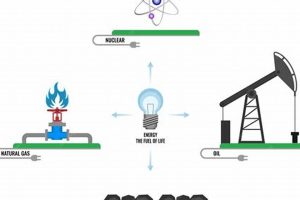
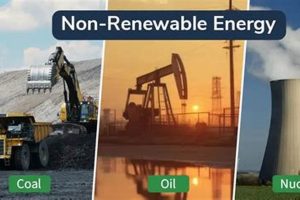
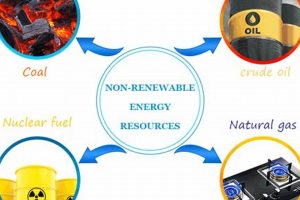
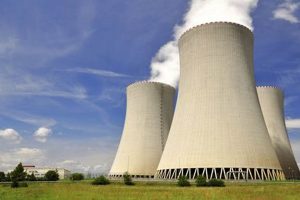
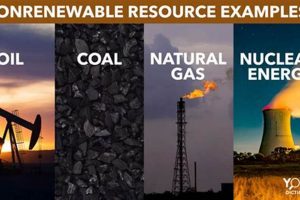
Finite resources, like fossil fuels (coal, oil, and natural gas) and nuclear fuels (uranium), are consumed at rates far exceeding their natural replenishment. Fossil fuels, formed from ancient organic matter, release energy when burned, while nuclear fuels generate power through nuclear fission. These energy forms power many aspects of modern life, from transportation to electricity generation.
Historically, access to these concentrated energy sources fueled industrial revolutions and societal development. Their high energy density and relative ease of extraction and utilization made them cornerstones of global economies. They enabled advancements in agriculture, manufacturing, and transportation, drastically improving living standards for many. However, their finite nature presents significant long-term challenges.
This inherent limitation necessitates a deeper exploration of energy production, consumption patterns, and environmental impacts. Understanding the specific characteristics of each finite resource, their roles in the energy landscape, and the transition towards sustainable alternatives forms the core of the following discussion.
Practical Steps for Engaging with Finite Energy Resources
Responsible utilization of finite energy resources requires careful consideration of consumption patterns and environmental impacts. The following practical steps offer guidance for navigating this complex landscape.
Tip 1: Maximize Energy Efficiency: Implementing energy efficiency measures in buildings, transportation, and industrial processes reduces overall demand. Examples include improved insulation, energy-efficient appliances, and optimized industrial equipment.
Tip 2: Support Sustainable Transportation: Transitioning towards electric vehicles, public transportation, and active transportation (walking, cycling) minimizes reliance on fossil fuels for transportation.
Tip 3: Advocate for Responsible Resource Management: Promoting policies and practices that encourage responsible extraction, processing, and use of finite resources is crucial. This includes minimizing environmental damage and maximizing resource recovery.
Tip 4: Invest in Research and Development: Continued research and development into carbon capture and storage technologies, as well as advanced nuclear technologies, can potentially mitigate the environmental impacts of finite resource use.
Tip 5: Diversify Energy Sources: Transitioning towards a diverse energy portfolio that incorporates renewable energy sources reduces dependence on finite resources and enhances energy security.
Tip 6: Promote Energy Literacy: Public awareness and education regarding the limitations and impacts of finite resources empower informed decision-making and encourage responsible energy consumption.
Tip 7: Plan for Long-Term Sustainability: Implementing long-term strategies for energy production and consumption that prioritize sustainability ensures a secure and environmentally responsible energy future.
By adopting these measures, individuals, communities, and nations can contribute to a more sustainable and responsible approach to energy management, mitigating the environmental impact and extending the lifespan of these critical resources.
The transition to a sustainable energy future requires a concerted global effort, balancing present needs with the imperative of preserving the planet for future generations. The insights presented here serve as a foundation for informed discussion and action.
1. Fossil Fuels

Fossil fuels constitute a significant subset of non-renewable energy sources, formed from the decomposition of organic matter over millions of years. Their prevalence in global energy systems stems from their high energy density and relative ease of extraction. However, their finite nature and environmental consequences necessitate a transition towards sustainable alternatives.
- Formation and Composition:
Fossil fuels originate from ancient plant and animal remains subjected to intense heat and pressure beneath the Earth’s surface. Coal comprises primarily carbon, while oil and natural gas consist of hydrocarbons. Variations in geological conditions influence the specific composition and properties of each fuel type.
- Extraction and Utilization:
Extraction methods vary depending on the type of fossil fuel and its geological location. Coal mining involves surface or underground extraction, while oil and natural gas are extracted through drilling. Combustion releases the stored energy, typically for electricity generation, transportation, and industrial processes. Oil refineries process crude oil into various fuels and petrochemicals.
- Environmental Impact:
Combustion of fossil fuels releases greenhouse gases, primarily carbon dioxide, contributing to climate change. Extraction processes can also disrupt ecosystems and cause land degradation. Oil spills pose significant risks to marine environments. Addressing these environmental challenges is crucial for sustainable development.
- Economic Significance:
Fossil fuels have played a dominant role in global economic development, fueling industrialization and powering transportation networks. However, price volatility, geopolitical instability associated with resource distribution, and the long-term unsustainability of these resources underscore the need for economic diversification and a transition to renewable energy sources.
The reliance on fossil fuels presents complex challenges, demanding a balanced approach that considers energy security, economic development, and environmental sustainability. Transitioning towards a diversified energy portfolio that incorporates renewable energy sources is essential for mitigating the long-term risks associated with fossil fuel dependence and ensuring a sustainable energy future.
2. Nuclear Fuels

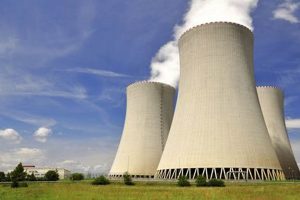
Nuclear fuels, primarily uranium, represent a distinct category within non-renewable energy sources. Unlike fossil fuels, which release energy through chemical combustion, nuclear fuels generate power through nuclear fission. This process involves splitting the nucleus of an atom, releasing substantial amounts of energy. While nuclear fuels offer a high energy density and do not directly emit greenhouse gases during operation, their finite nature, the generation of radioactive waste, and the potential for accidents necessitate careful consideration within the broader context of non-renewable resources. For example, the Fukushima Daiichi nuclear disaster in 2011 highlighted the potential risks associated with nuclear power generation, leading to reevaluations of safety protocols and long-term waste management strategies globally.
Uranium, the most commonly used nuclear fuel, occurs naturally in the Earth’s crust. After mining and processing, it is enriched to increase the concentration of fissile isotopes, making it suitable for use in nuclear reactors. The controlled fission chain reaction within the reactor generates heat, which is then used to produce steam, driving turbines and generating electricity. This process, while highly efficient, produces radioactive byproducts that require specialized storage and management over extended periods. Furthermore, the finite nature of uranium reserves raises concerns about long-term energy security, similar to the challenges posed by fossil fuel depletion. Practical applications of nuclear technology extend beyond electricity generation, including medical isotopes for diagnostics and treatment, as well as industrial applications such as material testing and sterilization.
Understanding the role of nuclear fuels within the broader context of non-renewable energy sources is crucial for informed decision-making. While nuclear energy offers a carbon-free alternative to fossil fuels for electricity generation, the challenges associated with waste management, safety concerns, and resource limitations require ongoing research and development. Addressing these challenges effectively is essential for maximizing the potential benefits of nuclear energy while mitigating its inherent risks. The future of nuclear energy depends on technological advancements, rigorous safety protocols, and responsible waste management strategies, all within a framework of sustainable energy development.
3. Finite Resources

Finite resources represent a critical aspect of understanding non-renewable energy sources. These resources, by definition, exist in limited quantities and are consumed at rates exceeding their natural replenishment. This inherent limitation poses significant challenges for long-term energy security and necessitates careful consideration of consumption patterns and environmental impacts. Exploring the multifaceted nature of finite resources provides crucial context for evaluating the role of non-renewable energy sources in the global energy landscape.
- Resource Depletion:
Continuous extraction and consumption of finite resources inevitably lead to depletion. The rate of depletion depends on factors such as consumption rates, technological advancements in extraction, and the discovery of new reserves. For example, proven oil reserves, while constantly being revised, represent a finite quantity. As extraction continues, the remaining reserves become increasingly difficult and expensive to access, impacting energy prices and potentially leading to energy shortages.
- Geological Timescales:
The formation of finite resources, particularly fossil fuels, occurs over geological timescales, spanning millions of years. This contrasts sharply with the rate at which these resources are currently being consumed. Coal, oil, and natural gas formed under specific geological conditions from ancient organic matter. The vast timescales involved in their formation highlight the finite nature of these resources and the impossibility of replenishing them at rates commensurate with current consumption patterns.
- Environmental Consequences:
Extraction and utilization of finite resources often have significant environmental consequences. Mining activities can disrupt ecosystems, cause land degradation, and contribute to water pollution. The combustion of fossil fuels releases greenhouse gases, driving climate change. Nuclear fuel cycles, while not directly emitting greenhouse gases, generate radioactive waste that requires long-term storage and management. Addressing these environmental challenges is crucial for sustainable development.
- Economic Implications:
The finite nature of these resources has significant economic implications. Price volatility, resource scarcity, and geopolitical tensions related to resource control can impact global markets and national economies. For example, dependence on imported oil can create vulnerabilities for nations, highlighting the importance of energy independence and diversification of energy sources. The transition to renewable energy sources represents a crucial step towards long-term economic stability and sustainability.
Understanding the finite nature of these resources underscores the importance of transitioning towards sustainable energy alternatives. Renewable energy sources, such as solar, wind, and hydropower, offer a pathway towards long-term energy security while mitigating the environmental impacts associated with non-renewable resource extraction and consumption. This transition requires a multifaceted approach encompassing technological innovation, policy changes, and shifts in consumption patterns. The long-term sustainability of human societies depends on effectively managing and transitioning away from dependence on finite resources.
4. Environmental Impact
Extraction and utilization of non-renewable energy sources exert significant environmental pressures. Combustion of fossil fuels releases greenhouse gases, primarily carbon dioxide, contributing to climate change. This alters atmospheric composition, influencing global temperature patterns and weather systems. Observed effects include rising sea levels, increased frequency of extreme weather events, and shifts in ecosystem dynamics. For instance, the burning of coal for electricity generation is a major source of carbon dioxide emissions globally. Furthermore, extraction processes, such as coal mining and oil drilling, can disrupt landscapes, fragment habitats, and pollute water sources. Oil spills, while accidental, pose substantial threats to marine ecosystems, impacting biodiversity and coastal communities. The Deepwater Horizon oil spill in the Gulf of Mexico serves as a stark reminder of the potential ecological damage associated with oil extraction.
Nuclear fuels, while not directly contributing to greenhouse gas emissions, present distinct environmental challenges. The generation of radioactive waste necessitates long-term storage solutions to prevent environmental contamination. The potential for accidents at nuclear power plants, as evidenced by the Chernobyl and Fukushima incidents, underscores the risks associated with nuclear energy generation. These incidents resulted in widespread radioactive contamination, displacement of populations, and long-term health consequences. Furthermore, the mining and processing of uranium ore can generate radioactive tailings and contribute to water pollution in surrounding areas. Addressing these environmental challenges associated with nuclear fuels is crucial for responsible energy production.
Understanding the environmental impact of non-renewable energy sources is critical for informed decision-making regarding energy policy and resource management. Transitioning towards sustainable energy alternatives, such as solar, wind, and geothermal energy, is essential for mitigating the environmental consequences associated with non-renewable resources. This transition requires a comprehensive approach involving technological advancements, policy changes, and international cooperation. Mitigating the environmental impact of non-renewable energy sources is not merely an environmental imperative but a necessity for ensuring a sustainable future.
5. Energy Security

Energy security is intrinsically linked to the reliance on non-renewable energy sources. Access to reliable and affordable energy supplies underpins economic stability and national security. However, dependence on finite resources, particularly fossil fuels, creates vulnerabilities. Concentrated reserves, often located in politically unstable regions, can lead to geopolitical tensions and price volatility. Reliance on imports exposes nations to supply disruptions, impacting industrial production, transportation, and essential services. The 1973 oil crisis, triggered by an embargo by Arab oil-producing nations, exemplifies the disruptive potential of supply disruptions, causing widespread economic hardship and highlighting the fragility of energy systems reliant on imported fossil fuels.
Diversification of energy sources is a key strategy for enhancing energy security. Over-reliance on a single source, especially a non-renewable one, creates vulnerabilities. Developing a mix of energy sources, including renewables, reduces dependence on any single supplier and mitigates the impact of potential disruptions. Investing in domestic renewable energy production enhances national energy independence and reduces exposure to global market fluctuations. Furthermore, advancements in energy storage technologies can improve grid stability and reliability, reducing the impact of intermittent renewable sources. For example, countries with significant hydropower resources often enjoy greater energy security due to their reliance on a domestically controlled renewable source. Similarly, nations investing heavily in solar and wind energy coupled with advanced storage solutions are better positioned to withstand fluctuations in fossil fuel markets.
Transitioning towards a sustainable energy future requires addressing the challenges associated with finite resources and energy security. Dependence on non-renewable sources creates both economic and geopolitical vulnerabilities. Diversification of energy sources, investment in renewable energy technologies, and efficient energy management practices are crucial for achieving long-term energy security. Furthermore, international cooperation and policy frameworks are essential for navigating the complex interplay of energy production, consumption, and global security. A balanced approach that considers both short-term energy needs and long-term sustainability goals is essential for navigating the transition towards a more secure and sustainable energy future.
6. Economic Implications

Economic implications of reliance on non-renewable energy sources are multifaceted and far-reaching. Price volatility inherent in global fossil fuel markets introduces uncertainty into national economies and household budgets. Fluctuations in oil and gas prices directly impact transportation costs, manufacturing expenses, and electricity generation, creating ripple effects throughout economic systems. This volatility can hinder economic planning and investment, particularly in energy-intensive industries. Furthermore, the finite nature of these resources necessitates ongoing exploration and extraction, which can be costly and environmentally damaging. For example, deep-sea oil drilling requires substantial investment and carries significant environmental risks, exemplified by the Deepwater Horizon oil spill and its subsequent economic and ecological consequences.
Subsidies for non-renewable energy industries create market distortions, diverting resources from investments in sustainable alternatives. These subsidies often perpetuate reliance on fossil fuels, hindering the transition to a more diversified and resilient energy landscape. Conversely, investment in renewable energy technologies stimulates economic growth, creating new jobs in manufacturing, installation, and maintenance. The growth of the solar and wind energy sectors exemplifies this job creation potential. Furthermore, reduced reliance on imported fossil fuels improves national trade balances and strengthens domestic energy security, reducing vulnerability to geopolitical instability and price shocks. Energy efficiency measures also offer substantial economic benefits, reducing energy consumption and lowering costs for businesses and households. For instance, investments in building insulation and energy-efficient appliances reduce long-term energy expenditures.
Transitioning towards a sustainable energy system based on renewable resources offers significant long-term economic advantages. Reduced reliance on finite resources mitigates price volatility and enhances energy independence. Investment in renewable energy technologies stimulates economic growth and job creation. Furthermore, addressing climate change through the adoption of cleaner energy sources reduces the economic costs associated with climate-related disasters, such as extreme weather events and rising sea levels. A strategic approach to energy policy, prioritizing efficiency and diversification, is crucial for ensuring long-term economic stability and sustainability. The economic implications of energy choices extend beyond immediate costs and benefits, shaping future economic landscapes and influencing global competitiveness.
7. Sustainable Alternatives
The finite nature and environmental consequences of non-renewable energy sources necessitate a transition towards sustainable alternatives. This transition represents a fundamental shift in energy production and consumption patterns, moving away from reliance on finite resources like fossil fuels and nuclear materials towards renewable sources capable of replenishing themselves naturally. This shift is driven by the imperative to mitigate climate change, enhance energy security, and ensure long-term resource availability. Sustainable alternatives encompass a range of technologies and practices, including solar, wind, hydropower, geothermal, biomass, and tidal energy. For example, solar photovoltaic panels convert sunlight directly into electricity, while wind turbines harness wind energy to generate power. These technologies, unlike fossil fuels, do not deplete finite resources or emit greenhouse gases during operation. Furthermore, sustainable alternatives often decentralize energy production, reducing reliance on large, centralized power plants and enhancing community resilience.
The development and implementation of sustainable alternatives require significant investment in research, infrastructure, and policy frameworks. Governments play a crucial role in incentivizing the adoption of renewable energy technologies through subsidies, tax credits, and renewable portfolio standards. Furthermore, technological advancements continue to improve the efficiency and cost-competitiveness of sustainable alternatives, making them increasingly viable replacements for non-renewable sources. For instance, advancements in battery technology enhance energy storage capabilities, addressing the intermittency challenges associated with solar and wind power. Similarly, smart grids optimize energy distribution, improving the integration of renewable energy sources into existing power systems. The transition to sustainable alternatives also presents opportunities for economic development, creating new jobs in manufacturing, installation, and maintenance of renewable energy technologies.
Transitioning away from non-renewable energy sources towards sustainable alternatives is not merely a technological challenge but a societal imperative. This transition requires a concerted global effort, involving governments, industries, and individuals. Overcoming the challenges associated with intermittency, storage, and infrastructure development is crucial for realizing the full potential of sustainable alternatives. Furthermore, promoting energy efficiency and reducing energy consumption are essential components of this transition. The long-term sustainability of human societies hinges on successfully navigating this energy transition, ensuring access to reliable, affordable, and environmentally responsible energy sources for future generations. The consequences of inaction are significant, including exacerbated climate change, increased resource scarcity, and heightened geopolitical instability. Embracing sustainable alternatives is not just an option, but a necessary path towards a more secure and sustainable future.
Frequently Asked Questions
Addressing common inquiries regarding finite energy resources provides clarity and fosters informed discussion. The following questions and answers offer insights into key aspects of this complex topic.
Question 1: What distinguishes renewable from non-renewable energy sources?
Renewable sources replenish naturally over relatively short periods, while non-renewable sources exist in finite quantities and deplete with use. Sunlight, wind, and water flow continuously replenish, while fossil fuels and nuclear materials exist in limited reserves.
Question 2: Why is transitioning away from non-renewable energy important?
Transitioning is crucial due to the environmental and economic consequences associated with non-renewable resource dependence. Combustion of fossil fuels contributes significantly to climate change, while resource depletion poses long-term energy security risks. Furthermore, price volatility in fossil fuel markets impacts economic stability.
Question 3: What are the primary barriers to widespread adoption of renewable energy?
Key barriers include infrastructure development costs, intermittency of some renewable sources (like solar and wind), and energy storage limitations. Technological advancements and policy support are essential for overcoming these challenges.
Question 4: How does energy consumption impact resource depletion rates?
Higher energy consumption accelerates depletion of finite resources. Energy efficiency measures and responsible consumption patterns are essential for extending the lifespan of existing resources and mitigating environmental impacts.
Question 5: What role does government policy play in the energy transition?
Government policies, including carbon pricing, renewable energy incentives, and energy efficiency standards, play a crucial role in shaping energy markets and driving the transition towards sustainable alternatives. Supportive policies can accelerate investment in renewable energy technologies and infrastructure development.
Question 6: What are the long-term implications of continued reliance on non-renewable energy?
Continued reliance exacerbates climate change, increasing the frequency and intensity of extreme weather events and contributing to rising sea levels. Furthermore, resource depletion poses long-term risks to energy security and economic stability.
Understanding the complexities surrounding non-renewable energy sources is crucial for informed decision-making. Addressing the challenges and opportunities associated with the energy transition requires a multifaceted approach involving technological advancements, policy interventions, and responsible consumption patterns.
Further exploration of specific energy technologies, resource management strategies, and environmental impacts will provide a more comprehensive understanding of this critical topic.
Conclusion
Non-renewable energy sources, encompassing fossil fuels and nuclear materials, have played a pivotal role in powering industrialization and shaping modern societies. However, their finite nature, coupled with significant environmental consequences, necessitates a fundamental shift in energy production and consumption patterns. Resource depletion, greenhouse gas emissions, and geopolitical instability associated with non-renewable resource dependence underscore the urgency of transitioning towards sustainable alternatives. This exploration has highlighted the multifaceted challenges and opportunities inherent in this transition, emphasizing the interconnectedness of energy security, economic stability, and environmental sustainability.
The future of energy lies in embracing sustainable alternatives and fostering responsible resource management. Continued reliance on non-renewable sources presents significant risks to both present and future generations. Investing in renewable energy technologies, implementing energy efficiency measures, and promoting international cooperation are crucial steps towards mitigating the long-term consequences of non-renewable resource dependence. The transition to a sustainable energy future requires a concerted global effort, balancing immediate energy needs with the imperative of preserving the planet for generations to come. The choices made today will determine the energy landscape of tomorrow and shape the trajectory of human civilization.