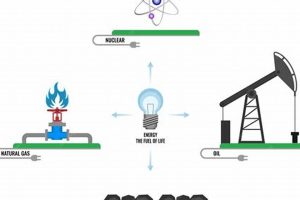
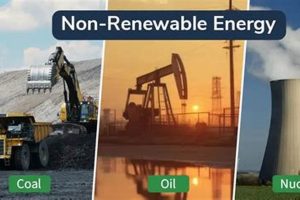
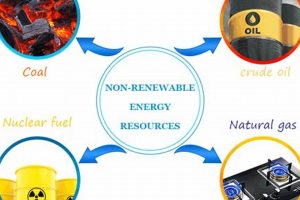
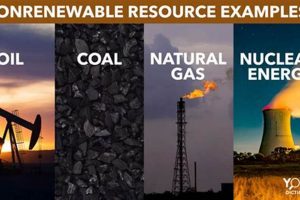
Finite resources like fossil fuels (coal, oil, and natural gas) and nuclear fuels (uranium) constitute the primary sources of energy that are not replenished at a rate commensurate with their consumption. Fossil fuels, formed from ancient organic matter subjected to intense heat and pressure over millions of years, are accessed through extraction and refining processes. Nuclear fuels, derived from radioactive elements found in the Earth’s crust, harness energy through nuclear fission.
These energy sources have played a pivotal role in powering industrialization and global development. Their relatively high energy density and established infrastructure have facilitated large-scale power generation, transportation, and industrial processes. Historically, the abundance and affordability of these resources propelled economic growth and improved living standards worldwide. However, their finite nature and the environmental consequences of their use have led to a search for more sustainable alternatives.
Understanding the complexities of these resources, their impact on the environment, and the transition to sustainable alternatives requires a deeper exploration of their extraction, processing, utilization, and ultimate consequences. This includes examining the environmental impact, economic considerations, and the future role of these sources as the global energy landscape evolves.
Tips for Responsible Finite Resource Utilization
Minimizing the environmental impact and maximizing the lifespan of finite energy resources requires careful consideration and proactive measures. The following tips offer guidance on responsible utilization:
Tip 1: Maximize Efficiency: Improving energy efficiency in buildings, transportation, and industrial processes reduces the demand for finite resources. Examples include adopting better insulation, using fuel-efficient vehicles, and optimizing industrial equipment.
Tip 2: Invest in Research and Development: Continued research and development into cleaner extraction and combustion technologies can mitigate the environmental impact of utilizing these resources. Exploring carbon capture and storage technologies is crucial.
Tip 3: Diversify Energy Sources: Reducing reliance on finite resources by diversifying the energy mix with renewable sources like solar, wind, and hydropower is essential for long-term sustainability.
Tip 4: Promote Responsible Consumption: Making conscious decisions about energy consumption, such as reducing energy use at home and choosing energy-efficient products, contributes to a more sustainable energy future.
Tip 5: Implement Effective Regulations: Government policies and regulations play a crucial role in promoting responsible resource management, including setting emission standards, incentivizing efficiency improvements, and supporting the development of renewable energy technologies.
Tip 6: Plan for a Transition: Recognizing the finite nature of these resources necessitates planning for a future powered by sustainable alternatives. This includes investing in infrastructure, developing new technologies, and supporting workforce transitions.
By adopting these strategies, it is possible to mitigate the environmental impact of utilizing finite resources while simultaneously ensuring a smoother transition to a more sustainable energy future.
The transition to a sustainable energy future requires a comprehensive approach encompassing responsible utilization of existing resources, investment in renewable alternatives, and a global commitment to reducing emissions.
1. Fossil Fuels

Fossil fuels constitute a significant portion of non-renewable energy sources, playing a crucial role in global energy production. Understanding their formation, extraction, and utilization is essential for comprehending the complexities and challenges associated with non-renewable energy dependence.
- Formation
Formed from ancient organic matter subjected to intense heat and pressure over millions of years, fossil fuels exist in various forms, including coal, oil, and natural gas. The geological processes involved determine the specific characteristics and energy content of each fuel type.
- Extraction
Extracting fossil fuels involves diverse methods depending on the resource and its geological location. Coal mining, oil drilling, and hydraulic fracturing are common extraction techniques, each with its associated environmental and economic considerations. For instance, coal mining can lead to habitat destruction and water contamination, while oil spills pose significant risks to marine ecosystems.
- Utilization
Fossil fuels are primarily utilized for electricity generation, transportation, and industrial processes. Combustion of these fuels releases energy, but also produces greenhouse gases and other pollutants. Power plants, vehicles, and industrial facilities rely heavily on fossil fuels, contributing significantly to global carbon emissions.
- Environmental Impact
The environmental impact of fossil fuel utilization includes air and water pollution, greenhouse gas emissions, and habitat destruction. These impacts contribute to climate change, acid rain, and other environmental problems. The extraction and transportation of fossil fuels also pose risks of spills and leaks, which can have devastating consequences for local ecosystems. For example, oil spills can severely damage marine life and coastal environments.
The reliance on fossil fuels as a primary energy source presents significant challenges due to their finite nature and environmental consequences. Transitioning to a sustainable energy future requires reducing dependence on these resources through increased energy efficiency, investment in renewable energy technologies, and responsible resource management. The continued use of fossil fuels necessitates mitigating their environmental impact through cleaner extraction and combustion technologies and exploring carbon capture and storage solutions.
2. Nuclear Fuels

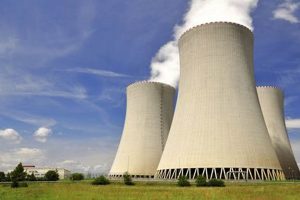
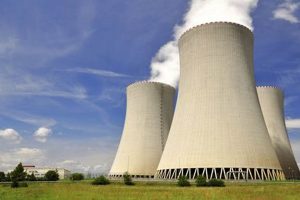
Nuclear fuels, primarily uranium, represent a distinct category within non-renewable energy sources. Unlike fossil fuels formed from organic matter, uranium originates from radioactive elements found in the Earth’s crust. This finite resource powers nuclear reactors through nuclear fission, a process where the atom’s nucleus splits, releasing substantial energy. While nuclear energy offers a high energy output with minimal greenhouse gas emissions during operation, its inclusion within non-renewable resources stems from the limited availability of uranium and the challenges associated with nuclear waste disposal. The extraction and processing of uranium ore can also have environmental impacts, including land disturbance and potential radioactive contamination.
The utilization of nuclear fuels as an energy source presents a complex interplay of benefits and drawbacks. Nuclear power plants provide a significant source of electricity without direct greenhouse gas emissions, contributing to reduced reliance on fossil fuels for power generation. This characteristic holds particular relevance as nations strive to mitigate climate change. However, the long-term storage of radioactive waste, a byproduct of nuclear fission, remains a significant challenge. Safe and secure disposal is essential to minimize potential environmental and health risks. Furthermore, the potential for nuclear proliferation and the risks associated with nuclear accidents, such as Chernobyl and Fukushima, warrant careful consideration and stringent safety protocols.
The role of nuclear fuels within the broader context of non-renewable energy sources necessitates a balanced assessment of its advantages and disadvantages. While nuclear energy offers a powerful tool for electricity generation with a lower carbon footprint compared to fossil fuels, the finite nature of uranium resources and the complexities of waste disposal underscore the importance of responsible management and the continued exploration of alternative, sustainable energy solutions. The future of nuclear energy depends on technological advancements in areas like reactor design, waste management, and safety protocols to enhance its viability as a long-term energy option. The development of advanced reactor technologies, for example, holds the potential to address some of the current limitations, including improved waste management and enhanced safety features.
3. Finite Resources

The defining characteristic of non-renewable energy lies in its reliance on finite resources. These resources, including fossil fuels (coal, oil, and natural gas) and nuclear fuels (uranium), exist in limited quantities within the Earth’s crust. Their formation takes millions of years through geological processes, occurring at a rate far slower than current consumption rates. This fundamental limitation necessitates a careful understanding of resource availability, extraction rates, and the implications of their depletion. The connection between finite resources and non-renewable energy sources creates a direct cause-and-effect relationship: as these resources are consumed, their availability diminishes, leading to eventual exhaustion. For example, proven oil reserves, while substantial, are finite, and their extraction becomes increasingly challenging and expensive as easily accessible deposits are depleted. This dynamic underscores the finite lifespan of these energy sources and the imperative to transition toward renewable alternatives.
The finite nature of these resources has profound practical implications. Depletion of fossil fuels, for instance, can lead to price volatility, energy security concerns, and geopolitical instability. The concentration of certain resources in specific geographical regions further exacerbates these challenges. Uranium, while relatively abundant, requires complex processing and carries the risk of nuclear proliferation. Recognizing the finite nature of these resources necessitates strategic planning for their responsible utilization, including maximizing efficiency, investing in alternative energy sources, and promoting conservation efforts. For instance, advancements in battery technology and electric vehicle infrastructure can reduce reliance on finite oil reserves for transportation, while improvements in building insulation can minimize the consumption of natural gas for heating.
Understanding the limitations imposed by finite resources is paramount for navigating the future of energy production and consumption. The inherent scarcity of these resources necessitates a shift toward sustainable practices and the development of renewable energy technologies. The transition from a non-renewable energy system to one reliant on renewable sources presents significant challenges but also offers opportunities for innovation, economic growth, and a more environmentally sustainable future. The development of smart grids, for example, can facilitate the integration of diverse renewable energy sources, enhancing energy security and resilience. Ultimately, acknowledging the finite nature of non-renewable energy resources is crucial for fostering a responsible and sustainable approach to energy production and consumption.
4. Environmental Impact
Non-renewable energy sources, while crucial for powering modern society, exert significant environmental impacts throughout their lifecycle, from extraction and processing to combustion and waste disposal. Understanding these impacts is crucial for developing sustainable energy strategies and mitigating the long-term consequences of non-renewable energy dependence.
- Greenhouse Gas Emissions
The combustion of fossil fuels releases substantial quantities of greenhouse gases, primarily carbon dioxide, into the atmosphere. These gases trap heat, contributing to global warming and climate change. The resulting effects include rising sea levels, altered weather patterns, and increased frequency of extreme weather events. The magnitude of these emissions underscores the urgency of transitioning to cleaner energy sources.
- Air and Water Pollution
Extraction, processing, and combustion of non-renewable energy sources contribute to air and water pollution. Coal mining, for example, can release harmful particulate matter and heavy metals into the air and water, impacting respiratory health and aquatic ecosystems. Oil spills pose severe threats to marine life and coastal environments. Nuclear waste disposal requires careful management to prevent radioactive contamination of water sources and surrounding areas.
- Land Degradation and Habitat Loss
The extraction of non-renewable resources often involves significant land disturbance. Coal mining, for instance, can lead to deforestation, soil erosion, and habitat destruction. Oil and gas drilling operations require infrastructure development that can fragment habitats and disrupt wildlife migration patterns. Uranium mining can also result in land degradation and contamination.
- Waste Disposal Challenges
Non-renewable energy sources generate waste products that require careful management. Nuclear waste, in particular, poses a significant challenge due to its radioactivity and long half-life. Safe and secure long-term storage solutions are crucial to prevent environmental contamination and protect human health. Fossil fuel combustion also produces ash and other byproducts that require proper disposal to minimize environmental impact.
The cumulative environmental impact of non-renewable energy sources necessitates a comprehensive approach to energy production and consumption. Mitigating these impacts requires a multifaceted strategy encompassing increased energy efficiency, investment in renewable energy technologies, development of cleaner extraction and combustion processes, and responsible waste management practices. Transitioning towards a sustainable energy future requires acknowledging and addressing the environmental consequences associated with non-renewable resources.
5. Energy Security

Energy security, the uninterrupted availability of energy sources at an affordable price, is intrinsically linked to the reliance on non-renewable energy. The finite nature of these resources, coupled with geopolitical factors and fluctuating market dynamics, introduces vulnerabilities into energy systems dependent on fossil fuels and nuclear power. Examining the facets of energy security within the context of non-renewable resources reveals the complexities and challenges associated with maintaining reliable and affordable energy supplies.
- Resource Availability
The finite nature of non-renewable resources poses a fundamental challenge to long-term energy security. Depletion of readily accessible reserves necessitates exploration and extraction in increasingly challenging and costly environments, such as deep-sea drilling or remote arctic regions. This dependence on dwindling resources can lead to price volatility and supply disruptions, impacting energy security.
- Geopolitical Factors
The uneven distribution of non-renewable resources globally creates geopolitical dependencies and potential vulnerabilities. Nations heavily reliant on energy imports from politically unstable regions face risks of supply disruptions due to conflicts, sanctions, or policy changes. Control over vital resources can also become a source of international tension and conflict, further jeopardizing energy security. For instance, reliance on specific oil-producing nations can expose importing countries to price fluctuations and supply disruptions.
- Infrastructure Vulnerability
Energy security relies on robust and resilient infrastructure for the extraction, processing, and transportation of non-renewable resources. Pipelines, refineries, and power plants represent critical components of this infrastructure, yet they are vulnerable to natural disasters, accidents, and intentional attacks. Disruptions to these systems can have cascading effects on energy supply chains, undermining energy security. For example, damage to a major pipeline can disrupt the flow of natural gas to a large region, impacting power generation and industrial operations.
- Market Volatility
The price of non-renewable energy resources is subject to fluctuations in global markets. Factors influencing price volatility include supply and demand dynamics, geopolitical events, and speculation. This price instability can create economic challenges for energy-dependent nations and impact the affordability and accessibility of energy, undermining energy security for both consumers and industries.
The dependence on non-renewable energy sources introduces inherent vulnerabilities to energy security. Addressing these challenges requires a multifaceted approach encompassing diversification of energy sources through investments in renewables, enhancing energy efficiency, strengthening infrastructure resilience, and fostering international cooperation on energy policy. The transition towards a more sustainable and secure energy future necessitates a shift away from finite resources toward more reliable and sustainable alternatives. This transition, while complex, offers the potential to enhance energy independence, mitigate price volatility, and reduce the environmental impact associated with non-renewable energy sources.
6. Economic Considerations
Economic considerations are inextricably linked to non-renewable energy sources, influencing everything from extraction and production to consumption and global market dynamics. The economic implications of relying on finite resources are multifaceted, encompassing job creation, investment opportunities, price volatility, and the costs associated with environmental damage. Understanding these economic factors is crucial for informed decision-making regarding energy policy and the transition to a sustainable energy future. For example, the fossil fuel industry provides substantial employment opportunities in extraction, processing, and transportation, but these jobs are often concentrated in specific geographic regions and are vulnerable to market fluctuations and technological advancements. Conversely, investments in renewable energy technologies create new job markets in manufacturing, installation, and maintenance, offering more geographically diverse and sustainable employment opportunities.
The price volatility associated with non-renewable energy sources poses significant economic challenges. Fluctuations in oil and gas prices, driven by global supply and demand dynamics, geopolitical events, and market speculation, can impact national economies, business profitability, and consumer spending. This volatility creates uncertainty and can hinder long-term economic planning. Furthermore, the environmental costs associated with non-renewable energy use, such as air and water pollution and climate change, represent substantial economic burdens. These costs include healthcare expenses related to respiratory illnesses, damage to infrastructure from extreme weather events, and the loss of ecosystem services. For example, the health impacts of air pollution from coal-fired power plants place a significant strain on healthcare systems and reduce worker productivity.
The transition to a sustainable energy future presents both economic challenges and opportunities. While investments in renewable energy technologies and infrastructure require significant upfront capital, they offer long-term economic benefits, including reduced energy costs, job creation, and decreased reliance on volatile global commodity markets. Furthermore, mitigating the environmental costs associated with non-renewable energy use through investments in energy efficiency and cleaner technologies can lead to substantial economic savings and improve public health. Successfully navigating the transition to a sustainable energy system requires careful economic planning, policy support, and international cooperation to ensure a stable, prosperous, and environmentally sustainable future. This transition represents a significant economic opportunity to create new industries, stimulate innovation, and enhance global competitiveness in the clean energy sector.
Frequently Asked Questions about Non-Renewable Energy
This section addresses common inquiries regarding non-renewable energy sources, aiming to provide clear and concise information.
Question 1: What are the primary types of non-renewable energy?
The main types are fossil fuels (coal, oil, and natural gas) and nuclear fuels (primarily uranium).
Question 2: Why are these energy sources considered “non-renewable”?
Their formation takes millions of years, making their replenishment rate significantly slower than current consumption rates. Effectively, these resources are finite.
Question 3: What are the main environmental concerns associated with these energy sources?
Key environmental concerns include greenhouse gas emissions contributing to climate change, air and water pollution, habitat destruction, and waste disposal challenges.
Question 4: How does reliance on non-renewable energy impact energy security?
Dependence on finite and geographically concentrated resources creates vulnerabilities to price volatility, supply disruptions, and geopolitical instability.
Question 5: What are the economic implications of utilizing these energy sources?
Economic implications include job creation in extraction and processing industries, but also price volatility, environmental costs, and the need for substantial investments in infrastructure.
Question 6: What are the alternatives to non-renewable energy?
Renewable energy sources like solar, wind, hydro, geothermal, and biomass offer sustainable alternatives to finite resources.
Understanding the characteristics, impacts, and challenges associated with non-renewable energy sources is crucial for informed decision-making and the transition towards a sustainable energy future. Transitioning to a sustainable energy system requires a long-term perspective, encompassing technological advancements, policy changes, and shifts in consumer behavior.
For further exploration, the following sections delve into specific aspects of non-renewable energy, providing a more comprehensive understanding of this complex topic.
Non-Renewable Energy
This exploration of non-renewable energy has highlighted its pivotal role in powering global development while underscoring the inherent limitations and environmental consequences associated with its continued use. From the geological formation of fossil fuels to the complexities of nuclear fission, the finite nature of these resources presents significant challenges for long-term sustainability. The environmental impacts, including greenhouse gas emissions, air and water pollution, and habitat destruction, necessitate a critical evaluation of their role in a future increasingly focused on environmental stewardship. Furthermore, the economic implications of price volatility, resource depletion, and the costs associated with environmental damage underscore the need for a strategic transition toward more sustainable energy solutions.
The future of energy lies in embracing a diversified approach that prioritizes renewable resources, enhances energy efficiency, and fosters responsible resource management. While non-renewable energy sources will likely continue to play a role in the global energy mix for the foreseeable future, the imperative to transition toward a more sustainable energy landscape is undeniable. This transition requires a concerted global effort encompassing technological innovation, policy reforms, and a fundamental shift in energy consumption patterns. The choices made today will determine the energy landscape of tomorrow, impacting not only global economies and energy security but also the health of the planet for generations to come.