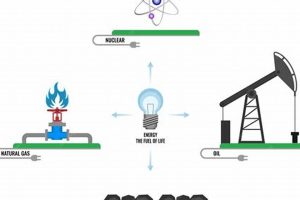
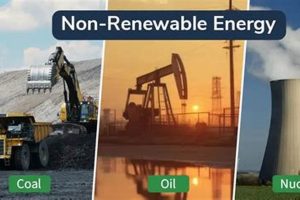
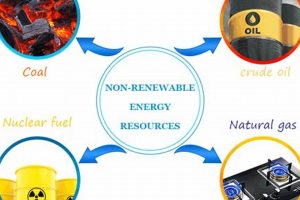
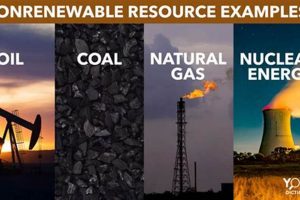
Non-renewable energy resources originate from finite geological processes that take millions of years to replenish. These resources are extracted and consumed at rates far exceeding their natural replenishment. Examples include fossil fuels like coal, petroleum (including oil and natural gas), and nuclear fuels like uranium. Each fuel type possesses unique properties that determine its suitability for various applications, from electricity generation and transportation to industrial processes and heating.
Understanding the finite nature of these resources is critical for informed energy policy and resource management. Historically, these fuels powered industrialization and global development, offering high energy density and relative ease of extraction. However, their continued use contributes significantly to environmental challenges, including greenhouse gas emissions and air pollution. This underscores the increasing importance of transitioning towards sustainable energy alternatives.
This article delves further into the specific types of non-renewable resources, examining their extraction methods, environmental impacts, and the ongoing efforts to mitigate their negative consequences while meeting global energy demands. It also explores the prospects for alternative energy sources and the challenges of transitioning away from reliance on finite resources.
Practical Steps Towards Sustainable Energy Consumption
Minimizing reliance on finite resources requires a multifaceted approach encompassing individual actions, policy changes, and technological advancements. The following tips offer practical guidance for reducing dependence on non-renewable energy sources:
Tip 1: Improve Energy Efficiency at Home: Simple changes like using energy-efficient appliances, sealing air leaks, and optimizing heating and cooling systems can significantly reduce energy consumption.
Tip 2: Embrace Sustainable Transportation: Opting for public transport, cycling, walking, or electric vehicles reduces reliance on fossil fuels for transportation.
Tip 3: Support Renewable Energy Initiatives: Advocate for policies that promote renewable energy development and invest in renewable energy technologies whenever possible.
Tip 4: Reduce, Reuse, and Recycle: Manufacturing processes often rely heavily on non-renewable energy. By reducing consumption, reusing products, and recycling materials, energy demand is lowered.
Tip 5: Educate and Advocate: Raising awareness about the importance of sustainable energy practices within communities and social networks can encourage wider adoption of responsible energy use.
Tip 6: Invest in Energy-Efficient Technologies: Consider energy-efficient upgrades for homes and businesses, such as solar panels, smart thermostats, and LED lighting.
Tip 7: Monitor and Manage Energy Consumption: Tracking energy usage helps identify areas for improvement and motivates continued efforts toward reducing reliance on non-renewable sources.
By implementing these strategies, individuals and communities can contribute to a more sustainable energy future and mitigate the environmental impact of non-renewable resource depletion.
The transition to a sustainable energy future requires a collective effort. The insights and tips provided here serve as a starting point for informed decision-making and responsible energy consumption, paving the way for a future powered by sustainable resources.
1. Fossil Fuels (Coal, Oil, Natural Gas)

Fossil fuels constitute a significant portion of non-renewable energy sources, playing a dominant role in global energy consumption for over a century. Their abundance, relatively low cost of extraction, and high energy density have historically made them a primary choice for power generation, transportation, and industrial processes. Understanding their formation, usage, and environmental impact is crucial for comprehending the broader context of non-renewable energy.
- Formation and Composition
Fossil fuels originate from the decomposition of organic matter (plants and animals) over millions of years under specific geological conditions. Coal, formed from ancient plant matter, primarily consists of carbon. Oil and natural gas, derived from marine organisms, are composed of hydrocarbons. The distinct composition of each fuel type dictates its suitability for various applications.
- Extraction and Utilization
Extraction methods vary depending on the fuel type and geological location. Coal is mined, while oil and natural gas are extracted by drilling. These fuels are utilized in diverse ways: coal primarily for electricity generation; oil for transportation and petrochemicals; and natural gas for heating, electricity generation, and industrial feedstock. The extraction and utilization processes, however, contribute significantly to environmental challenges.
- Environmental Impact
The combustion of fossil fuels releases greenhouse gases, primarily carbon dioxide, contributing to climate change. Furthermore, the extraction process can cause land degradation, water pollution, and habitat destruction. Air pollution from burning fossil fuels also poses significant health risks. These environmental consequences necessitate a shift towards cleaner energy alternatives.
- Economic Considerations
The global economy is heavily reliant on fossil fuels, creating complex economic dependencies. Price volatility, geopolitical instability related to resource control, and the economic costs associated with environmental damage present significant challenges. Transitioning away from fossil fuels requires careful economic planning and investment in alternative energy infrastructure.
The reliance on fossil fuels as a primary energy source presents a complex interplay of factors. While they have fueled industrial growth and provided readily available energy, the environmental and economic repercussions necessitate a transition to sustainable alternatives. Evaluating the full lifecycle impacts of fossil fuels, from extraction to consumption, highlights the urgency of diversifying the global energy portfolio and investing in renewable energy solutions.
2. Nuclear fuels (uranium)
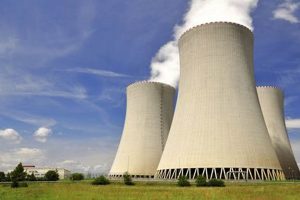
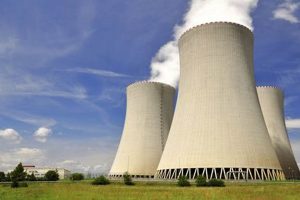
Nuclear fuels, primarily uranium, represent a distinct category within non-renewable energy sources. Unlike fossil fuels, which release energy through chemical combustion, nuclear fuels generate energy through nuclear fission. This process involves splitting the nucleus of a uranium atom, releasing a tremendous amount of energy. This energy is harnessed to heat water, producing steam that drives turbines to generate electricity. Uranium’s inclusion in the list of non-renewable resources stems from its finite availability within the Earth’s crust. While nuclear power plants require relatively small amounts of uranium compared to the vast quantities of fossil fuels consumed for energy production, uranium deposits are nonetheless finite and geographically concentrated. This necessitates careful resource management and exploration of alternative energy sources.
The use of nuclear fuels offers a complex set of advantages and disadvantages. Nuclear power plants generate electricity without directly emitting greenhouse gases, offering a potential advantage in mitigating climate change. However, the process generates radioactive waste, which requires safe and long-term storage solutions. The risk of nuclear accidents, such as Chernobyl and Fukushima, underscores the importance of stringent safety protocols and regulatory oversight. Furthermore, the potential for nuclear proliferation raises security concerns related to the misuse of nuclear materials. Countries like France and the United States rely heavily on nuclear power for electricity generation, demonstrating its role in diversifying energy portfolios. However, the long-term sustainability of nuclear power hinges on addressing waste management and safety concerns.
Understanding the role of uranium within the broader context of non-renewable energy sources requires a nuanced perspective. While nuclear power offers a carbon-free alternative to fossil fuels, the issues of waste disposal, safety, and security remain critical challenges. The future of nuclear power depends on technological advancements in reactor design, waste management strategies, and robust international cooperation to ensure safe and responsible utilization of this non-renewable resource.
3. Finite Resources

The concept of finite resources is intrinsically linked to the list of all non-renewable energy sources. Non-renewable energy, by definition, derives from resources that are finite and depletable. These resources, formed over geological timescales far exceeding human lifespans, are being consumed at rates that prevent natural replenishment. This finite nature presents significant challenges for long-term energy security and necessitates a transition towards renewable alternatives.
- Resource Depletion
Continuous extraction and consumption of non-renewable resources inevitably lead to depletion. As readily accessible reserves diminish, extraction becomes more challenging, costly, and environmentally damaging. This necessitates exploration of more remote and difficult-to-access reserves, further exacerbating environmental impacts. For instance, the shift towards unconventional oil and gas extraction, such as fracking and deep-sea drilling, illustrates the increasing difficulty and environmental risks associated with accessing remaining reserves.
- Geological Timescales
The formation of non-renewable resources, such as fossil fuels and uranium, occurs over millions of years. This geological timescale renders these resources effectively non-replenishable within human timeframes. The rate of consumption drastically outpaces the rate of formation, highlighting the unsustainable nature of relying solely on these finite resources for energy production.
- Supply Security and Geopolitics
The uneven distribution of non-renewable resources across the globe creates geopolitical tensions and vulnerabilities. Countries with abundant reserves wield significant economic and political influence, while resource-dependent nations face potential supply disruptions and price volatility. This dynamic underscores the need for energy independence and diversification through renewable energy sources.
- Economic Implications
The finite nature of non-renewable resources introduces economic uncertainties. As resources become scarcer, prices tend to rise, impacting energy costs for consumers and businesses. Furthermore, the transition away from non-renewable energy requires significant investment in renewable energy infrastructure and technologies. Managing this economic transition effectively is crucial for maintaining economic stability and promoting sustainable growth.
The finite nature of non-renewable energy sources underscores the urgency of transitioning towards sustainable alternatives. Resource depletion, geological timescales, supply security concerns, and economic implications all highlight the limitations of relying on finite resources. Understanding these limitations is crucial for promoting responsible energy consumption, investing in renewable energy technologies, and developing sustainable energy policies for a secure future. The inherent limitations of finite resources necessitate a shift towards renewable energy sources that can provide a long-term, sustainable solution to global energy demands.
4. Environmental Impact
The environmental impact associated with non-renewable energy sources represents a significant concern, intrinsically linked to their extraction, processing, and utilization. Combustion of fossil fuels (coal, oil, and natural gas) releases substantial quantities of greenhouse gases, primarily carbon dioxide, contributing to climate change and its cascading effects, such as rising global temperatures, altered precipitation patterns, and increased frequency of extreme weather events. Furthermore, the extraction processes themselves can cause significant environmental damage. Coal mining, for example, can lead to habitat destruction, land degradation, and water pollution. Oil and gas extraction, including hydraulic fracturing (“fracking”), pose risks of groundwater contamination and induced seismicity. The burning of fossil fuels also releases air pollutants, including sulfur oxides and nitrogen oxides, which contribute to acid rain and respiratory problems.
Nuclear fuels, while not contributing directly to greenhouse gas emissions, present unique environmental challenges. The process of nuclear fission generates radioactive waste, requiring safe and long-term storage solutions. The potential for nuclear accidents, although statistically low, carries significant risks of environmental contamination and long-term health consequences, as exemplified by the Chernobyl and Fukushima disasters. The environmental impact of non-renewable energy sources extends beyond immediate pollution. The demand for these resources drives habitat loss through activities such as mining and drilling, affecting biodiversity and ecosystem health. The transportation of these resources also contributes to greenhouse gas emissions and poses risks of spills and leaks, with potentially devastating environmental consequences.
Addressing the environmental impact of non-renewable energy sources requires a multifaceted approach. Transitioning towards renewable energy sources, such as solar, wind, and hydropower, offers a crucial pathway to mitigating climate change and reducing air and water pollution. Improving energy efficiency in various sectors, from transportation to industry, can also reduce reliance on non-renewable resources and lessen their environmental footprint. Sustainable resource management practices, including responsible extraction methods and waste management strategies, can help minimize environmental damage. International cooperation and policy frameworks play a vital role in promoting sustainable energy development and mitigating the global environmental impact of non-renewable energy sources. Recognizing and mitigating the environmental impact of non-renewable energy is paramount for achieving long-term environmental sustainability and ensuring a healthy planet for future generations.
5. Energy Security

Energy security is inextricably linked to the reliance on non-renewable energy sources. The finite nature and uneven global distribution of these resources create vulnerabilities and geopolitical tensions. Concentrated reserves of fossil fuels and uranium empower certain nations while leaving others dependent on imports, susceptible to price volatility and supply disruptions. This dependence can be leveraged for political influence, creating energy insecurity for reliant nations. The pursuit of energy security often drives nations to secure access to these finite resources, sometimes through political or military interventions, exacerbating international conflicts. For example, dependence on oil and natural gas imports has historically influenced geopolitical strategies and alliances, impacting international relations and creating vulnerabilities for energy-importing nations. Diversification of energy sources and a transition towards renewables are crucial for enhancing energy security.
Over-reliance on non-renewable resources can hinder long-term energy security. Depleting reserves and increasing extraction difficulties lead to higher prices and potential supply shortages. Furthermore, environmental regulations and global efforts to mitigate climate change add further pressure, potentially restricting the use of fossil fuels and impacting energy markets. The transition to renewable energy sources offers a pathway to greater energy independence and security. Investing in domestic renewable energy infrastructure reduces reliance on volatile international markets and strengthens national energy security. Real-world examples, such as Denmark’s significant progress in wind power, demonstrate the potential for achieving energy independence through renewable resources.
Understanding the connection between energy security and non-renewable resources is crucial for developing effective energy policies. Recognizing the vulnerabilities associated with dependence on finite resources necessitates strategic planning and investment in alternative energy sources. Promoting energy efficiency measures, diversifying energy portfolios, and fostering international cooperation on renewable energy development are essential steps toward achieving long-term energy security and mitigating the risks associated with reliance on depleting resources. The transition to a sustainable energy future requires a shift away from non-renewable resources towards a diversified and resilient energy system based on renewable sources.
6. Economic Implications

The economic implications of relying on non-renewable energy sources are substantial and multifaceted. These resources, including fossil fuels and nuclear fuels, are integral to the global economy, driving industries, transportation, and power generation. However, their finite nature, price volatility, and environmental consequences create complex economic challenges. The extraction, processing, and distribution of non-renewable resources represent significant economic activities, generating employment and revenue. However, price fluctuations, often influenced by geopolitical events and supply disruptions, introduce economic instability. The dependence on these resources creates vulnerabilities for economies reliant on imports, impacting trade balances and economic growth. For instance, oil price shocks can trigger inflationary pressures and economic downturns, demonstrating the interconnectedness between energy markets and economic stability.
Furthermore, the environmental costs associated with non-renewable energy sources create significant economic burdens. Climate change, driven largely by greenhouse gas emissions from fossil fuel combustion, leads to economic losses through extreme weather events, sea-level rise, and disruptions to agriculture and other industries. Addressing these environmental challenges requires substantial investments in mitigation and adaptation measures, adding to the economic burden. The transition towards renewable energy sources presents both challenges and opportunities. Investing in renewable energy infrastructure and technologies creates new economic sectors and employment opportunities. However, managing this transition effectively requires careful planning and policy frameworks to ensure a smooth shift without disrupting existing economic structures. For example, government subsidies and incentives can play a crucial role in promoting renewable energy adoption and fostering a sustainable energy economy.
Understanding the economic implications of non-renewable energy sources is crucial for informed decision-making and sustainable economic development. Balancing the economic benefits of utilizing these resources with the long-term costs of their environmental impact and finite nature requires a strategic approach. Diversifying energy sources, investing in renewable energy technologies, and implementing policies that promote energy efficiency are essential steps towards mitigating economic risks and building a sustainable energy future. The transition to a less carbon-intensive economy presents both challenges and opportunities, requiring careful planning and international cooperation to ensure long-term economic stability and prosperity. Recognizing the complex interplay between energy, environment, and economics is paramount for navigating the challenges and realizing the opportunities of a sustainable energy future.
7. Transition to Renewables

The transition to renewable energy sources represents a necessary response to the limitations and environmental consequences associated with the list of all non-renewable energy sources. Fossil fuels and nuclear fuels, while having played a crucial role in industrial development, present inherent challenges related to their finite nature, price volatility, and environmental impact. Shifting towards renewable energy offers a pathway to long-term energy security, environmental sustainability, and economic diversification.
- Diversification of Energy Portfolio
Transitioning to renewables necessitates diversifying energy portfolios away from dependence on a limited number of non-renewable resources. This diversification enhances energy security by reducing reliance on volatile global markets and geopolitical instability. Examples include investing in a mix of renewable sources such as solar, wind, hydro, and geothermal, tailored to specific regional resources and energy demands. This reduces vulnerability to supply disruptions and price fluctuations associated with non-renewable resources.
- Technological Advancements and Cost Reduction
Continuous technological advancements are driving down the cost of renewable energy technologies, making them increasingly competitive with non-renewable sources. Innovations in solar panel efficiency, wind turbine design, and energy storage solutions are enhancing the feasibility and affordability of renewable energy integration. This cost reduction accelerates the transition away from non-renewable resources, making renewable energy a more economically viable option for power generation and other applications.
- Infrastructure Development and Grid Integration
The transition to renewables requires substantial investments in infrastructure development, including building new transmission lines, upgrading existing grids, and developing energy storage solutions to accommodate the intermittent nature of some renewable sources. Integrating renewable energy into existing energy systems presents technical challenges but offers long-term benefits in terms of reduced reliance on non-renewable resources and enhanced grid resilience. Examples include smart grid technologies that optimize energy distribution and storage, facilitating seamless integration of renewable energy sources.
- Policy and Regulatory Frameworks
Supportive policies and regulatory frameworks play a crucial role in accelerating the transition to renewable energy. Government incentives, such as feed-in tariffs, tax credits, and renewable portfolio standards, can stimulate investment in renewable energy projects and create a favorable market environment for renewable energy technologies. International cooperation on climate change mitigation and sustainable energy development further strengthens the global commitment to transitioning away from non-renewable resources.
The transition to renewable energy sources represents a fundamental shift away from the limitations inherent in the list of all non-renewable energy sources. By diversifying energy portfolios, fostering technological innovation, developing supportive infrastructure, and implementing effective policies, nations can achieve greater energy security, mitigate environmental impacts, and foster sustainable economic growth. This transition is not merely a technological endeavor but a complex societal undertaking requiring coordinated efforts across governments, industries, and communities. The shift towards renewable energy is essential for building a sustainable energy future and addressing the long-term challenges associated with relying on finite and environmentally damaging non-renewable resources.
Frequently Asked Questions about Non-Renewable Energy
This section addresses common inquiries regarding non-renewable energy sources, aiming to provide clear and concise information.
Question 1: What are the primary types of non-renewable energy?
The main non-renewable energy sources are fossil fuels (coal, oil, and natural gas) and nuclear fuels (primarily uranium).
Question 2: Why are these resources considered “non-renewable”?
Their formation takes millions of years, meaning they are consumed far faster than nature can replenish them.
Question 3: What are the main environmental concerns associated with these energy sources?
Fossil fuel combustion releases greenhouse gases, contributing to climate change. Extraction processes can cause habitat destruction and pollution. Nuclear waste disposal presents long-term environmental challenges.
Question 4: What are the economic implications of relying on non-renewable energy?
Economic dependence on these finite resources creates vulnerability to price fluctuations and supply disruptions. Transitioning away requires significant investment in alternative infrastructure.
Question 5: What is the role of energy security in the context of non-renewable resources?
Uneven global distribution of these resources creates geopolitical tensions and dependencies, impacting national energy security. Diversification through renewables enhances energy independence.
Question 6: What are the key steps involved in transitioning away from non-renewable energy?
Key steps include investing in renewable energy technologies, improving energy efficiency, developing supportive policies, and fostering international cooperation.
Understanding the characteristics and implications of non-renewable energy is crucial for informed decision-making regarding energy policies and sustainable practices. Transitioning towards a diversified energy portfolio that incorporates renewable sources is essential for long-term energy security and environmental sustainability.
For further exploration of specific non-renewable resources and their associated impacts, continue to the next section.
Conclusion
This exploration of non-renewable energy sources has highlighted their critical role in powering past and present human activities, while also underscoring the inherent limitations and environmental consequences associated with their continued reliance. From the ubiquitous fossil fuelscoal, oil, and natural gasto nuclear fuels like uranium, the finite nature of these resources necessitates a fundamental shift in energy production and consumption patterns. Their extraction and utilization contribute significantly to greenhouse gas emissions, driving climate change and its associated impacts, while also raising concerns about resource depletion, geopolitical instability, and economic volatility.
The imperative to transition towards a sustainable energy future is clear. Diversification of energy portfolios through the adoption of renewable energy technologies, coupled with improvements in energy efficiency and the implementation of supportive policies, represents the pathway to mitigating the negative impacts of non-renewable resource dependence. This transition requires concerted global effort, innovation, and investment to ensure a secure, equitable, and environmentally sustainable energy landscape for future generations. The future of energy lies in embracing renewable alternatives, fostering responsible resource management, and promoting global cooperation towards a sustainable energy paradigm.