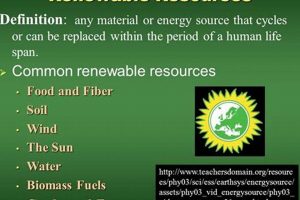
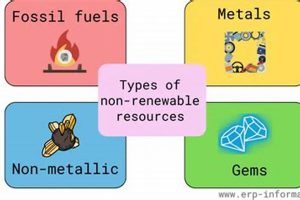
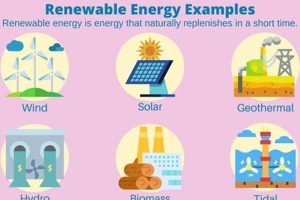
The significance of sustainable power generation lies in its capacity to provide energy derived from sources that are naturally replenishing. Examples include solar radiation, wind currents, geothermal heat, and flowing water. These sources stand in contrast to finite fossil fuels, representing a critical shift in energy production methodologies.
Widespread adoption of these energy generation methods is essential for mitigating climate change. It reduces reliance on fossil fuels, which are major contributors to greenhouse gas emissions. This transition fosters energy independence, promotes job creation in developing sectors, and improves air and water quality, leading to positive public health outcomes. Historically, the move towards cleaner power has been gradual, driven by technological advancements, policy incentives, and increasing awareness of environmental consequences.
This analysis will explore the multifaceted advantages of sustainable power options, examining their environmental impact, economic viability, and contribution to global energy security. It will also address the challenges associated with their implementation and consider the future landscape of a world increasingly powered by these alternatives.
Realizing the Full Potential of Sustainable Energy
Maximizing the advantages inherent in sustainable power requires strategic planning and dedicated execution across various sectors. The following guidelines aim to facilitate a more effective transition to a cleaner energy future.
Tip 1: Prioritize Long-Term Investment: Sustainable power projects often require substantial initial capital. However, the long-term operational costs are typically lower than those associated with fossil fuel-based systems due to reduced fuel expenses and lower maintenance requirements. Government incentives, private sector partnerships, and innovative financing models are crucial for securing these initial investments.
Tip 2: Enhance Grid Infrastructure: Integrating sustainable sources, particularly intermittent ones like solar and wind, requires modernizing existing grid infrastructure. This includes implementing smart grid technologies, energy storage solutions (such as batteries or pumped hydro), and enhanced transmission capacity to ensure reliable energy delivery.
Tip 3: Promote Research and Development: Continuous innovation is essential for driving down costs and improving the efficiency of sustainable energy technologies. Targeted research and development efforts should focus on areas such as advanced materials, improved energy storage, and more efficient conversion processes.
Tip 4: Implement Supportive Policy Frameworks: Governments play a crucial role in accelerating the adoption of cleaner energy through policies such as feed-in tariffs, renewable portfolio standards, and carbon pricing mechanisms. These policies provide clear market signals and incentivize investment in sustainable power generation.
Tip 5: Foster Public Awareness and Education: Educating the public about the benefits of sustainable power and addressing common misconceptions is crucial for building support and driving consumer demand. This can be achieved through public awareness campaigns, educational programs, and community engagement initiatives.
Tip 6: Encourage Distributed Generation: Promote the use of localized, smaller-scale energy generation sources, such as rooftop solar panels or small wind turbines, to reduce transmission losses and increase energy resilience.
Tip 7: Develop Comprehensive Energy Storage Solutions: Reliable and affordable energy storage is a vital part of transitioning to a grid heavily reliant on sustainable sources. Focus on researching and deploying a variety of storage technologies to ensure energy is available when it is needed.
By implementing these strategic recommendations, stakeholders can collectively unlock the full potential of sustainable power, fostering a more sustainable, resilient, and prosperous future for all.
The continued commitment to these strategic implementations will solidify the shift to more sustainable solutions for years to come.
1. Sustainability

Sustainability forms a cornerstone in the evaluation of energy resources, directly impacting their long-term viability and societal benefit. Sustainable practices in energy involve meeting present energy needs without compromising the ability of future generations to meet their own requirements. The degree to which an energy source adheres to principles of sustainability is intrinsically linked to its overall importance.
- Resource Depletion Mitigation
Sustainability emphasizes the avoidance of exhausting natural resources. Sustainable power relies on resources that are naturally replenished, such as solar radiation, wind, and water, unlike finite fossil fuels. This reduces the risk of resource scarcity and ensures long-term energy availability.
- Environmental Impact Reduction
Sustainable energy systems minimize negative environmental impacts. By reducing or eliminating harmful emissions, pollution, and ecosystem disruption, they help preserve biodiversity and maintain ecological balance. For example, solar and wind farms, while requiring land use, have minimal air and water pollution compared to coal-fired power plants.
- Economic Viability Over Time
Sustainability considers the economic feasibility of energy production over extended periods. While initial investment costs for sustainable infrastructure may be higher, the long-term operational costs are typically lower due to reduced fuel expenses and environmental remediation costs. This economic stability contributes to energy security and predictability.
- Social Equity and Access
Sustainable energy promotes equitable access to clean and affordable energy for all segments of society. Decentralized sustainable energy systems, such as community solar projects, can empower local communities, reduce energy poverty, and enhance energy independence, particularly in underserved areas.
The integration of sustainability principles into energy policy and practice is crucial for ensuring that energy resources are not only abundant but also environmentally responsible, economically viable, and socially equitable. This comprehensive approach solidifies the critical role that sustainable energy plays in a secure and prosperous future. The factors mentioned above underscore the core importance of renewable energy resources.
2. Environmental Protection

Environmental stewardship is intrinsically linked to the ascent of sustainable power generation. The correlation stems from the detrimental impacts of traditional energy sources, primarily fossil fuels, on ecological systems. Combustion of coal, oil, and natural gas releases significant quantities of greenhouse gases, leading to climate change and its associated consequences: rising sea levels, extreme weather events, and disruptions to ecosystems. Additionally, the extraction and transportation of fossil fuels can result in habitat destruction, oil spills, and water contamination.
Sustainable power offers a tangible alternative, mitigating many of these adverse effects. Solar, wind, geothermal, and hydropower facilities generate power with significantly lower emissions or pollutants. For instance, solar energy directly converts sunlight into electricity, producing virtually no greenhouse gases during operation. Wind power harnesses kinetic energy from wind currents, an abundant and renewable resource. The implementation of these cleaner alternatives decreases the overall carbon footprint of energy production, preserving air and water quality, safeguarding biodiversity, and fostering a more sustainable relationship between energy consumption and ecological integrity. Germany’s Energiewende, a transition to sustainable power, showcases a large-scale effort to reduce reliance on fossil fuels, aiming to lower greenhouse gas emissions and encourage cleaner energy sources.
Recognizing the integral role of environmental preservation within the broader context of sustainable energy emphasizes a transition that is not merely about diversifying energy sources, but fundamentally reshaping our interaction with the natural world. Prioritizing environmental protection is essential for ensuring long-term ecological health, and it is a central argument for the continued expansion and refinement of renewable energy technologies and policies globally.
3. Energy Security

Energy security, defined as the uninterrupted availability of energy sources at an affordable price, is critically enhanced by the integration of sustainable power. Reliance on geographically concentrated fossil fuels exposes nations to price volatility, geopolitical instability, and supply disruptions. Sustainable power offers a pathway to greater energy independence and resilience.
- Diversification of Energy Sources
Sustainable power inherently diversifies a nation’s energy portfolio. By incorporating solar, wind, geothermal, and other sustainable sources, dependence on single or limited fuel types diminishes. Germany’s investment in wind and solar power, for example, has reduced its reliance on Russian natural gas, enhancing its energy security.
- Reduced Vulnerability to Geopolitical Instability
Sustainable power minimizes exposure to geopolitical risks associated with fossil fuel production and transportation. Nations can generate power domestically, buffering against international conflicts, trade disputes, and supply route disruptions. Island nations, like Iceland with its geothermal resources, demonstrate how indigenous power sources can ensure energy independence.
- Price Stability and Predictability
Unlike fossil fuels, the operating costs of sustainable power facilities are less susceptible to volatile global markets. Once infrastructure is in place, the “fuel” sunlight, wind, or geothermal heat is essentially free, providing greater price stability and predictability for consumers and businesses.
- Enhanced Grid Resilience
Distributed sustainable power generation, such as rooftop solar panels and community wind farms, increases the resilience of the energy grid. These decentralized systems can continue to operate during grid outages or extreme weather events, providing essential power to local communities. Microgrids powered by sustainable resources exemplify this enhanced resilience.
The strategic deployment of sustainable power not only mitigates environmental impacts but also fortifies a nation’s energy security. By diversifying sources, reducing geopolitical vulnerability, stabilizing energy prices, and enhancing grid resilience, sustainable power emerges as a critical component of a robust and secure energy future. These factors underscore the overarching of incorporating renewable resources into a nations energy strategy.
4. Economic Growth

Economic expansion is inextricably linked to energy access and affordability. The shift towards sustainable power sources presents diverse avenues for fostering economic growth, provided strategic policies and investments are implemented effectively.
- Job Creation in New Industries
The sustainable energy sector generates employment opportunities across various skill levels, from manufacturing and installation to research and development. Solar panel production, wind turbine maintenance, and the development of energy storage solutions all require a skilled workforce. Countries investing heavily in sustainable energy infrastructure witness substantial job growth in these emerging industries. For instance, Germanys Energiewende initiative has spurred employment in wind and solar energy sectors, offsetting job losses in traditional fossil fuel industries.
- Attracting Investment and Innovation
The promise of a growing sustainable energy market attracts both domestic and international investment. Venture capitalists, private equity firms, and institutional investors are increasingly allocating capital to sustainable energy projects and technologies. This influx of capital fuels innovation, leading to advancements in efficiency, cost-effectiveness, and energy storage capabilities. Silicon Valley’s investment in electric vehicle technology serves as an example, creating high-value jobs and driving technological innovation.
- Reducing Energy Costs and Improving Competitiveness
Sustainable power can lead to reduced energy costs in the long term. Once infrastructure is established, the marginal cost of generating power from sources like solar and wind is minimal, since there are no fuel costs. Reduced energy expenses can improve the competitiveness of domestic industries, particularly energy-intensive sectors like manufacturing and agriculture. Icelands utilization of geothermal energy for industrial processes allows companies to operate with lower energy costs, enhancing their competitiveness in global markets.
- Stimulating Rural Economic Development
Sustainable energy projects can stimulate economic activity in rural areas. Wind and solar farms often generate revenue for landowners through lease agreements and property taxes, boosting local economies. Furthermore, the construction and maintenance of these facilities create jobs in rural communities. Denmarks community-owned wind turbines exemplify how sustainable energy can empower rural populations and foster local economic development.
The relationship between economic growth and sustainable power is multifaceted, encompassing job creation, investment attraction, cost reduction, and rural development. By strategically harnessing sustainable resources, nations can stimulate economic activity, enhance competitiveness, and ensure a more prosperous future, emphasizing the economic importance of renewable energy resources.
5. Public Health
The implementation of sustainable energy sources has a direct and significant impact on public well-being, primarily through the reduction of air and water pollution. Conventional energy production, heavily reliant on fossil fuels, emits particulate matter, nitrogen oxides, sulfur dioxide, and other pollutants, which contribute to respiratory illnesses, cardiovascular diseases, and certain cancers. Replacing fossil fuels with renewable alternatives such as solar, wind, and hydroelectric power drastically diminishes these emissions, resulting in improved air and water quality and, consequently, better public health outcomes. The transition, therefore, is not merely an environmental consideration but a critical public health imperative.
Regions heavily dependent on coal-fired power plants, for example, often experience elevated rates of respiratory diseases among residents. Studies consistently demonstrate a correlation between proximity to these plants and increased hospital admissions for asthma and other respiratory ailments. Shifting to cleaner energy sources can reverse this trend, leading to measurable improvements in respiratory health within a relatively short timeframe. Furthermore, renewable energy systems, unlike fossil fuel extraction and combustion, do not produce hazardous waste that can contaminate water supplies, mitigating the risk of waterborne diseases and exposure to toxic chemicals.
In summary, the connection between public health and sustainable energy stems from the tangible benefits of reduced pollution and improved environmental quality. By transitioning to cleaner energy sources, societies can mitigate the adverse health effects associated with fossil fuel dependence, leading to healthier populations and reduced healthcare costs. The recognition of this direct link underscores the importance of prioritizing the development and deployment of renewable energy technologies as a fundamental strategy for protecting and promoting public health on a global scale. The importance of renewable energy resources to achieving improved public health outcomes is therefore clear.
6. Climate Mitigation

Climate mitigation, encompassing efforts to reduce or prevent the emission of greenhouse gases, is inextricably linked to the fundamental significance of sustainable power generation. The combustion of fossil fuelscoal, oil, and natural gasreleases substantial quantities of carbon dioxide (CO2), methane (CH4), and other greenhouse gases into the atmosphere. These emissions contribute significantly to the greenhouse effect, trapping heat and driving global warming and associated climate change. The transition to sustainable sources directly addresses this issue by providing energy generation methods with substantially lower or zero greenhouse gas emissions during operation.
Solar photovoltaic (PV) systems, wind turbines, hydroelectric dams, and geothermal power plants, for example, produce electricity without burning fossil fuels. While manufacturing and installation processes may involve some emissions, the lifecycle greenhouse gas footprint of these technologies is significantly less than that of fossil fuel-based systems. Furthermore, the increased deployment of sustainable power fosters the development of supporting technologies like energy storage and smart grids, further enhancing the effectiveness of climate mitigation efforts. Costa Rica, which has powered itself almost entirely on sustainable sources for years, demonstrates the potential for a national-level reduction in carbon emissions through a dedicated focus on sustainable power.
The urgent need for climate mitigation necessitates a rapid and widespread adoption of sustainable power. Addressing climate change requires a multi-faceted approach, and sustainable energy is a critical component in reducing emissions, and achieving global climate goals. Investment in sustainable power technologies and infrastructure represents a critical investment in securing a stable and sustainable future. The degree to which sustainable alternatives supplant the use of fossil fuels will directly influence the severity of future climate change impacts, highlighting the critical importance of renewable energy resources.
Frequently Asked Questions Regarding the Importance of Renewable Energy Resources
The following questions address commonly held concerns and misconceptions surrounding the adoption and implementation of sustainable power generation.
Question 1: Are sustainable energy sources consistently reliable, given the intermittent nature of wind and solar power?
The reliability of intermittent sources, such as solar and wind, depends significantly on geographical location, energy storage solutions, and grid infrastructure. Combining diverse sustainable sources, coupled with advanced energy storage technologies (e.g., batteries, pumped hydro), and smart grid management systems, enhances the dependability of the overall energy supply. Redundancy and technological diversification are key.
Question 2: Is the cost of sustainable energy truly competitive with traditional fossil fuels?
The cost competitiveness of sustainable power has improved dramatically in recent years. In many regions, solar and wind power are now cost-competitive or even cheaper than fossil fuel-based electricity generation, particularly when considering the external costs associated with pollution and climate change. Continued technological advancements and economies of scale are expected to further drive down costs.
Question 3: What are the land use implications of large-scale sustainable power projects?
Large-scale solar and wind farms can require significant land areas. However, strategic site selection, technological advancements (e.g., floating solar arrays), and co-location with other land uses (e.g., agriculture) can minimize land use impacts. Furthermore, the land footprint of sustainable energy is often less disruptive than that associated with fossil fuel extraction and transportation.
Question 4: How can the environmental impact of manufacturing sustainable energy technologies be minimized?
The manufacturing of solar panels, wind turbines, and batteries does involve some environmental impact, including the use of raw materials and energy. However, ongoing research focuses on developing more sustainable manufacturing processes, utilizing recycled materials, and reducing energy consumption. Lifecycle assessments are crucial for evaluating and minimizing the overall environmental footprint.
Question 5: Can sustainable energy meet the growing global energy demand?
Sustainable energy possesses the potential to meet a substantial portion, if not all, of the global energy demand. Harnessing the vast potential of solar, wind, geothermal, and other sustainable sources requires significant investment, technological innovation, and policy support. Integrated planning, diversification of energy sources, and improvements in energy efficiency are essential to achieve this goal.
Question 6: How does one address the social equity considerations in the transition to sustainable power?
The transition to sustainable power needs to be equitable, ensuring that all segments of society benefit. This includes providing access to affordable clean energy, creating job opportunities in underserved communities, and avoiding the displacement of workers in fossil fuel industries. Policy measures, such as retraining programs and community ownership models, are essential for a just and equitable transition.
In summation, the transition requires careful consideration of the challenges and opportunities for the shift to sustainable power and the importance of renewable energy resources in a global context.
The following section will discuss the future outlook of sustainable power implementation across the world.
Conclusion
The preceding analysis has illuminated the multifaceted dimensions of the significance of sustainable energy resources. From mitigating climate change and bolstering energy security to driving economic growth and enhancing public health, the benefits are demonstrable and far-reaching. Each element reinforces the imperative to transition away from dependence on finite and environmentally detrimental fossil fuels. The strategic deployment of sustainable technologies represents a comprehensive solution to numerous pressing global challenges.
Given the demonstrable advantages and the urgency of addressing climate change, continued investment, innovation, and policy support are paramount. The future hinges on a sustained commitment to prioritizing sustainable sources and integrating them into the global energy infrastructure. Failure to fully embrace the critical role of sustainable energy will compromise the well-being of future generations and jeopardize the stability of the planet.
![Guide to What Energy Resources Are Renewable [+Future] | Renewable Energy Solutions for a Sustainable Future | Clean & Green Power](https://pplrenewableenergy.com/wp-content/uploads/2026/03/th-516-300x200.jpg "Guide to What Energy Resources Are Renewable [+Future] Renewable Energy Solutions for a Sustainable Future | Clean & Green Power")