Solar power harnesses electromagnetic radiation from the sun and converts it into usable electricity. This process relies primarily on photovoltaic (PV) technology, where semiconductor materials absorb photons, causing electrons to be released and create an electric current. Concentrated solar power (CSP) is an alternative method that uses mirrors to focus sunlight, generating heat to drive turbines and produce electricity. The assessment of its superiority amongst other renewable options is multifaceted, incorporating factors like abundance, environmental impact, technological advancements, and economic viability.
The vast and continuous availability of sunlight across the globe positions it as a virtually inexhaustible energy resource. This contrasts with finite reserves of fossil fuels and even the geographical limitations of some other renewable resources like geothermal or hydropower. Furthermore, solar energys minimal operational emissions significantly reduce greenhouse gas contributions, mitigating climate change effects. Historical developments, such as improved silicon production and manufacturing techniques, have drastically reduced the cost of solar panels, making them more competitive in the energy market. Early applications primarily involved powering remote locations, but large-scale grid-connected solar farms are now increasingly prevalent.
The following sections will delve into specific reasons for its favorable position, examining aspects such as its environmental advantages compared to alternatives, its scalability and adaptability for various energy needs, and the economic incentives and technological advancements that are driving its widespread adoption.
Maximizing the Potential of Solar Energy
Harnessing solar energy efficiently requires a strategic approach, focusing on optimizing system design, implementation, and long-term maintenance. Considering the global push towards sustainable energy solutions, the following tips can aid in maximizing the benefits associated with solar power utilization.
Tip 1: Conduct a Thorough Site Assessment: Before installing solar panels, a comprehensive evaluation of the site’s solar irradiance, shading patterns, and roof orientation is crucial. This ensures optimal placement and energy generation potential. Analyze annual sunlight exposure using specialized tools or expert consultation to identify the most productive areas.
Tip 2: Select High-Efficiency Solar Panels: Invest in solar panels with high conversion efficiency ratings. These panels generate more electricity from the same amount of sunlight, maximizing energy output and reducing the overall footprint of the installation. Research panel specifications and compare performance data from reputable manufacturers.
Tip 3: Implement Effective Energy Storage Solutions: Integrate battery storage systems to capture excess solar energy generated during peak sunlight hours. This stored energy can then be used during periods of low sunlight or at night, ensuring a continuous and reliable power supply. Calculate storage capacity based on energy consumption patterns and desired self-sufficiency.
Tip 4: Optimize Inverter Performance: The inverter converts DC electricity generated by solar panels into AC electricity used by most appliances. Choose a high-efficiency inverter that is appropriately sized for the solar panel system. Regularly monitor inverter performance and address any issues promptly to maintain optimal energy conversion.
Tip 5: Prioritize Regular Maintenance and Cleaning: Solar panels can accumulate dust, dirt, and debris, reducing their efficiency. Establish a regular cleaning schedule to remove these obstructions and maintain optimal energy production. Inspect panels for any signs of damage or degradation and address them promptly.
Tip 6: Consider Net Metering Programs: Participate in net metering programs offered by utility companies. This allows excess solar energy generated to be fed back into the grid, earning credits that can offset electricity costs during periods when solar energy production is low. Understand the terms and conditions of the net metering program to maximize its benefits.
Tip 7: Explore Government Incentives and Rebates: Research and take advantage of available government incentives, tax credits, and rebates for solar energy installations. These financial incentives can significantly reduce the upfront cost of solar panel systems, making them more affordable and accessible.
By implementing these strategies, individuals and organizations can significantly enhance the efficiency and economic viability of solar power systems. These practices contribute to a more sustainable energy future and a reduced reliance on fossil fuels.
The preceding sections have detailed actionable tips for maximizing solar energy usage. The subsequent portion of this article will explore the economic considerations associated with its adoption.
1. Ubiquitous Resource Availability

The assertion that solar energy represents a preeminent renewable resource is fundamentally linked to its ubiquitous availability across the globe. This characteristic differentiates it significantly from other renewable energy sources and contributes substantially to its potential as a primary energy solution.
- Global Sunlight Distribution
Solar irradiance, while varying geographically and seasonally, is present across virtually all regions of the Earth. This contrasts starkly with resources like geothermal, which are confined to specific geological hotspots, or hydropower, which depends on suitable river systems. The widespread availability allows for decentralized energy production, reducing transmission losses and enhancing energy security for diverse communities. Data from NASA satellites consistently demonstrates the constant flux of solar energy reaching even high-latitude regions, albeit at varying intensities.
- Adaptability to Varied Climates
While optimal solar energy production occurs in regions with high average sunlight hours, advancements in photovoltaic technology enable effective energy capture even in cloudier climates. The development of thin-film solar cells and bifacial panels, which capture light from both sides, further expands the potential for solar energy generation in diverse environments. Case studies from countries like Germany, which despite its relatively low sunlight hours, has successfully integrated solar power into its energy mix, illustrate this adaptability.
- Scalable Deployment Options
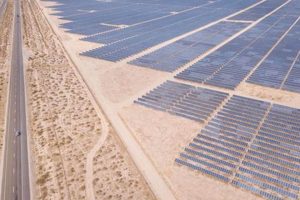
The availability of sunlight allows for solar energy deployment on scales ranging from individual rooftop installations to vast utility-scale solar farms. This scalability provides flexibility in meeting varying energy demands, from powering a single household to supplying electricity to entire cities. The modular nature of solar technology enables incremental expansion, aligning energy production with evolving consumption patterns. Examples include residential solar panel systems complemented by grid-scale solar projects, providing a multifaceted approach to energy provision.
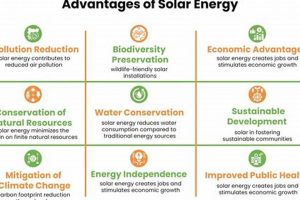
In conclusion, the consistent and widespread availability of solar radiation positions it as a leading candidate among renewable energy sources. Its ability to adapt to diverse climates, coupled with scalable deployment options, ensures accessibility across various geographies and energy needs. This ubiquity mitigates reliance on centralized energy infrastructure and contributes to a more resilient and sustainable global energy landscape. The capacity to harness this readily available resource is a crucial factor in understanding its value as a renewable energy source.
2. Minimal Environmental Impact

The classification of solar energy as a superior renewable resource stems significantly from its minimal environmental impact compared to traditional energy sources and, to a degree, certain other renewable alternatives. This reduced environmental footprint encompasses various stages, from resource extraction to energy generation and waste disposal, positioning solar power as a more sustainable option for long-term energy production.
- Reduced Greenhouse Gas Emissions
Unlike fossil fuels, solar energy generation produces virtually no greenhouse gas emissions during operation. While manufacturing solar panels does involve some emissions, the overall lifecycle emissions are significantly lower than those associated with coal, oil, and natural gas. The displacement of fossil fuel-based power plants through solar energy adoption directly contributes to mitigating climate change and reducing the atmospheric concentration of carbon dioxide and other harmful pollutants. Studies consistently demonstrate a substantial reduction in carbon footprint when transitioning from fossil fuels to solar power.
- Minimized Water Usage
Solar power plants, particularly photovoltaic (PV) systems, require minimal water for operation compared to thermoelectric power plants that rely on water for cooling. Concentrated solar power (CSP) plants, which utilize water for cooling, can employ dry-cooling technologies to significantly reduce water consumption. The reduction in water usage is particularly critical in arid and semi-arid regions where water resources are scarce and competing demands for water are high. The implementation of water-efficient cooling systems in CSP plants minimizes the environmental strain on local water supplies.
- Land Use Considerations
While utility-scale solar farms require land, their impact can be mitigated through careful site selection and land management practices. Solar farms can be co-located with agricultural activities, such as livestock grazing or pollinator habitats, maximizing land use efficiency and promoting biodiversity. Furthermore, rooftop solar installations utilize existing building infrastructure, minimizing the need for additional land development. Strategic planning and innovative land use strategies can minimize the environmental footprint of solar energy development.
- Reduced Air and Water Pollution
Solar energy generation does not produce air pollutants such as sulfur dioxide, nitrogen oxides, and particulate matter, which are associated with respiratory problems and other health issues. Additionally, solar power plants do not generate wastewater or solid waste that can contaminate water sources. The elimination of these pollutants improves air and water quality, contributing to public health and environmental protection. The adoption of solar energy reduces the burden on environmental remediation efforts and promotes a cleaner, healthier environment.
The aspects of reduced greenhouse gas emissions, minimized water usage, strategic land use, and the absence of air and water pollution collectively underscore its favorable environmental profile. The diminished environmental consequences of solar power, in comparison to conventional energy sources and even some renewable alternatives, play a crucial role in establishing its position as a desirable and sustainable energy solution. The environmental benefits are not merely theoretical but are demonstrably observable through empirical data and comparative analyses.
3. Scalability and Adaptability

The designation of solar energy as a leading renewable resource is intrinsically linked to its scalability and adaptability, rendering it capable of addressing diverse energy demands across varied contexts. This characteristic distinguishes solar from other renewable sources with inherent limitations, solidifying its potential as a comprehensive energy solution. The ability to tailor solar energy deployment to specific needs and environments fosters its widespread applicability.
The scalability of solar energy manifests in its deployment ranging from individual rooftop installations powering single residences to vast utility-scale solar farms supplying electricity to entire cities. This modularity allows for incremental expansion, aligning energy production with evolving consumption patterns. For example, a remote village can implement a microgrid powered by solar panels, providing electricity independent of a centralized grid. Conversely, densely populated urban areas can integrate solar panels into building facades and rooftops, reducing reliance on traditional power plants. The adaptability of solar technology is demonstrated by its successful implementation in diverse climates, from arid deserts to cloudy temperate regions. Advances in solar panel technology, such as thin-film and bifacial panels, enhance efficiency in low-light conditions and capture reflected light, respectively. These adaptations allow solar energy to be harnessed effectively in regions previously deemed unsuitable. Furthermore, floating solar farms are increasingly deployed on bodies of water, reducing land use conflicts and enhancing energy production through cooling effects. The versatility extends to integration with other energy systems, such as battery storage for off-grid applications or hybrid systems combining solar with wind or other renewable sources.
In conclusion, the inherent scalability and adaptability of solar energy are pivotal in understanding its superiority as a renewable resource. Its capacity to cater to a broad spectrum of energy needs, from small-scale off-grid systems to large-scale grid-connected power plants, and its ability to function effectively across diverse environmental conditions, reinforce its potential as a versatile and sustainable energy solution. These attributes contribute to its widespread adoption and its crucial role in the transition towards a cleaner energy future, mitigating reliance on finite and environmentally damaging fossil fuels.
4. Declining Technology Costs

The progressive reduction in solar technology costs is a pivotal factor contributing to its increasing prominence as a leading renewable energy source. This economic shift directly impacts its competitiveness and facilitates widespread adoption, making it an increasingly viable alternative to conventional energy generation methods.
- Manufacturing Efficiencies and Economies of Scale
Advancements in manufacturing processes, coupled with the expansion of solar panel production facilities, have led to significant economies of scale. Increased automation and optimized supply chains have reduced manufacturing costs per unit, making solar panels more affordable. Large-scale production facilities in regions with favorable labor costs further contribute to lower manufacturing expenses. This translates directly into lower prices for consumers and utility companies, accelerating the deployment of solar energy projects.
- Technological Advancements in Materials and Design
Ongoing research and development have yielded improvements in solar panel materials and designs, enhancing efficiency and reducing material usage. The transition from polysilicon to monocrystalline silicon, and the development of thin-film solar cells, have increased energy conversion rates while lowering material costs. Innovative panel designs, such as bifacial panels that capture sunlight from both sides, further enhance energy output without significantly increasing production costs. These advancements directly impact the economic viability of solar energy projects by increasing energy yield per unit cost.
- Increased Competition and Market Dynamics
The growing number of solar panel manufacturers and installers has fostered increased competition in the market, driving down prices and benefiting consumers. The availability of diverse product options and financing solutions empowers consumers to make informed decisions and choose the most cost-effective solar energy solutions. Competitive bidding processes for utility-scale solar projects further contribute to price reductions, ensuring that solar energy remains an economically attractive option for large-scale power generation.
- Government Incentives and Policy Support
Government policies, such as tax credits, subsidies, and feed-in tariffs, play a crucial role in reducing the upfront costs of solar energy installations and improving their economic attractiveness. These incentives offset initial investment costs, making solar energy more competitive with conventional energy sources. Long-term policy support provides certainty to investors and developers, fostering continued investment in solar energy projects and driving further cost reductions.
The confluence of manufacturing efficiencies, technological advancements, market dynamics, and supportive government policies has propelled a significant decline in solar technology costs. This downward trend has rendered it economically competitive with, and in some cases cheaper than, conventional energy sources, solidifying its position as a preeminent renewable energy solution. The continued reduction in costs is expected to further accelerate its adoption and contribute significantly to a sustainable energy future.
5. Long-Term Energy Independence

Securing long-term energy independence is a critical global objective, and solar energy emerges as a prominent solution due to its inherent characteristics. The ability of nations and communities to generate their own power from a readily available resource fundamentally alters the geopolitical landscape and fosters economic stability. Its alignment with this objective provides substantial justification for its classification as the most favorable renewable energy option.
- Reduced Reliance on Fossil Fuel Imports
Solar energy enables countries to decrease their dependence on imported fossil fuels, mitigating vulnerability to price fluctuations and supply disruptions. Nations with limited domestic fossil fuel reserves can leverage solar resources to satisfy their energy needs, fostering self-sufficiency. The widespread adoption of solar energy diminishes reliance on international energy markets, enhancing national energy security and buffering against geopolitical instability tied to fossil fuel trade. Examples include nations investing heavily in solar infrastructure to lessen reliance on foreign energy sources, thus strengthening their national security.
- Decentralized Energy Production and Distribution
Solar energy facilitates the decentralization of energy production, empowering communities to generate their power locally. This reduces reliance on centralized power plants and extensive transmission networks, which are susceptible to disruptions from natural disasters or cyberattacks. Distributed solar generation enhances grid resilience and provides backup power during emergencies, fostering community-level energy security. Microgrids powered by solar energy can operate independently of the main grid, ensuring a continuous power supply for critical infrastructure and essential services.
- Mitigation of Geopolitical Risks
The adoption of solar energy mitigates geopolitical risks associated with fossil fuel dependence. Control over fossil fuel resources has historically been a source of international conflict and political leverage. By diversifying energy sources and promoting domestic energy production, nations can reduce their vulnerability to external pressures and assert greater control over their energy future. The transition to a solar-powered economy promotes energy security by reducing reliance on volatile global energy markets and diminishing the potential for energy-related conflicts.
- Sustainable Economic Development
Investing in solar energy fosters sustainable economic development by creating domestic jobs, promoting innovation, and stimulating local economies. The solar industry encompasses manufacturing, installation, maintenance, and research, generating employment opportunities across various skill levels. The development of solar energy technologies drives innovation in related fields, such as energy storage and smart grid management. The transition to a solar-powered economy creates new business opportunities and fosters a more resilient and diversified economic base.
The outlined facets illustrate solar energy’s significant contribution to long-term energy independence. By diminishing reliance on fossil fuel imports, decentralizing energy production, mitigating geopolitical risks, and fostering sustainable economic development, solar power empowers nations and communities to control their energy future. This alignment with energy independence goals further solidifies its position as the preeminent renewable energy solution compared to alternatives that may lack similar comprehensive benefits.
Frequently Asked Questions About Solar Energy as a Leading Renewable Resource
The following section addresses common inquiries regarding the claim that solar energy stands as the most advantageous renewable energy source. These questions explore various aspects of solar technology, its environmental impact, and economic viability, providing concise and informative responses.
Question 1: What inherent characteristics position solar energy as superior compared to other renewable sources such as wind or hydropower?
Solar energy possesses a near-ubiquitous availability, unlike geographically constrained resources like geothermal or hydropower. Furthermore, its scalability, ranging from individual rooftop installations to large-scale solar farms, allows for versatile deployment to meet varying energy demands. Reduced operational emissions and declining technology costs also contribute to its favorable standing.
Question 2: How does the environmental impact of solar energy compare with that of fossil fuels and other renewable alternatives?
Solar energy generation produces virtually no greenhouse gas emissions during operation, a stark contrast to fossil fuels. Water usage is minimal compared to thermoelectric power plants, and careful land management practices can mitigate land use concerns associated with solar farms. The absence of air pollutants contributes to improved public health.
Question 3: Can solar energy realistically meet the energy demands of a large population center?
Yes, solar energy can contribute significantly to meeting the energy demands of large population centers through a combination of distributed generation (rooftop solar) and utility-scale solar farms. Integration with energy storage solutions and smart grid technologies further enhances its capacity to provide reliable power.
Question 4: What are the primary challenges associated with solar energy, and how are these challenges being addressed?
Intermittency due to weather conditions and the need for energy storage are primary challenges. These are being addressed through advancements in battery technology, improved weather forecasting, and the development of smart grid infrastructure to manage fluctuations in solar energy production.
Question 5: How has the cost of solar energy technology evolved over time, and what factors have contributed to these changes?
The cost of solar energy has decreased dramatically over the past decade due to manufacturing efficiencies, technological advancements in materials and design, increased competition in the market, and supportive government policies. These factors have made solar energy increasingly competitive with conventional energy sources.
Question 6: What role can government policies play in promoting the adoption of solar energy?
Government policies, such as tax credits, subsidies, feed-in tariffs, and renewable energy mandates, can significantly promote solar energy adoption by reducing upfront costs, providing financial incentives, and creating a stable investment environment.
In summary, while solar energy faces certain challenges, ongoing technological advancements and supportive policies are continuously enhancing its viability and solidifying its position as a leading renewable energy solution. Its widespread availability, minimal environmental impact, and declining costs make it a compelling option for addressing global energy needs.
The following section will provide a concluding overview summarizing the key arguments presented in this article.
Conclusion
The preceding analysis has explored the multifaceted reasons that support the proposition, “why is solar energy the best renewable energy source.” The examination encompasses its near-ubiquitous resource availability, reduced environmental impact, inherent scalability and adaptability, declining technology costs, and contribution to long-term energy independence. Each of these factors contributes demonstrably to its increasingly prominent role in the global energy landscape. The investigation has detailed specific advancements and inherent characteristics that distinguish solar from other renewable alternatives. The convergence of these factors underscores the rationale behind its classification as a leading sustainable energy solution.
Given the escalating global energy demand and the imperative to mitigate climate change, the continued development and deployment of solar energy technologies are crucial. Further research and investment are warranted to address existing challenges and optimize its integration into diverse energy systems. The comprehensive benefits and strategic advantages associated with solar energy warrant sustained attention and commitment from policymakers, researchers, and stakeholders across the energy sector to ensure a sustainable and secure energy future.