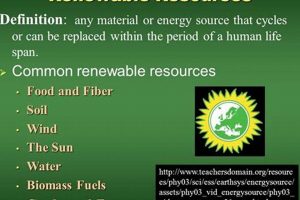
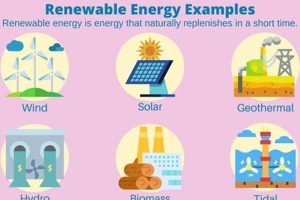
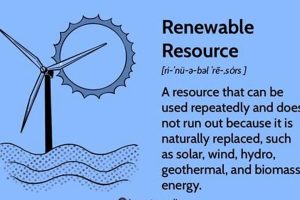
Harnessing power from naturally replenishing sources represents a fundamental shift in energy production. These methods rely on elements that regenerate over a relatively short period, ensuring a continuous supply. Common examples include solar radiation, wind currents, flowing water, geothermal heat from the Earth’s core, and biomass from organic matter.
Utilizing these elements offers several advantages, most notably reduced greenhouse gas emissions and minimized dependence on finite fossil fuel reserves. Historically, many of these power generation methods were among the earliest forms of energy used by humans, predating the widespread adoption of coal, oil, and natural gas. Their resurgence is driven by environmental concerns and the growing need for sustainable practices.
The subsequent sections will detail the operational principles behind various forms of this power generation, exploring how solar, wind, hydro, geothermal, and biomass energy are converted into usable electricity and other forms of power. Each method employs unique technologies and processes to capture and transform the inherent energy present in these natural elements.
Optimizing the Utilization of Renewable Energy Systems
The following guidelines serve to enhance the effectiveness and longevity of systems that rely on naturally replenishing energy sources. Adhering to these recommendations can significantly improve efficiency and reduce operational costs.
Tip 1: Conduct Thorough Site Assessments: Prior to implementation, a comprehensive evaluation of the location is essential. This assessment should consider factors such as solar irradiance levels, average wind speeds, hydrological data, and the availability of suitable land. Accurate data ensures optimal system placement and performance.
Tip 2: Implement Energy Storage Solutions: Fluctuations in sunlight, wind, or water flow can impact the continuous supply. Integrating energy storage technologies, such as battery systems or pumped hydro storage, can mitigate these intermittencies and ensure a more stable energy supply.
Tip 3: Prioritize System Maintenance: Regular inspection and upkeep are crucial for maintaining peak performance. Scheduled maintenance should include cleaning solar panels, lubricating wind turbine components, and monitoring the performance of geothermal heat pumps. Neglecting maintenance can lead to decreased efficiency and costly repairs.
Tip 4: Integrate Smart Grid Technologies: Connecting these energy-generating systems to a smart grid enhances overall grid stability and efficiency. Smart grids allow for real-time monitoring of energy production and consumption, enabling optimized resource allocation and reducing energy waste.
Tip 5: Optimize System Sizing: Selecting the appropriately sized system for the intended application is critical. Oversized systems can lead to unnecessary capital expenditures, while undersized systems may fail to meet energy demands. A detailed analysis of energy consumption patterns will ensure optimal system sizing.
Tip 6: Consider Hybrid Systems: Combining different energy sources can offer increased reliability and reduce dependency on a single source. A hybrid system, for example, might integrate solar and wind energy, providing a more consistent energy supply throughout the year.
Tip 7: Adhere to Regulatory Standards: Compliance with relevant environmental and safety regulations is mandatory. Ensuring adherence to these standards not only protects the environment but also avoids potential legal issues and financial penalties.
Implementing these practices will contribute to the efficient and sustainable utilization of various power generation systems, maximizing their potential to provide clean and reliable energy.
The final section will summarize the key findings and offer concluding thoughts on the role of these energy generation methods in a sustainable future.
1. Solar

Solar photovoltaic conversion stands as a pivotal method within the broader domain of naturally replenishing power generation. It is through this process that solar irradiance is transformed directly into electrical energy, facilitating the deployment of sustainable power solutions worldwide.
- The Semiconductor Foundation
The operational basis of photovoltaic conversion relies on semiconductor materials, typically silicon. When photons from sunlight strike these materials, they dislodge electrons, initiating a flow of electrical current. The efficiency of this process is contingent on the properties of the semiconductor and the design of the photovoltaic cell. For example, crystalline silicon cells are commonly used due to their established performance and cost-effectiveness, while thin-film cells offer flexibility and potential for lower manufacturing costs. This conversion of light into electricity without moving parts distinguishes it as a clean and efficient method.
- The Role of the P-N Junction
A critical component of a photovoltaic cell is the p-n junction, formed by doping silicon with impurities to create regions with excess positive (p-type) and negative (n-type) charge carriers. When sunlight strikes the junction, it creates an electric field that drives the separated electrons and holes to opposite sides, establishing a voltage difference. This voltage can then be used to power external circuits. Different junction designs and doping techniques can influence the cell’s voltage and current output, which can then maximize power production.
- Efficiency and Technological Advancement
The efficiency of photovoltaic cells, defined as the percentage of sunlight converted into electricity, is a crucial factor determining the viability of solar energy. Early photovoltaic cells had efficiencies below 1%, while modern commercial cells typically achieve efficiencies ranging from 15% to 25%. Ongoing research focuses on developing advanced materials and cell designs to further improve efficiency and reduce costs. For example, multi-junction cells, which use multiple layers of different semiconductor materials to absorb a wider range of the solar spectrum, have demonstrated efficiencies exceeding 40% in laboratory settings.
- Integration and Applications
Photovoltaic conversion technology is versatile and can be integrated into a wide range of applications, from small-scale consumer electronics to large-scale power plants. Rooftop solar panels, solar-powered calculators, and satellite power systems all rely on this conversion process. The scalability of photovoltaic systems allows for distributed power generation, reducing reliance on centralized power grids and enhancing energy security. The deployment of photovoltaic systems is also crucial for providing electricity to remote areas where grid access is limited.
The facets of solar photovoltaic conversion, from its foundational semiconductor physics to its diverse applications, exemplify the potential for naturally replenishing power to reshape energy landscapes. As technology advances and costs decline, the role of photovoltaic conversion in meeting global energy demands will continue to expand.
2. Wind

Wind energy, derived from the movement of air masses, represents a significant category within environmentally conscious power generation. Kinetic energy capture via wind turbines offers a means of converting a naturally occurring phenomenon into usable electricity, thereby reducing dependence on fossil fuels and mitigating carbon emissions.
- Turbine Aerodynamics and Blade Design
Wind turbines operate on the principle of converting kinetic energy into rotational mechanical energy. The design of the turbine blades is critical to efficient energy capture. Blades are shaped to create lift, similar to an airplane wing, as wind flows across them. This lift causes the rotor to turn. Sophisticated aerodynamic designs, employing computational fluid dynamics and wind tunnel testing, optimize blade profiles to maximize energy extraction across a range of wind speeds. Larger blade areas capture more wind, directly impacting power output. The angle of the blades relative to the wind (pitch) can also be adjusted to regulate rotor speed and prevent damage during high winds.
- Generator and Power Conversion Systems
The rotational energy of the turbine rotor is transferred to a generator, which converts mechanical energy into electrical energy. Various types of generators are used, including induction generators and synchronous generators, each with specific advantages in terms of efficiency and grid compatibility. The electrical output from the generator is typically alternating current (AC), which then needs to be converted to a suitable voltage and frequency for transmission and distribution on the power grid. Power conversion systems, including transformers and inverters, are essential for ensuring grid stability and efficient energy delivery. The use of advanced power electronics optimizes energy flow and minimizes losses.
- Wind Farm Site Selection and Optimization
The geographic location of a wind farm significantly impacts its energy production. Areas with consistent and strong wind resources, such as coastal regions, mountaintops, and open plains, are preferred. Detailed wind resource assessments, using meteorological data and predictive modeling, are conducted to identify optimal locations. The spacing and layout of turbines within a wind farm are also carefully planned to minimize wake effects, where the turbulence created by one turbine reduces the wind speed for downstream turbines. Optimizing turbine placement can significantly increase the overall energy output of the wind farm.
- Environmental Considerations and Mitigation Strategies
While a clean energy source, wind energy development is not without potential environmental impacts. Concerns include bird and bat mortality due to collisions with turbine blades, noise pollution, and visual impacts on the landscape. Mitigation strategies include using radar to detect approaching birds and bats and temporarily curtailing turbine operation during periods of high risk. Turbine designs are also evolving to reduce noise levels and minimize visual intrusion. Environmental impact assessments are essential for identifying potential risks and implementing effective mitigation measures before wind farm construction.
Kinetic energy capture, specifically wind power, provides a method of harnessing a naturally occurring resource that contributes significantly to reducing reliance on fossil fuels. The operational efficiency, site selection, and mitigation strategies exemplify the ongoing development to maximize wind’s potential and environmental compatibility.
3. Hydro
Harnessing water’s potential energy constitutes a significant component of environmentally conscious power generation. This method relies on converting the energy stored in water held at higher elevations into kinetic energy, which then drives turbines to generate electricity. This reliance on a continuously replenished resource underscores its relevance to sustainable practices.
- Reservoir Management and Water Storage
The foundation of hydroelectric power generation lies in the effective management of water resources. Reservoirs are constructed to accumulate water, creating a substantial elevation differential. The quantity of stored water directly influences the generating capacity of the hydroelectric facility. Furthermore, the release of water must be carefully regulated to balance energy production with ecological considerations, such as maintaining downstream river flows for aquatic habitats and agricultural needs. Dam construction and reservoir operation necessitate comprehensive environmental impact assessments to minimize adverse effects on surrounding ecosystems.
- Turbine Technology and Energy Conversion
Water released from the reservoir flows through penstocks, channels or pipes that direct the water to turbines. These turbines, designed to convert the kinetic energy of flowing water into mechanical energy, are connected to generators. Various turbine designs exist, each optimized for specific head (height difference between water levels) and flow rate conditions. The efficiency of the turbine significantly impacts the overall power output of the facility. Regular maintenance and upgrades to turbine technology enhance energy capture and system reliability. Examples include Francis, Kaplan, and Pelton turbines each designed for specific water head and flow situations.
- Grid Integration and Power Distribution
The electrical energy generated by the hydroelectric facility must be efficiently integrated into the power grid. This involves transforming the voltage and synchronizing the frequency of the generated electricity to match the grid’s specifications. Smart grid technologies enable optimized energy flow and distribution, ensuring a stable and reliable power supply. Hydroelectric power often serves as a base load energy source, providing a consistent supply of electricity to meet demand. The integration of hydroelectric power with other renewable energy sources, such as solar and wind, can create a more resilient and diversified energy portfolio.
- Environmental and Social Considerations
While regarded as a renewable energy source, hydroelectric power generation is not without environmental and social consequences. Dam construction can alter river ecosystems, impede fish migration, and displace local communities. Mitigation strategies include implementing fish ladders to facilitate fish passage, restoring riparian habitats, and providing compensation to affected communities. The long-term sustainability of hydroelectric power depends on addressing these environmental and social challenges through careful planning and responsible operation. The decommissioning of dams and restoration of natural river flows are also being considered in certain cases to mitigate the environmental impact of past hydroelectric projects.
The careful release of stored potential energy, facilitated by hydroelectric power plants, showcases a method of harnessing continuous renewable resources. Hydroelectric power’s integration of reservoirs, turbine technology, and grid considerations is integral to a sustainable and environmentally conscious energy portfolio. It also presents challenges related to reservoir management, ecological impacts, and the social implications for local communities.
4. Geothermal
Geothermal energy, a component of environmentally responsible power generation, derives from the Earth’s internal heat. The heat extraction process is the nexus between this naturally occurring thermal energy and its conversion into usable power. The efficiency of this extraction directly influences the practicality and sustainability of geothermal resources, underpinning its significance within overall environmentally conscious power generation strategies. In locations such as Iceland, this heat powers a significant portion of the nation’s electricity grid and heating systems, illustrating the real-world viability and impact of efficient geothermal extraction techniques.
The practicality of geothermal energy relies on several factors, including geological conditions and technological advancements. Enhanced Geothermal Systems (EGS), for example, expand the applicability of geothermal energy beyond areas with readily accessible hydrothermal reservoirs. EGS involves fracturing hot, dry rock deep underground and circulating water to extract heat, which is then used to generate electricity. The Geysers geothermal field in California demonstrates this, where steam extracted from underground drives turbines, highlighting the operational viability of these systems. Ongoing research focuses on improving extraction techniques to reduce environmental impact and increase efficiency.
In summary, the geothermal heat extraction process is a critical aspect of realizing the potential of this energy resource. Its continuous development promises to augment the environmentally conscious power generation capacity of numerous regions. The advancements in heat extraction technologies and the responsible management of geothermal resources will dictate its ultimate contribution to a sustainable energy future.
5. Biomass

Combustion of organic matter as a form of renewable energy involves the controlled burning of biomassplant-derived material or animal wasteto generate heat. This heat is then used to produce steam, which drives turbines connected to electricity generators. Considered a renewable resource due to the potential for continuous replenishment through sustainable agricultural and forestry practices, its effectiveness hinges on responsible management of biomass sources. For example, using sustainably harvested wood from managed forests ensures that the rate of consumption does not exceed the rate of regrowth, preserving the carbon sink and minimizing environmental impact.
Despite its renewable characteristics, the combustion of organic matter raises environmental concerns. Direct combustion releases greenhouse gases, including carbon dioxide, and particulate matter, contributing to air pollution. Carbon neutrality is often cited as a benefit, assuming that the carbon released during combustion is offset by the carbon absorbed during the plant’s growth. However, this balance is compromised when unsustainable practices, such as deforestation, are employed. Advanced technologies, such as carbon capture and storage (CCS), can be integrated into biomass combustion plants to mitigate carbon emissions, though their widespread adoption is currently limited by economic and technological constraints. Furthermore, co-firing biomass with coal in existing power plants represents a transitional strategy to reduce the carbon intensity of electricity generation, as implemented in some European nations.
In conclusion, biomass combustion represents a complex facet of renewable energy resource utilization. While offering a readily available and dispatchable energy source, its sustainability depends on careful resource management and technological innovation to minimize environmental impact. The integration of carbon capture technologies and the implementation of sustainable sourcing practices are critical for maximizing its contribution to a low-carbon energy future.
6. Tidal

The extraction of energy from tidal forces constitutes a specific instance of renewable power generation. This approach capitalizes on the predictable rise and fall of sea levels caused by the gravitational influence of celestial bodies, primarily the Moon and the Sun. The mechanical energy inherent in these tidal movements is harnessed through various technologies, converting it into usable electricity. Tidal barrages, tidal stream generators, and tidal lagoons exemplify approaches currently employed. The underlying cause is the gravitational interaction, and the effect is the generation of a clean, sustainable energy supply. This source’s predictable nature represents a significant advantage over other intermittent renewable sources like solar or wind.
Tidal barrages, exemplified by the Rance Tidal Power Station in France, function by creating a dam across an estuary. Turbines within the dam convert the potential energy of the impounded water during high tide into electricity as it is released during low tide. Tidal stream generators, analogous to underwater wind turbines, harness the kinetic energy of tidal currents. The MeyGen project in Scotland deploys such generators, demonstrating the feasibility of extracting energy from strong tidal flows. Tidal lagoons, artificial enclosures constructed near the coast, function similarly to barrages but offer the potential for reduced environmental impact by avoiding the complete blockage of estuaries. The practical significance of understanding this technology stems from its potential to provide baseload power to coastal communities and contribute to diversified energy portfolios.
While the utilization of gravitational forces through tidal energy offers considerable promise, challenges remain. High initial capital costs, environmental concerns related to habitat disruption, and the limited number of suitable sites hinder widespread adoption. Continued research and development efforts are focused on reducing costs, mitigating environmental impacts, and improving energy extraction efficiency. Overcoming these challenges will be essential to fully realize the potential of tidal energy as a reliable and sustainable component of global energy production.
Frequently Asked Questions
The following questions address common inquiries regarding the operational principles and practical considerations surrounding various renewable energy resources. The aim is to provide clear and concise answers to enhance understanding of these technologies.
Question 1: What is the fundamental principle behind solar photovoltaic energy generation?
Solar photovoltaic (PV) energy generation relies on the photovoltaic effect, where photons from sunlight strike a semiconductor material, such as silicon, liberating electrons and generating an electric current. This direct conversion of light into electricity eliminates the need for mechanical processes.
Question 2: How do wind turbines convert wind energy into electricity?
Wind turbines capture the kinetic energy of the wind through rotating blades. These blades are connected to a generator, which converts the mechanical energy of the rotating blades into electrical energy. The generator’s output is then conditioned for transmission to the power grid.
Question 3: What are the primary mechanisms for generating electricity from hydropower?
Hydropower generation primarily utilizes the potential energy of water stored at higher elevations. As the water flows downwards, it drives turbines connected to generators, converting the water’s kinetic energy into electrical energy. Pumped storage hydropower systems can also store energy by pumping water uphill during periods of low demand and releasing it to generate power during peak demand.
Question 4: How is geothermal energy extracted and utilized?
Geothermal energy is extracted from the Earth’s internal heat, typically in the form of steam or hot water. This steam or hot water is then used to drive turbines connected to electricity generators. Enhanced Geothermal Systems (EGS) can create artificial reservoirs in hot, dry rock formations to expand the availability of geothermal resources.
Question 5: What are the key considerations for sustainable biomass energy production?
Sustainable biomass energy production necessitates the use of sustainably managed sources, such as agricultural residues or dedicated energy crops. Ensuring that the rate of biomass removal does not exceed the rate of regrowth is crucial for maintaining carbon neutrality and avoiding deforestation. Advanced combustion technologies and carbon capture and storage (CCS) can further mitigate emissions.
Question 6: How does tidal energy generation harness the power of the tides?
Tidal energy generation utilizes the predictable rise and fall of sea levels caused by gravitational forces. Tidal barrages create a dam across an estuary, capturing water during high tide and releasing it through turbines during low tide. Tidal stream generators, similar to underwater wind turbines, harness the kinetic energy of tidal currents directly.
These answers provide a foundational understanding of the operational principles behind various renewable energy resources. Further research and technological advancements are continuously refining these processes to enhance efficiency and sustainability.
The concluding section will summarize the core aspects of these energy resources and discuss future trends.
Conclusion
The preceding sections have elucidated the operational principles underpinning various renewable energy resources. Solar, wind, hydro, geothermal, biomass, and tidal energies each employ distinct mechanisms to convert naturally replenishing sources into usable power. Understanding these functional processes is critical for effective integration and optimization of these technologies within existing and future energy infrastructures. These insights highlight the diversity of available options for sustainable energy production.
The ongoing advancement and adoption of these methodologies are pivotal to mitigating climate change and ensuring long-term energy security. Continued investment in research, development, and responsible deployment of renewable energy systems will be essential for achieving a sustainable energy future. The global commitment to transitioning away from fossil fuels necessitates a comprehensive understanding and strategic implementation of these clean energy alternatives.
![Guide to What Energy Resources Are Renewable [+Future] | Renewable Energy Solutions for a Sustainable Future | Clean & Green Power](https://pplrenewableenergy.com/wp-content/uploads/2026/03/th-516-300x200.jpg "Guide to What Energy Resources Are Renewable [+Future] Renewable Energy Solutions for a Sustainable Future | Clean & Green Power")