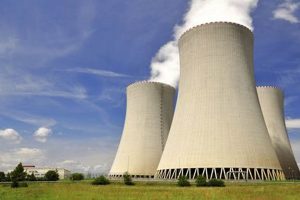
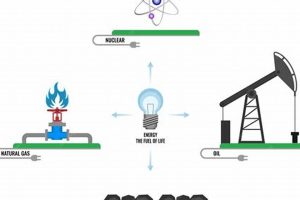
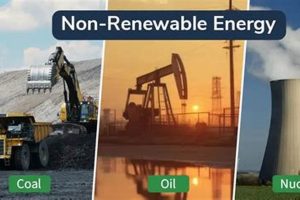
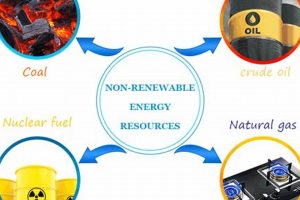
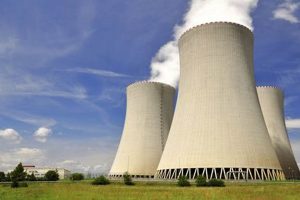
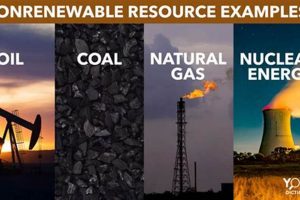
Limited resources like coal, oil, natural gas, and nuclear fuels power much of the modern world. Coal, formed from ancient plant matter, is primarily used for electricity generation. Oil, a liquid fossil fuel, is refined into gasoline, diesel, and other products vital for transportation and various industries. Natural gas, often found alongside oil, is used for heating, electricity generation, and industrial processes. Nuclear power, while not a fossil fuel, relies on finite uranium resources and produces radioactive waste.
These energy sources have played a crucial role in industrial development and global economic growth. Their high energy density and relatively easy accessibility have made them essential for powering transportation, industries, and homes for decades. However, their extraction and use have significant environmental consequences, including air and water pollution and greenhouse gas emissions.
This article further examines each of these finite resources, exploring their specific applications, environmental impact, and future prospects in a world transitioning towards sustainable energy alternatives.
Practical Steps for Conserving Finite Energy Resources
Minimizing reliance on finite energy resources like coal, oil, natural gas, and nuclear fuels is crucial for environmental sustainability and long-term energy security. The following practical steps offer actionable strategies for reducing consumption and promoting responsible energy use.
Tip 1: Improve Home Insulation: Effective insulation significantly reduces energy needed for heating and cooling, lowering reliance on fuels like natural gas and coal for electricity generation. This includes attic insulation, weather stripping, and double-paned windows.
Tip 2: Optimize Transportation: Choosing fuel-efficient vehicles, utilizing public transportation, carpooling, cycling, and walking can substantially decrease gasoline and diesel consumption, reducing dependence on oil.
Tip 3: Embrace Energy-Efficient Appliances: Switching to Energy Star certified appliances minimizes electricity consumption, contributing to the conservation of resources used in power generation.
Tip 4: Reduce, Reuse, Recycle: Manufacturing processes often rely heavily on fossil fuels. Reducing consumption, reusing items, and recycling materials decreases demand for newly manufactured products, thereby reducing energy use.
Tip 5: Support Renewable Energy: Advocating for and investing in renewable energy sources like solar, wind, and hydroelectricity contributes to a shift away from finite resources, fostering a more sustainable energy landscape.
Tip 6: Monitor and Manage Energy Consumption: Regularly tracking energy use through home energy audits and smart meters helps identify areas for improvement and encourages more mindful energy consumption.
Tip 7: Advocate for Energy Efficiency Policies: Supporting policies that promote energy efficiency in buildings, transportation, and industries can create systemic change and reduce overall reliance on finite resources.
Adopting these practices not only conserves valuable resources but also contributes to a cleaner environment and a more sustainable future. These individual actions, when adopted collectively, can significantly impact global energy consumption patterns.
By understanding the importance of conserving these crucial resources and taking practical steps to reduce their use, we can pave the way for a more secure and environmentally sound energy future. The subsequent sections of this article delve further into specific strategies and technologies that promote a sustainable energy transition.
1. Fossil Fuels

Fossil fuels constitute a significant portion of the four non-renewable energy sources powering modern society. Understanding their role is crucial for comprehending the broader context of energy consumption and its environmental implications. This section explores the multifaceted nature of fossil fuels and their connection to the broader theme of non-renewable resources.
- Formation and Composition
Fossil fuels originate from the decomposition of organic matter over millions of years. Coal derives from ancient plant matter, while oil and natural gas form from marine organisms. Their composition primarily consists of hydrocarbons, which release energy upon combustion. This geological timescale for formation underscores their finite nature, highlighting their classification as non-renewable.
- Extraction and Utilization
Extracting fossil fuels involves diverse processes, from mining coal to drilling for oil and natural gas. These resources fuel various sectors, including transportation, electricity generation, and industrial processes. The extraction and utilization processes have significant environmental impacts, ranging from habitat disruption to greenhouse gas emissions, a key consideration when discussing non-renewable resources.
- Environmental Consequences
Burning fossil fuels releases greenhouse gases, primarily carbon dioxide, contributing to climate change. Other environmental consequences include air and water pollution, impacting ecosystems and human health. These environmental ramifications are central to the discussion surrounding the limitations and long-term sustainability of non-renewable resources.
- Geopolitical Implications
The uneven distribution of fossil fuel reserves globally creates complex geopolitical dynamics, influencing international relations and energy security. Resource scarcity can lead to price volatility and economic instability, further emphasizing the need for diversified and sustainable energy sources. This geopolitical dimension underscores the broader implications of relying on non-renewable resources.
In summary, fossil fuels represent a critical component of the four non-renewable energy sources. Their formation, extraction, utilization, and geopolitical implications contribute significantly to the ongoing discussion regarding energy security, environmental sustainability, and the urgent need for transitioning towards renewable energy alternatives. A comprehensive understanding of these facets provides valuable insights into the complexities and challenges associated with continued reliance on non-renewable resources.
2. Finite Resources

The concept of “finite resources” is intrinsically linked to the four non-renewable energy sources: coal, oil, natural gas, and nuclear fuels (uranium). These resources exist in limited quantities within the Earth’s crust, and their extraction and consumption deplete these reserves, ultimately leading to their exhaustion. Understanding this finite nature is crucial for developing sustainable energy strategies and mitigating future energy crises.
- Resource Depletion
Continuous extraction and consumption of non-renewable energy sources inevitably lead to resource depletion. As readily accessible reserves diminish, extraction becomes more complex, costly, and environmentally damaging. For instance, unconventional oil and gas extraction methods, like fracking and deep-sea drilling, pose greater environmental risks and yield diminishing returns over time. This depletion trajectory necessitates a shift towards renewable alternatives.
- Geological Timescale
Non-renewable energy sources form over geological timescales, spanning millions of years. The rate of formation is significantly slower than the rate of consumption. This stark contrast highlights the unsustainable nature of relying on these resources for long-term energy needs. The finite nature of these resources necessitates a transition to energy sources that replenish on a human timescale.
- Economic Implications
The finite nature of these resources introduces economic vulnerabilities. Price volatility, supply disruptions, and geopolitical tensions arising from resource scarcity can impact global energy markets and national economies. Diversification of energy sources and investment in renewable energy technologies mitigate these economic risks and promote long-term stability. The finite supply underscores the need for proactive planning and investment in sustainable energy solutions.
- Environmental Impact
Extracting and utilizing finite resources often carries significant environmental consequences. From habitat destruction and pollution associated with mining operations to greenhouse gas emissions from combustion, these environmental impacts necessitate a transition towards cleaner, more sustainable energy solutions. These impacts underscore the urgency of diversifying energy sources and minimizing reliance on finite resources.
The finite nature of these four energy sources underscores the need for a fundamental shift in energy production and consumption patterns. Transitioning towards renewable energy sources, improving energy efficiency, and adopting sustainable practices are crucial steps in ensuring long-term energy security and mitigating the environmental and economic risks associated with depleting finite resources. Further exploration of renewable energy technologies and sustainable energy management strategies will be crucial for navigating the challenges of a future with dwindling non-renewable resources.
3. Environmental Impact

The environmental impact of the four non-renewable energy sourcescoal, oil, natural gas, and nuclear fuelspresents significant challenges to ecological sustainability. Combustion of fossil fuels (coal, oil, and natural gas) releases greenhouse gases, primarily carbon dioxide, contributing to climate change. This process also emits pollutants such as sulfur dioxide and nitrogen oxides, leading to acid rain and respiratory problems. Oil spills, a consequence of extraction and transportation, devastate marine ecosystems. Coal mining disrupts landscapes and contaminates water sources. Nuclear power generation, while not emitting greenhouse gases during operation, produces radioactive waste requiring long-term storage and posing potential risks to human health and the environment. For example, the Deepwater Horizon oil spill in 2010 demonstrated the catastrophic consequences of accidents related to oil extraction, causing widespread damage to marine life and coastal ecosystems. The Chernobyl disaster in 1986 highlighted the potential dangers associated with nuclear power generation, resulting in long-term environmental contamination and health issues. These examples underscore the inherent environmental risks associated with non-renewable energy sources.
The extraction and utilization of these resources contribute to air and water pollution, land degradation, and habitat loss. The cumulative effects of these impacts exacerbate existing environmental challenges and threaten biodiversity. Furthermore, the demand for these finite resources drives resource extraction in increasingly sensitive environments, further amplifying the ecological risks. The long-term environmental consequences of non-renewable energy use necessitate a transition toward sustainable alternatives. For instance, the continued reliance on coal-fired power plants contributes significantly to air pollution in many regions, impacting air quality and public health. The extraction of oil sands requires vast amounts of water and energy, leading to water scarcity and habitat destruction. Understanding these interconnected environmental impacts is crucial for developing effective mitigation strategies and promoting sustainable energy practices.
Addressing the environmental challenges posed by non-renewable energy sources requires a multifaceted approach. This includes transitioning to renewable energy sources, improving energy efficiency, implementing stricter environmental regulations, and investing in research and development of cleaner technologies. Mitigating the environmental impact of these resources is essential for protecting ecosystems, preserving biodiversity, and ensuring the long-term health of the planet. The transition to a sustainable energy future requires a global commitment to reducing reliance on non-renewable resources and embracing cleaner, more sustainable alternatives. The continued reliance on these finite resources poses significant risks to the environment and future generations, highlighting the urgent need for a global shift towards sustainable energy solutions.
4. Energy Security
Energy security is intrinsically linked to the four non-renewable energy sourcescoal, oil, natural gas, and uraniumdue to their dominant role in the global energy mix. Reliance on these finite resources creates vulnerabilities related to price volatility, supply disruptions, and geopolitical tensions. The concentration of these resources in specific geographical regions empowers supplier nations, potentially influencing political and economic landscapes. For example, fluctuations in global oil prices, often driven by geopolitical events or production cuts by major oil-producing countries, can significantly impact national economies and energy affordability. The 1973 oil crisis, triggered by an oil embargo by Arab OPEC members, exemplifies the disruptive potential of reliance on concentrated sources of non-renewable energy. This event led to widespread fuel shortages, economic recession, and underscored the vulnerability of nations dependent on imported oil.
Maintaining energy security requires a diversified energy portfolio and strategic management of non-renewable resource consumption. This includes investing in exploration and development of domestic resources, diversifying import sources, building strategic reserves, and promoting energy efficiency measures. Developing alternative energy sources and transitioning towards a more sustainable energy mix are crucial for reducing dependence on finite resources and enhancing long-term energy security. For instance, nations investing heavily in renewable energy technologies, such as solar and wind power, reduce their vulnerability to fluctuations in fossil fuel markets and enhance their energy independence. Furthermore, promoting energy efficiency in buildings, transportation, and industries reduces overall energy demand, further mitigating reliance on non-renewable resources and enhancing energy security.
The finite nature of these four resources poses a significant challenge to long-term energy security. Depleting reserves necessitates a proactive transition towards sustainable energy alternatives. Failing to address this challenge may lead to increased competition for dwindling resources, escalating geopolitical tensions, and economic instability. Investing in research and development of renewable energy technologies, promoting energy efficiency, and fostering international cooperation on energy policy are essential steps in ensuring a secure and sustainable energy future. The current global energy landscape, characterized by increasing demand and finite resources, underscores the urgency of transitioning away from dependence on non-renewable energy sources and building a more resilient and sustainable energy system.
5. Economic Implications

Economic implications associated with the four non-renewable energy sourcescoal, oil, natural gas, and uraniumare multifaceted and deeply intertwined with global markets, geopolitical stability, and societal development. Price volatility inherent in these markets, driven by factors like supply and demand fluctuations, geopolitical events, and resource scarcity, directly impacts national economies and consumer purchasing power. For example, sharp increases in oil prices can lead to higher transportation costs, impacting businesses and consumers alike, potentially triggering inflationary pressures and economic slowdowns. Conversely, declining prices can negatively impact investments in the energy sector, leading to job losses and reduced economic activity in regions heavily reliant on resource extraction.
Furthermore, the uneven distribution of these resources globally creates dependencies and power imbalances. Nations heavily reliant on imports of these energy sources face economic vulnerabilities due to price fluctuations and potential supply disruptions. This dependence can influence foreign policy decisions and create geopolitical tensions. The Organization of the Petroleum Exporting Countries (OPEC)’s influence on global oil prices exemplifies this dynamic, where production decisions by member states can significantly impact global energy markets and national economies. Conversely, countries with abundant reserves of these resources wield considerable economic and political leverage, influencing international relations and trade dynamics. Investment decisions in energy infrastructure, often requiring substantial capital expenditure, are also significantly influenced by long-term price projections and resource availability. Overreliance on non-renewable resources can create economic inertia, hindering investments in renewable energy technologies and diversification of energy sources.
In summary, the economic implications of reliance on non-renewable energy sources present complex challenges. Price volatility, geopolitical considerations, resource scarcity, and investment decisions are all interconnected factors influencing national economies, global markets, and long-term sustainability. Transitioning towards a diversified energy portfolio, including renewable energy sources and enhanced energy efficiency, is crucial for mitigating these economic risks and promoting long-term economic stability. Understanding these complex economic interdependencies is essential for informed policy-making, sustainable development, and navigating the global energy landscape.
6. Resource Depletion
Resource depletion, an inevitable consequence of extracting and consuming finite resources, poses a significant challenge associated with the four non-renewable energy sources: coal, oil, natural gas, and uranium. Understanding the dynamics of resource depletion is crucial for comprehending the long-term sustainability of current energy practices and the urgency of transitioning towards alternative energy sources.
- Declining Reserves & Increased Extraction Difficulty
As readily accessible reserves of non-renewable energy sources are depleted, accessing remaining resources becomes increasingly challenging and costly. This often necessitates resorting to more complex and environmentally impactful extraction methods, such as deep-sea drilling for oil or hydraulic fracturing (“fracking”) for natural gas. These methods carry higher risks of environmental damage, including oil spills, groundwater contamination, and induced seismicity. Furthermore, the energy return on energy invested (EROEI) often decreases as extraction becomes more complex, meaning more energy is required to extract a given unit of energy, reducing overall efficiency.
- Economic and Social Impacts
Resource depletion can lead to significant economic and social consequences. As easily accessible resources dwindle, prices can become more volatile, impacting energy affordability and potentially leading to economic instability. Regions heavily dependent on the extraction of these resources may face economic hardship as production declines, leading to job losses and reduced economic activity. The decline of coal mining communities in many parts of the world exemplifies the social and economic challenges associated with resource depletion.
- Geopolitical Instability
Competition for dwindling non-renewable energy resources can exacerbate existing geopolitical tensions and create new conflicts. Nations heavily reliant on imports of these resources may face increased pressure to secure access, potentially leading to political instability and international disputes. The control of oil and gas reserves has historically been a source of conflict in various regions, highlighting the geopolitical risks associated with resource depletion.
- Environmental Degradation
The pursuit of increasingly difficult-to-extract resources often results in heightened environmental degradation. For example, extracting oil from tar sands or shale formations requires significant land disturbance, water consumption, and energy input, resulting in habitat loss, water contamination, and increased greenhouse gas emissions. These environmental consequences further underscore the unsustainability of relying on finite resources and the need for a transition to renewable alternatives.
The implications of resource depletion related to the four non-renewable energy sources are far-reaching and interconnected. Understanding these dynamics is essential for developing effective strategies for transitioning towards a more sustainable energy future. This includes investing in renewable energy technologies, improving energy efficiency, and promoting responsible resource management practices. Delaying action on resource depletion will exacerbate the economic, social, geopolitical, and environmental challenges associated with reliance on finite energy sources, underscoring the urgent need for a global shift toward sustainable energy solutions.
7. Transitional Fuels
The concept of “transitional fuels” acknowledges the ongoing dependence on non-renewable energy sourcesspecifically coal, oil, natural gas, and uraniumwhile emphasizing the imperative shift towards a sustainable energy future. These resources are considered “transitional” because, while currently essential for powering economies and societies, their finite nature and environmental impact necessitate their eventual replacement by renewable alternatives. This section explores the multifaceted aspects of transitional fuels, their role in the current energy landscape, and their implications for future energy transitions.
- Bridging the Energy Gap
Transitional fuels play a critical role in bridging the gap between current energy demands and the full realization of a renewable energy-powered world. They provide a reliable and relatively affordable energy source while infrastructure for renewable energy generation, storage, and distribution is developed and deployed. Natural gas, for example, often serves as a transitional fuel in power generation, offering a lower-carbon alternative to coal while complementing intermittent renewable sources like solar and wind.
- Balancing Energy Security and Sustainability
The transition away from non-renewable energy sources requires careful balancing of energy security and environmental sustainability. Transitional fuels can help maintain energy security during this transition, minimizing disruptions to economies and societies while renewable energy sources are scaled up. This balancing act requires strategic planning, investment in both renewable energy and transitional fuel infrastructure, and policies that encourage energy efficiency and conservation.
- Managing Environmental Impacts
Recognizing the environmental impact of transitional fuels is crucial. While potentially less polluting than coal, natural gas still contributes to greenhouse gas emissions. Therefore, its use as a transitional fuel should be coupled with measures to minimize emissions, such as carbon capture and storage technologies, alongside a rapid deployment of renewable energy sources. This integrated approach aims to mitigate the environmental consequences while ensuring a stable energy supply during the transition.
- Facilitating Technological Advancements
The period of transition reliance on these fuels can also facilitate the development and deployment of technologies essential for a sustainable energy future. Investments in smart grids, energy storage solutions, and advanced renewable energy technologies can be supported by the continued use of transitional fuels, ensuring a smooth and efficient transition. This strategic approach utilizes the existing energy infrastructure to support the growth and integration of renewable energy sources into the broader energy system.
In conclusion, transitional fuels represent a crucial but temporary stage in the evolution towards a sustainable energy future. Their role in bridging the energy gap, balancing energy security and sustainability, and facilitating technological advancements is critical. However, it’s imperative to recognize their inherent limitations and the need for a rapid and decisive shift towards renewable energy sources to mitigate the long-term environmental and economic risks associated with continued reliance on finite resources. The concept of transitional fuels emphasizes the need for a strategic and carefully managed energy transition, ensuring both a secure and sustainable energy future.
Frequently Asked Questions
This section addresses common inquiries regarding non-renewable energy sources, aiming to provide clear and concise information.
Question 1: What differentiates renewable and non-renewable energy sources?
Renewable energy sources replenish naturally over relatively short periods, while non-renewable sources exist in finite quantities and are depleted upon usage.
Question 2: Why are non-renewable energy sources still widely used despite their environmental impact?
Existing infrastructure, established technologies, relatively low cost, and high energy density contribute to the continued prevalence of non-renewable energy sources.
Question 3: How does reliance on non-renewable energy sources impact energy security?
Dependence on finite resources creates vulnerabilities to price volatility, supply disruptions, and geopolitical tensions associated with resource scarcity and concentrated reserves.
Question 4: What are the primary environmental consequences of using non-renewable energy sources?
Greenhouse gas emissions contributing to climate change, air and water pollution, habitat destruction, and resource depletion represent significant environmental consequences.
Question 5: What role do non-renewable energy sources play in the global economy?
These resources currently power significant portions of the global economy, influencing industries, transportation, and employment, but their long-term economic sustainability faces challenges due to resource depletion and environmental costs.
Question 6: What strategies can mitigate the negative impacts of non-renewable energy sources?
Transitioning to renewable energy, improving energy efficiency, implementing carbon capture and storage technologies, and promoting sustainable consumption patterns are crucial mitigation strategies.
Understanding the complexities surrounding non-renewable energy sources is essential for informed decision-making and fostering a sustainable energy future. Further research and exploration of these topics are encouraged.
The following section explores specific examples of how various nations are transitioning towards more sustainable energy practices.
Conclusion
This exploration of coal, oil, natural gas, and uranium has highlighted their crucial role in powering modern civilization while underscoring the inherent limitations and significant environmental and economic consequences associated with their continued use. From the geological processes that formed these finite resources to the complex geopolitical landscape shaped by their distribution, the analysis has emphasized the interconnectedness of energy, environment, and global economies. The depletion of these resources, coupled with the escalating environmental impacts of their extraction and consumption, necessitates a fundamental shift in energy production and consumption patterns.
The transition towards a sustainable energy future requires a concerted global effort. Embracing renewable energy technologies, promoting energy efficiency, and fostering responsible resource management are not merely options but necessities for ensuring long-term energy security and mitigating the risks posed by continued reliance on finite resources. The future of energy hinges on the choices made today, demanding a decisive shift towards sustainable practices and a commitment to building a more resilient and environmentally sound energy landscape for generations to come. The exploration of alternative energy pathways and the implementation of sustainable practices are not just technological challenges but societal imperatives that demand immediate attention and collaborative action.