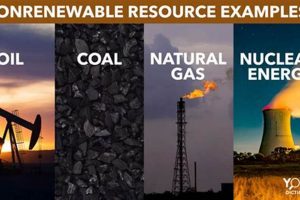
Among non-renewable energy resources, natural gas often emerges as a leading contender in terms of reduced environmental impact. Its combustion produces significantly fewer air pollutants than coal or oil, including particulate matter, sulfur dioxide, and nitrogen oxides. For instance, power generation with natural gas emits roughly half the carbon dioxide of coal-fired plants.
This relatively cleaner profile contributes to improved air quality and reduced greenhouse gas emissions, factors crucial for mitigating climate change and safeguarding public health. Historically, natural gas has served as a transitional fuel, bridging the gap between more polluting fossil fuels and renewable energy sources. Its established infrastructure and reliability also play a significant role in meeting current energy demands.
This discussion will further explore the nuances of natural gas as an energy source, examining its extraction, processing, utilization, and overall role in a sustainable energy future. Subsequent sections will address its environmental impacts, economic considerations, and potential for innovation in areas like carbon capture and storage.
Tips for Utilizing Lower-Emission Fossil Fuels Responsibly
Minimizing the environmental impact of energy production and consumption requires a multifaceted approach. While transitioning to renewable sources is paramount, responsible utilization of existing resources, especially those with lower emissions profiles, plays a crucial role during this transition.
Tip 1: Maximize Efficiency: Implementing energy-efficient technologies in homes, businesses, and industrial processes significantly reduces overall energy demand. This includes utilizing high-efficiency appliances, improving building insulation, and optimizing industrial operations.
Tip 2: Support Carbon Capture and Storage (CCS): CCS technologies capture carbon dioxide emissions from power plants and industrial facilities, preventing their release into the atmosphere. Investing in and advancing CCS deployment is crucial for mitigating the environmental impact of fossil fuels.
Tip 3: Advocate for Regulatory Frameworks: Robust environmental regulations are essential for promoting responsible resource extraction, limiting emissions, and encouraging the adoption of cleaner technologies. Supporting policies that incentivize lower-emission energy sources is crucial for driving sustainable practices.
Tip 4: Invest in Research and Development: Continuous innovation is key to improving the efficiency and reducing the environmental footprint of all energy sources, including lower-emission fossil fuels. Supporting research into advanced combustion technologies and emission control systems is essential.
Tip 5: Diversify Energy Portfolios: Relying solely on any single energy source poses risks to both energy security and environmental sustainability. Diversifying energy portfolios by incorporating renewable sources alongside lower-emission fossil fuels provides a more resilient and environmentally sound approach.
Tip 6: Promote Transparent Reporting: Accurate and transparent reporting of emissions data from all energy sources is crucial for informed decision-making and accountability. Supporting initiatives that promote transparency and data accessibility enables effective monitoring and evaluation of environmental performance.
By implementing these strategies, the environmental impact of energy production and consumption can be significantly reduced, supporting a more sustainable energy future during the ongoing transition to renewable resources.
The following section will further explore the long-term implications of these strategies and their role in shaping a sustainable energy landscape.
1. Combustion Byproducts

Combustion byproducts represent a critical factor in assessing the environmental impact of any fuel source, especially when evaluating the relative “cleanliness” of non-renewable options. These byproducts, generated during the combustion process, directly influence air and water quality, impacting both human health and ecosystem stability. The type and quantity of byproducts vary significantly depending on the fuel’s chemical composition and the combustion technology employed.
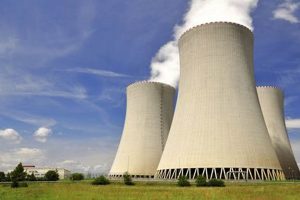
For instance, burning coal releases substantial amounts of sulfur dioxide, nitrogen oxides, particulate matter, and heavy metals, contributing to acid rain, respiratory illnesses, and environmental contamination. Natural gas combustion generates significantly fewer of these pollutants, emitting primarily carbon dioxide and water vapor. However, incomplete combustion can produce methane, a potent greenhouse gas. Nuclear fission, while not involving combustion in the traditional sense, generates radioactive waste requiring careful long-term management. Understanding these byproduct profiles is essential for evaluating the overall environmental impact and relative cleanliness of each non-renewable energy source.
The “cleanest” non-renewable energy source must minimize harmful combustion byproducts across its entire lifecycle, from extraction and processing to utilization and waste disposal. This necessitates evaluating not only the primary combustion products but also secondary reactions and potential leaks of harmful substances. Advancements in combustion technologies, coupled with effective emission control systems, can play a crucial role in minimizing the negative impacts of combustion byproducts. The pursuit of cleaner energy sources must prioritize minimizing these byproducts to mitigate environmental risks and safeguard public health. This requires ongoing research, development, and implementation of innovative solutions across the energy sector.
2. Greenhouse Gas Emissions

Greenhouse gas emissions represent a pivotal factor in evaluating the environmental impact of energy sources, particularly when assessing the relative “cleanliness” of non-renewable options. These emissions, primarily carbon dioxide, methane, and nitrous oxide, contribute significantly to climate change by trapping heat in the atmosphere. Understanding their sources and magnitudes is crucial for informed decision-making regarding energy production and consumption.
- Carbon Dioxide from Combustion
Carbon dioxide, a major greenhouse gas, is released during the combustion of fossil fuels. The amount of carbon dioxide emitted varies significantly depending on the fuel type. For instance, burning coal releases substantially more carbon dioxide per unit of energy produced than natural gas. This difference contributes to natural gas’s reputation as a relatively cleaner-burning fossil fuel. Mitigating carbon dioxide emissions through carbon capture and storage technologies and transitioning to lower-carbon or carbon-free alternatives remains crucial for addressing climate change.
- Methane Leaks and Fugitive Emissions
Methane, a potent greenhouse gas with a significantly higher global warming potential than carbon dioxide, can leak during natural gas extraction, processing, and transportation. These fugitive emissions can offset the climate benefits of natural gas compared to other fossil fuels. Minimizing methane leaks through improved infrastructure and monitoring is crucial for realizing the potential of natural gas as a lower-emission fuel source. Furthermore, abandoned or improperly sealed oil and gas wells represent a significant source of methane emissions, requiring ongoing remediation efforts.
- Nitrous Oxide from Combustion Processes
Nitrous oxide, though emitted in smaller quantities than carbon dioxide or methane, possesses a significantly higher global warming potential. Combustion of fossil fuels, especially under certain conditions, contributes to nitrous oxide emissions. Optimizing combustion processes and implementing emission control technologies can minimize nitrous oxide release. Addressing nitrous oxide emissions is essential for achieving comprehensive greenhouse gas reduction targets and mitigating climate change.
- Lifecycle Emissions Considerations
Evaluating greenhouse gas emissions requires considering the entire lifecycle of an energy source, from extraction and processing to utilization and waste disposal. Uranium mining and processing for nuclear power, for example, generate greenhouse gas emissions. Similarly, transporting and refining fossil fuels contribute to their overall emissions profile. A comprehensive lifecycle assessment provides a more accurate understanding of an energy source’s true environmental impact and its position within the spectrum of “cleanliness.”
The relative “cleanliness” of a non-renewable energy source depends critically on its greenhouse gas emissions profile. While some non-renewable sources emit fewer greenhouse gases during combustion, factors such as methane leakage and lifecycle emissions can complicate the comparison. Transitioning towards lower-emission energy sources and implementing technologies to capture and store greenhouse gases remain crucial steps towards mitigating climate change.
3. Extraction Impacts
Evaluating the environmental impact of any energy source requires careful consideration of the extraction phase. The pursuit of the “cleanest” non-renewable energy source necessitates minimizing environmental disruption during resource extraction. This involves assessing land use changes, habitat disruption, water contamination, and other potential ecological consequences.
- Land Use and Habitat Disruption
Extracting non-renewable resources often requires significant land modification, impacting ecosystems and biodiversity. Mountaintop removal mining for coal, for example, drastically alters landscapes and disrupts habitats. Hydraulic fracturing for natural gas raises concerns about habitat fragmentation and disruption of wildlife migration corridors. Minimizing land use impacts and implementing effective reclamation strategies are crucial for responsible resource extraction.
- Water Contamination
Extraction processes can contaminate water resources through spills, leaks, and the release of harmful chemicals. Coal mining can lead to acid mine drainage, polluting waterways and harming aquatic life. Hydraulic fracturing raises concerns about groundwater contamination from fracking fluids and wastewater disposal. Protecting water resources through stringent regulations and advanced mitigation technologies is essential.
- Air Quality Impacts
Extraction activities can release air pollutants, impacting local air quality and contributing to respiratory problems. Dust and particulate matter from mining operations can degrade air quality in surrounding communities. Methane leaks during natural gas extraction contribute to greenhouse gas emissions. Implementing effective dust control measures and minimizing fugitive emissions are critical for protecting air quality.
- Waste Generation and Disposal
Extraction processes generate waste materials requiring proper disposal to minimize environmental harm. Mining operations produce large volumes of overburden and tailings, potentially containing heavy metals and other contaminants. Nuclear fuel extraction generates radioactive waste requiring safe and secure long-term storage. Developing sustainable waste management practices is essential for minimizing the environmental footprint of resource extraction.
The extraction phase of non-renewable energy sources presents significant environmental challenges. Minimizing land disturbance, preventing water contamination, protecting air quality, and managing waste responsibly are crucial considerations when evaluating the “cleanest” option. A comprehensive assessment of extraction impacts provides valuable insights for promoting responsible resource development and minimizing environmental harm.
4. Waste Disposal
Waste disposal represents a critical factor in evaluating the environmental impact of energy sources, especially when considering the relative “cleanliness” of non-renewable options. The responsible management of waste materials generated throughout the lifecycle of an energy source, from extraction and processing to utilization and decommissioning, is essential for minimizing environmental harm and promoting sustainability. The complexity and potential hazards associated with waste disposal vary significantly depending on the specific non-renewable energy source.
- Radioactive Waste from Nuclear Power
Nuclear power generation produces radioactive waste, posing significant long-term storage challenges. Spent nuclear fuel and other radioactive byproducts require specialized handling and disposal methods to prevent environmental contamination and protect human health. The long half-life of some radioactive isotopes necessitates secure storage for thousands of years. Developing robust solutions for long-term radioactive waste management remains a critical aspect of nuclear power’s sustainability.
- Coal Ash and Slag
Coal-fired power plants generate substantial quantities of coal ash and slag, byproducts containing heavy metals and other potentially harmful substances. Disposing of these materials safely and responsibly is crucial to prevent soil and water contamination. Improperly managed coal ash disposal sites can leach contaminants into groundwater and surface water, posing risks to human health and ecosystems. Implementing effective coal ash management practices, including beneficial reuse options, is essential for mitigating environmental risks.
- Drilling Mud and Cuttings from Oil and Gas Extraction
Drilling operations for oil and gas extraction generate drilling mud and cuttings, waste materials containing drilling fluids, rock fragments, and potentially hazardous chemicals. These materials require careful management to prevent soil and water contamination. Improper disposal practices can lead to the release of harmful substances into the environment, impacting both human health and ecosystems. Implementing environmentally sound waste management strategies for drilling mud and cuttings is crucial for responsible oil and gas development.
- Decommissioning of Energy Infrastructure
Decommissioning retired power plants and other energy infrastructure presents unique waste management challenges. Dismantling and disposing of large structures, such as nuclear reactors and offshore oil platforms, require careful planning and execution to minimize environmental impacts. Recycling and reusing materials whenever possible can reduce waste volumes and conserve resources. Developing sustainable decommissioning strategies is essential for minimizing the long-term environmental footprint of energy infrastructure.
The waste disposal practices associated with each non-renewable energy source significantly influence its overall environmental impact. Minimizing waste generation, implementing safe and responsible disposal methods, and exploring opportunities for beneficial reuse are critical considerations in the pursuit of the “cleanest” non-renewable energy source. Developing innovative waste management solutions remains essential for achieving a sustainable energy future.
5. Resource Availability
Resource availability plays a crucial role in determining the viability and long-term sustainability of any energy source, including those considered “cleanest” among non-renewable options. Abundant resources can contribute to energy security and price stability, while scarcity can lead to geopolitical instability and price volatility. The geographic distribution of resources also influences energy independence and trade dynamics. Furthermore, the extraction and processing of readily available resources may pose fewer environmental challenges compared to accessing scarce or remote resources.
For example, the abundance of natural gas in certain regions has contributed to its increased utilization as a “cleaner” alternative to coal for power generation. However, reliance on natural gas imports can create vulnerabilities to supply disruptions and price fluctuations. Similarly, the limited availability of uranium suitable for nuclear fuel necessitates careful management and exploration of alternative nuclear fuel cycles. The uneven distribution of uranium deposits globally also influences the feasibility of nuclear power programs in different regions. Furthermore, as easily accessible resources are depleted, extraction becomes more challenging and environmentally impactful, requiring innovative technologies and responsible resource management practices. This is especially true for unconventional fossil fuels like shale gas and oil sands, which require more complex and energy-intensive extraction methods.
Understanding the interplay between resource availability, environmental impact, and economic considerations is crucial for making informed decisions regarding energy policy and investments. Promoting energy diversification, investing in resource exploration and development, and advancing technologies for resource extraction and utilization are essential for ensuring a secure and sustainable energy future. The “cleanest” non-renewable energy source must not only minimize environmental impact but also demonstrate long-term viability based on resource availability and accessibility. Balancing these factors requires careful consideration of economic, geopolitical, and environmental implications.
6. Energy Efficiency

Energy efficiency plays a crucial role in maximizing the benefits and mitigating the drawbacks of any energy source, especially within the context of identifying the “cleanest” non-renewable option. Improved energy efficiency reduces the overall demand for energy, thereby lessening the environmental impact associated with its production and consumption. This involves optimizing processes and technologies to minimize energy waste and maximize the useful output from any given energy input.
- Reduced Emissions
Higher energy efficiency directly translates to lower greenhouse gas emissions. By consuming less energy to achieve the same output, the amount of fuel burned and associated emissions are reduced. This is crucial when considering non-renewable sources, as their combustion contributes significantly to greenhouse gas emissions. For example, implementing high-efficiency appliances in buildings or improving the fuel efficiency of vehicles reduces overall energy consumption and associated emissions, contributing to a cleaner energy profile.
- Resource Conservation
Enhanced energy efficiency contributes to resource conservation by extending the lifespan of finite non-renewable resources. By extracting, processing, and consuming less fuel to meet energy demands, pressure on resource reserves is reduced. This is particularly relevant for non-renewable resources, which are finite and subject to depletion. For example, improving the thermal insulation of buildings reduces the amount of fuel required for heating and cooling, conserving resources and extending their availability.
- Economic Benefits
Investing in energy efficiency measures often yields significant economic benefits. Reduced energy consumption translates to lower energy bills for consumers and businesses. Furthermore, the development and deployment of energy-efficient technologies create economic opportunities and jobs. For instance, the adoption of energy-efficient industrial processes not only reduces operational costs but also enhances competitiveness and stimulates innovation.
- Enhanced Energy Security
Improved energy efficiency contributes to enhanced energy security by reducing reliance on imported energy sources. By minimizing energy waste and optimizing domestic energy production, nations can reduce their vulnerability to supply disruptions and price volatility in global energy markets. This is particularly relevant for countries heavily dependent on imported fossil fuels. Promoting energy efficiency across various sectors strengthens energy independence and resilience.
By maximizing energy efficiency, the environmental impact of utilizing any energy source, including the “cleanest” among non-renewable options, can be significantly reduced. This contributes not only to environmental protection but also to economic prosperity and enhanced energy security. Therefore, energy efficiency represents a crucial component in the pursuit of a sustainable energy future, complementing efforts to transition towards cleaner and renewable energy sources.
7. Technological Advancements
Technological advancements play a crucial role in mitigating the environmental impact of non-renewable energy sources and in the ongoing pursuit of cleaner energy options. These advancements span various aspects of the energy lifecycle, from resource extraction and processing to energy conversion and emissions control. Continuous innovation is essential for improving the efficiency, reducing the environmental footprint, and enhancing the sustainability of non-renewable energy utilization.
- Advanced Combustion Technologies
Advanced combustion technologies aim to maximize energy conversion efficiency while minimizing pollutant formation. Examples include oxyfuel combustion, which burns fuel in a pure oxygen environment, and supercritical carbon dioxide cycles, which utilize carbon dioxide in a supercritical state as a working fluid. These technologies offer the potential to significantly reduce greenhouse gas emissions and improve the overall cleanliness of non-renewable energy utilization. Their implementation can contribute substantially to a more sustainable energy future by minimizing the environmental impact of fossil fuel combustion.
- Carbon Capture, Utilization, and Storage (CCUS)
CCUS technologies capture carbon dioxide emissions from power plants and industrial facilities, preventing their release into the atmosphere. Captured carbon dioxide can be utilized in various applications, such as enhanced oil recovery or the production of chemicals and building materials. Alternatively, it can be stored securely in geological formations. CCUS offers a crucial pathway for mitigating the climate impact of fossil fuels and transitioning towards a lower-carbon energy future. The widespread deployment of CCUS technologies could significantly alter the landscape of non-renewable energy utilization, enhancing its sustainability and reducing its contribution to climate change.
- Enhanced Oil and Gas Recovery Techniques
Enhanced oil and gas recovery techniques aim to maximize extraction from existing reservoirs, extending the lifespan of these resources. These techniques involve injecting fluids or gases into reservoirs to increase pressure and improve oil and gas flow. While these technologies can enhance energy security and reduce reliance on new resource exploration, their environmental impact requires careful consideration. Minimizing land disturbance, protecting water resources, and managing waste responsibly are crucial aspects of sustainable implementation.
- Nuclear Waste Management and Advanced Reactor Designs
Technological advancements in nuclear waste management focus on developing safer and more sustainable solutions for long-term storage and disposal of radioactive waste. Advanced reactor designs, such as small modular reactors and Generation IV reactors, offer improved safety features, enhanced efficiency, and reduced waste generation. These innovations have the potential to enhance the sustainability and reduce the environmental risks associated with nuclear power generation. Continued research and development in these areas are crucial for realizing the full potential of nuclear energy as a low-carbon energy source.
These technological advancements demonstrate the ongoing effort to improve the environmental performance of non-renewable energy sources. While transitioning to renewable energy remains crucial for long-term sustainability, these innovations can play a significant role in mitigating the environmental impact of non-renewable energy utilization during this transition. Continued investment in research, development, and deployment of these technologies is essential for shaping a cleaner and more sustainable energy future.
Frequently Asked Questions
This section addresses common inquiries regarding the concept of a “cleanest” non-renewable energy source, offering concise and informative responses.
Question 1: Is there truly a “cleanest” non-renewable energy source?
The term “cleanest” is relative when applied to non-renewable resources. While some exhibit lower emissions profiles than others, all non-renewable sources have environmental impacts. The evaluation depends on a comprehensive lifecycle assessment considering extraction, processing, utilization, and waste disposal.
Question 2: How does natural gas compare to coal in terms of environmental impact?
Natural gas combustion generates significantly less carbon dioxide, sulfur dioxide, nitrogen oxides, and particulate matter than coal. However, methane leaks during natural gas production and transport can offset some of these advantages. A full lifecycle analysis is necessary for accurate comparison.
Question 3: What role does nuclear energy play in the context of “clean” energy?
Nuclear power generates electricity without direct greenhouse gas emissions. However, it produces radioactive waste requiring long-term management and storage. Public perception of nuclear safety and waste disposal significantly influence its role in the energy landscape.
Question 4: How do technological advancements influence the environmental impact of non-renewable sources?
Advancements like carbon capture and storage, enhanced oil recovery, and advanced combustion technologies can reduce the environmental footprint of non-renewable energy utilization. Ongoing research and development are crucial for continuous improvement.
Question 5: What are the primary environmental concerns associated with non-renewable energy extraction?
Extraction activities can cause habitat disruption, water contamination, air pollution, and waste generation. Responsible resource management and stringent environmental regulations are essential for minimizing these impacts.
Question 6: How does resource availability factor into the evaluation of non-renewable energy sources?
Resource abundance, geographic distribution, and accessibility influence energy security, price stability, and environmental impact. Depletion of readily available resources can lead to more environmentally challenging extraction practices.
Understanding the nuances of each non-renewable energy source, along with their associated environmental impacts and technological advancements, is crucial for informed decision-making and responsible energy utilization.
The following section explores the future of energy and the role of non-renewable sources in the transition towards a sustainable energy landscape.
Conclusion
Exploration of the concept of a “cleanest” non-renewable energy source reveals a complex interplay of factors. While certain resources like natural gas offer advantages in terms of lower greenhouse gas emissions during combustion compared to coal, a comprehensive lifecycle assessment is essential. Factors such as methane leakage during natural gas extraction and the long-term management of nuclear waste complicate the comparison. Technological advancements, including carbon capture and storage and enhanced oil recovery techniques, offer potential pathways for mitigating the environmental impact of non-renewable energy utilization. Resource availability, energy efficiency, and extraction impacts further influence the overall sustainability of each energy source. A balanced perspective, considering both the benefits and drawbacks of each non-renewable option, is crucial.
The transition towards a sustainable energy future necessitates ongoing innovation and responsible resource management. While renewable energy sources offer significant potential for decarbonizing the energy sector, non-renewable resources will likely continue to play a role during this transition. Minimizing their environmental impact through technological advancements, enhanced efficiency measures, and stringent regulations remains critical. A diversified energy portfolio, incorporating both renewable and responsibly managed non-renewable sources, offers the most promising pathway towards a secure, sustainable, and environmentally sound energy future. Continued investment in research, development, and informed policy decisions will be essential for navigating this complex energy landscape and achieving global climate goals.