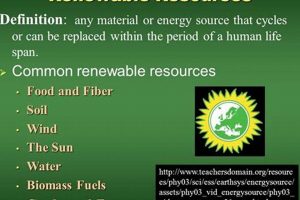
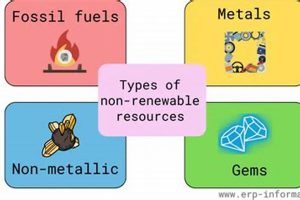
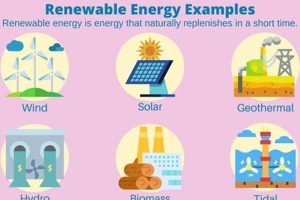
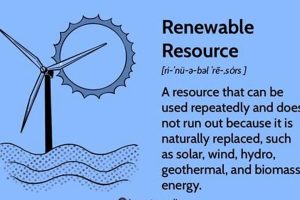
Harnessing energy from naturally replenishing sources offers significant advantages over traditional fossil fuels. This approach utilizes resources like sunlight, wind, water, and geothermal heat, which are continuously available and, when managed responsibly, virtually inexhaustible. A prime example is solar energy, where photovoltaic cells convert sunlight directly into electricity.
Adopting these energy solutions is crucial for environmental preservation, mitigating climate change, and promoting energy security. Historically, societies have relied on burning wood for heat, but the large-scale deployment of renewable technologies represents a shift towards a sustainable energy future. This transition promises cleaner air and water, reduced greenhouse gas emissions, and a more stable energy supply that is less vulnerable to geopolitical instability.
The following sections will delve into specific advantages, exploring the economic, environmental, and social impacts of transitioning to a system powered by sustainable sources. This exploration will cover topics such as job creation, improved public health, and the reduction of dependence on finite and polluting energy sources.
Harnessing Natural Energy
Transitioning to a system powered by sustainable sources necessitates careful planning and execution. The following insights offer guidance for maximizing advantages and addressing potential challenges.
Tip 1: Diversify Energy Portfolio. Reliance on a single type can expose systems to fluctuations in availability. Integrate a combination of solar, wind, hydro, and geothermal to ensure a more stable energy supply.
Tip 2: Invest in Energy Storage Solutions. Intermittency of sources like solar and wind requires robust storage capabilities. Battery technology, pumped hydro storage, and thermal energy storage systems play a vital role in maintaining a consistent power output.
Tip 3: Modernize Grid Infrastructure. Existing power grids may be ill-equipped to handle the distributed nature of sustainable energy generation. Upgrading grid infrastructure to enable bidirectional flow of electricity is essential.
Tip 4: Implement Smart Grid Technologies. Smart grids utilize sensors, data analytics, and automation to optimize energy distribution and consumption. This can improve grid stability and reduce energy waste.
Tip 5: Promote Energy Efficiency. Reducing overall energy consumption diminishes the need for new generation capacity. Implement energy-efficient building designs, appliances, and industrial processes.
Tip 6: Support Research and Development. Continuous innovation is crucial for improving the efficiency and affordability of sustainable energy technologies. Invest in research and development to drive down costs and enhance performance.
Tip 7: Establish Supportive Regulatory Frameworks. Clear and consistent policies, such as tax incentives, feed-in tariffs, and renewable energy mandates, can incentivize investment in sustainable infrastructure.
Implementing these strategies will unlock substantial benefits. Cost savings, reduced environmental impact, and increased energy security are achievable through well-planned initiatives.
The next section will present a case study, illustrating the successful adoption of sustainable solutions and the subsequent positive outcomes.
1. Environmental Preservation

Environmental preservation is intrinsically linked to the proliferation of renewable resources, representing a fundamental advantage over traditional energy generation methods. The utilization of naturally replenishing sources minimizes the environmental impact associated with resource extraction, fuel combustion, and waste disposal, thereby fostering a healthier planet for current and future generations.
- Reduced Greenhouse Gas Emissions
Fossil fuel combustion is a primary contributor to greenhouse gas emissions, driving climate change. Renewable energy sources like solar, wind, and hydropower generate electricity with significantly lower or zero direct emissions. This reduction helps mitigate global warming and its associated consequences, such as rising sea levels, extreme weather events, and disruptions to ecosystems.
- Minimized Air and Water Pollution
Traditional power plants release pollutants that degrade air and water quality, impacting human health and environmental integrity. Renewable energy facilities, such as wind farms and solar arrays, do not produce these harmful pollutants during operation. Consequently, adopting renewable resources can lead to cleaner air and water, reducing respiratory illnesses and protecting aquatic ecosystems.
- Land Use Optimization and Habitat Protection
While large-scale renewable energy projects can require land, their overall impact is often less destructive than fossil fuel extraction and transportation. Sustainable land management practices, such as co-locating solar farms with agricultural activities or implementing responsible siting strategies for wind turbines, can minimize habitat disruption and promote biodiversity conservation.
- Waste Reduction and Resource Conservation
Nuclear power and fossil fuel combustion generate significant amounts of hazardous waste. Renewable energy sources produce minimal or no waste during operation, contributing to resource conservation and reducing the burden on waste management systems. Moreover, the use of recycled materials in the manufacturing of renewable energy technologies further enhances their environmental sustainability.
The preservation of the environment is not merely a supplementary advantage; it is a core imperative driving the transition to sustainable energy solutions. The multifaceted environmental benefits associated with renewable resourcesfrom mitigating climate change and reducing pollution to optimizing land use and conserving resourcesdemonstrate their critical role in safeguarding the health of the planet and ensuring a sustainable future.
2. Climate Change Mitigation

Climate change mitigation stands as a paramount global challenge, and renewable resources represent a crucial tool in combating its effects. By transitioning away from fossil fuels and embracing sustainable energy sources, societies can significantly reduce greenhouse gas emissions, the primary driver of global warming. This effort is not merely an environmental imperative but a necessary step to ensure long-term stability and prosperity.
- Reduced Carbon Dioxide Emissions
The combustion of fossil fuels releases substantial quantities of carbon dioxide (CO2) into the atmosphere. Solar, wind, hydro, and geothermal energy sources produce minimal or zero CO2 emissions during operation. Replacing fossil fuel-based power plants with renewable alternatives directly reduces the amount of CO2 released, slowing the rate of climate change. For example, large-scale solar farms in arid regions can displace coal-fired power plants, leading to substantial reductions in CO2 output.
- Decreased Methane Emissions
The extraction, processing, and transportation of natural gas, a fossil fuel, can result in significant methane (CH4) leakage. Methane is a potent greenhouse gas, with a global warming potential far greater than CO2 over a shorter timeframe. Renewable energy sources, particularly those that do not rely on combustion, eliminate the risk of methane emissions associated with fossil fuel infrastructure. Increased reliance on wind power, for instance, can diminish the need for natural gas power plants and associated methane leaks.
- Lowered Nitrous Oxide Emissions
Agricultural practices and industrial processes related to fossil fuel use contribute to nitrous oxide (N2O) emissions, another potent greenhouse gas. While the connection between renewable energy and N2O emissions is less direct than with CO2 and CH4, the adoption of sustainable agricultural practices enabled by renewable energy-powered irrigation and electrification can indirectly reduce N2O emissions. Furthermore, the deployment of green hydrogen production, powered by renewables, can replace fossil fuel-based processes in industries that emit N2O.
- Enhanced Carbon Sequestration
While renewable energy sources primarily mitigate emissions, they can also contribute to enhanced carbon sequestration. Sustainable forestry practices, coupled with bioenergy production, can actively remove CO2 from the atmosphere. Additionally, the development of carbon capture and storage technologies, powered by renewable energy, offers a pathway to capture CO2 from industrial sources and permanently store it underground. Widespread implementation of such technologies can create a net-negative emissions scenario, actively drawing down atmospheric CO2 levels.
The facets discussed highlight the pivotal role of renewable resources in climate change mitigation. These resources offer a pathway to significantly reduce greenhouse gas emissions, thereby slowing the pace of global warming and mitigating its adverse consequences. The transition to a sustainable energy system powered by renewable sources is not merely an option; it is a fundamental requirement for a stable and prosperous future.
3. Energy Security Enhancement

Energy security enhancement is a critical benefit derived from the adoption and widespread deployment of renewable resources. This benefit encompasses reduced reliance on volatile global fossil fuel markets, increased domestic energy production, and greater resilience to disruptions in energy supply, all of which contribute to a more stable and secure energy future.
- Reduced Dependence on Imported Fossil Fuels
Many nations rely heavily on imported fossil fuels to meet their energy demands, exposing them to price fluctuations, geopolitical instability, and potential supply disruptions. Renewable energy sources, which are typically domestically available, can significantly reduce this dependence, enhancing national energy independence and decreasing vulnerability to external factors. For example, a country with abundant solar resources can invest in solar energy to reduce its reliance on imported oil or natural gas.
- Diversified Energy Portfolio
A diversified energy portfolio, incorporating a mix of renewable resources, reduces the risk associated with relying on a single energy source. Different renewable energy technologies, such as solar, wind, hydro, and geothermal, offer varying levels of reliability and availability depending on geographic location and climatic conditions. A diversified approach ensures a more stable and resilient energy supply, minimizing the impact of potential disruptions affecting any single source. Countries that invest in a diverse mix of renewables tend to be more resilient to supply disruptions.
- Decentralized Energy Generation
Renewable energy resources facilitate decentralized energy generation, moving away from centralized power plants towards distributed sources of energy. This decentralization enhances energy security by reducing the vulnerability of the energy system to single points of failure. Localized renewable energy production, such as rooftop solar panels and community wind farms, empowers communities to generate their own electricity, increasing resilience and reducing dependence on centralized grids. Microgrids powered by renewable energy, for instance, can provide reliable electricity to remote communities even during grid outages.
- Protection Against Price Volatility
Fossil fuel prices are subject to significant fluctuations due to geopolitical events, supply disruptions, and market speculation. Renewable energy resources, once deployed, offer a more predictable and stable energy cost. While initial investment costs may be higher, the long-term operational costs of renewable energy facilities are typically lower and less susceptible to price volatility, providing consumers and businesses with greater price certainty. Long-term contracts for renewable energy, such as power purchase agreements (PPAs), can shield consumers from fluctuating fossil fuel prices.
In summary, the adoption of renewable resources strengthens energy security by reducing reliance on imported fuels, diversifying energy portfolios, decentralizing energy generation, and protecting against price volatility. The benefits are tangible and contribute to a more stable, resilient, and sustainable energy future, minimizing vulnerability to external shocks and securing long-term energy independence.
4. Economic Growth Stimulation

The integration of renewable energy sources is intrinsically linked to the stimulation of economic growth. Investment in renewable technologies and infrastructure not only provides a cleaner and more sustainable energy supply but also catalyzes job creation, fosters innovation, and attracts capital investment, contributing to overall economic prosperity.
- Job Creation in Manufacturing and Installation
The renewable energy sector generates employment opportunities in manufacturing, installation, maintenance, and research. These jobs span a range of skill levels, from specialized engineers and technicians to construction workers and project managers. The establishment of domestic renewable energy manufacturing facilities can create long-term, high-paying jobs, boosting local economies. For example, solar panel manufacturing plants and wind turbine assembly factories provide stable employment in communities that may have previously relied on declining industries.
- Attracting Investment and Innovation
The burgeoning renewable energy sector attracts significant investment from both private and public sources. Venture capital firms, institutional investors, and government agencies are increasingly allocating capital to renewable energy projects and companies. This influx of investment fuels innovation in renewable energy technologies, driving down costs and improving efficiency. The development of advanced battery storage systems, for instance, is attracting substantial investment and paving the way for greater integration of intermittent renewable sources into the grid.
- Reduced Energy Costs for Businesses and Consumers
Renewable energy sources can offer stable and predictable energy costs, shielding businesses and consumers from the price volatility associated with fossil fuels. Long-term contracts for renewable energy, such as power purchase agreements (PPAs), provide price certainty, allowing businesses to better manage their energy expenses and plan for the future. Reduced energy costs can enhance the competitiveness of businesses, freeing up capital for investment and expansion. For consumers, lower energy bills can increase disposable income and improve living standards.
- New Export Opportunities
Countries that develop a strong renewable energy industry can capitalize on new export opportunities, exporting renewable energy technologies, expertise, and services to other nations. This can contribute to economic growth and improve the balance of trade. Nations that become leaders in renewable energy technologies can establish a competitive advantage in the global market and generate significant export revenues. For example, countries with expertise in wind turbine manufacturing or solar panel installation can export these technologies and services to developing nations seeking to expand their renewable energy capacity.
The facets presented demonstrate the symbiotic relationship between renewable energy adoption and economic growth stimulation. By creating jobs, attracting investment, reducing energy costs, and fostering new export opportunities, renewable resources contribute to a more robust and sustainable economy. The transition to a renewable energy-powered future is not only an environmental imperative but also a strategic economic opportunity.
5. Public Health Improvement

Public health improvement represents a significant and often overlooked advantage of transitioning to renewable energy resources. The positive impacts extend beyond environmental protection, directly influencing human well-being by mitigating air and water pollution, reducing exposure to harmful toxins, and promoting healthier living environments.
- Reduced Respiratory Illnesses
Combustion of fossil fuels releases particulate matter, sulfur dioxide, nitrogen oxides, and other air pollutants that contribute to respiratory illnesses such as asthma, bronchitis, and emphysema. Renewable energy sources, such as solar and wind, produce little to no air pollution during operation, leading to improved air quality and a reduction in respiratory ailments. Communities located near coal-fired power plants often experience higher rates of respiratory illness. Transitioning to renewable energy in these areas can significantly improve respiratory health outcomes.
- Decreased Cardiovascular Disease
Air pollution is also linked to an increased risk of cardiovascular diseases, including heart attacks, strokes, and hypertension. Fine particulate matter can penetrate deep into the lungs and enter the bloodstream, causing inflammation and damage to the cardiovascular system. By reducing air pollution, renewable energy sources contribute to a decrease in cardiovascular disease rates. Studies have shown that areas with cleaner air, due to reduced fossil fuel combustion, experience lower rates of cardiovascular mortality.
- Reduced Cancer Risk
Exposure to certain air pollutants emitted by fossil fuel combustion, such as benzene and formaldehyde, increases the risk of developing cancer. Renewable energy sources, which do not produce these pollutants, can help reduce cancer incidence. Communities exposed to emissions from oil refineries and chemical plants often face elevated cancer risks. Transitioning to cleaner energy sources can mitigate this risk and promote healthier communities.
- Improved Water Quality and Access
Fossil fuel extraction and combustion can contaminate water sources with heavy metals, chemicals, and radioactive materials. Renewable energy sources, such as solar and wind, require minimal water resources and do not generate water pollution during operation. Moreover, renewable energy can power water treatment and desalination plants, improving access to clean and safe drinking water, particularly in arid regions. The use of solar-powered water pumps can provide access to clean water in rural communities, improving sanitation and reducing waterborne diseases.
In conclusion, the adoption of renewable energy resources yields substantial public health benefits, ranging from reduced respiratory illnesses and cardiovascular disease to decreased cancer risk and improved water quality. These benefits underscore the importance of transitioning to a sustainable energy system not only for environmental protection but also for the well-being and health of communities worldwide.
Frequently Asked Questions
The following section addresses common inquiries regarding the advantages of transitioning to renewable energy sources. The information provided aims to clarify misconceptions and offer a factual understanding of the key benefits.
Question 1: Are renewable energy sources truly reliable, given the intermittency of wind and solar power?
The reliability of renewable energy is often questioned due to the variable nature of solar and wind resources. However, advancements in energy storage technologies, such as battery storage and pumped hydro, are mitigating this intermittency. Furthermore, diversifying the energy portfolio with a mix of renewable sources, including geothermal and hydropower, can provide a more stable and consistent energy supply. Grid modernization and smart grid technologies also play a crucial role in managing the integration of intermittent renewable energy sources.
Question 2: What are the economic costs associated with transitioning to renewable energy?
The initial capital costs of deploying renewable energy infrastructure can be significant. However, these costs have been declining rapidly in recent years, making renewable energy increasingly competitive with fossil fuels. Furthermore, the long-term operational costs of renewable energy facilities are typically lower, as they do not require the purchase of fuel. Considering the external costs associated with fossil fuels, such as healthcare expenses related to air pollution and climate change impacts, renewable energy often proves to be the more economically viable option in the long run.
Question 3: How do renewable energy sources impact land use and wildlife?
Renewable energy projects can require significant land areas, which may raise concerns about habitat disruption and impact on wildlife. However, careful site selection and mitigation strategies can minimize these impacts. For example, wind turbines can be sited in agricultural areas or on brownfield sites, minimizing habitat loss. Solar farms can be designed to allow for co-location with agricultural activities. Responsible planning and environmental impact assessments are crucial for ensuring that renewable energy projects are developed in a sustainable manner.
Question 4: What are the social implications of transitioning to renewable energy?
The transition to renewable energy can have positive social implications, including job creation, improved public health, and increased energy access in underserved communities. However, it can also pose challenges, such as displacement of workers in the fossil fuel industry. Addressing these challenges requires proactive measures, such as retraining programs, economic diversification initiatives, and community engagement to ensure a just and equitable transition.
Question 5: How do renewable energy sources contribute to national security?
Renewable energy sources enhance national security by reducing dependence on imported fossil fuels, which are subject to price volatility and geopolitical instability. By developing domestic renewable energy resources, countries can increase their energy independence and reduce their vulnerability to external energy supply disruptions. Decentralized renewable energy generation also enhances grid resilience, making the energy system less susceptible to cyberattacks and other threats.
Question 6: Are renewable energy technologies truly sustainable, considering the environmental impact of manufacturing and disposal?
While the manufacturing and disposal of renewable energy technologies can have environmental impacts, these impacts are generally lower than those associated with fossil fuels. Efforts are underway to improve the sustainability of renewable energy supply chains, including the use of recycled materials, the development of closed-loop manufacturing processes, and the implementation of responsible recycling programs. The long-term environmental benefits of renewable energy, in terms of reduced greenhouse gas emissions and air pollution, far outweigh the environmental impacts associated with manufacturing and disposal.
The responses presented underscore the significant advantages associated with transitioning to renewable resources. The benefits extend beyond environmental protection, encompassing economic growth, energy security, and public health improvement.
The next section will present a concluding summary, consolidating the key points discussed throughout this article.
Conclusion
The preceding exploration has elucidated the multifaceted benefits of renewable resources. These advantages extend beyond environmental preservation, encompassing significant gains in economic stability, enhanced energy security, and marked improvements in public health. The shift towards sustainable energy systems offers a clear pathway to mitigating climate change, reducing reliance on volatile global fossil fuel markets, and fostering more resilient and equitable communities. The expansion of renewable energy infrastructure creates jobs, attracts investment, and drives innovation, contributing to overall economic growth.
The transition to a future powered by renewable sources is not merely an aspiration but a strategic imperative. Continued investment in research and development, supportive policy frameworks, and collaborative efforts are crucial for realizing the full potential of these resources. The widespread adoption of renewable energy represents a critical step toward securing a sustainable, prosperous, and healthy future for all.
![Guide to What Energy Resources Are Renewable [+Future] | Renewable Energy Solutions for a Sustainable Future | Clean & Green Power](https://pplrenewableenergy.com/wp-content/uploads/2026/03/th-516-300x200.jpg "Guide to What Energy Resources Are Renewable [+Future] Renewable Energy Solutions for a Sustainable Future | Clean & Green Power")