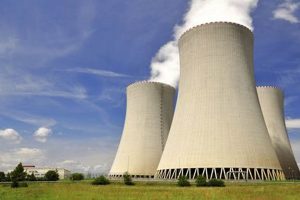
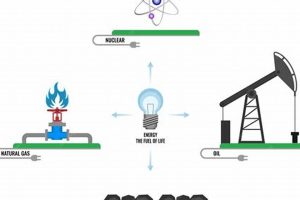
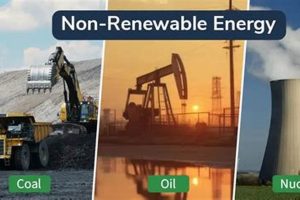
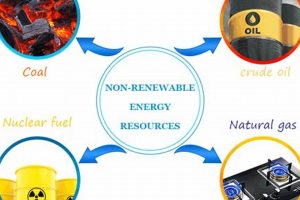
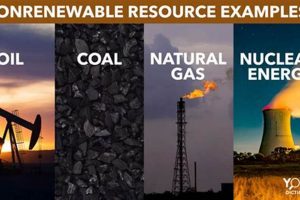
Energy sources are broadly categorized into two fundamental types: those that replenish naturally over relatively short periods and those with finite reserves that diminish with use. Examples of the former include solar, wind, hydro, geothermal, and biomass power, while the latter encompasses fossil fuels like coal, oil, and natural gas, as well as nuclear energy derived from uranium.
The distinction between these two categories is crucial for the future of human civilization. Sustainable development and mitigating climate change depend heavily on transitioning away from finite resources with significant environmental impacts toward readily replenished sources. Historically, societies have relied predominantly on non-renewable resources, leading to atmospheric pollution, greenhouse gas emissions, and concerns about resource depletion. The growing awareness of these issues has spurred significant investment and innovation in sustainable alternatives, driving a global shift toward cleaner energy production.
This article will delve deeper into specific sustainable and unsustainable energy sources, exploring their advantages, disadvantages, current utilization rates, and future potential. It will also examine the economic, political, and social factors influencing the global energy transition.
Practical Steps Towards Sustainable Energy Adoption
Transitioning towards sustainable practices involves conscious choices and actions. The following tips offer practical guidance for individuals and communities seeking to reduce reliance on finite resources and embrace sustainable energy solutions.
Tip 1: Conduct an Energy Audit: Assessing current energy consumption patterns is the first step toward informed decision-making. Professional energy audits can identify areas for improvement, such as insulation deficiencies or inefficient appliances.
Tip 2: Invest in Energy-Efficient Appliances: Choosing appliances with high energy efficiency ratings can significantly reduce long-term energy use and associated costs. Look for labels like Energy Star.
Tip 3: Explore Renewable Energy Options at Home: Consider installing solar panels, solar water heaters, or small-scale wind turbines where feasible. Government incentives and tax credits may be available to support these investments.
Tip 4: Reduce, Reuse, Recycle: Minimizing consumption, reusing materials whenever possible, and recycling waste reduces the energy required for manufacturing and disposal processes.
Tip 5: Support Sustainable Transportation: Opt for public transport, cycling, walking, or electric vehicles whenever possible to reduce reliance on fossil fuel-powered vehicles.
Tip 6: Advocate for Policy Changes: Support policies that promote renewable energy development, energy efficiency standards, and carbon emission reductions at local, regional, and national levels.
Tip 7: Educate and Engage: Share information about sustainable energy with family, friends, and community members to raise awareness and encourage broader adoption of sustainable practices.
By implementing these strategies, individuals and communities can contribute to a more sustainable future, reducing environmental impact and fostering greater energy independence.
In conclusion, the transition towards sustainable energy is not merely a technological challenge but a societal imperative. Through informed choices and collective action, a more sustainable and resilient energy future is within reach.
1. Source Replenishment

Source replenishment lies at the heart of the distinction between renewable and non-renewable energy. Renewable sources are characterized by their ability to regenerate naturally within a human timescale. Solar radiation, wind, water flow, geothermal heat, and biomass are continuously replenished through natural processes. This inherent replenishment capacity makes these sources virtually inexhaustible, unlike their non-renewable counterparts. Fossil fuels, formed over millions of years from organic matter, are extracted at rates far exceeding their natural replenishment. Similarly, nuclear energy, while not directly reliant on fossil fuels, depends on finite uranium reserves. The depletion of these resources poses significant challenges for long-term energy security and necessitates a shift towards renewable alternatives.
The implications of source replenishment extend beyond resource availability. The continuous extraction and combustion of fossil fuels release greenhouse gases, contributing to climate change. Nuclear energy, while not emitting greenhouse gases during operation, generates radioactive waste that requires long-term storage and management. Renewable sources, on the other hand, offer a cleaner alternative, minimizing environmental impacts and mitigating climate change risks. For instance, solar photovoltaic systems generate electricity without direct emissions, and wind turbines harness the kinetic energy of wind, leaving no harmful byproducts. Hydropower utilizes the natural flow of water, although dam construction can have ecological consequences. Understanding the implications of source replenishment for both resource availability and environmental impact is critical for informed energy policy decisions.
In summary, source replenishment serves as a crucial criterion for evaluating the long-term sustainability of energy sources. Transitioning from finite, polluting resources to continuously replenished, cleaner alternatives is essential for ensuring energy security and mitigating the adverse effects of climate change. This transition requires not only technological advancements but also policy frameworks that incentivize renewable energy development and promote sustainable energy practices.
2. Environmental Impact

A critical point of differentiation between renewable and non-renewable energy sources lies in their environmental impact. Non-renewable energy sources, primarily fossil fuels (coal, oil, and natural gas), contribute significantly to air and water pollution, greenhouse gas emissions, and habitat destruction. Renewable energy sources offer a substantially lower environmental footprint, playing a crucial role in mitigating climate change and promoting ecological sustainability. Examining the specific environmental impacts associated with each category illuminates the broader implications for the planet.
- Greenhouse Gas Emissions
Combustion of fossil fuels releases significant quantities of greenhouse gases, primarily carbon dioxide, into the atmosphere, contributing to global warming and climate change. Renewable sources, such as solar and wind, generate electricity without direct greenhouse gas emissions, significantly reducing the carbon footprint of energy production. While some renewable sources like hydropower can have localized environmental impacts, their overall contribution to greenhouse gas emissions is significantly lower than fossil fuels.
- Air and Water Pollution
Fossil fuel extraction, processing, and combustion release various air pollutants, including sulfur dioxide, nitrogen oxides, and particulate matter, impacting air quality and human health. Coal mining can lead to acid mine drainage, polluting waterways. Renewable energy sources generally have a much cleaner profile, minimizing air and water pollution. Solar and wind power generation produce no direct emissions, while hydropower relies on the natural water cycle. Even biomass energy, while producing some emissions, can be managed sustainably to minimize pollution.
- Land Use and Habitat Disruption
Fossil fuel extraction, including mining and drilling, can significantly disrupt ecosystems and displace wildlife. Large-scale hydropower projects can alter river flows and impact aquatic habitats. Renewable energy technologies also require land use, but their overall impact is often less extensive and can be mitigated through careful planning and siting. For instance, solar farms can be integrated into agricultural landscapes, and offshore wind farms minimize land use conflicts.
- Waste Management
Nuclear energy, while not contributing to greenhouse gas emissions during operation, generates radioactive waste requiring long-term storage and management. Fossil fuel combustion also produces ash and other byproducts requiring disposal. Renewable energy sources generate minimal waste, primarily from the manufacturing and decommissioning of equipment. Proper recycling and disposal programs can further minimize the environmental impact of renewable energy technologies.
The transition from non-renewable to renewable energy sources represents a crucial step towards mitigating environmental damage and fostering a sustainable future. While renewable energy technologies are not entirely without environmental impacts, their significantly lower footprint compared to fossil fuels makes them a crucial component of global efforts to address climate change and protect the planet.
3. Resource Availability

Resource availability forms a core distinction between renewable and non-renewable energy sources, profoundly impacting long-term energy security and sustainability. Non-renewable resources, by definition, exist in finite quantities, susceptible to depletion. Renewable resources, conversely, replenish naturally, offering a theoretically inexhaustible energy supply. Examining the facets of resource availability reveals crucial implications for future energy planning and transitions.
- Fossil Fuel Depletion
Fossil fuels, the dominant energy source for centuries, face inevitable depletion. Estimates of remaining reserves vary, but their finite nature necessitates strategic planning for future energy needs. The geographic distribution of these resources also creates geopolitical complexities and dependencies. As readily accessible reserves dwindle, extraction becomes more challenging and costly, driving exploration into environmentally sensitive areas and unconventional extraction methods like fracking and deep-sea drilling.
- Renewable Resource Abundance
Renewable resources, such as solar radiation, wind, and water flow, are virtually inexhaustible. Their availability is geographically dispersed, reducing reliance on specific regions and enhancing energy independence. While the intensity of these resources varies geographically and temporally, technological advancements continue to improve the efficiency of harnessing them, expanding their practical potential. For example, advancements in wind turbine technology allow for energy capture in areas with lower wind speeds.
- Critical Material Dependence
While renewable energy technologies offer a sustainable alternative to fossil fuels, they often rely on specific critical materials, such as rare earth elements for wind turbine magnets and lithium for batteries. The availability and sustainable sourcing of these materials are crucial for the widespread deployment of renewable energy technologies. Recycling and developing alternative materials are essential strategies for mitigating potential supply chain vulnerabilities and ensuring long-term resource security.
- Energy Storage and Intermittency
The intermittent nature of some renewable resources, such as solar and wind, necessitates effective energy storage solutions. Advancements in battery technology, pumped hydro storage, and other storage methods are crucial for ensuring a reliable and continuous energy supply from intermittent sources. Integrating diverse renewable resources and developing smart grids can also enhance grid stability and reduce reliance on traditional baseload power plants.
Resource availability considerations underscore the urgency of transitioning towards a diversified energy portfolio centered on renewable resources. Addressing challenges related to critical material dependence and energy storage is essential for realizing the full potential of renewable energy and ensuring a sustainable energy future. The interplay between resource availability, technological advancements, and policy frameworks will shape the future energy landscape and determine the success of global efforts towards a sustainable and secure energy future.
4. Cost Fluctuations

Cost fluctuations represent a significant factor in the ongoing transition from non-renewable to renewable energy sources. Non-renewable energy prices, particularly for fossil fuels, are subject to substantial volatility driven by geopolitical events, supply chain disruptions, and fluctuating global demand. Renewable energy sources, while experiencing initial capital costs, offer greater price stability over the long term due to the freely available nature of resources like sunlight and wind. This inherent difference in price dynamics has substantial implications for energy planning, investment decisions, and consumer costs.
The volatile nature of fossil fuel prices creates economic uncertainty for businesses and consumers. Oil price shocks, driven by events such as political instability in oil-producing regions or supply disruptions due to natural disasters, can ripple through the global economy, impacting transportation costs, manufacturing, and consumer goods prices. Renewable energy sources, once installed, offer predictable operating costs, insulating consumers and businesses from the volatility of fossil fuel markets. For instance, solar and wind power purchase agreements provide long-term price stability, facilitating predictable budgeting and financial planning. Furthermore, declining costs of renewable energy technologies, driven by technological advancements and economies of scale, enhance their competitiveness compared to fossil fuels, even without considering the externalities associated with fossil fuel use, such as air pollution and climate change impacts.
Understanding the contrasting cost dynamics of renewable and non-renewable energy sources is crucial for informed decision-making. While non-renewable energy sources may offer lower upfront costs in some cases, their long-term price volatility and environmental externalities pose significant risks. Renewable energy sources, despite higher initial investments, provide greater price stability, reduce environmental impacts, and enhance energy independence. The transition to renewable energy represents not only an environmental imperative but also an economically sound strategy for long-term stability and sustainable growth. Policy frameworks that incentivize renewable energy development and internalize the costs of fossil fuel externalities are essential for accelerating this transition and realizing the full benefits of a sustainable energy future.
5. Energy Security

Energy security is intrinsically linked to the choice between renewable and non-renewable energy sources. It encompasses the reliable availability of energy resources at affordable prices, while minimizing environmental and geopolitical risks. Reliance on non-renewable resources, particularly fossil fuels, exposes nations to vulnerabilities related to price volatility, supply disruptions, and geopolitical instability. Diversifying energy portfolios with renewable sources enhances energy security by reducing dependence on finite, geographically concentrated resources. The inherent variability of renewable resources necessitates concurrent development of robust energy storage and grid management solutions to ensure a stable and reliable energy supply.
Consider the example of a nation heavily reliant on imported oil for its energy needs. Geopolitical tensions or disruptions in the global oil market could severely impact this nation’s energy security, potentially leading to economic instability and social unrest. By contrast, a nation with a diversified energy portfolio that includes a significant share of domestically sourced renewable energy, such as solar, wind, or geothermal, reduces its vulnerability to external shocks. Furthermore, distributed generation of renewable energy enhances resilience against localized disruptions to the energy grid. The development of smart grids and advanced energy storage technologies further strengthens energy security by enabling efficient integration of intermittent renewable sources and optimizing energy distribution.
The transition to renewable energy sources plays a pivotal role in achieving long-term energy security. While challenges remain in terms of intermittency, storage, and grid integration, the benefits of reduced reliance on finite, geopolitically sensitive resources are substantial. Investing in renewable energy technologies, developing smart grids, and promoting energy efficiency represent crucial steps towards a more secure and sustainable energy future. This transition requires a strategic and coordinated approach involving governments, industry, and research institutions to address technological challenges, develop supportive policy frameworks, and ensure a smooth and equitable transition for all stakeholders.
6. Technological Advancement
Technological advancement plays a crucial role in the evolution and adoption of both renewable and non-renewable energy sources. Advancements impact efficiency, cost-effectiveness, and environmental impact across the energy spectrum. Understanding the interplay between technology and energy production is essential for navigating the complex energy landscape and fostering a transition towards sustainable practices. For renewable energy, technological advancements drive down costs and improve performance. For example, advancements in photovoltaic cell technology have significantly increased the efficiency and reduced the cost of solar panels, making solar energy increasingly competitive with traditional fossil fuels. Similarly, innovations in wind turbine design, such as larger rotor diameters and improved blade aerodynamics, enhance energy capture and enable wind farms to operate in areas with lower wind speeds. Improved battery storage technologies address the intermittency challenges associated with solar and wind power, enhancing their reliability and integration into the grid. Furthermore, advancements in smart grid technologies optimize energy distribution, balancing supply and demand and facilitating the integration of distributed renewable energy sources.
For non-renewable energy sources, technological advancements focus on enhancing extraction efficiency, reducing environmental impact, and improving safety. Horizontal drilling and hydraulic fracturing (fracking) have unlocked vast reserves of previously inaccessible natural gas and oil, albeit with environmental concerns. Carbon capture and storage (CCS) technologies aim to mitigate the greenhouse gas emissions from fossil fuel power plants, although widespread deployment faces cost and scalability challenges. Advanced reactor designs in nuclear power seek to enhance safety, reduce waste generation, and improve fuel efficiency. However, the long-term storage of nuclear waste remains a significant challenge. The relationship between technological advancement and energy is not without its complexities. While technology offers solutions for both renewable and non-renewable energy, careful consideration of environmental and social impacts is essential. Technological advancements in non-renewable energy may offer short-term economic benefits but can exacerbate long-term environmental challenges. Focusing on advancements in renewable energy and sustainable practices is crucial for achieving a long-term, environmentally sound energy future.
In summary, technological advancements are pivotal in shaping the future of energy. While advancements in both renewable and non-renewable energy sectors offer potential benefits, prioritizing research and development in renewable energy, energy storage, and smart grid technologies is paramount for achieving a sustainable and secure energy future. This requires a strategic approach that fosters innovation, supports responsible deployment, and considers the long-term environmental and societal implications of technological choices. Balancing technological advancements with environmental stewardship and social responsibility is crucial for navigating the complex path towards a sustainable energy future.
Frequently Asked Questions
This section addresses common inquiries regarding sustainable and unsustainable energy sources, aiming to provide clear and concise information for informed decision-making.
Question 1: What is the primary difference between sustainable and unsustainable energy?
The core distinction lies in replenishment rates. Sustainable sources replenish naturally within a human timescale, while unsustainable sources are finite and deplete with use.
Question 2: Why is the transition to sustainable energy important?
Transitioning is crucial for mitigating climate change, reducing reliance on finite resources, and promoting long-term energy security.
Question 3: Are sustainable energy sources truly “clean”?
While generally cleaner than unsustainable sources, some sustainable sources have localized environmental impacts that require careful consideration and mitigation.
Question 4: What are the main barriers to widespread sustainable energy adoption?
Key barriers include infrastructure limitations, intermittency of some sources, initial costs, and policy challenges.
Question 5: How can individuals contribute to the transition towards sustainable energy?
Individuals can contribute through energy conservation, adopting energy-efficient technologies, supporting sustainable businesses, and advocating for policy changes.
Question 6: What is the role of government policy in promoting sustainable energy?
Government policies, such as incentives, regulations, and research funding, play a vital role in accelerating the development and deployment of sustainable energy technologies.
Understanding the nuances of energy choices empowers informed decision-making and promotes a sustainable energy future. The transition towards sustainable practices requires collective action, technological innovation, and supportive policies.
For further exploration of specific energy sources and technologies, please continue to the following sections.
Conclusion
This exploration of energy sources has underscored the fundamental distinctions between those that replenish naturally and those with finite reserves. The analysis encompassed resource availability, environmental impact, cost fluctuations, energy security implications, and the role of technological advancements in shaping the energy landscape. Non-renewable sources, while currently dominant, present long-term challenges related to resource depletion, price volatility, and environmental degradation. Renewable sources offer a pathway towards greater sustainability, enhanced energy security, and reduced environmental impact, although challenges related to intermittency, storage, and infrastructure development require ongoing attention. The examination of these factors highlights the complexities and trade-offs inherent in energy choices.
The global energy transition represents a critical juncture, demanding informed decision-making and concerted action. Shifting towards a future powered predominantly by renewable sources necessitates not only technological innovation but also policy frameworks that incentivize sustainable practices, support research and development, and address the social and economic dimensions of the energy transition. The choices made today will determine the energy landscape of tomorrow and the planet’s long-term sustainability. Continued exploration of innovative solutions, responsible resource management, and collaborative global efforts are essential for navigating the path towards a secure and sustainable energy future.