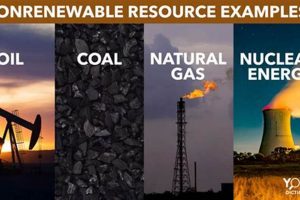
Fossil fuels, like anthracite, bituminous, and sub-bituminous varieties, are formed from ancient plant matter subjected to intense pressure and heat over geological timescales. These carbonaceous rocks are extracted from the earth through mining operations, including surface and underground methods. This extracted material can be directly burned for heat or further processed into coke for industrial applications like steel production.
Historically, this energy source fueled the industrial revolution and remains a significant contributor to global electricity generation. Its widespread availability and established infrastructure contribute to its continued use. However, the combustion of this fuel releases greenhouse gases, contributing to climate change and air pollution. This presents a challenge in balancing energy security with environmental sustainability.
This exploration of carbonaceous rock’s role in the energy landscape will delve into its extraction processes, diverse applications, environmental impact, and the ongoing transition to more sustainable energy alternatives. Furthermore, the discussion will address the economic and geopolitical factors influencing its future.
Practical Considerations Regarding Fossil Fuel Consumption
Minimizing the environmental impact and maximizing the efficiency of carbonaceous rock utilization requires careful consideration of several key factors. The following tips offer guidance for responsible energy practices.
Tip 1: Promote Energy Efficiency: Implementing energy-efficient technologies in homes and industries reduces overall energy demand, thus lessening reliance on fossil fuels. Examples include improved building insulation, high-efficiency appliances, and optimized industrial processes.
Tip 2: Invest in Carbon Capture and Storage (CCS): CCS technologies capture carbon dioxide emissions from power plants and industrial facilities, preventing their release into the atmosphere. These captured emissions can be stored underground or utilized in other industrial processes.
Tip 3: Diversify Energy Sources: Transitioning towards a diverse energy portfolio that includes renewable energy sources like solar, wind, and hydro reduces dependence on finite fossil fuel reserves. This diversification enhances energy security and mitigates environmental risks.
Tip 4: Support Research and Development: Continued investment in research and development of cleaner coal technologies, such as advanced combustion techniques and gasification, is crucial for minimizing the environmental footprint of existing coal-fired power plants.
Tip 5: Implement Stringent Environmental Regulations: Enforcing strict environmental regulations for coal-fired power plants ensures that emissions are controlled and minimized, protecting air and water quality. These regulations can include limits on sulfur dioxide, nitrogen oxides, and particulate matter.
Tip 6: Reclaim and Restore Mined Lands: Implementing effective land reclamation and restoration practices after mining operations minimizes the environmental impact on surrounding ecosystems and landscapes. This includes restoring vegetation, managing water runoff, and preventing soil erosion.
By adopting these strategies, the negative environmental consequences associated with fossil fuel combustion can be mitigated while ensuring a responsible transition towards a more sustainable energy future. These practices support both environmental stewardship and responsible resource management.
These considerations underscore the complexities and challenges inherent in utilizing carbonaceous rock resources while striving for a sustainable energy future. The subsequent conclusion will synthesize these points and offer a perspective on the path forward.
1. Formation

The origin of coal as a non-renewable energy source lies in the dense accumulation and subsequent transformation of ancient plant matter. Millions of years ago, during the Carboniferous period, vast swamps and forested wetlands flourished. As these plants died, they accumulated in oxygen-deficient environments, preventing complete decomposition. Over time, layers of sediment buried this organic material, subjecting it to increasing pressure and temperature. This process, known as coalification, gradually transformed the plant debris into peat, then lignite, followed by sub-bituminous coal, bituminous coal, and finally, anthracite, the highest rank of coal with the greatest energy density. The specific type of coal formed depends on the duration and intensity of the coalification process.
This geological history underscores the finite nature of coal reserves. Unlike renewable resources like solar or wind energy, coal formation takes millions of years, making it a non-renewable resource on a human timescale. The Carboniferous period, responsible for a significant portion of today’s coal deposits, represents a unique confluence of environmental factors unlikely to be replicated in the foreseeable future. Consequently, the consumption of coal depletes a resource that cannot be replenished within a relevant timeframe.
Understanding the origin of coal from ancient plant matter is crucial for appreciating its properties and implications. The energy stored within coal represents fossilized sunlight captured by prehistoric plants through photosynthesis. Burning coal releases this stored energy, but also releases the carbon dioxide absorbed by those ancient plants. This release contributes significantly to atmospheric greenhouse gas concentrations, driving climate change. Recognizing this connection between coal formation, energy generation, and environmental impact is essential for informed decision-making regarding energy policy and the transition to sustainable alternatives.
2. Extraction

Extracting this energy source from the earth involves diverse mining operations, each with specific environmental and economic implications. Surface mining, including strip mining and mountaintop removal, involves removing overlying vegetation and rock to access coal seams near the surface. These methods, while efficient for accessing shallow deposits, significantly alter landscapes, disrupt ecosystems, and can lead to soil erosion and water contamination. Underground mining, employing techniques like longwall and room-and-pillar mining, accesses deeper coal seams. While minimizing surface disturbance, underground mining presents risks of mine collapses, methane gas explosions, and black lung disease among miners. The choice between surface and underground mining depends on the depth and geology of the coal deposit, as well as economic and regulatory considerations.
The Appalachian Mountains in the eastern United States offer a compelling example of the long-term impacts of coal mining. Decades of extensive mountaintop removal mining have dramatically reshaped the landscape, leading to deforestation, biodiversity loss, and altered hydrological patterns. Similarly, coal mining regions globally face challenges related to acid mine drainage, where sulfuric acid from exposed rock contaminates water sources, impacting aquatic life and human health. These examples illustrate the direct link between extraction methods and the environmental footprint of coal use. Balancing energy needs with ecological preservation requires careful evaluation and mitigation of mining impacts.
Understanding the connection between mining operations and this fuel source is crucial for informed decision-making regarding energy policy and sustainable development. The extraction phase significantly influences the overall environmental and social costs associated with coal use. Transitioning towards renewable energy sources reduces reliance on extractive industries and minimizes associated environmental risks. However, this transition requires careful planning to address economic impacts on communities dependent on coal mining. Developing alternative economic opportunities and supporting retraining programs for miners are essential steps towards a just and sustainable energy future. The environmental legacy of mining operations necessitates ongoing reclamation and restoration efforts to mitigate past impacts and prevent future environmental degradation.
3. Types
Categorizing this carbonaceous rock into anthracite, bituminous, and lignite reflects varying degrees of coalification, influencing energy content and suitability for different applications. Anthracite, subjected to the highest pressure and temperature during formation, boasts the highest carbon content and energy density, making it ideal for specialized industrial uses and, historically, residential heating. Bituminous coal, intermediate in rank, serves as the primary fuel for electricity generation due to its abundant availability and moderate energy content. Lignite, the lowest rank, possesses higher moisture and lower carbon content, making it less energy-dense and primarily used for electricity generation in regions with substantial lignite reserves. These distinctions arise from geological processes and impact practical applications, economic considerations, and environmental consequences.
The Powder River Basin in the western United States exemplifies the economic significance of coal type. This region predominantly produces low-sulfur sub-bituminous coal, suitable for power generation while complying with air quality regulations. In contrast, regions historically reliant on high-sulfur bituminous coal face greater challenges in meeting emission standards, necessitating investments in pollution control technologies. Globally, the distribution of coal types influences energy markets and international trade patterns. Countries with abundant high-quality anthracite may export it for specialized industrial applications, while those with substantial lignite reserves often rely on it for domestic power generation. This global interplay highlights the interconnectedness of geological resources, economic activity, and energy security.
Understanding the properties and applications of each coal type is essential for evaluating energy resources, environmental impacts, and economic strategies. Anthracite’s limited availability and high energy content dictate specific uses. Bituminous coal’s widespread use for electricity generation underscores its importance in the current energy landscape, while its environmental impact necessitates stricter emission controls. Lignite, despite its lower energy density, plays a vital role in regional energy production. Recognizing these variations informs policy decisions regarding resource management, infrastructure development, and the ongoing transition towards more sustainable energy sources.
4. Uses
Carbonaceous rock fuels two crucial industrial processes: electricity generation and steel production. In power plants, pulverized coal combusts, heating water to produce steam, which drives turbines connected to generators, ultimately producing electricity. This process, while technologically mature and cost-effective, releases significant quantities of greenhouse gases, contributing to climate change. In steel production, coke, a refined form of coal, serves as a crucial reducing agent in blast furnaces, removing oxygen from iron ore to produce metallic iron. This high-temperature process relies heavily on coke’s specific chemical properties and contributes significantly to industrial carbon emissions. The continued reliance on coal for these essential industries presents both an energy security challenge and an environmental imperative to transition toward cleaner alternatives.
Germany’s historical reliance on lignite for electricity generation offers a concrete example. While providing a readily available domestic energy source, this dependence also resulted in significant carbon emissions. The ongoing transition towards renewable energy sources, coupled with efforts to phase out coal-fired power plants, demonstrates the complex interplay between energy security, economic considerations, and environmental sustainability. Similarly, China’s steel industry, the world’s largest, highlights the challenges of decarbonizing heavy industry. While exploring alternative reducing agents like hydrogen, the sheer scale of steel production necessitates innovative solutions to reduce reliance on coke and mitigate its environmental impact.
Understanding the dual role of this fossilized fuel in electricity generation and steel production underscores the complexity of the energy transition. While renewable energy sources offer viable alternatives for power generation, decarbonizing steel production presents a more significant technological challenge. Continued investment in research and development of alternative processes, coupled with policy incentives and market mechanisms, is essential for driving innovation and achieving a sustainable future for these crucial industries. The environmental and economic implications of these transitions necessitate a comprehensive approach that balances immediate energy needs with long-term sustainability goals.
5. Impact
Combustion of carbonaceous rock for energy generation releases significant quantities of greenhouse gases, primarily carbon dioxide (CO2), into the atmosphere. This process contributes substantially to global warming and climate change. The chemical reaction involved in combustion oxidizes the carbon in the fuel, releasing energy in the form of heat and producing CO2 as a byproduct. The amount of CO2 emitted depends on the type of coal used; higher-rank coals like anthracite and bituminous coal release more CO2 per unit of energy produced than lower-rank coals like lignite. Beyond CO2, coal combustion also releases other greenhouse gases, including methane (CH4) and nitrous oxide (N2O), further exacerbating its climate impact. This impact is a fundamental concern in the ongoing debate regarding energy policy and the transition to more sustainable energy sources.
The continued reliance on coal-fired power plants in many parts of the world exemplifies this environmental challenge. For instance, coal remains a significant source of electricity in countries like India and China, contributing substantially to their greenhouse gas emissions. The air quality in densely populated areas near coal-fired power plants often suffers, impacting public health and increasing respiratory illnesses. Moreover, the cumulative effect of global coal combustion contributes to rising sea levels, extreme weather events, and disruptions to ecosystems. Addressing this environmental impact requires a multifaceted approach encompassing technological advancements, policy interventions, and international cooperation.
Understanding the direct link between coal combustion and greenhouse gas emissions is crucial for mitigating climate change. Transitioning away from coal-based energy generation towards cleaner alternatives, such as renewable energy sources and nuclear power, is essential for reducing greenhouse gas emissions and achieving climate goals. This transition, however, requires substantial investments in infrastructure development, technological innovation, and policy frameworks to ensure a stable and affordable energy supply. The practical significance of this understanding lies in informing policy decisions, promoting technological advancements, and raising public awareness about the environmental consequences of continued reliance on carbonaceous rock for energy production.
6. Challenges
The utilization of carbonaceous rock as an energy source faces increasing scrutiny due to its environmental impact, leading to stringent regulations aimed at mitigating its negative consequences. These regulations present significant challenges to the coal industry, impacting everything from extraction and processing to combustion and waste disposal. Understanding these regulatory hurdles is crucial for assessing the future of coal in the global energy landscape.
- Emissions Control:
Regulations targeting emissions from coal-fired power plants focus on reducing greenhouse gases (e.g., CO2), sulfur dioxide (SO2), nitrogen oxides (NOx), particulate matter (PM), and mercury. These regulations often necessitate costly investments in pollution control technologies, such as flue-gas desulfurization (FGD) systems, selective catalytic reduction (SCR) systems, and electrostatic precipitators. Compliance with these increasingly stringent standards poses a significant financial burden on power plant operators and can impact the economic viability of older, less efficient plants.
- Water Management:
Coal mining and processing require substantial amounts of water, impacting local water resources. Environmental regulations address water usage, discharge, and quality, aiming to minimize impacts on aquatic ecosystems and human health. Regulations related to coal ash disposal, a byproduct of coal combustion containing heavy metals, also pose significant challenges. Proper disposal and containment of coal ash are essential to prevent groundwater contamination and ecological damage.
- Land Reclamation and Restoration:
Surface mining operations significantly alter landscapes, necessitating land reclamation and restoration efforts to mitigate environmental damage. Regulations mandate restoring mined land to its pre-mining condition or an economically viable alternative use. These requirements involve re-contouring the land, re-vegetating the area, and managing water runoff to prevent erosion and sedimentation. Compliance with these regulations adds to the overall cost of coal extraction and can impact the feasibility of mining projects.
- Permitting and Compliance:
Obtaining the necessary permits and licenses for coal mining and power plant operation involves navigating complex regulatory processes. These processes often require extensive environmental impact assessments, public consultations, and ongoing monitoring to ensure compliance with environmental standards. The complexity and duration of these processes can delay projects, increase costs, and create uncertainty for investors. Furthermore, penalties for non-compliance with environmental regulations can be substantial, adding another layer of financial risk to coal-related operations.
These environmental regulations, while crucial for protecting ecosystems and public health, significantly impact the economic viability and future of coal. The increasing stringency of these regulations, combined with the declining cost of renewable energy technologies, is accelerating the transition towards a more sustainable energy future. Navigating these regulatory challenges requires a balanced approach that considers both environmental protection and energy security. The ongoing development and deployment of cleaner coal technologies, coupled with investments in carbon capture and storage, could potentially mitigate some of these challenges and extend the role of coal in the energy mix. However, the long-term trend points towards a declining reliance on carbonaceous rock as the world transitions to cleaner and more sustainable energy sources.
7. Future

The future of coal is inextricably linked to the global transition towards alternative energy sources. As concerns about climate change, air pollution, and resource depletion intensify, pressure mounts to reduce reliance on this carbonaceous rock. This transition presents both challenges and opportunities, reshaping energy landscapes and prompting a reassessment of energy security and economic development strategies. Understanding the dynamics of this transition is crucial for navigating the evolving energy future.
- Renewable Energy Sources:
Solar, wind, hydro, geothermal, and biomass energy offer viable alternatives to coal for electricity generation. These resources, replenished naturally, mitigate greenhouse gas emissions and reduce dependence on finite fossil fuels. The declining cost of renewable energy technologies, coupled with supportive government policies, is driving their rapid deployment globally. For example, Denmark’s significant investments in wind power have transformed its energy sector, demonstrating the feasibility of transitioning away from coal. However, integrating intermittent renewable sources into existing power grids presents technical challenges related to grid stability and energy storage.
- Natural Gas:
Natural gas, while still a fossil fuel, burns cleaner than coal, emitting less CO2 per unit of energy produced. It serves as a transitional fuel, enabling a gradual shift away from coal while providing a reliable baseload power source. The development of advanced natural gas combined cycle (NGCC) power plants with high efficiency further reduces emissions. However, the extraction and transportation of natural gas raise concerns about methane leaks, a potent greenhouse gas. Balancing the benefits of reduced CO2 emissions with the risks of methane leakage requires careful monitoring and mitigation strategies.
- Nuclear Power:
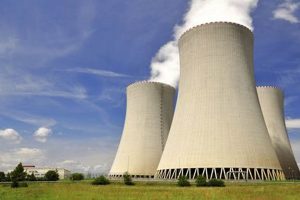
Nuclear power offers a carbon-free source of baseload electricity generation. Advanced nuclear reactor designs enhance safety and efficiency while minimizing waste production. However, public perception of nuclear power remains influenced by historical incidents and concerns about waste disposal. Countries like France, with a long history of nuclear power, demonstrate its potential role in reducing reliance on fossil fuels. Overcoming public resistance and addressing safety concerns are crucial for realizing the potential of nuclear power in the energy transition.
- Energy Efficiency and Conservation:
Reducing overall energy demand through efficiency improvements and conservation measures plays a crucial role in mitigating climate change and reducing reliance on all fossil fuels, including coal. Implementing energy-efficient building codes, promoting the adoption of energy-saving appliances, and optimizing industrial processes can significantly reduce energy consumption. These measures, while not strictly alternative energy sources, complement the transition by minimizing overall energy needs and enhancing the effectiveness of renewable energy integration. For example, Japan’s focus on energy efficiency following the Fukushima nuclear disaster demonstrates the potential for demand-side management to contribute significantly to energy security and emissions reductions.
The transition away from coal towards these alternatives presents complex challenges and opportunities. Economic considerations, infrastructure development, technological innovation, and policy frameworks all play crucial roles in shaping the future energy landscape. While renewable energy sources offer significant potential for decarbonizing the power sector, the transition requires careful planning and execution to ensure a stable, reliable, and affordable energy supply. The declining role of coal necessitates economic diversification in coal-dependent regions and retraining opportunities for workers in the coal industry. Navigating this complex transition requires a balanced approach that considers environmental sustainability, economic development, and energy security.
Frequently Asked Questions about Coal
This section addresses common inquiries regarding the utilization of this carbonaceous rock as an energy source, focusing on its environmental impact, economic considerations, and future prospects.
Question 1: What is the primary environmental concern associated with coal combustion?
The primary environmental concern is the release of greenhouse gases, particularly carbon dioxide (CO2), contributing significantly to climate change. Additional concerns include air and water pollution from emissions of sulfur dioxide, nitrogen oxides, particulate matter, and heavy metals.
Question 2: How does coal mining impact the environment?
Mining operations, both surface and underground, can significantly alter landscapes, disrupt ecosystems, and contaminate water sources. Surface mining, such as mountaintop removal, drastically reshapes topography, while underground mining poses risks of mine collapses and water pollution from acid mine drainage.
Question 3: What are the economic benefits of using coal?
Coal historically provided a relatively inexpensive and abundant energy source, fueling industrial development and electricity generation. Established infrastructure and readily available reserves contribute to its continued use in some regions. However, the long-term economic viability is increasingly challenged by environmental regulations and the declining cost of renewable energy alternatives.
Question 4: What are the alternatives to coal for electricity generation?
Renewable energy sources, such as solar, wind, hydro, and geothermal, offer sustainable alternatives. Nuclear power provides a carbon-free baseload option. Natural gas, while still a fossil fuel, serves as a transitional fuel with lower carbon emissions than coal. Furthermore, energy efficiency and conservation efforts reduce overall energy demand, lessening reliance on all fossil fuels.
Question 5: What is being done to mitigate the environmental impact of coal?
Technological advancements, such as carbon capture and storage (CCS), aim to reduce greenhouse gas emissions from coal-fired power plants. Stringent environmental regulations address air and water pollution, while land reclamation efforts aim to restore mined areas. The transition towards renewable energy sources and other alternatives represents a fundamental shift away from coal-based energy production.
Question 6: What is the long-term future of coal in the global energy mix?
The long-term future of coal appears increasingly limited. Growing environmental concerns, stricter regulations, and the declining cost of renewable energy sources are driving a global transition away from coal. While coal may continue to play a role in some regions for the foreseeable future, its share of the global energy mix is projected to decline as the world transitions towards a more sustainable energy future.
Understanding these key aspects of coal utilization informs responsible energy choices and supports a transition toward a sustainable energy future.
The subsequent section will offer a concluding perspective on the role of this carbonaceous rock in the evolving energy landscape.
Conclusion
This exploration of coal has traversed its formation from ancient plant matter, the diverse methods of extraction, its varied types and applications, and the significant environmental impacts associated with its combustion. The analysis has highlighted the tension between coal’s historical role in industrial development and the imperative to transition towards a more sustainable energy future. Stringent environmental regulations, driven by concerns about climate change and public health, are reshaping the energy landscape and challenging the long-term viability of coal-based energy production. While coal continues to play a role in the global energy mix, particularly in emerging economies, its future appears increasingly constrained by the rise of renewable energy technologies, advancements in energy efficiency, and evolving economic considerations.
The transition away from coal represents a complex undertaking with far-reaching implications. Balancing energy security, economic development, and environmental sustainability requires careful planning, technological innovation, and policy interventions. Investing in renewable energy infrastructure, developing cleaner coal technologies, and promoting energy efficiency are crucial steps towards mitigating the environmental impact of coal while ensuring a reliable and affordable energy supply. The legacy of coal, deeply intertwined with industrial progress, now necessitates a responsible and forward-looking approach to navigate the evolving energy landscape and build a more sustainable future. The choices made today will determine the trajectory of energy production and consumption for generations to come, underscoring the critical importance of informed decision-making and collaborative action.