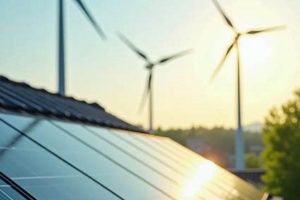
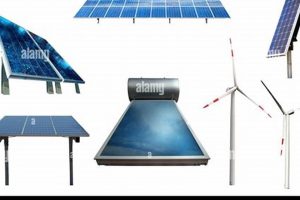
Electricity generation from sources that naturally replenish themselves forms a vital part of Oregon’s energy landscape. These resources include solar, wind, geothermal, hydroelectric, and biomass. For instance, wind farms harness the kinetic energy of wind to produce electricity, while hydroelectric facilities leverage the power of flowing water.
Sustainable power generation offers numerous advantages, contributing to a cleaner environment by reducing reliance on fossil fuels and mitigating greenhouse gas emissions. This commitment to clean energy also fosters economic growth within the state, creating jobs in manufacturing, installation, and maintenance of renewable energy systems. Historically, Oregon has been a leader in hydropower development, and this legacy continues with the expansion of other renewable resources, supporting the state’s goal of a sustainable energy future.
This exploration delves further into the specifics of various renewable energy sectors in Oregon, including their current status, future potential, and the challenges and opportunities they present.
Tips for Supporting Sustainable Energy in Oregon
Residents and businesses can contribute to a greener future by actively engaging with and supporting the growth of sustainable power generation. The following tips offer practical ways to participate in this important transition.
Tip 1: Explore Residential Solar Installations: Consider installing solar panels on homes or businesses. Net metering programs allow excess energy generated to be fed back into the grid, potentially offsetting energy costs.
Tip 2: Support Community Solar Projects: Participate in community solar initiatives, which allow individuals to subscribe to a share of a larger solar project and receive credits on their utility bills.
Tip 3: Advocate for Policy Changes: Support policies that encourage renewable energy development and streamline the permitting process for renewable energy projects.
Tip 4: Reduce Energy Consumption: Implementing energy efficiency measures, such as using energy-efficient appliances and improving home insulation, reduces overall energy demand and supports the transition to renewables.
Tip 5: Invest in Renewable Energy Companies: Consider investing in companies that specialize in renewable energy technologies or utilities that prioritize sustainable power generation.
Tip 6: Stay Informed about Renewable Energy Developments: Keep abreast of advancements in renewable energy technologies and policies within Oregon to make informed decisions and advocate for effective solutions.
Tip 7: Choose Green Power Options: Select electricity providers that offer green power options, allowing consumers to support renewable energy generation through their electricity purchases.
By embracing these suggestions, individuals and communities can contribute significantly to a cleaner, more sustainable energy future for Oregon. These actions not only benefit the environment but also create economic opportunities and enhance energy independence.
These individual and collective efforts play a crucial role in advancing Oregon’s transition to a cleaner energy landscape, ensuring long-term environmental and economic benefits for the state.
1. Hydropower Dominance

Hydropower has historically played a dominant role in Oregon’s renewable energy mix, shaping the state’s energy landscape and influencing its approach to sustainable power generation. Understanding this dominance is crucial for comprehending the complexities and opportunities within Oregon’s broader renewable energy sector.
- Historical Significance and Infrastructure:
Oregon’s abundant rivers and established dam infrastructure have made hydropower a cornerstone of its electricity generation for decades. This existing infrastructure provides a substantial base of renewable energy capacity, influencing energy policy and investment decisions.
- Impact on Grid Stability and Reliability:
Hydropower’s ability to provide baseload power, meaning consistent energy supply regardless of weather conditions, contributes significantly to grid stability. This reliability makes it a valuable asset in balancing the intermittency of other renewable sources like solar and wind.
- Environmental Considerations and Mitigation:
While hydropower is a renewable source, its environmental impact, including effects on fish migration and river ecosystems, requires careful management. Mitigation efforts, such as fish ladders and flow regulation, are crucial for balancing energy production with ecological preservation.
- Future Role and Integration with other Renewables:
As Oregon diversifies its renewable energy portfolio, hydropower’s role is evolving. Its capacity to provide grid stability becomes increasingly important for integrating intermittent renewable sources, facilitating a smooth transition towards a more balanced and sustainable energy system. Pumped hydro storage, which uses surplus energy to pump water uphill for later release, presents a promising solution for energy storage, further enhancing the value of hydropower infrastructure.
Hydropower’s legacy in Oregon significantly influences the state’s current and future energy strategies. While its dominance is gradually being shared with other emerging renewable technologies, hydropower remains a vital component for ensuring grid reliability, balancing intermittent resources, and achieving a sustainable energy future. Understanding the interplay between hydropower and other renewable energy sources is essential for developing effective policies and maximizing the potential of Oregon’s diverse energy resources.
2. Growing wind capacity

Wind power represents a rapidly expanding sector within Oregon’s renewable energy portfolio. The state’s favorable wind resources, coupled with technological advancements and supportive policies, position wind energy as a key driver in achieving a sustainable energy future. Examining the various facets of this growth provides valuable insights into its contribution to Oregon’s overall energy landscape.
- Resource Availability and Geographic Distribution:
Oregon possesses significant wind resources, particularly in the eastern and central regions of the state, as well as along the Columbia River Gorge. These areas offer consistent wind speeds suitable for large-scale wind farm development, contributing significantly to the state’s renewable energy capacity. The geographic distribution of these resources influences transmission infrastructure planning and regional economic development associated with wind energy projects.
- Technological Advancements and Turbine Efficiency:
Advancements in wind turbine technology, including larger rotor diameters and improved generator efficiency, have significantly increased energy capture from wind resources. These technological advancements reduce the cost of wind energy, making it more competitive with traditional energy sources and accelerating its deployment across Oregon.
- Economic Impacts and Job Creation:
The growth of wind capacity stimulates economic activity within Oregon, creating jobs in manufacturing, construction, operation, and maintenance of wind farms. These projects often bring investment and employment opportunities to rural communities, contributing to economic diversification and revitalization.
- Grid Integration and Transmission Infrastructure:
Integrating wind power into the existing electricity grid requires robust transmission infrastructure to transport the generated electricity to consumers. Strategic planning and investment in transmission lines are crucial for maximizing the benefits of wind energy and ensuring grid stability as wind capacity continues to grow.
The expansion of wind capacity in Oregon exemplifies the state’s commitment to renewable energy development. By leveraging its abundant wind resources, fostering technological advancements, and addressing grid integration challenges, Oregon positions itself as a leader in sustainable energy, driving economic growth and reducing reliance on fossil fuels. The continued growth of wind power, combined with other renewable sources, will shape Oregon’s energy future and contribute to a cleaner, more sustainable environment.
3. Emerging solar sector

Although historically a smaller contributor compared to hydropower and wind, solar energy is experiencing rapid growth in Oregon, representing an increasingly important component of the state’s renewable energy portfolio. This emerging sector holds significant potential for future expansion, driven by declining costs, technological advancements, and supportive policies. Understanding the key facets of this growth is crucial for evaluating its role in Oregon’s transition to a sustainable energy future.
- Declining Costs and Increased Accessibility:
The cost of solar photovoltaic (PV) systems has decreased significantly in recent years, making solar energy more accessible to homeowners, businesses, and utilities. This cost reduction, combined with financial incentives and net metering programs, drives market adoption and accelerates the deployment of solar projects across the state.
- Policy Support and Incentives:
State and federal policies, such as tax credits, rebates, and renewable portfolio standards, provide crucial support for solar energy development. These incentives encourage investment in solar projects, stimulate market growth, and contribute to achieving Oregon’s renewable energy goals.
- Technological Advancements and Efficiency Improvements:
Ongoing advancements in solar PV technology, including improvements in panel efficiency and energy storage solutions, enhance the performance and cost-effectiveness of solar energy systems. These innovations contribute to the wider adoption of solar power and its integration into the electricity grid.
- Land Use Considerations and Siting of Solar Projects:
The siting of solar projects requires careful consideration of land use, environmental impacts, and community acceptance. Balancing the need for land to accommodate solar installations with other land uses, such as agriculture and conservation, is essential for sustainable development and minimizing potential conflicts.
The emerging solar sector in Oregon demonstrates the state’s commitment to diversifying its renewable energy resources and reducing reliance on fossil fuels. As costs continue to decline and technology advances, solar energy is poised to play an increasingly significant role in Oregon’s energy future, contributing to a cleaner environment, economic growth, and enhanced energy independence. The integration of solar power with other renewable sources, such as wind and hydropower, will be crucial for creating a balanced and resilient energy system for Oregon.
4. Biomass Utilization

Biomass utilization represents a distinct component within Oregon’s renewable energy landscape, offering unique opportunities and challenges. Utilizing organic matter for energy production presents a pathway towards reducing reliance on fossil fuels and supporting sustainable forestry practices. Understanding the complexities of biomass utilization is crucial for evaluating its role in Oregon’s overall energy strategy.
- Sources and Availability of Biomass Feedstock:
Oregon’s forest industry generates substantial amounts of biomass residue, including wood chips, bark, and sawdust, which can serve as feedstock for energy production. Agricultural residues, such as crop stalks and orchard prunings, also contribute to the available biomass resources. The sustainable management of these feedstocks is crucial for ensuring long-term viability and minimizing environmental impact.
- Conversion Technologies and Energy Production Methods:
Various technologies convert biomass into usable energy. Direct combustion burns biomass to generate heat or electricity. Gasification converts biomass into a gaseous fuel, which can be used for power generation or industrial processes. Anaerobic digestion breaks down organic matter to produce biogas, a renewable fuel source. The choice of technology depends on factors such as feedstock characteristics, scale of operation, and desired energy output.
- Environmental Impacts and Sustainability Considerations:
While biomass is a renewable resource, its utilization requires careful management to minimize environmental impacts. Sustainable harvesting practices, air quality considerations, and potential impacts on water resources must be addressed to ensure responsible biomass utilization. Life-cycle assessments help evaluate the overall environmental footprint of biomass energy production.
- Economic Opportunities and Community Benefits:
Biomass utilization can create economic opportunities in rural communities, supporting jobs in forestry, agriculture, and energy production. Biomass energy projects can provide a source of local income, stimulate economic development, and enhance energy independence in these areas. Furthermore, utilizing biomass can contribute to forest health by reducing wildfire risk through the removal of excess forest debris.
Biomass utilization adds a complex layer to Oregon’s renewable energy landscape. Its potential to contribute to a sustainable energy future depends on responsible resource management, technological advancements, and careful consideration of environmental and economic impacts. Integrating biomass energy with other renewable sources offers a pathway towards a more diversified and resilient energy portfolio for Oregon, while supporting sustainable forestry practices and creating economic opportunities in rural communities.
5. Geothermal Potential

Geothermal energy, derived from the Earth’s internal heat, presents a significant, albeit less developed, opportunity within Oregon’s renewable energy landscape. Harnessing this resource offers the potential for a reliable baseload power source, complementing other renewable energy technologies and contributing to a more diversified and resilient energy portfolio.
- Resource Availability and Geological Characteristics:
Oregon possesses substantial geothermal resources, particularly in areas with volcanic activity and tectonic plate boundaries. These regions exhibit high heat flow, making them suitable for geothermal power generation. Understanding the geological characteristics and distribution of these resources is crucial for assessing their potential and guiding exploration efforts.
- Types of Geothermal Systems and Applications:
Different types of geothermal systems exist, each with varying applications. Hydrothermal systems, involving hot water and steam reservoirs, are commonly used for electricity generation. Enhanced geothermal systems (EGS) access heat from dry rocks by injecting water and extracting the heated fluid. Geothermal resources can also provide direct heating and cooling for buildings and industrial processes. Selecting appropriate technologies based on resource characteristics and intended applications is crucial for maximizing efficiency and minimizing environmental impact.
- Development Challenges and Environmental Considerations:
Developing geothermal resources presents specific challenges, including high upfront costs associated with exploration and drilling, potential induced seismicity, and management of geothermal fluids. Minimizing environmental impacts through careful site selection, proper drilling techniques, and effective fluid management is crucial for sustainable geothermal development. Addressing these challenges through research, technological advancements, and regulatory frameworks is essential for unlocking the full potential of geothermal energy.
- Integration with Existing Infrastructure and Grid Stability:
Geothermal power plants can provide baseload power, contributing to grid stability and complementing the intermittency of other renewable sources like solar and wind. Integrating geothermal energy into the existing electricity grid requires appropriate transmission infrastructure and grid management strategies. Leveraging geothermal’s baseload capacity can enhance the reliability and resilience of Oregon’s overall energy system.
Geothermal energy represents a valuable yet underutilized resource within Oregon’s renewable energy mix. By addressing the challenges associated with its development and leveraging its unique characteristics, geothermal can play a crucial role in diversifying Oregon’s energy portfolio, enhancing grid stability, and contributing to a sustainable energy future. Further exploration and investment in geothermal technologies, combined with supportive policies and community engagement, are essential for realizing the full potential of this promising renewable energy source.
Frequently Asked Questions about Renewable Energy in Oregon
This section addresses common inquiries regarding the development, implementation, and impact of renewable energy resources within Oregon.
Question 1: How does Oregon’s renewable energy portfolio compare to other states?
Oregon ranks highly in renewable energy generation, particularly in hydropower. While specific rankings fluctuate, the state consistently demonstrates a strong commitment to renewable energy development and utilization.
Question 2: What are the primary challenges facing renewable energy development in Oregon?
Key challenges include grid integration and transmission infrastructure development to accommodate intermittent renewable sources like solar and wind, as well as balancing renewable energy development with environmental protection and land use considerations.
Question 3: What are the economic benefits of transitioning to renewable energy in Oregon?
Economic benefits include job creation in manufacturing, installation, maintenance, and research related to renewable energy technologies, as well as reduced reliance on imported fossil fuels, contributing to greater energy independence and price stability.
Question 4: How does renewable energy contribute to reducing greenhouse gas emissions in Oregon?
Renewable energy sources generate electricity without emitting greenhouse gases, reducing reliance on fossil fuel-based power plants, which are major contributors to climate change. This transition is crucial for meeting state climate goals and mitigating the impacts of climate change.
Question 5: What role can individuals play in supporting renewable energy in Oregon?
Individuals can support renewable energy by exploring residential solar installations, participating in community solar projects, advocating for supportive policies, reducing energy consumption, and choosing green power options offered by electricity providers.
Question 6: What is the future outlook for renewable energy in Oregon?
The future of renewable energy in Oregon appears promising, with continued growth expected in solar, wind, and other emerging technologies. Supportive policies, technological advancements, and growing public awareness create a favorable environment for further expansion and integration of renewable energy resources.
Understanding these key aspects of renewable energy in Oregon empowers individuals, businesses, and policymakers to make informed decisions and contribute to a sustainable energy future.
For further information and detailed analysis, explore the following resources…
Oregon Renewable Energy
This exploration has highlighted the multifaceted nature of Oregon’s renewable energy landscape. From the historical dominance of hydropower to the rapid growth of wind power and the emerging potential of solar, geothermal, and biomass, the state demonstrates a clear commitment to diversifying its energy portfolio and transitioning towards a sustainable energy future. The examination of key challenges, such as grid integration and land use considerations, underscores the need for continued innovation and strategic planning to maximize the benefits of these resources. Furthermore, the economic opportunities and environmental advantages associated with renewable energy development solidify its importance for Oregon’s long-term prosperity and ecological well-being.
The continued advancement and integration of renewable energy resources are crucial for ensuring a resilient and sustainable energy future for Oregon. Strategic investments in infrastructure, supportive policies, and ongoing technological innovation will be essential for realizing the full potential of these resources and mitigating the impacts of climate change. The transition towards a cleaner energy future requires collaborative efforts from government, industry, and communities to ensure a prosperous and environmentally responsible energy landscape for generations to come.