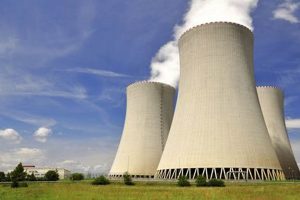
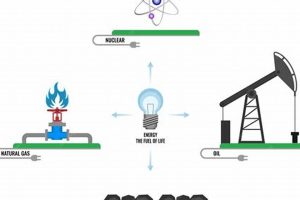
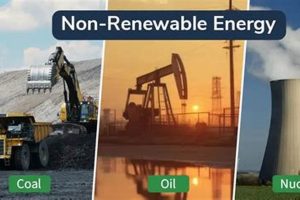
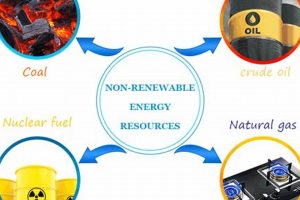
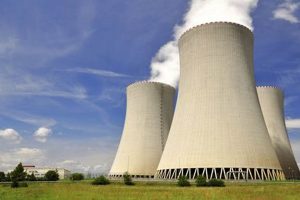
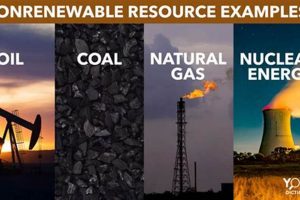
Energy sources are broadly categorized into two fundamental types: those that replenish naturally over a relatively short period, and those that exist in finite quantities and are depleted with use. Resources like solar, wind, hydro, geothermal, and biomass are considered sustainable because they are naturally replenished. Conversely, fossil fuels (coal, oil, and natural gas) and nuclear energy are finite resources that, once consumed, are not readily replaced within human timescales.
Distinguishing between these two energy types is critical for sustainable development. Reliance on finite resources presents challenges related to resource depletion, price volatility, and environmental impacts like greenhouse gas emissions. Shifting toward sustainable alternatives offers a pathway to energy security, reduced environmental impact, and a more sustainable future. This transition has been ongoing for decades, driven by increasing environmental awareness and advancements in sustainable energy technologies.
Understanding the characteristics, advantages, and disadvantages of each energy source is paramount for informed decision-making regarding energy production and consumption. This understanding provides a foundation for exploring the complexities of energy policy, technological innovation, and the ongoing global transition to a more sustainable energy future.
Tips for Understanding Energy Sources
Informed decision-making regarding energy consumption requires a nuanced understanding of available energy sources. The following tips provide guidance for navigating the complexities of energy choices.
Tip 1: Research the environmental impact. Consider the full lifecycle emissions and environmental consequences associated with each energy source, from extraction and production to use and disposal.
Tip 2: Evaluate long-term costs. While initial investment costs may vary, consider the long-term operational and maintenance costs associated with each energy source, including potential fuel price fluctuations.
Tip 3: Assess energy security. Diversifying energy sources enhances energy independence and resilience against potential disruptions in supply chains or geopolitical instability.
Tip 4: Consider geographic limitations. Certain sustainable energy resources are geographically dependent. Solar energy requires ample sunlight, while wind energy relies on consistent wind patterns.
Tip 5: Investigate technological advancements. The energy landscape is constantly evolving. Stay informed about advancements in energy efficiency and new technologies for both sustainable and non-sustainable energy sources.
Tip 6: Support policy changes. Advocate for policies that incentivize the development and adoption of sustainable energy technologies and promote responsible resource management.
Tip 7: Understand energy storage. Explore the different energy storage solutions available to address the intermittent nature of some sustainable energy sources, such as batteries or pumped hydro storage.
By considering these factors, individuals and communities can make informed choices about energy consumption, supporting the transition to a more sustainable energy future.
These considerations provide a framework for further exploration of the broader energy landscape and inform individual actions toward a more sustainable future.
1. Replenishment Rate

Replenishment rate stands as a pivotal concept in differentiating renewable and non-renewable energy sources. It refers to the speed at which a given energy source is naturally replenished. Renewable sources, such as solar, wind, hydro, and geothermal, are characterized by replenishment rates that align with human timescales. Sunlight continuously reaches the Earth, winds persistently blow, and water cycles maintain a continuous flow. This natural replenishment makes these sources effectively inexhaustible for human purposes. Conversely, non-renewable sources, primarily fossil fuels (coal, oil, and natural gas) and nuclear fuels (uranium), are characterized by extremely slow replenishment rates, taking millions of years to form. Consequently, their consumption depletes reserves at a pace far exceeding their natural regeneration. This distinction underlies the finite nature of non-renewable resources.
This difference in replenishment rates has significant implications for long-term energy planning and sustainability. Dependence on resources with slow replenishment rates necessitates continuous exploration and extraction, often in increasingly challenging and environmentally sensitive locations. The extraction and utilization of these resources also contribute significantly to greenhouse gas emissions, exacerbating climate change. For instance, while coal remains a significant energy source globally, its finite nature and environmental impact underscore the urgency of transitioning to more sustainable alternatives. In contrast, the continuous replenishment of solar energy allows for predictable and consistent energy generation without depleting finite resources. The development of large-scale solar farms, as seen in desert regions with high solar irradiance, demonstrates the practical application of this principle.
In summary, the concept of replenishment rate serves as a critical differentiator between renewable and non-renewable energy sources. Understanding this difference is fundamental to addressing the challenges of long-term energy security and environmental sustainability. Shifting towards energy systems reliant on resources with rapid replenishment rates is essential for mitigating the impacts of climate change and ensuring a sustainable energy future. This transition requires continued investment in renewable energy technologies, infrastructure development, and policy frameworks that promote the adoption of sustainable energy practices.
2. Environmental Impact
A critical distinction between renewable and non-renewable energy sources lies in their environmental impact. Non-renewable energy sources, primarily fossil fuels, contribute significantly to greenhouse gas emissions, air and water pollution, and habitat destruction. Renewable energy sources offer a pathway to mitigate these environmental challenges, promoting a cleaner and more sustainable energy future.
- Greenhouse Gas Emissions
Combustion of fossil fuels releases substantial amounts of greenhouse gases, primarily carbon dioxide, into the atmosphere, contributing to climate change. Renewable energy sources, such as solar and wind, produce minimal greenhouse gas emissions during operation, significantly reducing their carbon footprint. For example, a solar photovoltaic system offsets the emissions associated with conventional fossil fuel-based electricity generation, contributing to climate change mitigation.
- Air and Water Pollution
Fossil fuel extraction, processing, and combustion release pollutants into the air and water, negatively impacting human health and ecosystems. Coal-fired power plants, for instance, emit sulfur dioxide and nitrogen oxides, contributing to acid rain and respiratory illnesses. Renewable energy sources offer cleaner alternatives, reducing air and water pollution. Hydropower, while generally clean, can impact aquatic ecosystems, demonstrating the importance of careful planning and mitigation strategies.
- Land Use and Habitat Disruption
Extraction of fossil fuels, such as coal mining and oil drilling, can significantly alter landscapes and disrupt habitats. Renewable energy projects also require land, but their overall impact is often less extensive. For example, while wind farms require land for turbine placement, the land between turbines can often be used for agriculture or other purposes. Careful siting and environmental impact assessments are crucial for minimizing the impact of any energy project.
- Waste Management
Nuclear energy, while considered non-renewable, produces relatively low greenhouse gas emissions during operation. However, it generates radioactive waste that requires long-term storage and management. Renewable energy sources generally produce minimal waste, enhancing their environmental profile. The disposal of solar panels at the end of their lifespan, however, requires proper recycling and disposal methods to minimize environmental impact.
The environmental impact of energy choices significantly influences the sustainability of energy systems. Transitioning from non-renewable to renewable energy sources is essential for mitigating climate change, improving air and water quality, and minimizing habitat disruption. This transition requires a multi-faceted approach encompassing technological innovation, policy support, and responsible resource management. The contrasting impacts of coal-fired power plants and solar farms exemplify the environmental benefits of renewable energy adoption.
3. Resource Availability
Resource availability is intrinsically linked to the definition of renewable and non-renewable energy. Renewable energy sources, derived from natural processes like sunlight, wind, and water flow, are virtually inexhaustible. Their continuous replenishment ensures long-term availability, independent of human consumption rates. Conversely, non-renewable energy sources, primarily fossil fuels (coal, oil, and natural gas) and nuclear fuels (uranium), exist in finite quantities. Their formation takes millions of years, meaning extraction and consumption deplete these resources at a rate far exceeding their natural replenishment. This finite nature necessitates ongoing exploration and extraction, often in increasingly challenging and environmentally sensitive locations. For instance, the reliance on dwindling oil reserves necessitates deep-sea drilling, posing significant environmental risks.
The availability of each resource type significantly influences energy security and price volatility. Renewable resources, being readily available in many regions, enhance energy independence by reducing reliance on imported fuels. Their inherent abundance mitigates price fluctuations driven by resource scarcity. Non-renewable resources, however, are often concentrated geographically, creating dependencies and vulnerabilities to geopolitical instability and market manipulations. The Organization of the Petroleum Exporting Countries (OPEC)s influence on global oil prices exemplifies this vulnerability. Furthermore, the finite nature of these resources inevitably leads to price increases as easily accessible reserves are depleted, requiring more complex and costly extraction methods. This dynamic underscores the long-term economic advantages of transitioning to readily available renewable energy sources.
In summary, resource availability is a defining characteristic of renewable and non-renewable energy. Renewable resources offer a sustainable pathway to energy security and price stability due to their continuous replenishment. The finite nature of non-renewable resources, coupled with their uneven geographical distribution, necessitates strategic planning and diversification of energy sources. Recognizing the limitations of finite resources underscores the importance of transitioning to a future powered by readily available, sustainable energy sources. This transition requires ongoing investment in renewable energy technologies, infrastructure development, and policy frameworks that promote energy independence and resource sustainability.
4. Energy Security

Energy security is intrinsically linked to the distinction between renewable and non-renewable energy sources. It encompasses the reliable availability of energy services at affordable prices, while also considering environmental sustainability and geopolitical factors. The choice between renewable and non-renewable sources significantly impacts a nation’s energy security profile.
- Resource Availability and Dependence
Non-renewable resources, particularly fossil fuels, are often concentrated geographically, leading to import dependencies and vulnerability to geopolitical instability and price shocks. Renewable resources, being more widely distributed, offer greater energy independence and resilience. For example, a nation heavily reliant on imported oil is more vulnerable to supply disruptions than one with diversified domestic renewable energy sources. This highlights the importance of resource diversification for enhanced energy security.
- Price Volatility and Affordability
The finite nature of non-renewable resources contributes to price volatility, influenced by global demand and geopolitical factors. Renewable energy sources, while requiring initial investment, offer long-term price stability due to their inexhaustible nature. For instance, fluctuating oil prices can impact transportation and heating costs, while solar and wind energy prices remain relatively stable once infrastructure is established. This stability contributes to long-term energy affordability and economic planning.
- Environmental Sustainability and Climate Change
Reliance on non-renewable energy sources contributes significantly to greenhouse gas emissions and climate change, posing long-term risks to energy infrastructure and global stability. Transitioning to renewable energy sources mitigates these risks and promotes a more sustainable energy future. Extreme weather events, exacerbated by climate change, can disrupt energy supply chains, emphasizing the link between environmental sustainability and energy security. Investing in renewable energy strengthens resilience against climate-related disruptions.
- Technological Advancements and Innovation
Technological advancements play a crucial role in enhancing energy security, particularly in the renewable energy sector. Innovations in energy storage, smart grids, and energy efficiency improve the reliability and effectiveness of renewable energy systems. For example, advancements in battery technology enhance the reliability of solar and wind power by addressing their intermittent nature. Continued investment in research and development is essential for strengthening energy security through technological innovation.
These facets of energy security demonstrate the close relationship between energy choices and national resilience. Diversifying energy sources with renewable alternatives enhances energy independence, mitigates price volatility, and promotes a more sustainable and secure energy future. The transition to renewable energy requires strategic planning, policy support, and technological innovation to ensure a reliable, affordable, and environmentally sustainable energy supply.
5. Cost Fluctuations
Cost fluctuations represent a significant differentiating factor between renewable and non-renewable energy sources. Non-renewable energy sources, particularly fossil fuels, are inherently susceptible to price volatility due to several interconnected factors. The finite nature of these resources creates inherent scarcity, making prices susceptible to geopolitical events, supply disruptions, and fluctuations in global demand. For example, political instability in a major oil-producing region can trigger significant price spikes in the global oil market, impacting transportation costs and energy prices worldwide. The reliance on a limited number of supplier nations further exacerbates this vulnerability. OPEC’s influence on oil prices demonstrates the susceptibility of fossil fuel markets to production quotas and market manipulation. Moreover, the increasing difficulty of extracting remaining reserves necessitates more complex and costly extraction methods, further contributing to upward price pressure.
In contrast, renewable energy sources offer greater price stability. While initial capital costs for renewable energy infrastructure can be substantial, operational costs are significantly lower and less susceptible to external market forces. Sunlight, wind, and water flows are readily available resources, reducing dependence on volatile global commodity markets. Once a solar or wind farm is operational, the fuel source is essentially free, insulating energy prices from the fluctuations that characterize fossil fuel markets. This predictability allows for better long-term financial planning and reduces vulnerability to external shocks. Furthermore, advancements in renewable energy technologies and economies of scale continue to drive down the initial investment costs, making renewable energy increasingly cost-competitive with fossil fuels. The decreasing cost of solar photovoltaic panels over the past decade exemplifies this trend.
Understanding the cost implications of renewable and non-renewable energy sources is crucial for informed decision-making. The price volatility associated with fossil fuels poses significant economic risks and hinders long-term planning. The increasing affordability and price stability of renewable energy offer a pathway to greater energy independence, reduced economic vulnerability, and a more sustainable energy future. This transition necessitates policy frameworks that incentivize renewable energy adoption and internalize the environmental costs associated with fossil fuels. By addressing the economic and environmental externalities of energy choices, societies can transition towards a more secure, stable, and sustainable energy future.
6. Technological Advancements
Technological advancements play a crucial role in the evolution and utilization of both renewable and non-renewable energy sources. These advancements influence efficiency, cost-effectiveness, and environmental impact, shaping the ongoing transition towards a sustainable energy future. Understanding the interplay between technology and energy is crucial for informed decision-making and policy development.
- Renewable Energy Technologies
Advancements in renewable energy technologies have significantly increased their efficiency and affordability. Improvements in solar photovoltaic cell design and manufacturing processes have led to higher energy conversion rates and lower production costs. Similarly, advancements in wind turbine design, such as larger rotor diameters and improved blade aerodynamics, have increased energy capture efficiency. These advancements drive the increasing competitiveness of renewable energy sources in the global energy market. The rapid growth of solar and wind energy installations globally demonstrates the transformative impact of these technological advancements.
- Energy Storage Solutions
Addressing the intermittency of renewable energy sources like solar and wind requires efficient and affordable energy storage solutions. Advancements in battery technology, including improved battery chemistry and reduced manufacturing costs, are enabling greater integration of renewable energy into electricity grids. Pumped hydro storage, another established technology, utilizes surplus energy to pump water uphill, releasing it to generate electricity during periods of high demand. These advancements are crucial for ensuring a reliable and consistent energy supply from intermittent renewable sources.
- Smart Grid Technologies
Smart grids utilize digital technologies to optimize electricity grid management, enhancing efficiency, reliability, and integration of renewable energy sources. Advanced sensors, real-time data analytics, and automated control systems enable dynamic adjustments to electricity flow, balancing supply and demand more effectively. This optimized grid management reduces energy waste, improves grid stability, and facilitates the seamless integration of distributed renewable energy generation. Smart grid technologies play a key role in modernizing energy infrastructure for a more sustainable future.
- Fossil Fuel Extraction and Utilization
Technological advancements also influence non-renewable energy sources. Horizontal drilling and hydraulic fracturing (fracking) have unlocked previously inaccessible fossil fuel reserves, particularly shale gas and tight oil. While these technologies have increased fossil fuel production, they also raise environmental concerns related to water contamination and induced seismicity. Advancements in carbon capture and storage (CCS) technologies aim to mitigate the environmental impact of fossil fuel combustion by capturing CO2 emissions and storing them underground. These technological developments illustrate the complex relationship between technology, energy production, and environmental sustainability.
Technological progress significantly shapes the energy landscape, influencing the efficiency, cost, and environmental impact of both renewable and non-renewable energy sources. Continued investment in research and development is crucial for driving innovation, accelerating the transition to sustainable energy systems, and mitigating the environmental challenges associated with energy production and consumption. The interplay between these technological advancements will continue to define the future of energy.
7. Sustainability
Sustainability, in the context of energy production and consumption, hinges on the responsible management of resources to meet present needs without compromising the ability of future generations to meet their own energy requirements. This concept is inextricably linked to the distinction between renewable and non-renewable energy sources. Non-renewable energy sources, by definition, are finite and depletable. Their extraction and utilization often entail significant environmental consequences, including greenhouse gas emissions, habitat destruction, and pollution. Continued reliance on these resources undermines long-term sustainability, jeopardizing future energy security and exacerbating climate change. The depletion of readily accessible oil reserves, necessitating more environmentally damaging extraction methods like tar sands mining, exemplifies this unsustainable trajectory.
Renewable energy sources offer a pathway to a more sustainable energy future. Their inherent replenishability ensures long-term resource availability, reducing dependence on finite and geographically concentrated resources. Furthermore, renewable energy technologies generally exhibit a lower environmental footprint, mitigating greenhouse gas emissions, air and water pollution, and land use impacts. The transition to wind power, for instance, displaces fossil fuel-based electricity generation, reducing carbon emissions and promoting cleaner air quality. However, even renewable energy sources require careful planning and implementation to minimize potential environmental impacts. For example, large-scale hydropower projects can alter river ecosystems and displace communities, highlighting the importance of comprehensive environmental impact assessments and stakeholder engagement.
Achieving energy sustainability requires a multifaceted approach encompassing technological innovation, policy frameworks, and behavioral changes. Continued investment in research and development is essential for improving the efficiency and affordability of renewable energy technologies and developing sustainable energy storage solutions. Supportive policies, such as carbon pricing mechanisms and renewable energy incentives, can accelerate the transition to a low-carbon energy system. Furthermore, promoting energy efficiency and responsible energy consumption patterns are crucial for reducing overall energy demand and minimizing environmental impact. The success of Germany’s Energiewende policy, promoting renewable energy adoption and energy efficiency, demonstrates the transformative potential of integrated sustainability strategies. The transition to a sustainable energy future requires a fundamental shift away from finite, environmentally damaging non-renewable resources towards readily available, clean, and sustainable renewable energy sources. This transition is not merely a technological challenge, but a societal imperative, requiring concerted efforts from governments, industries, and individuals to ensure a secure and sustainable energy future for all.
Frequently Asked Questions About Renewable and Non-Renewable Energy
This section addresses common inquiries regarding the distinctions, advantages, and disadvantages of renewable and non-renewable energy sources. Clarity on these fundamental concepts is crucial for informed decision-making and effective engagement in the ongoing global energy transition.
Question 1: What is the primary difference between renewable and non-renewable energy?
The core distinction lies in replenishment rates. Renewable sources replenish naturally within human timescales, while non-renewable sources are finite and deplete with use.
Question 2: Why is the transition to renewable energy considered important?
This transition is essential for mitigating climate change, enhancing energy security, and promoting sustainable development. Renewable sources offer a cleaner and more sustainable alternative to finite fossil fuels.
Question 3: Are renewable energy sources truly “clean”?
While generally cleaner than fossil fuels, renewable energy sources can still have environmental impacts. Careful planning and mitigation strategies are essential to minimize these impacts. Life-cycle assessments provide a comprehensive evaluation of environmental effects.
Question 4: What are the main barriers to widespread renewable energy adoption?
Key barriers include initial infrastructure costs, intermittency of some renewable sources, and the need for updated energy storage and grid management solutions. Addressing these challenges requires policy support, technological innovation, and public awareness.
Question 5: How does energy storage address the intermittency of renewable energy?
Technologies like batteries and pumped hydro storage store surplus energy generated during periods of high renewable energy production. This stored energy can then be dispatched to the grid during periods of low renewable generation or high demand, ensuring a consistent and reliable power supply.
Question 6: What role does government policy play in the energy transition?
Policy instruments such as carbon pricing, renewable portfolio standards, and tax incentives can create a favorable market environment for renewable energy technologies, driving investment and accelerating the transition to a sustainable energy system.
Understanding the nuances of renewable and non-renewable energy is critical for informed decision-making and effective participation in the global energy transition. Continued learning and engagement are essential for shaping a sustainable energy future.
For further exploration, the subsequent sections will delve deeper into specific renewable and non-renewable energy sources, examining their unique characteristics, advantages, and challenges.
Conclusion
Understanding the distinctions embedded within the definition of renewable and non-renewable energy is paramount for navigating the complexities of the global energy landscape. This exploration has highlighted the finite nature and environmental consequences associated with non-renewable resources, primarily fossil fuels, while emphasizing the long-term sustainability and security offered by renewable alternatives. Key differentiators, including replenishment rates, environmental impact, resource availability, energy security, cost fluctuations, technological advancements, and overall sustainability considerations, underscore the critical need for a global transition towards renewable energy sources. The inherent limitations and price volatility of fossil fuels, juxtaposed with the increasing affordability and technological advancements in renewable energy technologies, underscore the economic and environmental advantages of embracing a sustainable energy future.
The global energy transition represents not merely a technological shift, but a fundamental societal imperative. Strategic planning, policy support, and continued investment in research and development are crucial for accelerating the adoption of renewable energy technologies and building a resilient, sustainable energy infrastructure. The choices made today will determine the energy landscape of tomorrow, impacting not only energy security and economic stability, but also the health of the planet and the well-being of future generations. A clear understanding of the definitions underpinning renewable and non-renewable energy empowers informed decision-making and fosters a collective responsibility to shape a sustainable energy future for all.