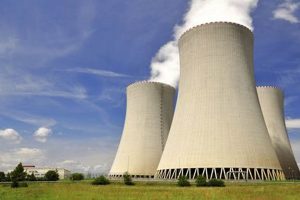
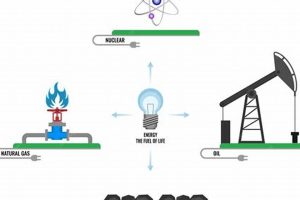
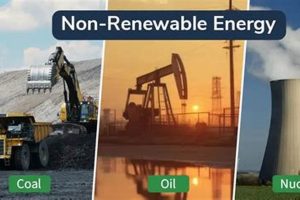
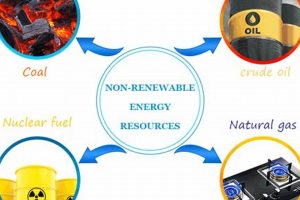
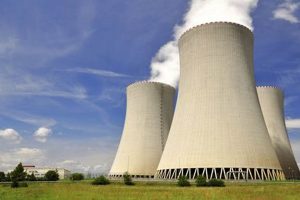
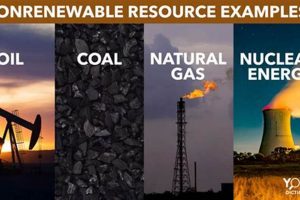
Fossil fuels (coal, oil, and natural gas) and nuclear energy are finite resources extracted or processed from the Earth. Their utilization for power generation, transportation, and industrial processes generates diverse consequences for the planet’s ecosystems. These effects span air and water pollution, land degradation from resource extraction, and contributions to climate change through greenhouse gas emissions.
Understanding the ecological ramifications of these energy sources is critical for sustainable development. Historical reliance on them has fueled economic growth, but with significant environmental costs. Recognizing these costs is fundamental to developing and implementing alternative energy strategies and mitigation measures, protecting both natural environments and human health. This understanding also informs policy decisions and encourages the transition towards cleaner and renewable energy solutions.
The following sections will delve into the specific effects of various non-renewable energy sources on air and water quality, biodiversity, land use, and the global climate. Furthermore, the discussion will encompass the societal and economic implications of these effects, highlighting the urgent need for a global shift towards sustainable energy practices.
Tips for Mitigating the Effects of Non-Renewable Energy Use
Minimizing the detrimental effects of conventional energy sources requires a multi-pronged approach encompassing individual actions, policy changes, and technological advancements. The following tips offer practical guidance for reducing reliance on these resources and promoting a transition towards sustainable practices.
Tip 1: Improve Energy Efficiency: Reducing energy consumption through better insulation in buildings, using energy-efficient appliances, and adopting sustainable transportation options lessens the demand for non-renewable resources.
Tip 2: Support Renewable Energy: Advocating for and investing in renewable energy sources like solar, wind, and geothermal power accelerates the shift away from fossil fuels and nuclear energy.
Tip 3: Advocate for Policy Changes: Supporting policies that incentivize renewable energy development, carbon pricing, and stricter emission regulations creates a systemic shift toward sustainable practices.
Tip 4: Reduce, Reuse, Recycle: Minimizing waste reduces the energy required for manufacturing and disposal, indirectly decreasing the demand for non-renewable energy.
Tip 5: Choose Sustainable Transportation: Opting for public transport, cycling, walking, or electric vehicles reduces reliance on fossil fuels for transportation.
Tip 6: Educate and Raise Awareness: Sharing information about the environmental consequences of non-renewable energy sources empowers others to make informed choices.
Tip 7: Invest in Research and Development: Supporting research and development of cleaner energy technologies and carbon capture methods paves the way for a more sustainable future.
Implementing these strategies contributes significantly to environmental protection and fosters a more sustainable energy landscape. These individual and collective actions are crucial for mitigating the long-term impacts of conventional energy use and ensuring a healthier planet.
By embracing these recommendations, societies can move towards a cleaner, more sustainable energy future, minimizing environmental damage and safeguarding the planet for generations to come.
1. Air Pollution

Combustion of non-renewable energy sources, particularly fossil fuels, is a primary contributor to air pollution. This combustion releases a complex mixture of pollutants into the atmosphere, with far-reaching consequences for human health, ecosystems, and the global climate. Understanding the specific pollutants and their impacts is crucial for mitigating the adverse effects of non-renewable energy use.
- Particulate Matter (PM):
Fossil fuel combustion generates particulate matter, microscopic particles suspended in the air. These particles can penetrate deep into the lungs, exacerbating respiratory illnesses such as asthma and bronchitis. PM also contributes to haze, reducing visibility and impacting air quality. Sources include coal-fired power plants and diesel engines.
- Nitrogen Oxides (NOx):
High-temperature combustion processes in power plants and vehicles produce nitrogen oxides. NOx contributes to the formation of ground-level ozone, a key component of smog, which irritates the respiratory system and damages vegetation. NOx also plays a role in acid rain formation, harming aquatic ecosystems and infrastructure.
- Sulfur Dioxide (SO2):
Burning coal and oil releases sulfur dioxide, a pungent gas that contributes to respiratory problems and acid rain. Acid rain damages forests, acidifies lakes and streams, and corrodes buildings and monuments. Regulations on sulfur content in fuels and the use of scrubbers in power plants have helped reduce SO2 emissions in many regions.
- Greenhouse Gases:
Combustion of fossil fuels releases carbon dioxide (CO2), methane (CH4), and other greenhouse gases, trapping heat in the atmosphere and driving climate change. The resulting global warming contributes to rising sea levels, extreme weather events, and disruptions to ecosystems. Transitioning to renewable energy sources is essential to mitigate these long-term climate impacts.
These air pollutants, stemming from non-renewable energy use, pose significant threats to environmental and human health. Addressing these challenges requires a multifaceted approach, including transitioning to cleaner energy sources, implementing stricter emission controls, and promoting energy efficiency measures. The cumulative impact of these pollutants underscores the urgent need for sustainable energy solutions to protect both the environment and public well-being.
2. Water Contamination

Non-renewable energy sources contribute significantly to water contamination through various pathways, impacting both surface and groundwater resources. This contamination poses risks to aquatic ecosystems, human health, and overall environmental integrity. Understanding these pathways is crucial for developing effective mitigation strategies and promoting sustainable energy practices.
- Acid Mine Drainage:
Mining operations for coal and other fossil fuels expose sulfide minerals to air and water, leading to the formation of sulfuric acid. This acid mine drainage lowers the pH of surrounding water bodies, making them toxic to aquatic life. Heavy metals, often associated with these deposits, can also leach into the water, further exacerbating contamination. Abandoned mines pose a persistent threat, requiring ongoing remediation efforts.
- Oil Spills:
Extraction, transportation, and refining of oil present risks of spills, releasing large quantities of oil into marine and freshwater environments. Oil spills devastate aquatic ecosystems, harming marine life through direct toxicity, coating feathers and fur, and disrupting food webs. Cleanup efforts are costly and often incomplete, leaving long-term environmental consequences.
- Fracking Wastewater:
Hydraulic fracturing, or fracking, used in natural gas extraction, generates large volumes of wastewater containing chemical additives, heavy metals, and naturally occurring radioactive materials. Improper disposal or accidental spills of this wastewater can contaminate groundwater and surface water sources, posing risks to drinking water supplies and ecosystems.
- Thermal Pollution:
Power plants, particularly those using fossil fuels or nuclear energy, discharge heated water into rivers and lakes. This thermal pollution reduces dissolved oxygen levels, stressing aquatic organisms and altering the delicate balance of aquatic ecosystems. Fish kills and changes in species composition can result from significant temperature increases.
These facets of water contamination, directly linked to non-renewable energy sources, demonstrate the interconnectedness of energy production and environmental degradation. Transitioning to cleaner energy sources, coupled with improved regulatory oversight and technological advancements in waste management, is crucial for mitigating the risks to water resources and safeguarding both human and ecological health. The long-term consequences of water contamination underscore the urgent need for sustainable energy solutions.
3. Land Degradation

Land degradation represents a significant environmental consequence of non-renewable energy extraction and processing. Activities associated with fossil fuel and nuclear energy production disrupt landscapes, alter soil composition, and fragment habitats, impacting biodiversity and ecosystem services.
Mining operations, particularly surface mining for coal and oil sands, dramatically alter topography. Removal of topsoil and vegetation strips the land of its protective layer, increasing susceptibility to erosion. The resulting sedimentation can pollute waterways and damage downstream ecosystems. Extraction activities also generate large volumes of waste rock and tailings, requiring vast disposal areas and potentially leaching harmful substances into the environment. For example, mountaintop removal mining for coal drastically reshapes landscapes and impacts water quality in Appalachian regions.
Oil and gas extraction, including fracking, can cause soil compaction and subsidence. The construction of pipelines and well pads fragments habitats, disrupting wildlife migration corridors and impacting local biodiversity. Leaks and spills during extraction and transport can contaminate soil and groundwater, further degrading land resources. In the Niger Delta, decades of oil spills have severely degraded agricultural land and mangrove ecosystems. Nuclear power generation, while not directly impacting land through resource extraction, presents challenges with nuclear waste disposal. Finding safe, long-term storage solutions for radioactive waste is crucial to prevent land contamination and protect human health.
Understanding the multifaceted connections between non-renewable energy sources and land degradation is crucial for developing sustainable land management practices. Reclamation efforts, including re-vegetation and erosion control measures, can mitigate some impacts. However, the most effective solution lies in transitioning to renewable energy sources that minimize land disturbance and reduce the environmental footprint of energy production. This transition, coupled with responsible land management practices, is essential for preserving valuable land resources for future generations.
4. Climate Change Acceleration

Combustion of non-renewable energy sources, primarily fossil fuels (coal, oil, and natural gas), is the principal driver of anthropogenic climate change. This combustion releases greenhouse gases (GHGs), primarily carbon dioxide (CO2), into the atmosphere, trapping heat and leading to a warming planet. The resulting climate change presents a significant threat to global ecosystems, human societies, and economic stability.
- Greenhouse Gas Emissions:
Burning fossil fuels releases significant quantities of CO2, methane (CH4), and nitrous oxide (N2O), potent greenhouse gases that trap heat in the atmosphere. The accumulation of these gases intensifies the greenhouse effect, leading to global warming and associated climate change impacts. Coal combustion is particularly carbon-intensive, releasing more CO2 per unit of energy produced than other fossil fuels.
- Global Warming:
Increased greenhouse gas concentrations cause a rise in global average temperatures. This warming trend has far-reaching consequences, including melting glaciers and ice sheets, rising sea levels, more frequent and intense heatwaves, and altered precipitation patterns. The observed warming trend over the past century is unequivocally linked to human activities, particularly fossil fuel combustion.
- Sea Level Rise:
As global temperatures rise, glaciers and ice sheets melt, contributing to rising sea levels. Thermal expansion of seawater further exacerbates this phenomenon. Rising sea levels threaten coastal communities and ecosystems, increasing the risk of flooding, erosion, and saltwater intrusion into freshwater sources. Low-lying island nations are particularly vulnerable to the impacts of sea level rise.
- Extreme Weather Events:
Climate change intensifies extreme weather events, including hurricanes, droughts, floods, and wildfires. Warmer ocean temperatures fuel more powerful hurricanes, while changes in atmospheric circulation patterns lead to prolonged droughts in some regions and increased rainfall and flooding in others. These events have devastating impacts on human populations, infrastructure, and natural ecosystems.
The link between non-renewable energy use and climate change acceleration is undeniable. Continued reliance on fossil fuels exacerbates greenhouse gas emissions, driving global warming and its associated consequences. Transitioning to a global energy system based on renewable sources, coupled with strategies for carbon capture and storage, is crucial for mitigating the long-term impacts of climate change and ensuring a sustainable future for the planet.
5. Resource Depletion

Non-renewable energy sources, by definition, are finite. Their extraction and consumption deplete these limited reserves, raising concerns about future energy security and the environmental consequences of resource extraction. Understanding the implications of resource depletion is crucial for promoting sustainable energy practices and transitioning to renewable alternatives.
- Fossil Fuel Depletion:
Fossil fuels, formed over millions of years, are being consumed at a rate far exceeding their natural replenishment. As easily accessible reserves dwindle, extraction becomes more complex, costly, and environmentally damaging. For example, deep-sea drilling and hydraulic fracturing (fracking) pose increased risks of spills and environmental contamination. The depletion of conventional oil reserves has driven exploration into more challenging environments, such as the Arctic, further increasing environmental risks.
- Uranium Depletion:
Nuclear power relies on uranium, a finite resource. While uranium reserves are estimated to last for several decades, their eventual depletion necessitates long-term planning for nuclear waste disposal and the development of alternative energy sources. Furthermore, the extraction and processing of uranium ore can have environmental impacts, including land disturbance and the potential for radioactive contamination.
- Geopolitical Implications:
Resource depletion can exacerbate geopolitical tensions as nations compete for dwindling supplies of fossil fuels and uranium. This competition can lead to conflicts and instability, particularly in regions with significant reserves. Diversification of energy sources and a transition to renewables can enhance energy security and reduce reliance on volatile global markets.
- Economic Impacts:
As non-renewable resources become scarcer, their prices tend to increase, impacting energy costs for consumers and businesses. This price volatility can create economic instability and hinder sustainable development. Investing in renewable energy sources can stabilize energy prices, promote economic growth, and create new job opportunities in the renewable energy sector.
Resource depletion is an inherent consequence of relying on non-renewable energy sources. This depletion has far-reaching implications, including environmental degradation, economic instability, and geopolitical tensions. Transitioning to renewable energy sources, coupled with improved energy efficiency measures, is crucial for ensuring long-term energy security, mitigating environmental damage, and fostering a sustainable future. The finite nature of these resources underscores the urgency of embracing sustainable energy solutions.
Frequently Asked Questions
This section addresses common inquiries regarding the environmental ramifications of non-renewable energy sources, providing concise and informative responses.
Question 1: How does non-renewable energy use contribute to air pollution?
Combustion of fossil fuels releases pollutants such as particulate matter, nitrogen oxides, and sulfur dioxide, contributing to respiratory problems, smog formation, and acid rain.
Question 2: What are the primary water contamination risks associated with non-renewable energy?
Risks include acid mine drainage, oil spills, contamination from fracking wastewater, and thermal pollution from power plant discharge, impacting aquatic ecosystems and water resources.
Question 3: How does non-renewable energy extraction contribute to land degradation?
Mining activities, oil and gas extraction, and pipeline construction disrupt landscapes, cause soil erosion and compaction, fragment habitats, and generate large volumes of waste.
Question 4: What is the link between non-renewable energy and climate change?
Fossil fuel combustion releases greenhouse gases, primarily carbon dioxide, trapping heat in the atmosphere and driving global warming, sea level rise, and extreme weather events.
Question 5: Why is resource depletion a concern with non-renewable energy?
Fossil fuels and uranium are finite resources. Their depletion leads to increased extraction costs, environmental damage from accessing harder-to-reach reserves, and potential geopolitical instability.
Question 6: What are the long-term implications of continued reliance on non-renewable energy sources?
Continued reliance risks exacerbating existing environmental problems, including air and water pollution, land degradation, and climate change, impacting human health, ecosystems, and global stability.
Understanding the environmental consequences of non-renewable energy use is crucial for informed decision-making and promoting sustainable energy practices. Transitioning to renewable energy sources offers a pathway towards mitigating these impacts and ensuring a healthier planet.
For further exploration on specific aspects of non-renewable energy’s environmental impact, consult the detailed sections provided earlier in this document.
The Environmental Impact of Non-Renewable Energy Sources
Exploration of the environmental impact of non-renewable energy sources reveals a complex interplay of interconnected challenges. From air and water pollution to land degradation and climate change acceleration, the consequences of relying on finite resources like fossil fuels and uranium are far-reaching and pose significant threats to both planetary health and human well-being. Resource depletion adds another layer of concern, highlighting the finite nature of these energy sources and the need for long-term energy planning.
The scientific evidence underscores the urgent need for a global transition towards sustainable energy practices. Mitigating the environmental impact of non-renewable energy sources requires a multifaceted approach encompassing technological innovation, policy changes, and individual actions. Embracing renewable energy alternatives, improving energy efficiency, and fostering responsible resource management are not merely options but necessities for a sustainable future. The choices made today will determine the environmental legacy inherited by future generations, underscoring the critical importance of informed action and a collective commitment to a cleaner, more sustainable energy future.