The interplay between power generation and its utilization, facilitated by scientific advancements, shapes modern civilization. For example, the development of photovoltaic cells enabled the direct conversion of sunlight into electricity, revolutionizing renewable power. Similarly, advancements in battery technology are crucial for the widespread adoption of electric vehicles and the integration of intermittent renewable sources into the power grid.
These advancements are vital for addressing global challenges such as climate change and resource scarcity. Historically, societies transitioned from relying on human and animal labor to harnessing the power of fossil fuels. This shift fueled industrialization but also led to environmental concerns. The current transition towards sustainable power sources, driven by technological innovation, presents an opportunity for a more environmentally responsible and secure energy future. This shift promotes economic growth, enhances energy independence, and mitigates the negative impacts of traditional energy production.
This article will explore specific advancements in renewable energy generation, energy storage solutions, and smart grid technologies. It will also discuss the challenges and opportunities associated with integrating these innovations into existing infrastructure and the policy landscape needed to support their widespread adoption.
Practical Applications for Sustainable Power
Implementing sustainable power solutions often requires careful consideration and strategic planning. The following tips offer guidance for navigating this complex landscape.
Tip 1: Conduct a Thorough Energy Audit: A comprehensive energy audit assesses current consumption patterns, identifies areas for improvement, and provides a baseline for measuring the effectiveness of implemented solutions. This process may involve analyzing utility bills, evaluating building insulation, and assessing the efficiency of existing equipment.
Tip 2: Explore Renewable Energy Options: Evaluate the feasibility of integrating renewable energy sources such as solar, wind, or geothermal. Consider factors like geographic location, available space, and local regulations when selecting the most appropriate technology.
Tip 3: Invest in Energy-Efficient Technologies: Modern appliances, lighting systems, and building materials offer significant improvements in energy efficiency. Upgrading to these technologies can significantly reduce energy consumption and operational costs.
Tip 4: Optimize Building Design: Passive design strategies, such as optimizing building orientation and utilizing natural ventilation, can minimize energy demands for heating and cooling.
Tip 5: Implement Smart Grid Technologies: Smart grids enhance grid stability, optimize energy distribution, and facilitate the integration of renewable energy sources. These technologies can improve grid resilience and reduce energy waste.
Tip 6: Promote Energy Conservation Practices: Encouraging responsible energy use through behavioral changes, such as adjusting thermostat settings and utilizing natural light, can complement technological solutions.
Tip 7: Stay Informed about Policy and Incentives: Government policies and financial incentives can significantly impact the affordability and accessibility of sustainable power solutions. Staying informed about these programs can unlock potential cost savings.
By adopting these strategies, individuals, businesses, and communities can contribute to a more sustainable energy future. These actions not only reduce environmental impact but also offer long-term economic benefits.
The transition to a sustainable energy future requires a multifaceted approach encompassing technological innovation, policy support, and individual action. The combined efforts of these stakeholders are essential for realizing a cleaner, more resilient, and efficient energy landscape.
1. Energy Generation

Energy generation is inextricably linked to technological advancement. The history of power production demonstrates a continuous evolution driven by innovation. From the earliest waterwheels to the complex nuclear power plants of today, technology dictates the efficiency, scale, and environmental impact of energy generation. Consider the impact of the steam engine on industrialization, enabling large-scale manufacturing and transportation. Similarly, the development of photovoltaic cells has revolutionized renewable energy, offering a decentralized and sustainable alternative to fossil fuels.
The relationship between energy generation and technology is not merely one of historical progression but also of ongoing, interdependent development. Advancements in materials science, for example, are crucial for creating more efficient solar panels and wind turbine blades. Digital technologies, including artificial intelligence and machine learning, are optimizing power plant operations, predicting maintenance needs, and improving grid stability. Furthermore, the development of advanced energy storage solutions, such as batteries and pumped hydro, addresses the intermittency challenges associated with renewable energy sources, enabling their wider adoption. The practical significance of this understanding lies in the ability to target research and development efforts towards areas with the greatest potential for positive impact. For example, improving the efficiency of energy conversion processes reduces waste and lowers the environmental footprint of energy production.
Addressing the challenges of a growing global energy demand requires continuous innovation in energy generation technologies. This includes exploring novel approaches such as nuclear fusion, advanced biofuels, and geothermal energy. Furthermore, integrating these new technologies into existing infrastructure presents significant technical and economic hurdles. The ongoing dialogue between energy needs and technological capabilities will continue to shape the future of power production, driving the transition towards a more sustainable and efficient energy landscape.
2. Technological Innovation

Technological innovation serves as the primary driver for advancements within the energy sector. It encompasses not only the development of entirely new technologies but also the continuous improvement and adaptation of existing ones. This constant evolution is crucial for addressing the growing global energy demand, enhancing efficiency, and mitigating the environmental impact of energy production and consumption.
- Renewable Energy Sources
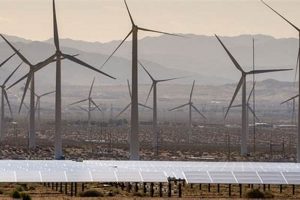
Advancements in photovoltaic technology, wind turbine design, and geothermal energy extraction have significantly reduced the cost and improved the efficiency of renewable energy sources. Real-world examples include the increasing deployment of large-scale solar farms and offshore wind farms. These innovations contribute to a shift away from fossil fuels, reducing greenhouse gas emissions and promoting energy independence.
- Energy Storage Solutions
The intermittent nature of renewable energy sources necessitates efficient and cost-effective energy storage solutions. Battery technology, pumped hydro storage, and thermal storage are undergoing rapid development. Examples include the use of lithium-ion batteries in electric vehicles and grid-scale energy storage systems. These advancements are essential for integrating renewable energy into the power grid reliably and efficiently.
- Smart Grid Technologies
Smart grids leverage digital technologies to optimize energy distribution, monitor consumption patterns, and enhance grid stability. Real-world applications include advanced metering infrastructure (AMI) and demand-side management programs. These innovations improve grid efficiency, reduce energy waste, and facilitate the integration of distributed energy resources, such as rooftop solar panels.
- Energy Efficiency Improvements
Technological advancements contribute to increased energy efficiency across various sectors, from building design and construction to industrial processes and transportation. Examples include the development of high-efficiency lighting systems, smart thermostats, and more fuel-efficient vehicles. These improvements reduce energy consumption, lower operational costs, and minimize environmental impact.
These facets of technological innovation are interconnected and collectively contribute to the ongoing transformation of the energy landscape. The continued development and deployment of these technologies are crucial for achieving a sustainable, secure, and affordable energy future. This progress requires ongoing research, investment, and policy support to overcome technical challenges, reduce costs, and promote widespread adoption.
3. Resource Optimization

Resource optimization plays a critical role in the efficient and sustainable utilization of energy. Technological advancements provide the tools and strategies for maximizing the output from available resources while minimizing waste and environmental impact. This optimization is crucial for addressing the growing global energy demand and ensuring long-term resource security.
- Smart Grid Management
Smart grids utilize digital technologies to optimize energy distribution, balancing supply and demand in real-time. This includes integrating renewable energy sources, managing peak loads, and reducing transmission losses. Examples include using advanced metering infrastructure to monitor energy consumption and employing demand-response programs to incentivize energy conservation during peak hours. These strategies improve grid efficiency and reliability while reducing the need for additional power plants.
- Energy Storage Systems
Efficient energy storage is essential for maximizing the utilization of intermittent renewable energy sources. Advanced battery technologies, pumped hydro storage, and thermal storage systems enable the capture and storage of excess energy generated during periods of high renewable energy production. This stored energy can then be dispatched to the grid during periods of low renewable generation or high demand. This optimization reduces reliance on fossil fuel-based peaking power plants and enhances grid stability.
- Building Energy Management Systems (BEMS)
BEMS employ intelligent control systems to optimize energy consumption within buildings. These systems monitor and control various building functions, including heating, cooling, lighting, and ventilation. Real-world examples include using sensors to detect occupancy and adjust lighting and temperature accordingly, optimizing HVAC system schedules based on weather forecasts, and implementing energy-efficient building designs. These technologies reduce energy waste and lower operating costs.
- Industrial Process Optimization
Technological advancements enable industries to optimize energy consumption throughout their production processes. This includes implementing energy-efficient equipment, optimizing process parameters, and recovering waste heat. Examples include utilizing variable speed drives for motors, implementing heat recovery systems in industrial processes, and adopting digital twin technologies for process simulation and optimization. These strategies reduce energy intensity, lower production costs, and minimize environmental impact.
These facets of resource optimization demonstrate the crucial role technology plays in maximizing the value extracted from available energy resources. By minimizing waste and improving efficiency, these technologies contribute to a more sustainable and secure energy future. This interconnectedness highlights the importance of a holistic approach to energy management, encompassing both supply-side and demand-side optimization strategies. Further research and development in these areas are essential for unlocking the full potential of resource optimization and achieving a truly sustainable energy system.
4. Infrastructure Development

Infrastructure development is intrinsically linked to advancements in energy and technology. Modern energy systems require robust and adaptable infrastructure to support the generation, transmission, distribution, and utilization of energy. This infrastructure must accommodate evolving technologies, increasing energy demands, and the integration of renewable energy sources. The development and modernization of energy infrastructure are therefore crucial for ensuring a reliable, efficient, and sustainable energy future.
- Grid Modernization
Modernizing existing power grids is essential for accommodating the increasing penetration of renewable energy sources and distributed generation. This includes upgrading transmission lines, implementing smart grid technologies, and enhancing grid flexibility and resilience. Examples include the development of high-voltage direct current (HVDC) transmission lines for long-distance power transmission and the deployment of advanced grid management systems for real-time monitoring and control. These upgrades are crucial for integrating renewable energy sources seamlessly and ensuring grid stability.
- Charging Infrastructure for Electric Vehicles
The widespread adoption of electric vehicles (EVs) necessitates the development of a robust charging infrastructure. This includes deploying public charging stations, developing charging technologies for homes and businesses, and integrating EV charging into smart grid systems. Real-world examples include the installation of fast-charging stations along highways and in urban areas and the development of smart charging algorithms to optimize charging schedules and minimize grid impact. This infrastructure development is crucial for supporting the growth of the EV market and reducing transportation emissions.
- Pipeline Infrastructure for Renewable Fuels
As the production of renewable fuels, such as hydrogen and biofuels, increases, dedicated pipeline infrastructure is necessary for efficient and cost-effective transportation. This includes developing new pipelines and adapting existing pipelines for renewable fuel compatibility. Examples include the development of hydrogen pipeline networks and the repurposing of natural gas pipelines for transporting biogas or hydrogen blends. This infrastructure supports the integration of renewable fuels into the energy mix and reduces reliance on fossil fuels.
- Energy Storage Infrastructure
The deployment of large-scale energy storage systems is essential for addressing the intermittency of renewable energy sources and ensuring grid stability. This includes developing infrastructure for pumped hydro storage, battery storage, and thermal storage systems. Examples include the construction of new pumped hydro facilities and the deployment of grid-scale battery storage systems co-located with renewable energy projects. This infrastructure enables greater utilization of renewable energy and enhances grid reliability.
These facets of infrastructure development are interconnected and essential for the continued advancement and integration of energy technologies. Investment in these areas is crucial for creating a more sustainable, resilient, and efficient energy system. The ongoing development and modernization of energy infrastructure will play a critical role in shaping the future energy landscape and enabling the transition to a cleaner energy future.
5. Environmental Impact
The environmental impact of energy production and consumption is significantly influenced by technological advancements. Historically, energy generation has been a major source of pollution and environmental degradation. The burning of fossil fuels, for example, releases greenhouse gases, contributing to climate change, and also produces air and water pollutants with detrimental effects on human health and ecosystems. Technological innovation offers pathways to mitigate these impacts and transition towards a more sustainable energy future.
Renewable energy technologies, such as solar, wind, and geothermal, offer cleaner alternatives to fossil fuels, significantly reducing greenhouse gas emissions and minimizing air and water pollution. Furthermore, advancements in energy efficiency technologies, such as smart grids, building energy management systems, and more fuel-efficient vehicles, reduce overall energy consumption, thus lessening the environmental burden. The development and deployment of carbon capture and storage technologies offer the potential to mitigate emissions from fossil fuel power plants, although their widespread adoption faces technical and economic challenges. For example, the increasing use of electric vehicles powered by renewable energy sources reduces urban air pollution and greenhouse gas emissions compared to gasoline-powered vehicles. Similarly, the implementation of energy-efficient building designs and technologies minimizes energy consumption and reduces the environmental footprint of buildings.
Understanding the complex relationship between energy, technology, and environmental impact is crucial for informed decision-making and policy development. Addressing the environmental challenges associated with energy production and consumption requires a multifaceted approach that encompasses technological innovation, policy interventions, and behavioral changes. While technological advancements offer promising solutions, their effectiveness depends on factors such as policy support, economic incentives, and public acceptance. The transition to a sustainable energy future requires a concerted effort from all stakeholders to minimize environmental impacts and ensure a healthy planet for future generations. Continued research, development, and deployment of clean energy technologies, coupled with effective policy frameworks, are essential for achieving this goal.
6. Sustainable Solutions

Sustainable solutions represent a critical intersection of energy and technology, focusing on meeting current energy needs without compromising the ability of future generations to meet their own. These solutions prioritize environmentally responsible practices, resource efficiency, and long-term energy security. Technological innovation plays a crucial role in developing and implementing these solutions, driving the transition towards a more sustainable energy future.
- Renewable Energy Integration
Integrating renewable energy sources, such as solar, wind, hydro, and geothermal, into the energy mix is a cornerstone of sustainable solutions. This involves developing efficient and cost-effective technologies for harnessing these resources, as well as modernizing grid infrastructure to accommodate their intermittent nature. Real-world examples include the increasing deployment of large-scale solar and wind farms, the development of smart grids to manage distributed generation, and the integration of energy storage solutions to ensure grid stability. These efforts reduce reliance on fossil fuels, mitigate greenhouse gas emissions, and promote energy independence.
- Energy Efficiency Enhancements
Improving energy efficiency across all sectors, from buildings and transportation to industry and agriculture, is crucial for reducing overall energy consumption and minimizing environmental impact. Technological advancements in areas such as building design, insulation materials, lighting systems, and industrial processes contribute significantly to these enhancements. Examples include the adoption of green building standards, the development of high-efficiency appliances and lighting, and the implementation of energy management systems in industrial facilities. These improvements reduce energy waste, lower operating costs, and contribute to a more sustainable energy footprint.
- Circular Economy Principles
Applying circular economy principles to the energy sector involves minimizing waste and maximizing the reuse and recycling of materials throughout the energy lifecycle. This includes designing products for durability and recyclability, developing technologies for recovering valuable materials from spent batteries and solar panels, and promoting the reuse of components in energy systems. Examples include the development of battery recycling technologies, the repurposing of retired wind turbine blades, and the design of modular solar panels for easier repair and upgrade. These practices reduce the environmental impact of energy production and consumption, conserve valuable resources, and promote a more sustainable approach to resource management.
- Sustainable Transportation Systems
Transitioning to sustainable transportation systems is essential for reducing greenhouse gas emissions and improving air quality. This involves promoting the adoption of electric vehicles, developing alternative fuels such as hydrogen and biofuels, and investing in public transportation and active mobility infrastructure. Real-world examples include the increasing availability of electric vehicles, the development of hydrogen fueling stations, and the expansion of public transit networks. These initiatives reduce reliance on fossil fuels, improve urban air quality, and contribute to a more sustainable transportation sector.
These interconnected facets of sustainable solutions demonstrate the crucial role of technology in achieving a more environmentally responsible and resource-efficient energy future. The continued development and implementation of these solutions require ongoing research, investment, and policy support. By embracing these advancements, societies can transition towards a sustainable energy system that balances economic growth, environmental protection, and long-term energy security.
Frequently Asked Questions
This section addresses common inquiries regarding the interplay between energy and technology, aiming to provide clear and concise information.
Question 1: How does technology influence the efficiency of energy production?
Technological advancements directly impact the efficiency of energy production. For instance, advancements in turbine design increase the energy captured from wind and water resources. Similarly, improvements in photovoltaic cell technology enhance the conversion of sunlight into electricity. These advancements minimize energy losses during generation, maximizing the output from available resources.
Question 2: What role does technology play in the development of renewable energy sources?
Technology is fundamental to the development and deployment of renewable energy sources. Advancements in materials science, manufacturing processes, and power electronics have significantly reduced the cost and improved the performance of solar panels, wind turbines, and other renewable energy technologies. Further innovation in areas such as energy storage and smart grids is crucial for the widespread integration of these sources into the energy system.
Question 3: How can technology contribute to reducing energy consumption?
Technology offers numerous avenues for reducing energy consumption. Smart home technologies, for example, allow for automated control of lighting, heating, and cooling systems, optimizing energy use based on occupancy and real-time conditions. Similarly, advancements in building design and insulation materials minimize energy loss and reduce heating and cooling demands. In the industrial sector, process optimization and energy-efficient equipment contribute to significant reductions in energy use.
Question 4: What are the key technological challenges in developing sustainable energy systems?
Developing truly sustainable energy systems faces several technological hurdles. Improving the efficiency and affordability of energy storage solutions is crucial for addressing the intermittency of renewable energy sources. Developing cost-effective and scalable carbon capture and storage technologies is essential for mitigating emissions from fossil fuel power plants. Further research and development are also needed to advance next-generation renewable energy technologies, such as advanced biofuels, geothermal energy, and wave energy.
Question 5: How does technology impact the environmental footprint of energy production?
Technological advancements have a profound impact on the environmental footprint of energy production. The transition from fossil fuels to renewable energy sources significantly reduces greenhouse gas emissions and minimizes air and water pollution. Furthermore, improvements in energy efficiency reduce overall energy consumption, further lessening environmental impacts. Life-cycle assessments of energy technologies provide valuable insights into their overall environmental performance, guiding the development and deployment of more sustainable solutions.
Question 6: What is the role of policy in supporting the development and deployment of clean energy technologies?
Supportive policies are essential for accelerating the development and deployment of clean energy technologies. Government incentives, such as tax credits and subsidies, can make renewable energy more cost-competitive with fossil fuels. Regulations, such as renewable portfolio standards and carbon pricing mechanisms, create market demand for clean energy and drive investment in these technologies. Furthermore, government funding for research and development supports innovation and helps bring new clean energy technologies to market.
Technological advancements are pivotal for addressing global energy challenges and creating a more sustainable energy future. Continued innovation, coupled with supportive policies and informed decision-making, is crucial for realizing the full potential of these advancements.
The subsequent sections will delve into specific examples of innovative energy technologies and their applications in various sectors.
Conclusion
The symbiotic relationship between energy and technology has been thoroughly explored, highlighting the critical role technological advancements play in shaping the energy landscape. From revolutionizing energy generation and optimizing resource utilization to mitigating environmental impact and driving sustainable solutions, technological innovation remains paramount. The examination of infrastructure development underscores the necessity of robust and adaptable systems to support the evolving energy sector. Key technological challenges, such as improving energy storage and developing cost-effective carbon capture methods, have been identified as crucial areas for future research and development.
The transition to a sustainable and secure energy future hinges on continued investment in research and development, coupled with supportive policies that incentivize innovation and adoption of clean energy technologies. The complexities and interconnectedness of energy and technology necessitate a holistic and collaborative approach, engaging stakeholders across various sectors to address the global energy challenge and ensure a resilient and environmentally responsible energy future for generations to come.