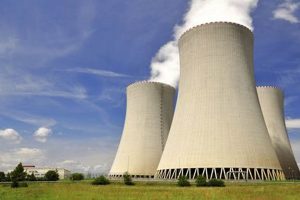
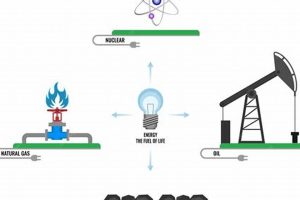
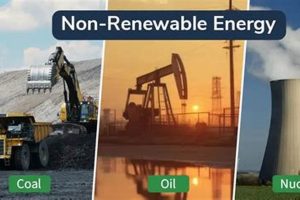
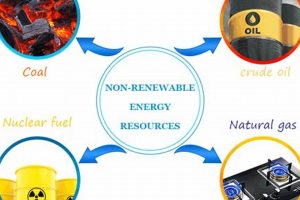
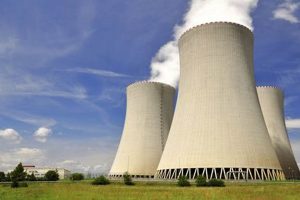
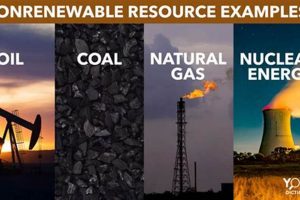
Energy sources are broadly categorized into two fundamental types: those that replenish naturally over relatively short periods and those that exist in finite quantities. The former, derived from sources like sunlight, wind, water, and geothermal heat, offer a continuous supply. The latter, encompassing fossil fuels (coal, oil, and natural gas) and nuclear energy, are extracted from the Earth and are not readily replaced. For instance, solar panels convert sunlight into electricity, a replenishable resource, while coal-fired power plants consume a finite fuel source.
The distinction between these energy types carries significant weight in the context of global sustainability and climate change. Finite resources are not only subject to depletion but also contribute to greenhouse gas emissions, a major driver of climate change. Transitioning towards sustainable energy systems is vital for mitigating these effects and ensuring long-term energy security. Historically, societal development has been heavily reliant on finite resources, but growing awareness of their environmental impact has spurred increasing investment and innovation in sustainable alternatives.
This article will further explore the specific advantages and disadvantages of various sustainable and finite energy sources, analyze their economic viability, and discuss the challenges and opportunities associated with a global shift towards sustainable energy infrastructure.
Informed decision-making regarding energy consumption requires understanding the distinctions between sustainable and finite resources. The following tips offer guidance for individuals and organizations seeking to contribute to a more sustainable energy future.
Tip 1: Understand Your Energy Footprint: Evaluate current energy consumption patterns at home and in the workplace. Analyze energy bills to identify areas for potential reduction and improved efficiency.
Tip 2: Invest in Energy-Efficient Appliances: Prioritize appliances with high energy efficiency ratings. Look for labels indicating energy savings and reduced consumption.
Tip 3: Explore Sustainable Energy Options for Homes and Businesses: Research the feasibility of installing solar panels, wind turbines, or geothermal systems. Assess local regulations and incentives that may support these initiatives.
Tip 4: Support Policies that Promote Sustainable Energy Development: Advocate for legislation and regulations that encourage the development and adoption of sustainable energy technologies.
Tip 5: Reduce, Reuse, and Recycle: Minimizing overall consumption reduces the demand for energy-intensive manufacturing processes. Prioritizing reuse and recycling extends the lifespan of products and minimizes waste.
Tip 6: Choose Sustainable Transportation Options: Opt for public transport, cycling, walking, or electric vehicles whenever possible. Reduce reliance on vehicles powered by finite fuel sources.
Tip 7: Educate and Engage: Share knowledge about sustainable energy practices with family, friends, and colleagues. Promote informed discussions about the importance of transitioning towards a sustainable energy future.
By adopting these strategies, individuals and organizations can contribute to a significant reduction in reliance on finite energy sources, mitigate the impacts of climate change, and foster a more sustainable energy future.
The transition towards a sustainable energy future requires a collective effort. Understanding the benefits and actively participating in these changes are essential steps toward global energy security and environmental sustainability.
1. Source Replenishment

Source replenishment is the defining characteristic distinguishing renewable and non-renewable energy sources. This concept centers on the rate at which an energy source is naturally replenished, determining its long-term viability and environmental impact. Understanding replenishment rates is crucial for evaluating the sustainability of different energy sources.
- Renewable Resources
Renewable resources are naturally replenished at a rate equal to or faster than their consumption. Solar energy, derived from sunlight, is a prime example. Sunlight is a virtually inexhaustible resource on a human timescale. Similarly, wind energy, generated by air currents driven by solar radiation and the Earth’s rotation, is constantly replenished. These resources offer a sustainable alternative to finite resources, reducing dependence on depletable energy sources.
- Non-Renewable Resources
Non-renewable resources, such as fossil fuels (coal, oil, and natural gas), are formed over geological timescales, far exceeding human consumption rates. Their replenishment is negligible within practical timeframes, effectively rendering them finite. Continued reliance on these resources leads to depletion and necessitates exploration of alternative energy sources for long-term energy security.
- Replenishment Rates and Environmental Impact
Replenishment rates are directly linked to environmental impact. Burning fossil fuels releases greenhouse gases, contributing to climate change. In contrast, renewable resources have significantly lower environmental impacts. While some renewable energy technologies require land use and resource extraction for manufacturing, their operational emissions are minimal, promoting a cleaner and more sustainable environment.
- Energy Security and Replenishment
Replenishment is a key factor in energy security. Dependence on finite resources creates vulnerability to price fluctuations and geopolitical instability. Renewable resources, being readily available and domestically sourced in many cases, enhance energy independence and security, fostering stable and sustainable energy systems.
The rate of source replenishment fundamentally shapes the long-term viability and sustainability of energy systems. Transitioning from finite, non-renewable resources to renewable alternatives is essential for mitigating environmental impact and ensuring future energy security. This shift requires ongoing investment in renewable energy technologies, infrastructure development, and policy frameworks that support sustainable energy practices.
2. Environmental Impact

Environmental impact assessments serve as a crucial differentiator between renewable and non-renewable energy sources. Evaluating the lifecycle environmental consequencesfrom resource extraction and processing to energy generation and waste disposalis fundamental for informed decision-making and sustainable energy development. This analysis encompasses factors like greenhouse gas emissions, land use changes, water consumption, and ecosystem disruption.
- Greenhouse Gas Emissions
A primary environmental concern associated with energy production is the emission of greenhouse gases, contributing to climate change. Fossil fuel combustion releases significant quantities of carbon dioxide, methane, and nitrous oxide, trapping heat in the atmosphere. Renewable energy sources, conversely, produce minimal greenhouse gases during operation. While manufacturing renewable energy technologies requires some energy and resource input, their lifecycle emissions are substantially lower, mitigating climate change impacts.
- Land Use and Habitat Disruption
Energy production often necessitates land use for infrastructure development, potentially disrupting natural habitats. Fossil fuel extraction, particularly mining and drilling, can lead to deforestation, soil erosion, and water contamination. Large-scale solar and wind farms also require substantial land areas, though often with less intensive and disruptive land transformation compared to fossil fuel extraction. Rooftop solar installations minimize land use impacts by utilizing existing infrastructure.
- Water Consumption
Water is a critical resource in many energy production processes. Fossil fuel extraction and processing, as well as some forms of renewable energy generation like hydroelectric dams and concentrated solar power plants, require significant water resources. This can strain water supplies in water-stressed regions. Other renewable sources, such as wind and photovoltaic solar, have minimal water requirements during operation, reducing pressure on water resources.
- Air and Water Pollution
Fossil fuel combustion releases air pollutants, including sulfur dioxide, nitrogen oxides, and particulate matter, contributing to respiratory problems and other health issues. Coal-fired power plants are a significant source of air pollution. Nuclear power, while not emitting greenhouse gases during operation, generates radioactive waste requiring long-term storage and management. Renewable energy sources generally produce minimal air pollution, contributing to cleaner air quality.
The comparative environmental impacts of renewable and non-renewable energy sources are a critical factor in energy policy and investment decisions. Shifting towards renewable energy is essential for mitigating the environmental consequences of energy production, promoting sustainable development, and preserving ecosystems for future generations. Life cycle assessments provide a comprehensive framework for evaluating these impacts and guiding the transition to a cleaner energy future.
3. Energy Security

Energy security is intrinsically linked to the choice between renewable and non-renewable energy sources. It encompasses the reliable availability of energy resources at affordable prices, free from undue external influence. This reliability is a critical component of national security, economic stability, and social well-being. The dependence on finite, geographically concentrated non-renewable resources, such as oil and natural gas, creates vulnerabilities to supply disruptions, price volatility, and geopolitical tensions. The 1973 oil crisis, triggered by an embargo by oil-producing nations, exemplifies the disruptive potential of reliance on such resources. It led to widespread economic hardship and highlighted the fragility of energy systems dependent on external sources.
Renewable energy sources offer a pathway to enhanced energy security. Their distributed nature reduces vulnerability to single points of failure. Solar and wind resources, for instance, are available across vast geographical areas, minimizing the risk of supply disruptions caused by localized events or geopolitical instability. Furthermore, reliance on domestically sourced renewable energy reduces dependence on imported fossil fuels, bolstering national energy independence. Denmark’s significant investment in wind power, for example, has transformed its energy landscape, reducing its reliance on imported fossil fuels and enhancing its energy security.
The transition to renewable energy is not without its challenges. Intermittency of sources like solar and wind requires investment in energy storage solutions and grid modernization. However, advancements in battery technology and smart grid systems are steadily addressing these challenges. Ultimately, prioritizing renewable energy strengthens energy security, mitigates the risks associated with finite resource depletion and geopolitical instability, and fosters a more sustainable and resilient energy future. Diversification of energy sources, coupled with strategic investments in renewable energy technologies and infrastructure, is essential for achieving long-term energy security and fostering sustainable economic growth.
4. Economic Implications

The economic implications of choosing between renewable and non-renewable energy sources are substantial and multifaceted, impacting job creation, investment opportunities, energy prices, and overall economic growth. Analyzing these implications is crucial for policymakers, businesses, and individuals making decisions about energy production and consumption. The transition from a predominantly fossil fuel-based economy to one powered by renewable energy presents both challenges and opportunities for economic transformation.
- Job Creation
Renewable energy industries, including solar, wind, and geothermal, are significant job creators. Manufacturing, installation, maintenance, and research within these sectors generate employment opportunities. The solar industry, for example, employs a substantial workforce in manufacturing panels, installing systems, and providing maintenance services. While the fossil fuel industry also provides jobs, the growth potential in renewable energy sectors is considerably higher, offering a pathway to a more sustainable and robust economy.
- Investment Opportunities
The transition to renewable energy attracts significant investment in research, development, and deployment of new technologies. Governments, businesses, and individuals are investing in renewable energy projects, creating economic activity and driving innovation. The development of large-scale solar farms, for instance, requires substantial investment, creating economic opportunities in rural areas and contributing to local economic development.
- Energy Price Volatility
Renewable energy sources, once established, offer greater price stability compared to fossil fuels, which are subject to global market fluctuations and geopolitical events. The cost of solar and wind energy has decreased significantly in recent years, making them increasingly competitive with fossil fuels. This price stability benefits consumers and businesses, providing greater predictability and reducing economic vulnerability to price shocks.
- Economic Growth and Development
Investments in renewable energy can stimulate economic growth and development, particularly in developing countries. Renewable energy projects can create jobs, improve energy access in remote areas, and reduce reliance on imported fossil fuels, freeing up capital for other development priorities. Off-grid solar solutions, for example, can bring electricity to communities lacking grid access, empowering businesses and improving quality of life.
The economic implications of the transition to renewable energy are complex and far-reaching. While challenges exist in terms of upfront investment costs and infrastructure development, the long-term economic benefits of renewable energy, including job creation, investment opportunities, price stability, and sustainable economic growth, outweigh the initial costs. A strategic and well-managed transition to a renewable energy-based economy is essential for long-term economic prosperity and environmental sustainability. This requires policy support, technological innovation, and public awareness to ensure a smooth and equitable transition that benefits all stakeholders.
5. Technological Advancement
Technological advancement plays a pivotal role in the ongoing evolution of both renewable and non-renewable energy sectors. Advancements influence efficiency, cost-effectiveness, and environmental impact, shaping the energy landscape and driving the transition towards more sustainable energy systems. Understanding the interplay between technology and energy is crucial for informed decision-making and effective policy implementation.
In the renewable energy sector, technological advancements have significantly reduced the cost of solar photovoltaic panels and wind turbines, making them increasingly competitive with fossil fuels. Improved battery storage technologies address the intermittency challenges associated with renewable sources, enhancing their reliability and grid integration. Smart grid technologies optimize energy distribution, reducing waste and improving grid stability. For example, advancements in materials science have led to the development of more efficient and durable solar cells, increasing energy conversion rates and extending the lifespan of solar panels. Similarly, innovations in wind turbine design, such as larger rotor diameters and improved blade aerodynamics, have increased energy capture efficiency and reduced the cost of wind power.
Technological advancements also impact the non-renewable energy sector. Hydraulic fracturing (fracking) has enabled access to previously inaccessible reserves of natural gas, increasing supply and lowering prices. Advanced drilling techniques and enhanced oil recovery methods have improved the efficiency of fossil fuel extraction. However, these advancements also raise environmental concerns related to water contamination, induced seismicity, and greenhouse gas emissions. Furthermore, continued reliance on fossil fuels, even with technological improvements, ultimately contributes to climate change and resource depletion. Therefore, while technological advancements enhance the efficiency of non-renewable energy extraction, they do not address the fundamental sustainability challenges associated with finite resources.
The interplay between technological advancement and the energy sector is a dynamic and complex process. While technology continues to improve the efficiency and affordability of both renewable and non-renewable energy sources, the long-term sustainability of energy systems hinges on prioritizing and accelerating the development and deployment of renewable energy technologies. Continued investment in research and development, coupled with supportive policies and market mechanisms, is essential for driving innovation and accelerating the transition towards a cleaner, more secure, and sustainable energy future. The future of energy depends on harnessing technological advancements to unlock the full potential of renewable resources and mitigate the environmental impacts of energy production and consumption.
Frequently Asked Questions
This section addresses common inquiries regarding sustainable and finite energy sources, aiming to provide clear and concise information for informed decision-making.
Question 1: What is the primary difference between sustainable and finite energy sources?
The core distinction lies in replenishment rates. Sustainable sources replenish naturally over relatively short periods, while finite sources exist in limited quantities and are depleted with use.
Question 2: Why is the transition to sustainable energy considered important?
This transition is crucial for mitigating climate change, driven by greenhouse gas emissions from finite resource combustion. Sustainable sources offer a cleaner alternative, reducing environmental impact and promoting long-term energy security.
Question 3: Are sustainable energy sources reliable enough to meet global energy demands?
Technological advancements, such as improved energy storage solutions and smart grids, are enhancing the reliability and consistency of sustainable energy sources. Continued innovation is key to meeting future energy demands reliably.
Question 4: What are the main economic benefits of transitioning to sustainable energy?
Economic benefits include job creation in renewable energy sectors, investment opportunities in new technologies, reduced energy price volatility, and enhanced energy independence, promoting economic growth and stability.
Question 5: What are the primary challenges associated with adopting sustainable energy technologies?
Challenges include upfront investment costs, intermittency of some sources (like solar and wind), infrastructure development needs, and the integration of these technologies into existing energy systems.
Question 6: How can individuals contribute to the transition towards sustainable energy?
Individuals can contribute by reducing energy consumption, investing in energy-efficient appliances, exploring residential sustainable energy options, supporting policies that promote sustainable energy, and advocating for greater awareness and adoption.
Transitioning to sustainable energy is a complex but essential undertaking for global well-being and environmental sustainability. Continued research, technological advancements, policy support, and individual actions are crucial for realizing the full potential of sustainable energy sources and mitigating the risks associated with finite resource depletion.
For further information, consult resources from reputable scientific organizations and governmental agencies specializing in energy policy and environmental sustainability.
Renewable Energy vs. Non-Renewable Energy
This exploration of renewable and non-renewable energy sources has highlighted the critical distinctions between these two fundamental categories. The finite nature of fossil fuels and their associated environmental impacts, including greenhouse gas emissions and land degradation, underscore the urgent need for a global transition towards sustainable alternatives. Renewable energy sources, while presenting integration and infrastructure challenges, offer a pathway to greater energy security, reduced environmental impact, and long-term economic stability. The comparative analysis of resource replenishment, environmental consequences, energy security implications, economic factors, and technological advancements underscores the advantages of prioritizing renewable energy development and adoption.
The choice between renewable and non-renewable energy is not merely a technological or economic decision; it is a defining choice for the future of the planet. Continued reliance on finite resources presents significant risks to global ecosystems and long-term sustainability. Embracing the transition to renewable energy, while requiring concerted global effort and investment, offers a path towards a more secure, sustainable, and prosperous future. The time for decisive action is now, as the consequences of inaction carry profound implications for generations to come.