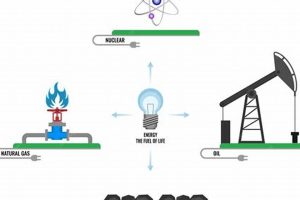
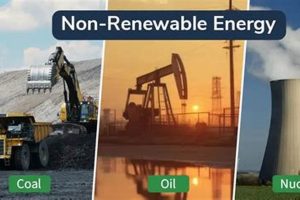
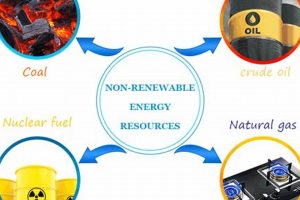
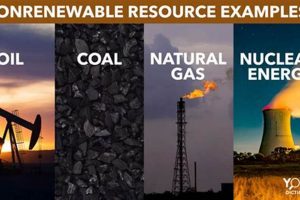
Fossil fuelscoal, oil, and natural gasalong with nuclear energy, represent dominant sources of power worldwide. These resources are finite, formed over geological timescales, and cannot be replenished at a rate that keeps pace with consumption. Coal is a solid fuel formed from ancient plant matter. Oil and natural gas, often found together, are derived from decomposed organic materials. Nuclear energy relies on the controlled fission of uranium atoms.
These energy sources have underpinned industrialization and societal development for centuries, providing reliable, high-density energy that fuels transportation, manufacturing, and electricity generation. The relative abundance and established infrastructure surrounding these energy sources have historically made them cost-effective options. However, their extraction and use contribute significantly to greenhouse gas emissions and pose environmental challenges, including habitat destruction and pollution.
This discussion will delve further into each of these four energy sources, exploring their distinct formation processes, extraction methods, specific applications, and environmental impacts. Understanding the nuances of each will be crucial for navigating the ongoing energy transition.
Practical Considerations Related to Non-Renewable Energy Sources
While non-renewable energy sources offer established infrastructure and reliable energy output, careful consideration of their limitations and associated impacts is essential.
Tip 1: Diversification of Energy Portfolios: Over-reliance on any single energy source creates vulnerability to price fluctuations and supply disruptions. Diversifying energy portfolios with renewable sources enhances energy security.
Tip 2: Strategic Resource Management: Given the finite nature of these resources, optimizing extraction and consumption patterns is critical. Implementing efficiency measures reduces waste and extends the lifespan of reserves.
Tip 3: Environmental Impact Mitigation: Mitigating the environmental consequences of non-renewable energy use is paramount. This includes investing in technologies that reduce emissions, responsibly managing waste products, and reclaiming impacted landscapes.
Tip 4: Investment in Research and Development: Continuous research into cleaner extraction techniques and carbon capture technologies can help minimize the negative impacts associated with non-renewable energy sources while bridging the gap to a sustainable energy future.
Tip 5: Understanding the Geopolitics of Energy: The distribution of non-renewable resources is uneven across the globe, creating complex geopolitical dynamics. Recognizing these complexities is crucial for informed policymaking.
Adopting these strategies will facilitate a more responsible and sustainable approach to utilizing non-renewable resources while transitioning to a cleaner energy future. These considerations highlight the interconnectedness of energy security, environmental stewardship, and economic stability.
Ultimately, informed decision-making and proactive measures are vital for navigating the complexities of the global energy landscape.
1. Fossil Fuels (Coal, Oil, Natural Gas)

Fossil fuelscoal, oil, and natural gasconstitute three of the four primary non-renewable energy sources. Their classification as “non-renewable” stems from the geological timescales required for their formation, rendering their replenishment rate negligible compared to current consumption rates. These fuels originate from the decomposition of organic matter subjected to immense pressure and heat over millions of years. Coal derives from ancient plant matter, while oil and natural gas typically form from marine organisms. This shared origin contributes to their categorization as fossil fuels. Their combustion releases energy, primarily in the form of heat, driving various industrial processes and electricity generation. For instance, coal-fired power plants remain a significant electricity source globally, while oil fuels transportation sectors and serves as a raw material for plastics and other petrochemicals. Natural gas, often extracted alongside oil, provides heating and fuels industrial processes. The prevalence of these fuels in global energy systems underscores their significance within the broader context of non-renewable energy sources.
The dominance of fossil fuels presents both opportunities and challenges. Their established infrastructure and relatively low cost have historically facilitated widespread accessibility. However, their combustion releases greenhouse gases, contributing significantly to climate change. Furthermore, extraction processes can disrupt ecosystems, leading to habitat loss and pollution. The finite nature of these resources also necessitates strategic resource management and the exploration of alternative energy sources. For example, the transition to electric vehicles powered by renewable energy sources offers a pathway to reduce reliance on oil for transportation. Similarly, advancements in carbon capture and storage technologies seek to mitigate the environmental impact of fossil fuel combustion. Understanding the role of fossil fuels within the broader category of non-renewable energy is crucial for navigating the complex transition to a sustainable energy future.
In summary, fossil fuels represent a significant component of the non-renewable energy landscape. While their historical contribution to industrial development is undeniable, their environmental impact and finite nature necessitate a shift towards more sustainable alternatives. Balancing the remaining reserves of these fuels with the urgent need for decarbonization presents a complex challenge for energy policy and technological innovation worldwide.
2. Nuclear Energy (Uranium)

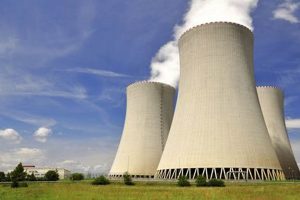
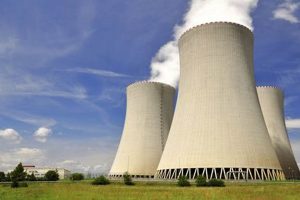
Nuclear energy, derived from uranium, constitutes the fourth primary non-renewable energy source alongside fossil fuels. Unlike fossil fuels, which release energy through chemical combustion, nuclear energy harnesses the energy released from nuclear fission. Specifically, the fission of uranium-235 isotopes, a process where the nucleus of an atom splits into smaller parts, releasing tremendous energy in the form of heat. This heat then generates steam, which drives turbines to produce electricity. Nuclear power plants thus represent a significant source of electricity generation in several regions globally, offering an alternative to fossil fuel-based power plants. For example, France relies heavily on nuclear energy for its electricity needs, reducing its dependence on fossil fuels and consequently its carbon emissions compared to other industrialized nations. This distinction in energy generation mechanism differentiates nuclear energy from the other three non-renewable resources while still sharing the finite nature characteristic of this energy category.
The use of uranium as a fuel source presents distinct advantages and disadvantages. Uranium possesses a high energy density, meaning a relatively small amount of uranium can generate a large amount of electricity. This makes it a powerful and efficient energy source. Furthermore, nuclear power plants, unlike fossil fuel power plants, do not directly emit greenhouse gases during operation, contributing less to atmospheric pollution. However, the process generates radioactive waste, posing significant challenges for long-term storage and disposal. The safety of nuclear power plants is also a crucial concern, as accidents like Chernobyl and Fukushima highlight the potential for catastrophic consequences. Furthermore, the process of uranium mining and enrichment can have environmental impacts, including land degradation and water contamination. Therefore, while nuclear energy offers a low-carbon alternative to fossil fuels, careful consideration of waste management and safety protocols is paramount for responsible utilization.
In summary, nuclear energy’s role as a non-renewable resource is multifaceted. Its inclusion in the quartet of primary non-renewable sources stems from the finite nature of uranium reserves. While offering a powerful and relatively low-carbon energy source, the challenges associated with waste disposal and safety necessitate rigorous oversight and ongoing technological advancements. Understanding these complexities allows for a more informed assessment of nuclear energy’s place within the broader energy landscape and its potential contributions to future energy strategies.
3. Finite Resources

The defining characteristic of non-renewable energy sources lies in their finite nature. Coal, oil, natural gas, and uranium exist in limited quantities within the Earth’s crust. Their formation occurs over geological timescales, rendering their replenishment rate insignificant compared to current consumption patterns. This inherent limitation necessitates careful consideration of resource management, extraction practices, and the long-term implications of dependence on these energy sources.
- Resource Depletion:
Continuous extraction diminishes available reserves, leading to eventual depletion. The rate of depletion is influenced by factors such as consumption patterns, technological advancements in extraction techniques, and the discovery of new reserves. As readily accessible reserves decline, extraction becomes more challenging and costly, potentially leading to price volatility and supply disruptions. This inherent challenge underscores the finite nature of these resources.
- Geological Distribution:
The uneven distribution of these resources across the globe creates geopolitical complexities. Regions with abundant reserves often wield significant economic and political influence. Conversely, regions lacking these resources may face energy security challenges and economic dependence. This uneven distribution influences international relations and energy trade dynamics.
- Extraction Impacts:
Extracting non-renewable resources carries environmental consequences. Coal mining can lead to habitat destruction and land degradation. Oil and gas extraction can pose risks of spills and groundwater contamination. Uranium mining generates radioactive waste. These environmental impacts necessitate careful planning, mitigation strategies, and responsible waste management practices.
- Future Energy Security:
The finite nature of these resources raises concerns about long-term energy security. As reserves dwindle, nations reliant on these sources must explore alternative energy options to maintain energy independence and economic stability. This necessitates investments in renewable energy technologies, energy efficiency measures, and diversification of energy portfolios.
The finite nature of these four energy sources underscores the imperative for a transition to sustainable energy alternatives. While these non-renewable resources have played a crucial role in industrial development, their limitations necessitate a shift towards renewable energy sources, energy efficiency improvements, and responsible resource management. Recognizing the finite nature of these resources is fundamental for developing sustainable energy strategies for the future.
4. Environmental Impact
Non-renewable energy sources exert significant environmental impacts throughout their lifecycle, from extraction to utilization and waste disposal. Combustion of fossil fuels (coal, oil, and natural gas) releases greenhouse gases, primarily carbon dioxide, contributing to climate change. These emissions drive global warming, leading to rising sea levels, extreme weather events, and disruptions to ecosystems. Furthermore, the extraction processes for these fuels can cause habitat destruction, land degradation, and water pollution. Oil spills, for instance, pose severe threats to marine life and coastal ecosystems. Coal mining can lead to deforestation, soil erosion, and acid mine drainage. Natural gas extraction through hydraulic fracturing (“fracking”) raises concerns about groundwater contamination and induced seismicity.
Nuclear energy, while not directly emitting greenhouse gases during operation, presents distinct environmental challenges. Uranium mining and milling generate radioactive tailings, posing long-term risks to surrounding environments. The disposal of spent nuclear fuel remains a complex issue due to its long-lived radioactivity and the potential for environmental contamination. Accidents at nuclear power plants, although rare, can have devastating consequences, releasing radioactive materials into the environment, as exemplified by the Chernobyl and Fukushima disasters. These events highlight the importance of stringent safety regulations and robust waste management strategies within the nuclear energy sector.
Addressing the environmental impacts of non-renewable energy sources is crucial for mitigating climate change and safeguarding ecological health. Transitioning towards renewable energy sources, such as solar, wind, and hydropower, offers a pathway to decarbonize the energy sector and reduce reliance on finite resources. Improving energy efficiency and implementing carbon capture and storage technologies can further mitigate the environmental footprint of existing fossil fuel infrastructure. International cooperation and policy frameworks play a critical role in promoting sustainable energy practices and fostering a global shift towards cleaner energy systems. The environmental considerations associated with non-renewable energy sources underscore the urgency of transitioning to a more sustainable energy future.
5. Energy Security
Energy security is intrinsically linked to the four types of non-renewable energy sources: coal, oil, natural gas, and uranium. Reliance on these finite resources creates vulnerabilities within national and international energy systems. Several factors contribute to this complex interplay. The uneven global distribution of these resources concentrates power in the hands of resource-rich nations, influencing geopolitical dynamics and trade relationships. This concentration can lead to price volatility and supply disruptions, impacting energy-dependent nations. For example, reliance on oil imports can expose a nation’s economy to price fluctuations stemming from geopolitical instability in oil-producing regions. Diversification of energy sources and strategic reserves can mitigate such risks. Over-reliance on a single non-renewable source also creates vulnerabilities to resource depletion. As readily accessible reserves decline, extraction becomes more challenging and expensive, potentially jeopardizing long-term energy security. Investing in exploration and development of new reserves or alternative energy sources becomes crucial to maintaining a stable energy supply.
Maintaining energy security requires a multi-faceted approach. Diversifying energy portfolios by incorporating renewable energy sources reduces dependence on finite resources and enhances resilience against supply disruptions. Developing domestic energy resources, whether renewable or non-renewable, can reduce reliance on imports and enhance energy independence. Furthermore, implementing energy efficiency measures minimizes consumption and extends the lifespan of existing resources. International cooperation plays a crucial role in fostering stable energy markets and ensuring access to resources. Strategic reserves of non-renewable resources can also provide a buffer against short-term supply disruptions. Investing in research and development of alternative energy technologies is essential for long-term energy security. For instance, advancements in battery storage technology can enhance the reliability and integration of renewable energy sources into the grid, further reducing dependence on non-renewable resources.
In conclusion, the relationship between energy security and non-renewable energy sources is complex and multifaceted. Recognizing the inherent vulnerabilities associated with reliance on finite resources is crucial for developing robust energy policies. Diversification of energy sources, strategic resource management, and international cooperation are essential for mitigating risks and ensuring long-term energy security. The transition to a more sustainable energy future necessitates a shift away from dependence on non-renewable resources towards a diversified energy portfolio that prioritizes renewable energy sources and energy efficiency.
6. Economic Considerations

Economic considerations are deeply intertwined with the utilization of non-renewable energy sourcescoal, oil, natural gas, and uranium. The extraction, processing, transportation, and utilization of these resources drive significant economic activity, creating jobs and generating revenue. Price volatility, however, represents a significant economic challenge. Fluctuations in global markets, influenced by geopolitical events, supply disruptions, and changing demand, can impact energy prices, affecting national economies and household budgets. For instance, a sudden surge in oil prices can ripple through the global economy, increasing transportation costs, raising manufacturing expenses, and impacting consumer spending. Conversely, stable energy prices underpin economic stability, allowing for predictable budgeting and investment decisions across various sectors. The availability and affordability of energy directly influence economic productivity and competitiveness. Industries reliant on energy-intensive processes, such as manufacturing and transportation, are particularly sensitive to energy price fluctuations. Access to affordable energy is crucial for economic development, particularly in emerging economies. The economic benefits of non-renewable energy must be weighed against the environmental costs, including the long-term impacts of climate change and the expenses associated with mitigating pollution and environmental damage.
Government policies play a significant role in shaping the economic landscape of non-renewable energy. Subsidies for fossil fuels can artificially lower prices, encouraging consumption and potentially hindering the transition to renewable energy sources. Carbon pricing mechanisms, such as carbon taxes or cap-and-trade systems, aim to internalize the environmental costs of fossil fuel use, incentivizing a shift towards cleaner alternatives. Regulations governing extraction practices and emissions standards influence the cost of energy production and the competitiveness of different energy sources. Investment in research and development of renewable energy technologies and energy efficiency measures plays a crucial role in driving innovation and creating new economic opportunities within the energy sector. International trade agreements and energy partnerships influence the flow of energy resources and impact national energy security and economic interests. The economic implications of energy choices extend beyond national borders, influencing global trade patterns, investment decisions, and international relations.
The economic considerations associated with non-renewable energy sources present complex challenges and opportunities. Balancing the economic benefits of utilizing these resources with the environmental costs and the need for a sustainable energy future requires careful planning and policy interventions. Promoting energy efficiency, diversifying energy portfolios, and investing in renewable energy technologies are crucial steps towards decoupling economic growth from dependence on finite resources and mitigating the long-term economic risks associated with climate change and resource depletion. Understanding the economic dimensions of non-renewable energy is essential for informed decision-making and the development of sustainable energy strategies that promote both economic prosperity and environmental stewardship.
7. Technological Advancements
Technological advancements play a crucial role in shaping the utilization and impact of the four primary non-renewable energy sources: coal, oil, natural gas, and uranium. These advancements influence extraction efficiency, energy conversion processes, emissions mitigation, and waste management strategies. Understanding the interplay between technology and non-renewable energy is essential for navigating the complexities of the current energy landscape and planning for a sustainable energy future.
- Enhanced Extraction Techniques
Technological advancements have led to significant improvements in extraction techniques for non-renewable resources. Horizontal drilling and hydraulic fracturing (fracking) have revolutionized oil and natural gas extraction, accessing previously unreachable reserves. Advanced mining techniques, including automation and remote sensing, improve the efficiency and safety of coal mining operations. In the nuclear sector, advanced centrifuge technologies enhance uranium enrichment processes. These advancements increase the availability of non-renewable resources, but also raise environmental concerns related to habitat disruption, water contamination, and waste disposal. Balancing the benefits of increased resource access with the potential environmental consequences requires careful consideration and stringent regulations.
- Improved Energy Conversion Efficiency
Technological progress has yielded more efficient energy conversion technologies. Combined cycle gas turbine power plants achieve higher thermal efficiencies compared to traditional power plants, maximizing the electricity generated from natural gas. Advanced coal-fired power plants utilize supercritical and ultra-supercritical technologies, increasing efficiency and reducing emissions. In the nuclear sector, advanced reactor designs aim to improve safety and efficiency, minimizing waste generation. These advancements contribute to lower fuel consumption and reduced emissions per unit of energy produced, enhancing the overall sustainability of non-renewable energy utilization.
- Emissions Mitigation Technologies
Technological advancements offer solutions for mitigating the environmental impact of non-renewable energy sources. Carbon capture and storage (CCS) technologies capture carbon dioxide emissions from power plants and industrial facilities, preventing their release into the atmosphere. Flue gas desulfurization systems reduce sulfur dioxide emissions from coal-fired power plants, mitigating acid rain. Catalytic converters in vehicles reduce emissions of nitrogen oxides and other pollutants. These technologies play a crucial role in minimizing the environmental footprint of non-renewable energy utilization, particularly in addressing climate change concerns. Continued research and development in this area are essential for further reducing emissions and promoting environmental sustainability.
- Advanced Waste Management Strategies
Technological advancements contribute to safer and more sustainable waste management practices associated with non-renewable energy. Improved techniques for handling and disposing of radioactive waste from nuclear power plants enhance long-term safety and minimize environmental risks. Advanced methods for treating wastewater from oil and gas extraction reduce water contamination and protect ecosystems. Research into recycling and repurposing coal ash explores opportunities for utilizing waste materials in construction and other industries. These advancements minimize the environmental impact of non-renewable energy utilization, promoting responsible resource management and environmental stewardship.
The continued development and deployment of these technological advancements are crucial for mitigating the environmental impacts of non-renewable energy sources and ensuring a smoother transition to a sustainable energy future. While non-renewable resources remain a significant part of the global energy mix, technological innovation offers pathways to enhance their efficiency, reduce their environmental footprint, and bridge the gap to a future powered by cleaner and more sustainable energy sources.
Frequently Asked Questions
This section addresses common inquiries regarding the four primary non-renewable energy sources: coal, oil, natural gas, and uranium.
Question 1: Why are these energy sources classified as “non-renewable”?
These energy sources are termed “non-renewable” due to the vast geological timescales required for their formation. Replenishment rates are negligible compared to current consumption rates, effectively rendering them finite resources.
Question 2: What are the primary environmental concerns associated with these energy sources?
Combustion of fossil fuels (coal, oil, and natural gas) releases greenhouse gases, contributing to climate change. Extraction processes can disrupt ecosystems and cause pollution. Nuclear energy generates radioactive waste requiring long-term storage and careful management.
Question 3: How does the finite nature of these resources impact energy security?
Dependence on finite resources creates vulnerabilities to price volatility, supply disruptions, and geopolitical instability. Diversification of energy sources and strategic resource management are crucial for mitigating these risks.
Question 4: What role do technological advancements play in the utilization of non-renewable energy?
Technological advancements influence extraction efficiency, energy conversion processes, emissions mitigation, and waste management strategies. These advancements can improve efficiency and reduce environmental impact, but careful consideration of associated risks is essential.
Question 5: What are the economic implications of relying on non-renewable energy sources?
Extraction and utilization of these resources drive economic activity, but price volatility poses a significant economic challenge. Government policies, such as subsidies and carbon pricing mechanisms, influence the economic landscape of non-renewable energy.
Question 6: What is the long-term outlook for non-renewable energy sources?
Given their finite nature and environmental impacts, a transition towards sustainable energy alternatives is necessary. Non-renewable resources will likely continue to play a role in the energy mix for the foreseeable future, but their long-term contribution will likely decrease as renewable energy technologies mature and become more cost-competitive.
Understanding the complexities associated with non-renewable energy sources is essential for informed decision-making and the development of sustainable energy strategies.
The following section will explore the transition towards renewable energy sources and the challenges and opportunities associated with building a sustainable energy future.
Conclusion
Exploration of the four primary non-renewable energy sourcescoal, oil, natural gas, and uraniumreveals a complex interplay of factors. These resources have undeniably fueled industrial development and shaped modern society. However, their finite nature, coupled with significant environmental consequences, necessitates a critical evaluation of their long-term role in the global energy landscape. From extraction and processing to utilization and waste management, each stage of the non-renewable energy lifecycle presents distinct challenges. Balancing the immediate benefits of readily available energy with the long-term implications of resource depletion, climate change, and environmental degradation requires careful consideration and strategic planning. Technological advancements offer potential pathways for mitigating some of these challenges, but they do not eliminate the fundamental limitations of finite resources.
The future of energy hinges on a decisive transition towards sustainable alternatives. While non-renewable resources will likely remain part of the global energy mix for the foreseeable future, their dominance must give way to a diversified portfolio that prioritizes renewable energy sources, energy efficiency, and responsible resource management. This transition requires not only technological innovation but also policy changes, international cooperation, and a fundamental shift in energy consumption patterns. The choices made today will determine the energy landscape of tomorrow and the sustainability of human civilization.