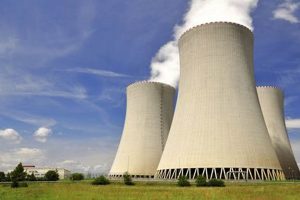
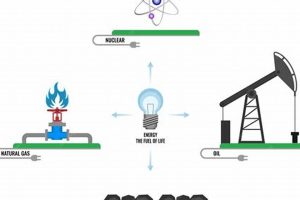
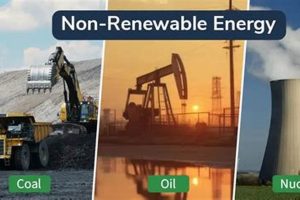
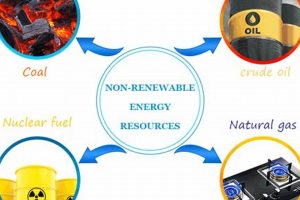
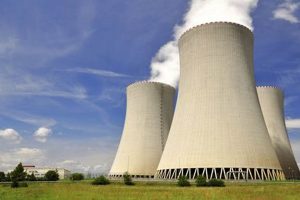
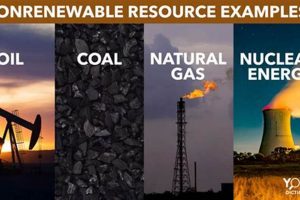
Non-renewable energy sources, primarily fossil fuels (coal, oil, and natural gas) and nuclear energy, offer several advantages related to their established infrastructure, energy density, and cost-effectiveness. Fossil fuels, for instance, possess a high energy density, meaning they produce a substantial amount of energy per unit volume or mass. This makes them efficient for powering large-scale operations and transportation. Nuclear power, while controversial, also boasts high energy density and generates electricity without direct greenhouse gas emissions.
The existing global energy infrastructure is largely built around these non-renewable resources. Power plants, refineries, and distribution networks represent significant investments that have been optimized for their use. This established infrastructure makes these energy sources readily available and reliable in the short term. Historically, the relative abundance and affordability of fossil fuels fueled industrialization and economic growth worldwide. Nuclear power, developed later, provided an alternative for electricity generation. Both contribute significantly to meeting current global energy demands.
While these advantages are significant, it is crucial to consider the environmental and long-term sustainability implications associated with non-renewable resources. The following sections will examine these aspects in detail, offering a comprehensive analysis of the role and impact of non-renewable energy sources.
Tips for Utilizing Non-Renewable Energy Responsibly
Given the environmental impact of non-renewable energy sources, responsible utilization requires careful consideration and strategic planning. The following tips offer guidance for maximizing benefits while mitigating negative consequences.
Tip 1: Maximize Efficiency: Improving energy efficiency in all sectors, from industrial processes to transportation and residential buildings, reduces reliance on non-renewable sources. Implementing energy-saving technologies and practices minimizes overall consumption.
Tip 2: Invest in Research and Development: Continued research into cleaner extraction and combustion methods for fossil fuels can lessen their environmental impact. Exploration of carbon capture and storage technologies is also crucial.
Tip 3: Diversify Energy Sources: Transitioning towards a diversified energy portfolio that incorporates renewable sources reduces dependence on non-renewable resources. This strategy enhances energy security and mitigates environmental risks.
Tip 4: Promote Responsible Nuclear Energy Practices: For countries utilizing nuclear power, adhering to stringent safety regulations and waste disposal protocols is paramount. Ongoing research into advanced reactor designs offers potential for enhanced safety and reduced waste generation.
Tip 5: Plan for Decommissioning: Infrastructure dependent on non-renewable sources requires meticulous decommissioning plans to minimize environmental damage and ensure safe disposal of materials. This includes power plants, refineries, and related infrastructure.
Tip 6: Implement Effective Regulations: Stringent environmental regulations and policies are essential to control emissions and manage the environmental impact of non-renewable energy extraction and consumption.
Implementing these strategies promotes a more sustainable and environmentally responsible approach to energy utilization during the transition to a cleaner energy future.
By understanding the advantages and disadvantages of non-renewable energy sources and adopting responsible practices, a balanced approach can be achieved that meets current energy needs while paving the way for a more sustainable energy future. The concluding section will offer further perspectives on this complex issue.
1. High Energy Density

High energy density is a crucial factor when evaluating the advantages of non-renewable energy sources. It refers to the amount of energy stored per unit volume or mass of a fuel. This characteristic significantly influences the efficiency and practicality of energy production and utilization, making it a central consideration in the ongoing discussion surrounding energy choices.
- Transportation Fuel Efficiency
Fossil fuels, particularly gasoline and diesel, possess high energy densities compared to alternative fuels. This allows vehicles to travel long distances on relatively small fuel volumes, contributing to the widespread adoption of internal combustion engines in transportation. The high energy density of these fuels is a key factor in their continued dominance in this sector.
- Power Generation Capacity
Coal and natural gas exhibit high energy densities, making them efficient for large-scale power generation. A relatively small amount of fuel can generate significant electricity output. This efficiency contributes to the cost-effectiveness of these fuels for electricity production, although environmental considerations are crucial to acknowledge.
- Storage and Handling Considerations
The compact nature of high-energy-density fuels simplifies storage and transportation logistics. Smaller storage tanks and fewer transport vehicles are required compared to lower-density fuels. This logistical advantage contributes to the economic viability of non-renewable resources.
- Comparison with Renewable Alternatives
While renewable energy sources offer significant environmental benefits, many currently possess lower energy densities than fossil fuels. For example, batteries required to store solar or wind energy have lower energy densities than gasoline. This density disparity presents challenges for applications like long-distance transportation and grid-scale energy storage, highlighting an area where non-renewable resources currently maintain an advantage.
The high energy density of non-renewable fuels is a major factor contributing to their widespread use in transportation, electricity generation, and various industrial processes. While technological advancements continue to improve the energy density of renewable energy storage solutions, the inherent advantage of non-renewable resources in this area remains a significant factor in the global energy landscape. This characteristic, alongside other considerations, must be carefully evaluated when assessing the role of non-renewable energy in the transition towards a sustainable energy future.
2. Reliable and Consistent Output

Reliable and consistent energy output is a critical advantage of non-renewable resources, particularly fossil fuels and nuclear power. Unlike intermittent renewable sources like solar and wind, which depend on weather conditions, these conventional sources can generate electricity on demand, 24/7. This predictability is essential for maintaining a stable electricity grid and ensuring a continuous supply of power for critical infrastructure like hospitals and data centers. Power plants fueled by coal, natural gas, or nuclear fission can be controlled to adjust output based on demand, offering a degree of flexibility in meeting fluctuating energy needs. This reliability is a key factor contributing to their historical dominance in the energy sector.
The ability to provide a consistent baseload power supply is crucial for modern economies. Industrial processes, transportation systems, and everyday life rely on uninterrupted access to electricity. Non-renewable resources currently fulfill this requirement effectively, guaranteeing power availability regardless of external factors. For example, during periods of peak demand, such as heatwaves or extreme cold, these power sources can be ramped up to meet increased energy consumption. This reliability contrasts with the inherent intermittency of renewable sources, which require energy storage solutions or backup power systems to ensure continuous supply.
While renewable energy sources are rapidly developing, achieving comparable reliability and consistency remains a challenge. Grid stability requires a predictable and controllable power supply, a characteristic currently best provided by non-renewable resources. This reliability underscores their continued importance in the energy mix, even as the transition towards renewable energy accelerates. Future energy systems will likely require a combination of both renewable and non-renewable sources, alongside advancements in energy storage and grid management technologies, to ensure a secure and sustainable energy future.
3. Established Infrastructure

A significant advantage of non-renewable energy sources lies in the extensive existing infrastructure designed for their extraction, processing, and distribution. This established infrastructure represents substantial investments over decades, creating a complex network of pipelines, refineries, power plants, and transmission lines optimized for fossil fuels and nuclear power. This existing infrastructure contributes significantly to the current cost-effectiveness and reliability of these energy sources, presenting both opportunities and challenges in the transition to a more sustainable energy future.
- Extraction and Processing Facilities
Extensive networks of oil and gas wells, coal mines, and processing facilities are already in place globally. These facilities represent significant capital investments and contribute to the efficient extraction and processing of fossil fuels. This established infrastructure reduces the initial investment required for continued reliance on these energy sources, compared to developing new infrastructure for alternative energy.
- Transportation and Distribution Networks
Pipelines, tankers, and rail networks are established systems for transporting fossil fuels from extraction sites to processing facilities and end-users. Similarly, electricity grids are designed for the distribution of power generated from conventional power plants. These existing networks minimize the logistical challenges and costs associated with energy delivery.
- Power Generation Infrastructure
Existing power plants, predominantly fueled by coal, natural gas, and nuclear fission, are integrated into the current electricity grid. These facilities are optimized for these fuel sources, and their continued operation leverages existing investments. Retrofitting or replacing these plants with alternatives requires significant financial and logistical considerations.
- Refining and Conversion Technologies
Decades of research and development have led to highly efficient refining and conversion technologies for fossil fuels. These technologies maximize the energy extracted from raw materials and contribute to the overall cost-effectiveness of non-renewable energy sources. This established technological base represents a significant advantage for the continued use of these resources.
The established infrastructure surrounding non-renewable energy represents a significant factor in their continued prevalence. While this existing infrastructure offers advantages in terms of cost-effectiveness and reliability in the short term, it also presents challenges for transitioning to alternative energy sources. Significant investments will be required to adapt or replace existing infrastructure to accommodate renewable energy technologies and achieve a truly sustainable energy future. Balancing the benefits of existing infrastructure with the need for a transition to cleaner energy sources remains a complex challenge for policymakers and industry leaders.
4. Cost-Effective (Currently)
The current cost-effectiveness of non-renewable energy sources is a significant factor contributing to their continued widespread use. Established infrastructure, mature technologies, and economies of scale contribute to relatively low production costs for fossil fuels and nuclear energy. Extraction, processing, and distribution systems for these resources have been optimized over decades, resulting in efficient and cost-competitive energy production. For instance, the abundance of coal reserves in certain regions makes coal-fired power generation a relatively inexpensive option, despite its environmental impact. Similarly, the high energy density of fossil fuels contributes to lower transportation costs compared to some renewable alternatives.
However, the long-term cost-effectiveness of non-renewable energy is increasingly uncertain. Factors such as resource depletion, environmental regulations, and the declining costs of renewable energy technologies are shifting the economic landscape. As fossil fuel reserves become more challenging and expensive to extract, production costs are expected to rise. Furthermore, stricter environmental regulations, such as carbon pricing mechanisms, add to the financial burden associated with non-renewable energy. Conversely, advancements in renewable energy technologies and increasing economies of scale are driving down the costs of solar, wind, and other clean energy alternatives. This converging trend poses a significant challenge to the long-term economic viability of non-renewable resources.
Understanding the evolving cost dynamics of energy production is crucial for informed decision-making. While non-renewable sources currently offer a cost advantage in many regions, this advantage is likely to diminish as renewable energy technologies mature and external costs associated with environmental impact are increasingly internalized. The transition to a sustainable energy future requires careful consideration of both short-term and long-term economic factors, balancing the current affordability of non-renewable energy with the long-term benefits and cost savings associated with cleaner alternatives. Failing to account for these evolving cost dynamics risks stranded assets and missed opportunities in the transition to a sustainable energy system.
5. Large-Scale Power Generation

Large-scale power generation is a critical aspect of modern civilization, providing the energy necessary for industrial processes, transportation, and daily life. Non-renewable energy sources have historically played a dominant role in meeting this demand due to their capacity for consistent and substantial electricity generation. This capacity is a key advantage of non-renewable resources, enabling them to power entire cities and industrial complexes. Understanding the relationship between large-scale power generation and the advantages of non-renewable energy is crucial for evaluating their role in the current energy landscape and planning for a sustainable future.
- Meeting Baseload Demand
Baseload power refers to the minimum level of electricity demand required 24/7. Non-renewable sources, particularly coal and nuclear power plants, excel at meeting this baseload demand due to their ability to generate electricity continuously. Their consistent output ensures a stable supply of power, crucial for maintaining grid stability and powering essential services. For example, nuclear power plants operate at high capacity factors, consistently delivering large amounts of electricity regardless of weather conditions, unlike intermittent renewable sources.
- Centralized Power Generation
Non-renewable power plants are typically centralized facilities capable of generating large quantities of electricity at a single location. This centralized approach simplifies power distribution and grid management. Large power plants can efficiently supply electricity to vast areas through established transmission networks. This contrasts with distributed generation models often associated with renewable energy, which may require more complex grid integration strategies.
- Industrial Applications
Many industrial processes require substantial amounts of energy, which non-renewable sources can readily provide. Industries such as steel manufacturing, cement production, and chemical processing rely on the high heat and power output achievable with fossil fuels. This capability is crucial for maintaining industrial productivity and economic activity. While electrification and renewable energy integration are progressing, many industrial processes currently depend on the high energy density and consistent output of non-renewable sources.
- Grid Stability and Reliability
The predictable and controllable nature of non-renewable power plants contributes to grid stability and reliability. Grid operators can adjust the output of these plants to match fluctuating demand, ensuring a balanced electricity supply. This characteristic is essential for preventing blackouts and maintaining a reliable power supply, particularly during periods of peak demand. The inertia provided by large synchronous generators in conventional power plants also contributes to grid stability, a feature that requires careful management with increasing integration of inverter-based renewable generation.
The ability of non-renewable energy sources to facilitate large-scale power generation has been instrumental in their historical dominance and continues to be a significant factor in the current energy mix. However, the environmental impact of these sources necessitates a transition toward cleaner alternatives. While renewable energy technologies are rapidly advancing, challenges remain in replicating the large-scale, consistent power generation capabilities of conventional sources. Future energy systems will likely require a combination of both renewable and non-renewable resources, alongside advancements in energy storage and grid management technologies, to ensure a secure, reliable, and sustainable energy future.
6. Technological Maturity
Technological maturity plays a crucial role in the continued prevalence of non-renewable energy sources. Decades of research, development, and operational experience have resulted in highly efficient and reliable technologies for extracting, processing, and utilizing fossil fuels and nuclear energy. This maturity translates into several practical advantages, contributing to the cost-effectiveness, scalability, and reliability of these energy sources. Understanding the implications of technological maturity is essential for evaluating the role of non-renewable energy in the current energy landscape and planning for a sustainable future.
- Optimized Extraction and Processing
Extraction and processing technologies for fossil fuels have been refined over generations, maximizing resource recovery and minimizing waste. Advanced drilling techniques, enhanced oil recovery methods, and efficient refining processes contribute to the overall cost-effectiveness of fossil fuel production. Similarly, uranium enrichment and fuel fabrication technologies for nuclear power have undergone significant advancements, enhancing the efficiency and safety of nuclear fuel production. These technological advancements represent a substantial investment in optimizing the utilization of non-renewable resources.
- Efficient Power Generation
Power plants designed for fossil fuels and nuclear fission have reached high levels of efficiency, maximizing the electricity generated per unit of fuel. Combined cycle gas turbine plants, for instance, achieve significantly higher efficiencies than older, less technologically advanced power generation methods. Similarly, advancements in nuclear reactor design and operation have improved the efficiency and safety of nuclear power generation. This technological maturity translates into greater energy output and reduced fuel consumption, contributing to the economic competitiveness of non-renewable energy sources.
- Established Safety Protocols and Regulations
Decades of operational experience with non-renewable energy technologies have led to the development of comprehensive safety protocols and regulations. Stringent safety standards govern the operation of power plants, refineries, and other critical infrastructure, minimizing risks to human health and the environment. Extensive training programs and regulatory oversight contribute to the safe and responsible utilization of these energy sources. This accumulated knowledge and established regulatory framework contribute to public confidence and operational reliability.
- Skilled Workforce and Expertise
A significant advantage associated with technological maturity is the presence of a skilled workforce and extensive expertise in the operation and maintenance of non-renewable energy infrastructure. Experienced engineers, technicians, and operators possess the knowledge and skills necessary to ensure the efficient and safe operation of power plants, refineries, and other facilities. This accumulated expertise is crucial for maintaining reliability and minimizing downtime, contributing to the overall performance and cost-effectiveness of non-renewable energy systems.
The technological maturity of non-renewable energy systems contributes significantly to their current dominance in the global energy mix. The efficiency, reliability, and scalability achieved through decades of research and development represent substantial advantages. However, the environmental impact associated with these resources necessitates a transition towards cleaner alternatives. While renewable energy technologies are rapidly advancing, leveraging the existing expertise and infrastructure associated with non-renewable energy can facilitate a smoother transition. Integrating renewable energy sources into existing grids, repurposing existing infrastructure, and transferring skills from the non-renewable energy sector can accelerate the development and deployment of sustainable energy solutions. Balancing the benefits of technological maturity with the need for a sustainable energy future remains a critical challenge for policymakers and industry leaders.
7. Fuel Source Abundance (Currently)
The current abundance of fossil fuelscoal, oil, and natural gasis a key factor contributing to their role as primary energy sources. This abundance translates into energy security for nations with substantial reserves and influences global energy markets. However, this abundance is finite and unevenly distributed, leading to geopolitical complexities and economic dependencies. Understanding the implications of current fuel source abundance is crucial for evaluating the advantages of non-renewable energy and planning for a sustainable energy future.
- Energy Security and Independence
Nations with significant fossil fuel reserves enjoy a degree of energy security and independence. Domestic production reduces reliance on energy imports, mitigating vulnerabilities to price volatility and geopolitical instability. This energy independence can be a significant economic and strategic advantage, allowing nations to pursue independent energy policies and potentially exert influence on global energy markets. For example, countries with large oil reserves can leverage their production capacity to influence global oil prices and supply.
- Economic Implications
Abundant fuel sources can stimulate economic growth by providing affordable energy for industrial processes, transportation, and power generation. This economic stimulus can create jobs in the energy sector and related industries. However, over-reliance on fossil fuel extraction can lead to economic vulnerabilities, particularly for countries whose economies are heavily dependent on resource exports. Economic diversification and investment in renewable energy technologies are crucial for mitigating these risks and ensuring long-term economic stability.
- Geopolitical Considerations
The uneven distribution of fossil fuel reserves creates geopolitical complexities. Competition for access to these resources can lead to international tensions and conflicts. Control over strategic reserves can grant significant geopolitical leverage. The reliance of many nations on imported fossil fuels creates interdependencies that can influence foreign policy and international relations. The pursuit of energy independence and diversification of energy sources is a strategic priority for many nations seeking to mitigate these geopolitical risks.
- Finite Resources and Future Uncertainty
While currently abundant, fossil fuels are finite resources. Extraction rates will eventually decline as readily accessible reserves are depleted. This inevitable depletion necessitates long-term planning and investment in alternative energy sources. The timeframe for this transition is uncertain and depends on factors such as technological advancements, policy decisions, and changes in global energy demand. Ignoring the finite nature of these resources poses significant risks to future energy security and economic stability. Investing in renewable energy and energy efficiency measures is crucial for mitigating these risks and ensuring a smooth transition to a sustainable energy future.
The current abundance of fossil fuels offers significant advantages in terms of energy security, economic development, and established infrastructure. However, the finite nature of these resources, their uneven distribution, and the environmental consequences of their use necessitate a transition towards more sustainable energy sources. Understanding the complexities and limitations associated with fuel source abundance is crucial for developing effective energy policies and ensuring a secure and sustainable energy future.
Frequently Asked Questions
This section addresses common inquiries regarding the advantages of non-renewable energy sources, aiming to provide clear and concise information.
Question 1: Why are non-renewable energy sources still widely used despite their environmental impact?
Several factors contribute to the continued reliance on non-renewable energy sources. These include established infrastructure, cost-effectiveness (currently), high energy density, reliable and consistent output, and technological maturity. Transitioning away from these established systems requires significant investment and time.
Question 2: What is the primary economic advantage of using non-renewable energy?
Currently, the primary economic advantage is cost-effectiveness due to existing infrastructure, mature technologies, and economies of scale. However, this advantage may diminish as renewable energy technologies become more competitive and environmental costs are internalized.
Question 3: How does the energy density of non-renewable sources compare to renewable alternatives?
Non-renewable sources, especially fossil fuels, generally possess higher energy densities than renewable sources like solar and wind. This characteristic makes them more efficient for certain applications like transportation and large-scale power generation.
Question 4: What role does established infrastructure play in the continued use of non-renewable energy?
The existing infrastructureincluding pipelines, refineries, power plants, and distribution networksrepresents substantial investments optimized for non-renewable resources. This infrastructure significantly contributes to their current cost-effectiveness and reliability.
Question 5: How does technological maturity benefit non-renewable energy sources?
Decades of research and development have resulted in highly efficient and reliable technologies for extracting, processing, and utilizing non-renewable resources. This technological maturity contributes to their cost-effectiveness and operational reliability.
Question 6: What are the geopolitical implications of relying on non-renewable energy sources?
The uneven distribution of fossil fuel reserves creates geopolitical complexities, influencing international relations and potentially leading to resource competition and conflicts. Reliance on imports can create vulnerabilities and dependencies.
Careful consideration of these factors is crucial for developing informed energy policies that balance current needs with long-term sustainability goals. The transition to a more sustainable energy future requires a nuanced understanding of both the advantages and disadvantages of all available energy sources.
The following section will explore the environmental impact of non-renewable energy sources in greater detail.
Conclusion
Non-renewable energy sources, primarily fossil fuels and nuclear power, offer distinct advantages in the current global energy landscape. Their high energy density, reliable output, established infrastructure, and current cost-effectiveness contribute significantly to meeting global energy demands. Technological maturity and existing expertise ensure efficient operation and maintenance of these energy systems. The abundance of fossil fuels, while finite, provides a degree of energy security for nations with substantial reserves. These advantages explain the continued reliance on non-renewable sources despite their environmental impact. However, a comprehensive understanding of these advantages must be balanced against the long-term environmental and economic implications of their continued use.
The transition to a sustainable energy future requires a nuanced approach that acknowledges the current benefits of non-renewable energy while actively pursuing alternative solutions. Strategic investments in renewable energy technologies, energy efficiency measures, and innovative grid management systems are essential for mitigating the environmental impact of conventional energy sources and ensuring a secure and sustainable energy future. Careful consideration of the advantages and disadvantages of all available energy sources, coupled with responsible resource management and technological innovation, will pave the way for a more sustainable and prosperous future.