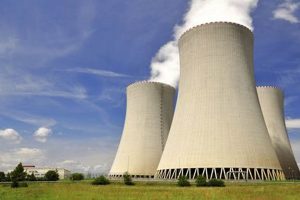
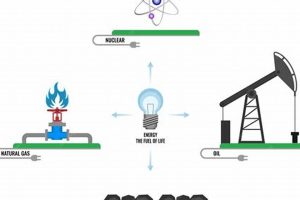
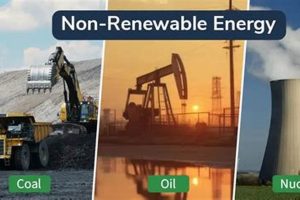
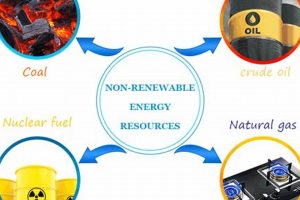
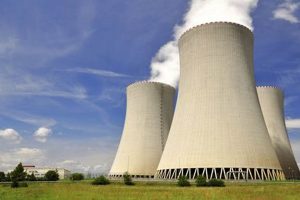
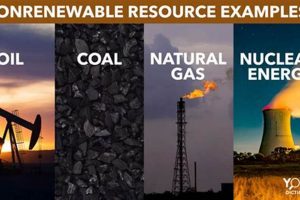
Non-renewable energy sources, such as fossil fuels (coal, oil, and natural gas) and nuclear fuels (uranium), present several challenges. These resources are finite, meaning their supply will eventually be exhausted. Their extraction and utilization often lead to environmental damage, including habitat destruction and pollution. Additionally, the combustion of fossil fuels releases greenhouse gases, contributing to climate change.
Understanding the limitations of these energy sources is crucial for developing sustainable energy strategies. Historically, reliance on non-renewable energy has fueled industrial growth, but also created long-term environmental problems. Transitioning towards cleaner alternatives is essential for mitigating these issues and securing a sustainable energy future. The depletion of these resources poses a significant threat to global energy security and economic stability.
This discussion will focus on three key drawbacks associated with non-renewable energy sources: resource depletion, environmental degradation, and contribution to climate change. Each of these issues will be explored in detail, highlighting their impact and the need for alternative energy solutions.
Tips for Addressing the Challenges of Non-Renewable Energy
Given the inherent limitations of non-renewable energy sources, proactive measures are essential to mitigate their negative impacts and pave the way for a sustainable energy future. The following tips offer practical guidance for individuals, communities, and governments.
Tip 1: Invest in renewable energy technologies. Supporting the development and implementation of solar, wind, hydro, and geothermal energy can reduce reliance on finite resources.
Tip 2: Improve energy efficiency. Adopting energy-efficient practices in buildings, transportation, and industries minimizes energy consumption and reduces the strain on non-renewable resources.
Tip 3: Support sustainable transportation. Promoting public transportation, cycling, and walking, along with the development of electric vehicles, can lessen dependence on fossil fuels.
Tip 4: Advocate for policy changes. Encouraging government policies that incentivize renewable energy adoption and discourage the use of non-renewable resources is crucial for systemic change.
Tip 5: Educate and raise awareness. Promoting public understanding of the environmental and economic consequences of relying on non-renewable energy can drive individual and collective action.
Tip 6: Reduce, reuse, and recycle. Minimizing consumption and waste reduces the demand for energy derived from non-renewable sources.
Tip 7: Support research and development. Continued investment in research and development of alternative energy technologies is essential for long-term sustainability.
By implementing these strategies, individuals and communities can contribute to a transition toward a cleaner, more sustainable energy future, minimizing the detrimental impacts associated with non-renewable energy sources. These efforts can lead to a healthier environment, greater energy independence, and a more secure energy future.
In conclusion, understanding the limitations and actively addressing the challenges associated with non-renewable energy is paramount for building a sustainable future. The transition to renewable energy sources and sustainable practices requires a concerted global effort.
1. Resource Depletion

Resource depletion is a fundamental disadvantage of relying on non-renewable energy sources. Fossil fuels, formed over millions of years, are being consumed at a rate far exceeding their natural replenishment. This unsustainable consumption pattern inevitably leads to their exhaustion. The finite nature of these resources poses significant challenges, including increasing extraction costs as easily accessible reserves dwindle, and potential energy security risks as nations compete for diminishing supplies. For example, the decline in conventional oil production has led to exploration of more challenging and environmentally sensitive areas, such as deepwater drilling and oil sands extraction, which carry higher environmental risks and costs.
The practical significance of understanding resource depletion lies in its implications for future energy planning and economic stability. As readily available reserves decline, energy prices are likely to increase, potentially impacting various sectors of the economy. This economic vulnerability underscores the need for diversification of energy sources and investment in renewable energy technologies. Moreover, resource depletion necessitates a shift in societal energy consumption patterns, promoting energy efficiency and conservation measures to extend the lifespan of remaining resources and mitigate the negative economic and geopolitical consequences of scarcity. Consider the historical example of coal mining towns facing economic decline after the exhaustion of local coal seams; this illustrates the localized impact of resource depletion and the importance of proactive planning for energy transitions.
In conclusion, resource depletion is not merely a theoretical concern but a tangible challenge with significant economic, geopolitical, and social ramifications. Acknowledging the finite nature of non-renewable energy sources is crucial for developing sustainable energy strategies that prioritize resource conservation, diversification of energy portfolios, and a transition towards renewable alternatives. Failure to address resource depletion will exacerbate energy security risks, economic instability, and the environmental challenges associated with extracting increasingly scarce resources.
2. Environmental Pollution

Environmental pollution is a significant consequence of utilizing non-renewable energy sources. The extraction, processing, and combustion of these resources release harmful pollutants into the air, water, and soil, impacting ecosystems and human health. Understanding the various facets of this pollution is crucial for assessing the full environmental cost of non-renewable energy dependence.
- Air Pollution
Combustion of fossil fuels releases pollutants like sulfur dioxide, nitrogen oxides, particulate matter, and volatile organic compounds into the atmosphere. These pollutants contribute to respiratory problems, acid rain, and smog, impacting both human health and the environment. Coal-fired power plants, for instance, are a major source of air pollution, emitting significant quantities of mercury, a neurotoxin that accumulates in the food chain. The health costs associated with air pollution represent a significant externality of non-renewable energy use.
- Water Contamination
Oil spills, fracking wastewater, and acid mine drainage contaminate water sources, harming aquatic life and threatening human access to clean drinking water. For example, oil spills can devastate marine ecosystems, while fracking, a method used to extract natural gas, can contaminate groundwater with toxic chemicals. The long-term effects of water contamination can be severe, impacting biodiversity, agricultural productivity, and human health.
- Soil Degradation
Mining activities and industrial waste from fossil fuel processing can contaminate soil with heavy metals and other toxins. This contamination can render land unusable for agriculture or other purposes, impacting local communities and ecosystems. The extraction of oil sands, for example, requires large-scale land clearing and generates significant amounts of toxic tailings ponds, leading to habitat destruction and soil contamination.
- Habitat Destruction
The extraction of non-renewable resources often requires extensive land clearing and habitat destruction. Mining operations, for example, can remove entire mountaintops, while oil and gas exploration can fragment wildlife habitats and disrupt ecological processes. This habitat loss can lead to biodiversity decline and ecosystem instability, impacting the overall health and resilience of natural environments.
These interconnected forms of pollution highlight the significant environmental burden associated with non-renewable energy. Transitioning towards cleaner energy sources and adopting sustainable practices is essential for mitigating these environmental impacts and safeguarding both ecological health and human well-being. The long-term costs of environmental degradation often outweigh the short-term economic benefits derived from non-renewable energy, emphasizing the need for a comprehensive and sustainable approach to energy production and consumption.
3. Climate Change Contribution
The contribution to climate change represents a significant disadvantage of utilizing non-renewable energy sources. Combustion of fossil fuels releases greenhouse gases, primarily carbon dioxide, into the atmosphere. These gases trap heat, leading to a warming planet and driving climate change. Understanding the mechanisms and consequences of this contribution is crucial for addressing the global challenge of climate change.
- Greenhouse Gas Emissions
Burning fossil fuels releases large amounts of carbon dioxide (CO2), the primary greenhouse gas responsible for anthropogenic climate change. Other greenhouse gases emitted from non-renewable energy sources include methane (CH4) and nitrous oxide (N2O). These gases accumulate in the atmosphere, trapping heat and causing a gradual increase in global average temperatures. The cumulative effect of these emissions disrupts established climate patterns, leading to more frequent and intense extreme weather events.
- Global Warming
The increased concentration of greenhouse gases in the atmosphere leads to a rise in global average temperatures. This phenomenon, known as global warming, has far-reaching consequences, including melting glaciers and ice sheets, rising sea levels, and shifts in precipitation patterns. For example, the Arctic is warming at a rate twice as fast as the global average, leading to significant ice loss and impacting local ecosystems and communities. The ongoing warming trend poses a significant threat to global biodiversity, food security, and human well-being.
- Extreme Weather Events
Climate change intensifies extreme weather events, such as hurricanes, droughts, heatwaves, and floods. Warmer ocean temperatures fuel stronger hurricanes, while changes in atmospheric circulation patterns can exacerbate droughts and floods. The increased frequency and intensity of these events pose significant risks to human infrastructure, agricultural productivity, and human health. For example, prolonged droughts can lead to crop failures and water shortages, while intense flooding can displace populations and damage critical infrastructure.
- Ocean Acidification
The absorption of excess CO2 by the oceans leads to a decrease in pH levels, a process known as ocean acidification. This increased acidity threatens marine ecosystems, particularly coral reefs and shellfish, which rely on calcium carbonate for their shells and skeletons. Ocean acidification can disrupt marine food webs and impact the livelihoods of communities that depend on healthy oceans. The long-term consequences of ocean acidification pose a significant threat to marine biodiversity and the sustainability of ocean resources.
These interconnected aspects of climate change demonstrate the profound impact of non-renewable energy sources on the global environment. Transitioning towards a decarbonized energy system, based on renewable energy sources and sustainable practices, is essential for mitigating the risks associated with climate change and ensuring a sustainable future. Addressing the climate change contribution of non-renewable energy requires global cooperation, policy changes, technological innovation, and shifts in societal energy consumption patterns. Failure to address this challenge will have far-reaching and potentially irreversible consequences for the planet and future generations.
4. Geopolitical Instability

The uneven global distribution of non-renewable energy resources, particularly fossil fuels, contributes significantly to geopolitical instability. Nations with abundant reserves often wield considerable political and economic influence, while those lacking resources can face energy dependence and vulnerability. This dynamic creates competition for control of resources, influencing international relations and potentially leading to conflict. The reliance on non-renewable energy can exacerbate existing tensions and create new points of friction between nations. For instance, control over oil and gas pipelines has been a source of conflict in several regions, highlighting the geopolitical implications of energy security. Further, the pursuit of these resources can lead to exploitation of developing nations, creating economic disparities and fueling social unrest. The concentration of power associated with resource control can destabilize regions and hinder equitable development.
The pursuit of energy security in a world reliant on non-renewable resources can drive nations to form strategic alliances and engage in resource diplomacy. This can involve both cooperative agreements and competitive strategies, shaping international relations and influencing foreign policy decisions. For example, the formation of OPEC demonstrates the influence of resource-rich nations in shaping global energy markets and wielding geopolitical leverage. Conversely, nations lacking domestic resources may face pressure to maintain favorable relations with resource-rich states, potentially compromising their own political priorities. This power imbalance can create dependencies and vulnerabilities, impacting national sovereignty and international stability. Furthermore, the economic consequences of fluctuating energy prices, driven by supply disruptions or market manipulation, can destabilize economies and exacerbate social inequalities, creating fertile ground for political instability.
Understanding the link between non-renewable energy and geopolitical instability is crucial for developing sustainable and equitable energy policies. Diversification of energy sources, particularly through investment in renewable energy technologies, can reduce dependence on volatile global markets and mitigate the geopolitical risks associated with resource competition. Promoting energy independence can enhance national security and reduce the vulnerability of nations reliant on imported fossil fuels. A transition towards a more decentralized and sustainable energy system can foster greater international cooperation and contribute to a more stable and secure global environment. Failing to address this interconnectedness risks perpetuating cycles of conflict and instability, driven by the pursuit and control of diminishing non-renewable resources.
5. Economic Volatility
Economic volatility is intrinsically linked to the reliance on non-renewable energy sources. The finite nature of these resources, coupled with fluctuating global demand and geopolitical factors, creates inherent price instability. This price volatility significantly impacts national economies, businesses, and individual consumers. Sudden price spikes, driven by supply disruptions or geopolitical events, can trigger inflationary pressures, impacting the cost of goods and services and reducing consumer purchasing power. For example, the oil crises of the 1970s demonstrated the disruptive economic consequences of dependence on volatile fossil fuel markets, leading to recessions and economic hardship. The dependence on non-renewable resources creates vulnerability to global market forces, impacting national economic stability and long-term planning. Consider the impact of fluctuating oil prices on industries heavily reliant on transportation, such as logistics and manufacturing; these price fluctuations can disrupt supply chains, impact profitability, and hinder economic growth.
Furthermore, the transition away from non-renewable energy sources presents both challenges and opportunities for economic growth. Investment in renewable energy technologies, infrastructure development, and energy efficiency measures can stimulate economic activity and create new job markets. However, this transition also requires significant financial investment and careful planning to mitigate potential economic disruptions. For example, regions heavily reliant on coal mining may face economic challenges during the transition to cleaner energy sources, requiring retraining programs and diversification of local economies. Managing this economic transition effectively is crucial for ensuring a just and equitable shift towards a sustainable energy future. Governments play a crucial role in providing incentives, supporting research and development, and implementing policies that facilitate this transition while minimizing economic disruption.
In conclusion, the volatility inherent in non-renewable energy markets poses a significant challenge to economic stability. Price fluctuations, driven by resource scarcity, geopolitical factors, and fluctuating demand, create uncertainty and impact economic planning. The transition to renewable energy sources offers an opportunity to mitigate this volatility and create a more stable and sustainable economic future. However, managing this transition effectively requires careful planning, strategic investment, and policy frameworks that address the economic challenges and opportunities associated with a shift away from non-renewable energy dependence. Understanding the interconnectedness of energy and economic stability is crucial for informed decision-making and developing strategies that promote long-term economic resilience and sustainability.
Frequently Asked Questions about the Disadvantages of Non-Renewable Energy
This section addresses common inquiries regarding the drawbacks of relying on non-renewable energy sources. Clear and concise responses aim to provide further clarity on the key challenges associated with these resources.
Question 1: Why is the finite nature of non-renewable resources a concern?
Non-renewable resources, by definition, exist in limited quantities. Their eventual depletion poses a significant challenge to future energy security and necessitates the development of alternative energy sources.
Question 2: How does non-renewable energy contribute to air pollution?
Combustion of fossil fuels releases harmful pollutants, such as sulfur dioxide, nitrogen oxides, and particulate matter, contributing to respiratory illnesses, acid rain, and smog.
Question 3: What is the connection between non-renewable energy and water contamination?
Extraction and transportation of non-renewable resources can lead to water contamination through oil spills, fracking wastewater, and acid mine drainage, threatening aquatic ecosystems and human access to clean water.
Question 4: How does reliance on non-renewable energy contribute to climate change?
Combustion of fossil fuels releases greenhouse gases, primarily carbon dioxide, which trap heat in the atmosphere, leading to global warming and associated climate change impacts.
Question 5: What is the link between non-renewable energy and geopolitical instability?
Uneven distribution of non-renewable resources can create geopolitical tensions as nations compete for access and control, potentially leading to conflict and instability.
Question 6: How does non-renewable energy contribute to economic volatility?
Fluctuations in the supply and demand of non-renewable resources contribute to price volatility, impacting national economies, businesses, and individual consumers. Price instability can disrupt economic planning and hinder sustainable growth.
Understanding the multifaceted disadvantages of non-renewable energy is crucial for informed decision-making and the transition towards sustainable energy solutions. Addressing these challenges requires a concerted global effort to promote energy efficiency, invest in renewable energy technologies, and implement policies that support a sustainable energy future.
For further exploration, the following section will discuss strategies for mitigating the negative impacts of non-renewable energy and fostering a transition towards a more sustainable energy landscape.
Conclusion
This discussion has examined three key disadvantages of non-renewable energy: resource depletion, environmental pollution, and contribution to climate change. The finite nature of these resources, coupled with the environmental damage associated with their extraction and use, underscores the urgent need for a transition to sustainable alternatives. Pollution from non-renewable energy sources degrades air and water quality, impacting ecosystems and human health. Furthermore, the release of greenhouse gases contributes significantly to climate change, posing a global threat with far-reaching consequences.
Continued reliance on non-renewable energy presents substantial risks to environmental sustainability, economic stability, and global security. A decisive shift towards renewable energy sources and sustainable practices is not merely an option but a necessity for mitigating these risks and ensuring a viable future. The transition requires concerted global action, encompassing policy changes, technological innovation, and a fundamental shift in energy consumption patterns. Investing in renewable energy infrastructure, promoting energy efficiency, and fostering international cooperation are crucial steps towards a sustainable energy future, safeguarding the planet and future generations.