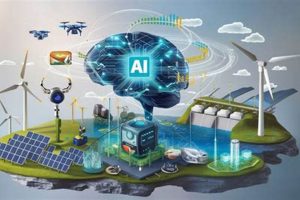
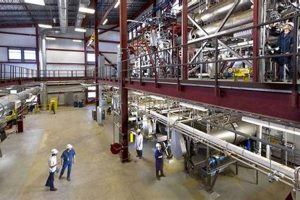
Determining the optimal renewable energy source is a complex process involving numerous factors. Considerations include geographic location, available resources, energy demands, economic feasibility, and environmental impact. For instance, a region with consistent sunshine might be ideal for solar power, while a consistently windy area might be better suited for wind energy.
The pursuit of superior renewable energy solutions is critical for mitigating climate change, reducing reliance on finite fossil fuels, and promoting energy independence. Historically, energy production has relied heavily on fossil fuels, contributing to greenhouse gas emissions and environmental degradation. The shift toward sustainable energy is vital for a healthier planet and a more secure energy future.
This article will explore various renewable energy options, comparing their advantages and disadvantages to provide a comprehensive understanding of their potential. Factors such as efficiency, cost-effectiveness, scalability, and environmental impact will be examined to offer a clear picture of the current renewable energy landscape and its future prospects.
Tips for Evaluating Renewable Energy Options
Selecting an appropriate renewable energy source requires careful consideration of various factors. The following tips offer guidance for navigating the complexities of renewable energy selection.
Tip 1: Assess Resource Availability: Evaluate the local resources available. Regions with abundant sunlight are well-suited for solar power, while those with consistent wind are ideal for wind energy. Geothermal resources are geographically limited to areas with tectonic activity.
Tip 2: Consider Energy Demand: Match the energy source to the specific energy needs. Large-scale projects might benefit from wind or hydroelectric power, while smaller applications might be better served by solar or geothermal solutions.
Tip 3: Analyze Economic Viability: Factor in the initial investment costs, ongoing maintenance expenses, and potential return on investment for each renewable energy technology. Government incentives and subsidies can significantly impact the financial feasibility of certain projects.
Tip 4: Evaluate Environmental Impact: Consider the environmental footprint of each energy source. While generally cleaner than fossil fuels, some renewable energy technologies can still have environmental impacts, such as land use for solar farms or potential disruption to wildlife habitats from wind turbines.
Tip 5: Research Technological Advancements: Stay informed about the latest technological advancements in renewable energy. Efficiency improvements, cost reductions, and innovative energy storage solutions are continuously evolving.
Tip 6: Consult with Experts: Seek professional advice from renewable energy specialists. Experts can provide tailored recommendations based on specific requirements and local conditions.
Tip 7: Factor in Scalability and Grid Integration: Consider the scalability of the chosen renewable energy technology and its compatibility with existing energy infrastructure. Grid integration and energy storage solutions are crucial for ensuring reliable and consistent power supply.
By carefully considering these factors, decision-makers can effectively evaluate renewable energy options and select the most appropriate solution for their specific circumstances, contributing to a more sustainable energy future.
This analysis provides a foundation for informed decision-making regarding renewable energy adoption. Further exploration of individual technologies and their specific applications is encouraged.
1. Resource Availability

Resource availability plays a pivotal role in determining the suitability of renewable energy technologies. The geographic distribution of resources like sunlight, wind, geothermal activity, and water dictates which technologies can be effectively deployed in specific locations. Regions with high solar irradiance are naturally suited for solar photovoltaic and concentrated solar power systems. Conversely, areas with consistent and strong winds are ideal for harnessing wind energy. Geothermal power plants require proximity to geothermal hotspots, while hydropower relies on consistent water flow. The absence of necessary resources can render a technology impractical or economically unfeasible. For instance, installing solar panels in a region with limited sunlight would yield minimal energy output, making it an ineffective choice.
Matching resource availability with appropriate technology is crucial for maximizing energy production and minimizing environmental impact. Utilizing locally abundant resources reduces the need for extensive energy transmission infrastructure and minimizes transmission losses. This localized approach also strengthens energy independence and reduces reliance on external energy sources. Furthermore, careful resource assessment can mitigate potential environmental disruptions. For example, siting wind farms in areas with known bird migration routes could negatively impact avian populations. Thorough environmental impact assessments and strategic siting are essential for responsible renewable energy development.
Understanding resource distribution and its influence on technology selection is fundamental for effective renewable energy planning and implementation. Accurate resource mapping and assessment are critical first steps in any renewable energy project. This understanding facilitates informed decision-making, optimizes energy production, and minimizes potential environmental impacts, contributing to a more sustainable energy future. Ignoring resource availability can lead to inefficient energy systems and hinder the transition to a clean energy economy.
2. Environmental Impact

Environmental impact is a critical factor in determining the optimal renewable energy source. While all renewable energy technologies offer a cleaner alternative to fossil fuels, each presents unique environmental considerations. A comprehensive assessment of these impacts is essential for responsible energy development. For example, while hydropower offers a significant source of clean energy, large dam projects can alter river ecosystems, affecting fish migration and riparian habitats. Similarly, while wind energy has a relatively low carbon footprint, turbine placement must consider potential impacts on bird and bat populations. Manufacturing processes for solar panels require energy and resources, generating some environmental impact during production, though this is offset by clean energy generation over the panel’s lifespan. Understanding these trade-offs is crucial for informed decision-making.
The lifecycle assessment of a renewable energy technology provides a holistic view of its environmental footprint, from resource extraction and manufacturing to operation and decommissioning. This analysis can reveal hidden environmental costs and inform the development of mitigation strategies. For instance, evaluating the water usage of concentrated solar power plants in arid regions is crucial for sustainable water management. Similarly, assessing the end-of-life management of solar panels and wind turbine blades is essential for minimizing waste and promoting circularity. By considering the full lifecycle impact, decision-makers can better prioritize technologies that minimize overall environmental harm.
Minimizing environmental impact requires a nuanced approach, considering both the direct and indirect effects of each renewable energy technology. Prioritizing technologies with the lowest overall environmental footprint is essential for achieving sustainable energy goals. This includes minimizing land use, protecting biodiversity, conserving water resources, and reducing waste. Furthermore, integrating environmental considerations into energy planning and policy decisions promotes a more holistic approach to sustainable development. By acknowledging the interconnectedness of energy systems and ecological health, it is possible to transition to a cleaner energy future while safeguarding the environment.
3. Technological Feasibility

Technological feasibility significantly influences the viability of renewable energy sources. A technology’s maturity, reliability, and efficiency directly impact its effectiveness and cost-competitiveness. For instance, advancements in photovoltaic technology have led to increased efficiency and reduced costs for solar energy, making it a more attractive option. Conversely, some renewable energy technologies, like wave energy conversion, remain at an early stage of development, with technological hurdles limiting widespread deployment. The technological readiness level of a given technology is a critical determinant of its current and future potential. Technologies with higher readiness levels are generally more suitable for immediate implementation, while those at lower levels require further research and development before becoming commercially viable.
Practical considerations related to technological feasibility include infrastructure requirements, maintenance needs, and integration with existing energy systems. For example, offshore wind farms require specialized installation vessels and underwater transmission cables, adding complexity and cost. Geothermal power plants necessitate drilling and infrastructure to harness subsurface heat, posing technical challenges. Integrating intermittent renewable sources, like solar and wind, requires advanced grid management systems and energy storage solutions to ensure a stable energy supply. Overcoming these technological challenges is crucial for widespread adoption. Technological advancements in areas like energy storage, smart grids, and advanced materials are continuously improving the feasibility and effectiveness of renewable energy solutions.
Evaluating technological feasibility is essential for determining the long-term viability and effectiveness of renewable energy options. Prioritizing technologies with a proven track record, robust infrastructure, and potential for future innovation is crucial for achieving a sustainable energy transition. Continuous research and development are necessary to overcome existing technological barriers and unlock the full potential of emerging renewable energy technologies. Addressing these challenges will pave the way for a more resilient and sustainable energy future.
4. Economic Viability

Economic viability is a cornerstone in determining the optimal renewable energy source. The cost-competitiveness of a renewable energy technology significantly influences its widespread adoption and long-term sustainability. Factors such as initial capital costs, operational and maintenance expenses, fuel costs (if applicable), and projected return on investment play a crucial role in assessing economic viability. For example, while solar photovoltaic systems have experienced significant cost reductions in recent years, the initial investment can still be substantial. Wind energy projects, while generally cost-competitive, require significant upfront investment in turbines and infrastructure. Analyzing the levelized cost of energy (LCOE), which represents the average cost of generating electricity over the lifetime of a power plant, provides a standardized metric for comparing the economic performance of different energy sources. A lower LCOE indicates greater economic competitiveness.
Government policies, incentives, and subsidies can significantly impact the economic landscape of renewable energy. Tax credits, feed-in tariffs, and renewable portfolio standards can incentivize investment and accelerate the deployment of specific technologies. For instance, government support for solar energy has played a key role in its rapid growth in many regions. Conversely, the absence of supportive policies can hinder the development of otherwise promising renewable energy sources. Economic viability is also intertwined with factors such as energy security and job creation. Investing in renewable energy can reduce reliance on imported fossil fuels, enhancing energy independence and creating new employment opportunities in the renewable energy sector. For example, the growth of the wind energy industry has spurred job creation in manufacturing, installation, and maintenance.
Understanding the economic viability of renewable energy technologies is crucial for informed decision-making and effective policy development. Analyzing factors such as LCOE, government incentives, and broader economic impacts provides a comprehensive understanding of the economic landscape. This understanding facilitates strategic investment decisions, promotes market growth, and accelerates the transition to a sustainable and economically viable energy future. Ignoring economic realities can lead to unsustainable projects and hinder the widespread adoption of renewable energy technologies.
5. Scalability
Scalability is a critical factor in determining the efficacy of renewable energy technologies in addressing global energy demands. A technology’s ability to be readily expanded to meet growing energy needs significantly influences its long-term viability and potential to displace fossil fuels. Consideration must be given to resource availability, infrastructure requirements, and potential environmental impacts when assessing scalability. For example, while solar energy exhibits high scalability due to abundant sunlight and modular design, large-scale solar farms require significant land resources and grid infrastructure upgrades. Conversely, geothermal energy, while offering a consistent energy source, faces limitations in scalability due to its dependence on specific geological conditions. Hydropower projects, although scalable to a certain extent, often encounter geographical constraints and potential ecological disruptions. The scalability of bioenergy depends on sustainable biomass production and efficient conversion technologies. Wind energy demonstrates good scalability, but optimal wind resources are not uniformly distributed, requiring strategic siting and transmission infrastructure development. Nuclear fusion, a potential future energy source, currently lacks scalability due to significant technological challenges.
The practical significance of scalability lies in its impact on a nation’s or region’s ability to transition to a renewable energy-based economy. Technologies with limited scalability may be suitable for niche applications but cannot serve as primary energy sources to meet substantial and growing energy demands. This underscores the need for careful planning and investment in scalable renewable energy technologies. For instance, a nation aiming to achieve carbon neutrality must prioritize scalable technologies like solar and wind power, coupled with robust energy storage solutions, to ensure a reliable and sustainable energy supply. Failure to consider scalability can lead to insufficient energy production, continued reliance on fossil fuels, and missed opportunities to mitigate climate change. Understanding the scalability of various renewable energy options is crucial for informed policy decisions and effective resource allocation.
Successful implementation of large-scale renewable energy projects requires careful assessment of environmental impacts, grid integration challenges, and socio-economic considerations. Large-scale deployment can create land-use conflicts, affect biodiversity, and require significant upgrades to existing grid infrastructure. Community engagement and careful planning are essential to address these challenges and ensure equitable distribution of benefits. Ultimately, evaluating scalability in conjunction with other factors, such as cost-effectiveness and environmental impact, provides a holistic view of a technology’s suitability for meeting future energy needs. This comprehensive understanding is critical for guiding policy decisions, directing investment, and accelerating the transition to a sustainable and scalable renewable energy future.
Frequently Asked Questions about Choosing the Best Renewable Energy
This section addresses common inquiries regarding the selection of optimal renewable energy sources. Clear and concise answers are provided to facilitate informed decision-making.
Question 1: Is there a single “best” renewable energy source?
No single renewable energy source is universally superior. The optimal choice depends on various factors, including geographic location, resource availability, energy demand, economic conditions, and environmental considerations. A region with abundant sunshine may be ideal for solar power, while a consistently windy area may be better suited for wind energy.
Question 2: How does geographic location influence renewable energy choices?
Geographic location heavily influences resource availability. Desert regions are ideal for solar power, coastal or mountainous areas for wind energy, and volcanically active regions for geothermal energy. Resource availability dictates which technologies are most effective and economically viable in a specific location.
Question 3: What role does cost play in selecting a renewable energy source?
Cost is a significant factor. Initial investment costs, operational and maintenance expenses, and potential return on investment vary significantly among renewable energy technologies. Government incentives and subsidies can also influence the financial feasibility of different options.
Question 4: How do environmental impacts differ among renewable energy technologies?
While generally cleaner than fossil fuels, each renewable energy technology has unique environmental impacts. Hydropower can alter river ecosystems, wind turbines can affect bird and bat populations, and solar panel production requires energy and resources. A comprehensive life-cycle assessment helps evaluate the overall environmental footprint.
Question 5: What is the role of energy storage in renewable energy systems?
Energy storage is crucial for addressing the intermittency of renewable sources like solar and wind. Storing excess energy during peak production periods allows for consistent power supply even when the sun isn’t shining or the wind isn’t blowing. Battery storage, pumped hydro, and other storage technologies are essential for grid stability and reliability.
Question 6: How can individuals contribute to the transition to renewable energy?
Individuals can contribute by installing rooftop solar panels, supporting policies that promote renewable energy development, making energy-efficient choices in their homes and businesses, and investing in renewable energy projects. Collective action is essential for driving the transition to a sustainable energy future.
Careful consideration of these factors provides a comprehensive understanding of the complexities involved in selecting optimal renewable energy solutions. This knowledge empowers individuals, communities, and governments to make informed decisions that contribute to a more sustainable energy future.
For further exploration of specific renewable energy technologies and their applications, consult the following resources…
Conclusion
Determining the most suitable renewable energy source is a multifaceted process requiring careful evaluation of various factors. Resource availability, environmental impact, technological feasibility, economic viability, and scalability all play crucial roles in this decision-making process. No single renewable energy technology emerges as universally superior; the optimal choice depends on the specific context and priorities of a given project or region. While solar and wind energy demonstrate high scalability and decreasing costs, their intermittent nature necessitates robust energy storage solutions. Hydropower offers a reliable energy source but can have significant environmental and social impacts. Geothermal energy provides a consistent baseload power option but is geographically limited. Bioenergy offers a versatile fuel source but requires sustainable biomass production. Careful consideration of these factors is essential for maximizing the effectiveness and sustainability of renewable energy projects.
The transition to a sustainable energy future requires a diversified portfolio of renewable energy technologies tailored to specific regional and local conditions. Continued research, development, and innovation are essential for improving the efficiency, affordability, and accessibility of renewable energy solutions. Strategic planning, policy support, and public awareness are crucial for driving widespread adoption and achieving a global transition to a cleaner, more resilient, and sustainable energy system. The future of energy relies on a balanced approach that leverages the unique strengths of various renewable energy technologies while addressing their respective limitations. Informed decision-making based on a comprehensive understanding of these complexities will pave the way for a more sustainable energy future.