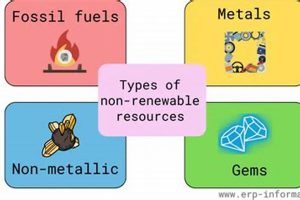
Materials sourced from the Earth that cannot be replenished within a human lifespan are essential to modern society. These materials, formed over millions of years, provide the energy and raw materials that underpin industrial processes, transportation, and many aspects of daily life. Examples include fossil fuels such as coal, petroleum, and natural gas, as well as minerals like uranium used in nuclear power generation.
Their importance stems from their high energy density and relative ease of extraction and processing, especially historically. They fueled the Industrial Revolution and continue to power a significant portion of the global economy. However, dependence on these resources carries significant environmental and geopolitical consequences, including greenhouse gas emissions, habitat destruction, and resource scarcity leading to international tensions.
Therefore, understanding the characteristics, limitations, and impacts associated with these resources is crucial for informed decision-making regarding energy policy, environmental regulations, and the transition to more sustainable alternatives. Further examination of specific types, their extraction methods, and their impact on the environment will provide a more complete picture.
Mitigating Dependence on Finite Earth Materials
Effective strategies are required to manage the depletion and environmental impact of these naturally limited substances. Prioritization of resource efficiency and transition to alternative energy sources are crucial.
Tip 1: Promote Energy Conservation. Implement energy-efficient technologies and practices across all sectors, including transportation, industry, and residential buildings. Examples include utilizing LED lighting, improving insulation, and optimizing industrial processes.
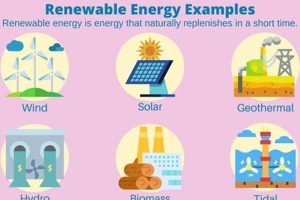
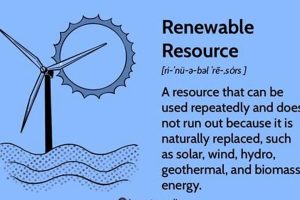
Tip 2: Invest in Renewable Energy Sources. Increase investment in renewable energy technologies, such as solar, wind, hydro, and geothermal power. This diversification reduces reliance on fossil fuels and mitigates greenhouse gas emissions.
Tip 3: Enhance Resource Recycling and Reuse. Establish comprehensive recycling programs for materials such as metals, plastics, and electronics. This reduces the demand for virgin resources and minimizes waste generation.
Tip 4: Support Research and Development. Fund research into advanced materials, energy storage solutions, and sustainable technologies. Innovation is critical for developing alternatives to resource-intensive products and processes.
Tip 5: Implement Carbon Capture and Storage Technologies. Explore and deploy carbon capture technologies at large point sources, such as power plants and industrial facilities. This mitigates carbon dioxide emissions into the atmosphere.
Tip 6: Develop Sustainable Transportation Systems. Promote the use of public transportation, electric vehicles, and cycling infrastructure. This reduces dependence on petroleum-based fuels and improves air quality.
Tip 7: Establish Resource Management Policies. Implement policies that promote sustainable resource extraction, conservation, and utilization. This includes regulations on mining activities, waste disposal, and energy consumption.
Implementation of these strategies collectively contributes to a more sustainable and resilient energy future, reducing the detrimental effects of excessive consumption.
Further exploration of specific policy implementations and technological advancements will provide a clearer path toward a sustainable future.
1. Fossil Fuel Dominance

Fossil fuel dominance represents the pervasive reliance on coal, petroleum, and natural gas for energy production, transportation, and industrial processes. This dependence is intrinsically linked to non-renewable resources, as these fuels are derived from finite geological deposits formed over millions of years. The dominance is a direct consequence of their historical abundance, high energy density, and relatively low extraction costs compared to alternative sources, particularly during the initial stages of industrial development. The ongoing prevalence of fossil fuels perpetuates the depletion of these finite resources, contributing to concerns about long-term energy security and environmental sustainability. For instance, the global energy mix remains heavily reliant on fossil fuels despite increasing awareness of climate change and advancements in renewable energy technologies. The extraction of unconventional fossil fuels, such as shale gas and tar sands, further exemplifies this dominance and its associated environmental impacts.
The significance of fossil fuel dominance extends beyond energy production, influencing economic and geopolitical landscapes. Nations with substantial fossil fuel reserves often wield considerable economic and political influence, creating a complex web of international relations centered on resource access and control. This dynamic can lead to conflicts over resources and exacerbate existing inequalities. Moreover, the infrastructure and industries built around fossil fuel extraction and processing represent significant economic investments, creating vested interests that resist transitioning to renewable energy sources. The transportation sector, heavily reliant on petroleum-based fuels, highlights the challenges associated with shifting away from fossil fuels, requiring substantial investments in electric vehicle infrastructure and alternative transportation systems.
In summary, fossil fuel dominance, deeply ingrained in modern society, signifies the ongoing dependence on finite and environmentally impactful geological resources. Addressing the challenges posed by this reliance requires a multifaceted approach, including investment in renewable energy technologies, the implementation of energy efficiency measures, and the development of sustainable transportation systems. Acknowledging the link between fossil fuel dominance and the depletion of non-renewable resources is essential for fostering a transition to a more sustainable energy future and mitigating the environmental and geopolitical risks associated with resource dependence.
2. Mineral Depletion Rates

The rate at which accessible reserves of naturally occurring minerals are exhausted is intrinsically linked to the concept of finite Earth materials. These rates are a critical component in understanding the long-term availability and sustainability of essential raw materials. This is directly connected to the finite nature of material deposits: once extracted and used, these minerals are not replenished on a timescale relevant to human civilization. The extraction of copper, for example, exemplifies this concern. Increased global demand for electronics and infrastructure has led to intensified mining operations, accelerating the depletion of high-grade copper ore deposits. Consequently, companies are forced to exploit lower-grade ores, requiring more energy and resources for processing, further exacerbating environmental impact. Understanding depletion is essential for devising strategies related to resource management, recycling initiatives, and the development of alternative materials.
Further exacerbating depletion is the unequal geographical distribution of these resources. Many nations are heavily reliant on imports of critical minerals, creating vulnerabilities in supply chains. China’s dominance in the production of rare earth elements, vital for various technologies, highlights this concern. Dependence on a single supplier can lead to price volatility, geopolitical tensions, and disruptions in manufacturing processes. Effective strategies for managing mineral supplies involve diversification of sources, investment in domestic mining operations (subject to stringent environmental standards), and promotion of closed-loop recycling systems. The development of alternative materials with similar properties is also a promising avenue for reducing reliance on scarce resources.
In conclusion, the rate at which specific minerals are depleted poses a significant challenge to long-term sustainability. This depletion directly impacts the availability of materials essential for various industries and technologies. Addressing this issue necessitates a multi-faceted approach encompassing responsible resource management, diversification of supply chains, investment in recycling technologies, and development of alternative materials. Acknowledging the connection between utilization rate and the availability of geologic materials is a necessary step toward establishing a more resilient and sustainable global economy.
3. Environmental Degradation

The extraction, processing, and combustion of geological materials are intrinsically linked to environmental deterioration. The profound impact on ecosystems, air and water quality, and overall planetary health necessitates a careful assessment of resource management practices. These practices, essential for industrial and societal functions, have direct consequences to environmental well-being. Consider coal mining, a primary source of electrical power. Surface mining, such as mountaintop removal, devastates landscapes, leading to habitat loss, soil erosion, and water contamination. Subsurface mining, while less visually disruptive, can cause land subsidence and the release of methane, a potent greenhouse gas. The combustion of coal then introduces sulfur dioxide, nitrogen oxides, and particulate matter into the atmosphere, contributing to acid rain, respiratory problems, and climate change. These cascade effects exemplify the interconnectedness of resource utilization and environmental harm.
Petroleum extraction and refining operations present additional pathways for environmental decline. Oil spills, whether occurring during offshore drilling or tanker accidents, wreak havoc on marine ecosystems, impacting marine life and coastal communities. The refining process generates air and water pollution, releasing volatile organic compounds and other hazardous substances. Furthermore, the combustion of gasoline and diesel fuels in vehicles contributes significantly to urban air pollution and greenhouse gas emissions. Similarly, the extraction and processing of uranium for nuclear power generation, while offering a low-carbon energy source, pose risks of radioactive contamination and the generation of nuclear waste, requiring long-term storage and monitoring. The challenge of mitigating the environmental consequences necessitates a comprehensive regulatory framework, investment in cleaner technologies, and a shift toward more sustainable resource management practices.
In conclusion, the utilization of finite Earth materials is inextricably linked to a range of environmental degradation issues. From habitat destruction to air and water pollution to greenhouse gas emissions, the impacts are far-reaching and multifaceted. Acknowledging and addressing these environmental consequences is essential for responsible resource management and for transitioning toward a more sustainable and environmentally sound energy and economic future. Effective environmental protection policies, technological innovations, and a societal commitment to conservation are imperative for mitigating the environmental harm associated with utilizing materials that cannot be regenerated.
4. Geopolitical Implications

The distribution, control, and access to finite Earth materials are central factors in international relations, shaping alliances, conflicts, and economic dependencies among nations. The strategic importance of these resources creates a complex web of geopolitical dynamics, influencing global power structures and security considerations.
- Resource Scarcity and International Conflict
Diminishing reserves of critical resources, such as oil and strategic minerals, can exacerbate tensions between nations vying for access. Competition for limited supplies can lead to territorial disputes, proxy wars, and even direct military intervention. The control of strategically important waterways and chokepoints, such as the Strait of Hormuz, further amplifies geopolitical risks, as disruptions to supply lines can have significant economic and security consequences for importing nations.
- Resource Nationalism and Economic Coercion
Countries possessing significant reserves of finite resources may pursue policies of resource nationalism, seeking to maximize their economic and political leverage. This can involve nationalizing resource industries, imposing export restrictions, or forming cartels to control prices and output. Such actions can be used as tools of economic coercion, exerting pressure on importing nations to comply with the resource-exporting country’s political or economic agenda. The Organization of the Petroleum Exporting Countries (OPEC) serves as a historical example of how resource-rich nations can collectively influence global markets.
- Dependency and Vulnerability
Nations heavily reliant on imports of geological materials for their energy or industrial sectors are vulnerable to supply disruptions, price volatility, and political manipulation. This dependency can compromise national security and economic stability. Diversifying supply sources, investing in domestic resource development (where feasible and environmentally sound), and promoting energy efficiency and renewable energy sources are strategies to mitigate these vulnerabilities. International collaborations and strategic alliances can also provide a measure of security in accessing critical resources.
- Resource Curse and Internal Instability
Paradoxically, nations with abundant natural resources can experience internal instability and economic underdevelopment, a phenomenon known as the “resource curse.” Over-reliance on resource revenues can lead to corruption, weak governance, and a lack of diversification in the economy. Resource wealth can also fuel internal conflicts, as various factions vie for control of resource revenues. Transparent resource management, strong governance structures, and investments in education and infrastructure are crucial for mitigating the resource curse and promoting sustainable development.
The geopolitical implications underscore the interconnectedness of resource availability, economic stability, and international security. Navigating this complex landscape requires a multi-faceted approach that promotes international cooperation, responsible resource management, and a transition towards more sustainable energy and economic models. The strategic importance of geologic materials will continue to shape global power dynamics for the foreseeable future, demanding careful analysis and proactive strategies to mitigate risks and promote stability.
5. Economic Dependence
Economic dependence, in the context of geological materials, arises from the reliance of nations and industries on these finite resources for energy production, manufacturing, and various economic activities. The availability and cost of these resources directly influence economic growth, employment rates, and international trade. Countries with limited domestic reserves often become reliant on imports, creating economic vulnerabilities to price fluctuations, supply disruptions, and geopolitical pressures. This dependence is a core component of the broader considerations surrounding finite earth materials, highlighting the intricate relationships between resource availability, economic stability, and national security. For example, many European nations are heavily dependent on Russia for natural gas, a situation that has significant geopolitical and economic ramifications.
Further analysis reveals that economic dependence extends beyond resource availability to encompass the entire supply chain, including extraction, processing, transportation, and distribution. Industries such as automotive manufacturing, electronics, and construction are critically reliant on materials derived from geologic sources, making them susceptible to price shocks and supply chain disruptions. Efforts to mitigate this dependence include investing in alternative materials, promoting resource efficiency, diversifying supply sources, and developing robust recycling programs. Furthermore, government policies aimed at supporting renewable energy technologies can reduce reliance on fossil fuels, diminishing economic vulnerability to price volatility and geopolitical risks associated with those fuels.
In conclusion, economic dependence related to non-renewable resources represents a significant challenge for both individual nations and the global economy. Understanding this dependence is crucial for developing effective strategies to enhance economic resilience, promote sustainable development, and mitigate the potential negative consequences of resource scarcity and geopolitical instability. The ongoing transition towards a more diversified and sustainable energy mix, coupled with responsible resource management practices, is essential for reducing economic dependence and ensuring long-term economic security.
Frequently Asked Questions
This section addresses commonly encountered inquiries regarding resources that cannot be replenished within a human timescale. The intent is to provide clarity and factual information concerning their utilization and implications.
Question 1: What precisely defines a non-renewable resource?
A substance of economic value that cannot be readily replaced by natural means on a level equal to its consumption. Its formation processes require geological timescales, making replenishment practically impossible within a human lifespan.
Question 2: What are the primary examples of geological materials exploited as finite resources?
The most prevalent examples include fossil fuels such as coal, petroleum, and natural gas, used for energy generation and transportation. Additionally, certain minerals, including uranium, iron ore, and rare earth elements, fall into this category due to their finite availability and extraction rates.
Question 3: How does the utilization of these materials contribute to environmental degradation?
The extraction, processing, and combustion of such resources lead to a range of environmental problems. These include habitat destruction, air and water pollution, greenhouse gas emissions, and potential contamination from mining and processing activities.
Question 4: What is meant by “resource depletion” in the context of non-renewable resources?
Resource depletion refers to the progressive exhaustion of the accessible reserves of particular materials. As high-grade deposits are depleted, extraction becomes more costly and energy-intensive, potentially leading to economic and environmental challenges.
Question 5: How does reliance on finite resources influence geopolitical relationships?
Control over and access to strategic materials can significantly impact international relations. Nations with substantial reserves often wield considerable economic and political influence, while countries dependent on imports may become vulnerable to supply disruptions or political pressures.
Question 6: What strategies can be employed to reduce dependence on these finite materials?
Strategies include promoting energy conservation, investing in renewable energy technologies, enhancing recycling and reuse programs, developing alternative materials, and implementing policies that encourage sustainable resource management.
These responses offer a basic understanding of the key issues associated with these types of resources. A more in-depth exploration of specific resources and their impacts is recommended for a comprehensive understanding.
Next, let us examine the role of these types of resources in society and their impacts.
Finite Earth Resources
The exploration of what defines a limited Earth material has revealed a complex interplay of factors. These substances, including fossil fuels and minerals, are fundamental to contemporary society but face increasing constraints due to depletion, environmental degradation, and geopolitical considerations. Their finite nature necessitates careful management and a strategic transition towards sustainable alternatives. The discussions have highlighted the need for energy conservation, renewable energy investments, and responsible resource management policies. The multifaceted challenges associated with these resources demand a thorough understanding of their economic, environmental, and geopolitical implications.
The future hinges on proactive measures to mitigate the detrimental effects of reliance on limited resources. Continued research and development into sustainable technologies, coupled with effective policy implementation, are crucial for ensuring a resilient and environmentally sound future. A global commitment to responsible resource utilization and a shift towards a circular economy are essential to securing long-term prosperity and stability. The time to act is now.
![Guide to What Energy Resources Are Renewable [+Future] | Renewable Energy Solutions for a Sustainable Future | Clean & Green Power](https://pplrenewableenergy.com/wp-content/uploads/2026/03/th-516-300x200.jpg "Guide to What Energy Resources Are Renewable [+Future] Renewable Energy Solutions for a Sustainable Future | Clean & Green Power")