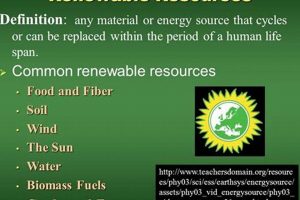
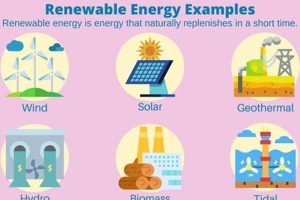
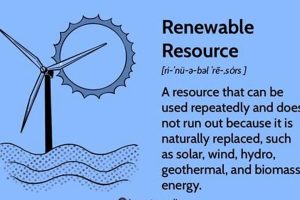
These are naturally replenishing energy sources derived from processes that are virtually inexhaustible. Examples include solar radiation captured through photovoltaic cells and thermal systems, wind power harnessed by turbines, geothermal heat extracted from the earth’s core, hydropower generated from flowing water, and biomass derived from organic matter.
Their significance lies in offering a sustainable alternative to fossil fuels, mitigating greenhouse gas emissions and reducing reliance on finite resources. Historically, societies have utilized some of these sources, such as water and wind, for centuries. Modern technology, however, allows for more efficient and widespread application, contributing to energy security and environmental preservation.
The subsequent discussion will delve into the specifics of each type, examining their current applications, associated challenges, and future potential in a global energy landscape increasingly focused on sustainability and reduced environmental impact. We will also consider technological advancements and policy initiatives driving the adoption of these sustainable alternatives.
Strategies for Effective Implementation
The following guidelines address crucial aspects of integrating sources of clean energy. Attention to these factors is vital for maximizing efficiency and minimizing potential drawbacks.
Tip 1: Prioritize Grid Modernization: Integrating intermittent sources necessitates modernizing electrical grids with smart technologies. Enhanced grid flexibility allows for efficient distribution and management of fluctuating power output.
Tip 2: Invest in Energy Storage Solutions: Energy storage systems, such as batteries and pumped hydro, are essential for buffering the variability of solar and wind. These technologies ensure a consistent power supply even when sunlight or wind is limited.
Tip 3: Develop Supportive Policy Frameworks: Government policies, including tax incentives, subsidies, and regulatory frameworks, play a significant role in accelerating the adoption of these energy technologies. Clear and consistent policies reduce investment risks and encourage innovation.
Tip 4: Promote Technological Innovation: Continued research and development are crucial for improving the efficiency and reducing the cost of various technologies. Investing in innovation ensures long-term viability and competitiveness.
Tip 5: Conduct Thorough Environmental Impact Assessments: Careful assessments are vital to minimize any potential environmental consequences associated with specific projects. This includes evaluating impacts on wildlife, land use, and water resources.
Tip 6: Foster Public Awareness and Education: Educating the public about the benefits and limitations promotes broader acceptance and support. Transparency and open communication build trust and address potential concerns.
Tip 7: Emphasize System Integration and Diversification: Combining different types can enhance reliability and reduce dependence on a single source. A diversified approach mitigates risks associated with resource availability and technological performance.
By adhering to these principles, stakeholders can optimize the implementation process, ensuring a transition towards a more sustainable and secure energy future.
The concluding section will summarize the overall benefits and challenges, providing a comprehensive perspective on the future of clean energy.
1. Sustainability

Sustainability forms a foundational principle underpinning the rationale for utilizing energy sources that can be naturally replenished on a human timescale. This concept directly addresses the limitations and environmental consequences associated with finite and polluting energy reserves.
- Resource Availability and Longevity
Sustainability, in this context, necessitates that the energy source is practically inexhaustible. Solar radiation, wind patterns, geothermal gradients, and continuous water cycles provide constant and naturally recurring energy inputs. Unlike fossil fuels, their continued use does not deplete a finite geological reservoir.
- Environmental Impact Mitigation
Adopting sustainable energy practices aims to minimize or eliminate detrimental effects on ecosystems and the climate. Conventional energy production often releases pollutants, contributes to habitat destruction, and exacerbates global warming. Sustainably sourced energy offers pathways to reducing these adverse impacts.
- Economic Viability Over Time
While initial investments in sustainable infrastructure can be substantial, long-term economic benefits arise from reduced fuel costs, decreased environmental remediation expenses, and enhanced energy security. These sources are less susceptible to price volatility compared to fossil fuels, contributing to greater economic stability.
- Social Equity and Access
Sustainable energy models can be decentralized and adaptable to various geographic locations, potentially expanding access to electricity in remote or underserved communities. Promoting energy independence and local resource utilization can contribute to greater social equity and resilience.
In conclusion, the alignment of sustainability principles with energy resource management presents a compelling argument for transitioning away from depletable sources. This transition necessitates comprehensive strategies encompassing technological innovation, policy implementation, and societal engagement to ensure the long-term viability and environmental integrity of energy systems.
2. Replenishment

Replenishment constitutes a defining characteristic of energy resources categorized as constantly renewed within a relatively short time frame, differentiating them from finite reserves. The rate at which an energy source regenerates directly impacts its long-term availability and sustainability profile.
- Solar Energy Regeneration
Solar energy stems from continuous nuclear fusion within the sun, a process anticipated to persist for billions of years. The sun emits vast amounts of radiant energy, a fraction of which reaches the Earth. This persistent inflow of solar radiation renders solar energy a perpetually replenished resource. The implication is that solar energy, when harnessed, does not diminish the available supply.
- Wind Power Renewal
Wind results from atmospheric pressure differences caused by uneven solar heating of the Earth’s surface and the Earth’s rotation. These atmospheric conditions are ongoing processes. Consequently, wind energy is replenished continuously as long as the sun’s radiation drives weather patterns. This sustained regeneration permits the ongoing extraction of power through wind turbines without resource depletion.
- Hydropower Cycling
Hydropower relies on the water cycle: evaporation, precipitation, and runoff. Water continuously moves between oceans, land, and atmosphere. Precipitation refills reservoirs, maintaining a renewable water source for hydroelectric power generation. Damming rivers to harness hydropower alters riverine ecosystems, representing a trade-off between power generation and ecological impact, but the source is continuously replenished.
- Biomass Regrowth
Biomass energy originates from organic matter, such as trees, crops, and algae. These organisms capture solar energy through photosynthesis, converting it into chemical energy stored in their biomass. If biomass is harvested at a sustainable rate, allowing for regrowth, it can be considered a continuously replenishing energy source. Sustainable forestry and agriculture practices are crucial to ensure that biomass extraction does not outpace the rate of replenishment.
These examples illustrate the diverse mechanisms underlying the renewal of energy resources. The defining characteristic of replenishment, inherent in these types of energy, positions them as essential components of long-term energy strategies aimed at mitigating resource depletion and environmental degradation. The sustainable management of these cycles is critical to their enduring effectiveness.
3. Diversification

Diversification, when applied to energy resources, constitutes a strategic approach to mitigating risks associated with reliance on a limited number of energy sources. This strategy is particularly relevant to incorporating energy into a comprehensive energy portfolio, promoting resilience, and ensuring energy security.
- Geographic Distribution
Geographic distribution involves deploying various energy generation technologies across diverse geographic locations. This approach mitigates the risk of localized disruptions affecting the entire energy supply. For instance, solar farms in arid regions can complement wind farms in coastal areas, creating a more stable and reliable energy network. Geographic distribution ensures that localized weather events or resource limitations do not disproportionately impact the overall energy output.
- Technological Variety
Technological variety entails utilizing a range of energy conversion technologies. This lessens dependence on a single technological approach, reducing vulnerability to technological obsolescence or unforeseen performance limitations. Combining solar photovoltaic, concentrated solar power, wind turbines, geothermal plants, and biomass facilities creates a diverse technological portfolio. This approach enhances the system’s ability to adapt to technological advancements and evolving market conditions.
- Resource Type Mix
A diverse mix of energy resource types reduces vulnerability to fluctuations in resource availability. Relying solely on solar power, for example, exposes the energy system to variability due to weather patterns and seasonal changes. Integrating wind, hydro, geothermal, and biomass resources, along with solar, can create a more balanced and predictable energy supply. Resource type mixing leverages the complementary characteristics of different sources, stabilizing the energy system.
- Policy and Regulatory Frameworks
Supportive policy frameworks facilitate diversification by promoting the development and deployment of multiple energy technologies. Incentives, tax credits, and streamlined permitting processes can encourage investment in a wide range of resources. Clear and consistent policies create a stable investment environment, enabling developers to pursue diverse projects and contribute to a more resilient energy system. Regulatory support underpins long-term diversification efforts.
In summation, diversification is not simply about adding more energy sources but about strategically integrating a range of technologies, resources, and geographic locations to create a robust and adaptable energy portfolio. This comprehensive approach enhances energy security, mitigates risks, and fosters a more sustainable and resilient energy future, fundamentally transforming how energy is generated, distributed, and consumed.
4. Decarbonization

Decarbonization represents a critical objective in contemporary energy policy, focusing on reducing the carbon intensity of energy systems. The utilization of energy technologies directly correlates with the achievement of decarbonization goals, offering a viable pathway to mitigate greenhouse gas emissions and combat climate change.
- Elimination of Fossil Fuel Dependence
Replacing fossil fuels with energy sources fundamentally alters the carbon footprint of energy generation. Fossil fuels release stored carbon into the atmosphere, contributing to climate change. Energy sources, by contrast, operate with minimal or zero carbon emissions during electricity generation. This substitution is crucial for achieving substantial reductions in atmospheric carbon dioxide levels and mitigating the impacts of global warming.
- Integration with Carbon Capture and Storage (CCS)
While deployment primarily aims to displace fossil fuels, their integration with CCS technologies offers further decarbonization potential. CCS captures carbon dioxide emissions from point sources and stores them underground, preventing their release into the atmosphere. When CCS is coupled with biomass energy (BECCS), the process can achieve negative emissions, removing carbon dioxide directly from the atmosphere and sequestering it. This combined approach enhances the overall decarbonization effect.
- Electrification of End-Use Sectors
Decarbonization strategies involve electrifying sectors that traditionally rely on fossil fuels, such as transportation, heating, and industrial processes. Electrification, when powered by energy, shifts energy consumption away from carbon-intensive sources. Electric vehicles, heat pumps, and electric-powered industrial equipment reduce direct emissions and contribute to overall decarbonization efforts. This transition requires investments in grid infrastructure and smart technologies to manage increased electricity demand.
- Policy and Regulatory Frameworks for Decarbonization
Effective decarbonization requires supportive policy and regulatory frameworks that incentivize the adoption of energy technologies and discourage the use of fossil fuels. Carbon pricing mechanisms, renewable energy standards, and emissions regulations create a market environment that favors energy investments. Policy stability and long-term commitments are essential for attracting capital and driving innovation in the energy sector. The interaction between policy and technology accelerates the transition towards a low-carbon energy system.
In summary, decarbonization is intrinsically linked to the large-scale deployment of energy technologies. These technologies offer a direct and effective means of reducing carbon emissions, fostering a cleaner and more sustainable energy future. The strategic integration of technologies, coupled with supportive policies, is essential for achieving ambitious decarbonization targets and mitigating the impacts of climate change.
5. Energy Security

The nexus between energy security and these resources is characterized by a reduction in dependence on volatile global fossil fuel markets and a strengthening of domestic energy autonomy. Reliance on imported fossil fuels exposes nations to geopolitical instability, price fluctuations, and potential supply disruptions. The integration of domestically available energy alternatives mitigates these vulnerabilities, enhancing a nation’s capacity to meet its energy demands reliably and affordably. For example, Germany’s significant investment in solar and wind power has reduced its reliance on Russian natural gas, thereby bolstering its energy security in the face of geopolitical tensions.
Furthermore, widespread adoption of these technologies fosters greater decentralization of energy generation. Distributed energy systems, such as rooftop solar panels and community wind farms, decrease reliance on centralized power plants and long-distance transmission lines, which are susceptible to cascading failures from natural disasters or cyberattacks. This decentralized approach enhances grid resilience and reduces the potential for widespread blackouts. California’s promotion of distributed solar generation, coupled with energy storage solutions, aims to improve energy security by enabling communities to maintain power during grid outages caused by wildfires or other disruptive events.
In conclusion, the strategic implementation of such energy sources is inextricably linked to the enhancement of energy security. By diversifying energy sources, promoting domestic production, and fostering decentralized energy systems, nations can reduce their vulnerability to external shocks and ensure a more reliable and sustainable energy supply. Understanding this relationship is paramount for policymakers and energy stakeholders seeking to build resilient and secure energy infrastructure for the future. The continued advancement and deployment of these technologies are essential to achieving long-term energy independence and mitigating the risks associated with reliance on traditional fossil fuel markets.
Frequently Asked Questions About Sources of Energy
The following addresses common inquiries regarding the definition, application, and viability of various energy sources. This section aims to clarify misconceptions and provide accurate information.
Question 1: What distinguishes a source of energy from a non-source?
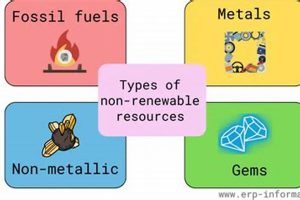
Sources are characterized by their ability to be naturally replenished on a human timescale. Non- sources, such as fossil fuels, are finite resources that deplete with usage and lack natural regeneration.
Question 2: How does the variability of solar and wind impact grid reliability?
The intermittent nature of solar and wind necessitates the integration of energy storage solutions and smart grid technologies. These technologies mitigate fluctuations and ensure a consistent power supply.
Question 3: What are the primary environmental concerns associated with hydroelectric power?
Hydropower can disrupt aquatic ecosystems, alter river flow, and inundate terrestrial habitats. Careful environmental impact assessments are essential to minimize these effects.
Question 4: Is biomass truly sustainable, considering deforestation concerns?
Sustainable biomass practices require responsible forestry management and the use of agricultural residues. Unsustainable harvesting can lead to deforestation and increased carbon emissions.
Question 5: What role do government policies play in the adoption of sources of energy?
Government policies, including tax incentives, subsidies, and regulatory frameworks, are crucial for accelerating the deployment and fostering innovation in this sector.
Question 6: How do the initial costs of energy technologies compare to traditional energy sources?
While initial investments can be higher, the long-term economic benefits, including reduced fuel costs and environmental remediation expenses, often outweigh the upfront expenses. Technological advancements are also continually reducing costs.
Understanding the nuances of energy sources is essential for making informed decisions and supporting a sustainable energy future. Addressing these questions clarifies the benefits and challenges associated with these critical resources.
The concluding section will provide a summary of the key advantages and limitations, offering a comprehensive perspective on the future role of these energy sources.
What is Renewable Energy Resources
This exposition has clarified the nature of energy resources, distinguishing them through their inherent sustainability, replenishment capabilities, diversification potential, and contributions to decarbonization and enhanced energy security. The transition from finite energy reserves to these naturally renewing alternatives represents a fundamental shift in global energy strategy.
Continued research, technological advancement, and strategic policy implementation are paramount to maximizing the benefits and overcoming the challenges associated with what is renewable energy resources. The collective commitment to their responsible development and deployment will ultimately determine the success in creating a sustainable and secure energy future for generations to come.
![Guide to What Energy Resources Are Renewable [+Future] | Renewable Energy Solutions for a Sustainable Future | Clean & Green Power](https://pplrenewableenergy.com/wp-content/uploads/2026/03/th-516-300x200.jpg "Guide to What Energy Resources Are Renewable [+Future] Renewable Energy Solutions for a Sustainable Future | Clean & Green Power")