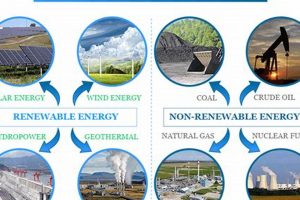
Resources that exist in limited quantities or are replenished at a rate slower than their consumption are categorized as finite. Prominent instances include fossil fuels such as coal, petroleum, and natural gas. These substances are formed over millions of years from the remains of organic matter subjected to intense pressure and heat within the Earth’s crust. Nuclear fuels, like uranium, which are essential for nuclear power generation, also fall under this classification due to their finite supply within the Earth.
The significance of understanding the finite nature of these materials lies in the implications for long-term energy security and environmental sustainability. Historically, the abundance of readily available fossil fuels fueled industrial revolutions and economic growth. However, the continuous extraction and combustion of these sources are linked to significant environmental consequences, including greenhouse gas emissions, climate change, and habitat destruction. Recognizing their limitations fosters innovation and investment in alternative energy sources and more efficient resource management practices.
Considering the environmental and societal ramifications of relying on limited stocks, a transition towards renewable alternatives is crucial. This transition involves exploring different sources of energy and improving conservation efforts.
Considerations Regarding Finite Resources
Effective management of resources present in fixed quantities is paramount for ensuring sustainable development and minimizing adverse environmental impacts. Prudent strategies focused on conservation, efficiency, and diversification are essential.
Tip 1: Prioritize Energy Conservation: Implement measures to reduce energy consumption in residential, commercial, and industrial sectors. This includes improving building insulation, utilizing energy-efficient appliances, and promoting behavioral changes to minimize unnecessary energy usage.
Tip 2: Enhance Energy Efficiency: Invest in technologies and processes that maximize energy output while minimizing input. Examples include upgrading industrial equipment, developing more efficient transportation systems, and improving power grid infrastructure to reduce transmission losses.
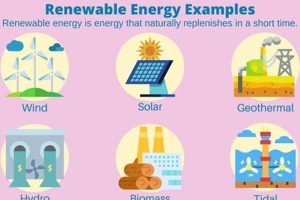
Tip 3: Diversify Energy Sources: Reduce reliance on single or limited stocks by exploring and developing alternative energy options. This includes investing in solar, wind, geothermal, and hydro power to create a more resilient and balanced energy portfolio.
Tip 4: Promote Recycling and Reuse: Implement comprehensive recycling programs to recover valuable materials from waste streams. Encourage the reuse of materials and products to reduce the demand for newly extracted resources.
Tip 5: Advance Technological Innovation: Invest in research and development to create innovative technologies that enable more efficient extraction, processing, and utilization of limited substances. This includes developing advanced materials, improving resource recovery techniques, and creating closed-loop systems.
Tip 6: Strategic Stockpiling: For resources critical to national security or economic stability, establish strategic stockpiles to mitigate supply disruptions. This requires careful planning, storage management, and regular review of stockpile levels.
Tip 7: Implement Carbon Capture and Storage: For processes that involve the use of carbon-based matter, explore and implement technologies to capture carbon dioxide emissions and store them safely underground. This can help to reduce the environmental impact associated with their utilization.
By implementing these strategies, societies can mitigate the risks associated with the depletion and improve resource security while fostering a more sustainable future.
Understanding these considerations is a crucial step towards a more sustainable and resilient future.
1. Fossil Fuels

Fossil fuels, encompassing coal, petroleum (oil), and natural gas, constitute a primary category within finite substances. Their classification stems from their origin: the fossilized remains of prehistoric plants and animals subjected to intense heat and pressure over millions of years. The formation process renders their replenishment rates negligible compared to the current rate of consumption, thus categorizing them as resources available in limited quantities. The direct link lies in their status as non-renewable; once depleted, their natural regeneration within a human timescale is improbable. For instance, the extraction of crude oil from vast underground reservoirs provides energy for transportation, heating, and electricity generation. However, each barrel extracted diminishes the overall global reserve. Similarly, coal mining provides fuel for power plants, but the finite supply necessitates exploration for new deposits as existing mines are exhausted.
The utilization of fossil fuels has far-reaching consequences, influencing both energy production and environmental stability. While providing a relatively inexpensive and readily available energy source, their combustion releases substantial amounts of greenhouse gasses, contributing significantly to climate change. This presents a tangible example of the cost-benefit analysis required when dealing with finite entities. The dependence on these energy sources also carries geopolitical implications, as countries with abundant reserves wield significant influence in global energy markets. Furthermore, the environmental damage associated with extraction and transportationoil spills, habitat destruction from miningadds to the argument for transitioning to sustainable alternatives.
In summary, fossil fuels stand as a critical, yet problematic, component of finite substances. Their contribution to global energy supplies is undeniable, but their limited quantity and environmental impact demand a shift toward renewable and sustainable energy sources. Recognizing this connection is crucial for developing effective energy policies and mitigating the long-term risks associated with their continued use.
2. Nuclear Fuels

Nuclear fuels, primarily uranium and plutonium, represent another significant category of resources with limited availability on Earth. Unlike fossil fuels, these elements are not derived from organic matter but are extracted from specific mineral deposits. Their presence in the Earth’s crust is finite; the total amount of uranium, for example, is fixed, and extraction diminishes the remaining reserve. The connection to finite reserves lies in the fact that their formation occurred over geological timescales within stars and during the Earth’s formation, rendering them non-renewable within a human context. Nuclear reactors utilize these fuels through nuclear fission, releasing vast amounts of energy. However, each kilogram of uranium consumed permanently depletes the available global supply.
The importance of nuclear fuels stems from their high energy density compared to fossil fuels. A relatively small amount of uranium can generate a considerable quantity of electricity, reducing the immediate demand for fossil fuels and associated greenhouse gas emissions. However, the utilization of nuclear fuels poses distinct challenges. The mining and processing of uranium ore can have significant environmental impacts, including habitat destruction and water contamination. Furthermore, the safe storage and disposal of radioactive waste generated during nuclear fission remain critical concerns. The risk of nuclear accidents, although relatively low given stringent safety protocols, also necessitates careful consideration when evaluating the long-term viability of nuclear power.
In conclusion, nuclear fuels serve as a critical component of energy strategies, offering a potent alternative to fossil fuels but simultaneously presenting unique environmental and safety challenges. Their finite nature underscores the necessity for responsible resource management, ongoing research into safer reactor designs, and the exploration of alternative nuclear fuel cycles, such as thorium-based reactors, to potentially extend the lifespan of nuclear power generation and mitigate long-term risks. Understanding the connection between nuclear fuels and the concept of limited quantities is vital for informed decision-making regarding energy policies and future energy technologies.
3. Depletion
Depletion, in the context of resources, signifies the reduction in the quantity of a substance due to extraction or use. This concept is intrinsically linked to sources available in limited quantities, as the finite nature of such materials means that any consumption inevitably reduces the remaining supply. The act of extracting and utilizing materials such as coal, oil, natural gas, and uranium is, by definition, an exercise in depletion. The rate of extraction surpassing the rate of natural replenishment characterizes the unsustainability inherent in reliance on these stocks. The consequence of continuous extraction without adequate mitigation strategies leads to reduced availability, increased costs, and potential geopolitical instability as reserves diminish.
The depletion of these commodities carries significant economic and environmental consequences. For instance, the continuous extraction of crude oil, a critical component of the global energy supply, results in the gradual decline of known reserves. As easily accessible oilfields are exhausted, extraction shifts to more challenging and costly environments, such as deep-sea drilling or unconventional sources like oil sands. These methods often entail greater environmental risks, including habitat destruction and increased greenhouse gas emissions. Similarly, the depletion of uranium ore necessitates the exploration and development of new mining sites, leading to environmental disruption and potential impacts on local communities. Furthermore, as reserves dwindle, the price of energy derived from these sources may increase, impacting consumers and industries globally.
Understanding the interconnectedness between depletion and reliance on sources available in limited quantities is crucial for formulating sustainable resource management strategies. The recognition that extracting a ton of coal or a barrel of oil removes a portion of a limited resource base necessitates prioritizing conservation efforts, investing in renewable energy alternatives, and implementing efficient resource utilization practices. The sustainable management of such items should not only ensure the availability of resources for future generations, but also helps to mitigate potential risks associated with over-extraction.
4. Environmental Impact
The utilization of resources present in limited quantities invariably generates environmental repercussions, establishing a direct correlation between extraction, processing, combustion, and ecological degradation. Coal mining, for instance, necessitates deforestation, habitat destruction, and soil erosion. Furthermore, the burning of coal releases substantial quantities of greenhouse gases, contributing to climate change, and pollutants such as sulfur dioxide and nitrogen oxides, which cause acid rain and respiratory problems. Oil extraction processes, including drilling and transportation, pose the risk of spills, contaminating marine ecosystems and coastal areas. Natural gas extraction, particularly through fracking, can lead to water contamination and induced seismicity. Nuclear fuel processing generates radioactive waste, necessitating long-term storage solutions and posing risks of environmental contamination if mishandled.
The magnitude of the environmental impact reinforces the imperative to transition toward sustainable alternatives. The continued reliance on fossil fuels amplifies the severity of climate change, resulting in rising global temperatures, sea-level rise, and increased frequency of extreme weather events. Acid rain, caused by the emission of sulfur dioxide and nitrogen oxides, damages forests, aquatic ecosystems, and infrastructure. The disposal of nuclear waste presents a long-term environmental hazard, requiring secure storage facilities that minimize the risk of contamination for thousands of years. Moreover, the geopolitical implications associated with finite reserves, particularly oil and gas, contribute to conflicts and instability, indirectly exacerbating environmental degradation in affected regions.
Minimizing the environmental impact associated with finite resources requires a multifaceted approach, encompassing energy conservation, enhanced efficiency, technological innovation, and a shift towards renewable energy sources. Investing in renewable energies, such as solar, wind, and geothermal, reduces the reliance on carbon emitting materials and decreases pollutants associated with those materials. The development and deployment of carbon capture and storage technologies can mitigate greenhouse gas emissions from fossil fuel-based power plants. Implementing stricter environmental regulations and promoting responsible resource management practices can minimize the impact of extraction and processing activities. Ultimately, the recognition of the intrinsic link between finite resources and environmental degradation necessitates a paradigm shift towards a sustainable and circular economy to ensure long-term ecological well-being.
5. Limited Quantity

The defining characteristic of a non-renewable resource is its existence in a limited quantity. This limitation stems from the fact that these materials are formed over geological timescales, far exceeding the rate at which they are consumed by human activities. The term “Limited Quantity” signifies that the total amount of these resources present on Earth is finite, and any extraction or utilization reduces the remaining available stock. This fundamental constraint drives the economic, environmental, and geopolitical considerations associated with fossil fuels, nuclear fuels, and other finite substances. For example, global oil reserves are not limitless; continuous extraction inevitably leads to a decline in readily accessible deposits, necessitating more complex and costly extraction methods. This is a direct consequence of a fixed natural availability and an ongoing rate of use. Understanding this link is important for a sustainable future.
The practical significance of recognizing “Limited Quantity” as a defining feature of non-renewable resources extends to various facets of resource management. It necessitates the implementation of conservation strategies to extend the lifespan of existing reserves. It also drives innovation in the development and deployment of renewable energy technologies, offering alternatives to finite sources. Moreover, it highlights the importance of responsible resource utilization, minimizing waste and maximizing efficiency to reduce overall consumption. For instance, government policies promoting energy-efficient appliances and building designs can contribute to reducing energy demand, thereby slowing the depletion of fossil fuel reserves. The concept extends into industrial processes, where recycling programs are implemented to recover raw materials from discarded products, lessening reliance on natural extraction.
In conclusion, the “Limited Quantity” aspect is fundamental to understanding “what are examples of non-renewable resources.” It forms the bedrock of concerns regarding resource security, environmental sustainability, and long-term economic stability. Recognizing this constraint is crucial for guiding decision-making processes, stimulating investment in alternative solutions, and fostering a more sustainable relationship with the Earth’s finite resources. Overcoming challenges, related to our dependency, begins with acknowledging the fact of what is available is of a set amount, that when consumed is never coming back. The link between our use and the planet’s reserves requires mindful resource management for future generations.
Frequently Asked Questions
This section addresses common inquiries regarding materials present in limited quantities, providing clarity on their nature, implications, and sustainable alternatives.
Question 1: What constitutes a resource being classified as finite?
A resource is classified as finite when its rate of consumption surpasses its rate of natural replenishment. This means that the total quantity available is effectively fixed, and its extraction reduces the remaining supply.
Question 2: What are the primary examples of resources available in limited quantities used for energy production?
The primary examples include fossil fuels such as coal, petroleum (oil), and natural gas, as well as nuclear fuels like uranium. These materials provide significant energy, but their finite nature necessitates exploration of alternative sources.
Question 3: How does the use of resources present in limited quantities contribute to environmental problems?
The extraction, processing, and combustion of these materials release pollutants into the atmosphere and disrupt ecosystems. Greenhouse gas emissions, acid rain, and habitat destruction are common consequences.
Question 4: What are some strategies to mitigate the impact of depleting finite resources?
Strategies include energy conservation, enhanced energy efficiency, diversification of energy sources, recycling and reuse of materials, and investment in technological innovation.
Question 5: How does resource depletion affect the economy and global stability?
Resource depletion can lead to increased energy costs, economic instability, and geopolitical tensions as nations compete for access to dwindling reserves.
Question 6: What role does technology play in addressing the challenges associated with finite resources?
Technological advancements can improve resource extraction efficiency, develop renewable energy sources, and enable carbon capture and storage, all of which can help mitigate the impacts of resource depletion.
The careful management of resources that are available in limited quantities is crucial for securing energy supplies, reducing environmental impacts, and promoting a sustainable future for generations to come.
Moving towards a future in which we utilize more sustainable energies and resources will lead to overall improvements for the Earth.
Conclusion
This exploration of what are examples of non renewable resources has highlighted the critical importance of recognizing the finite nature of essential energy sources. Fossil fuels and nuclear fuels, while currently vital to global energy production, are limited in their availability. The continuous depletion of these resources carries substantial environmental and economic consequences, underscoring the need for proactive and sustainable resource management.
The long-term well-being of both society and the environment hinges on a transition toward renewable energy sources and responsible consumption practices. Continued reliance on limited stores presents escalating risks, necessitating immediate action. A strategic shift is paramount to ensure future generations inherit a stable and sustainable world. It is in the understanding that these resources are limited, which will ultimately prompt the proper actions.
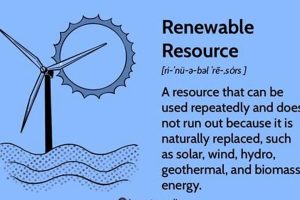
![Guide to What Energy Resources Are Renewable [+Future] | Renewable Energy Solutions for a Sustainable Future | Clean & Green Power](https://pplrenewableenergy.com/wp-content/uploads/2026/03/th-516-300x200.jpg "Guide to What Energy Resources Are Renewable [+Future] Renewable Energy Solutions for a Sustainable Future | Clean & Green Power")