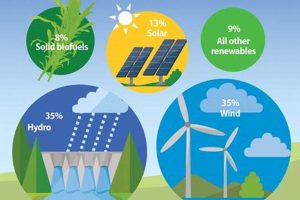
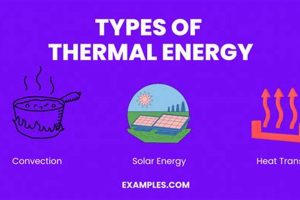
Energy derived from natural sources that are replenished at a higher rate than they are consumed is categorized as renewable. Examples include solar power harnessed from sunlight, wind power generated by wind turbines, hydropower derived from flowing water, geothermal energy extracted from the Earth’s internal heat, and bioenergy obtained from organic matter. These sources stand in contrast to fossil fuels, which are finite and contribute significantly to environmental concerns.
The shift toward these sustainable resources offers numerous advantages, including a reduction in greenhouse gas emissions and mitigation of climate change, decreased reliance on finite fossil fuel reserves, enhanced energy security through diversified supply, and stimulation of economic growth through job creation and technological innovation. Historically, reliance on renewable sources was commonplace; however, the advent of the industrial revolution led to a dependence on fossil fuels. The growing awareness of environmental and resource limitations has revitalized interest in and development of renewable energy technologies.
This understanding of sustainable energy sources serves as a foundation for exploring specific technologies, their applications, and their role in the global transition towards a cleaner and more sustainable energy future. Further exploration will delve into the distinct characteristics, advantages, and challenges associated with each renewable energy type, as well as the policy frameworks and economic drivers that shape their development and deployment.
Tips for Understanding Renewable Energy
Navigating the complexities of renewable energy requires a grasp of fundamental concepts and practical considerations. The following tips provide guidance for informed decision-making and effective engagement with this critical field.
Tip 1: Research Diverse Renewable Energy Sources: Explore various options, including solar, wind, hydro, geothermal, and biomass, to understand their unique characteristics, advantages, and limitations. Consider regional suitability and resource availability.
Tip 2: Evaluate Energy Efficiency Measures: Prioritize reducing energy consumption through improved insulation, efficient appliances, and behavioral changes. This minimizes reliance on any energy source, including renewables.
Tip 3: Calculate Return on Investment: Analyze the long-term financial implications of investing in renewable energy systems, considering installation costs, energy savings, and potential incentives or rebates.
Tip 4: Understand Local Regulations and Policies: Familiarize oneself with permitting requirements, building codes, and interconnection processes specific to the local jurisdiction. Explore available government incentives and support programs.
Tip 5: Consult with Qualified Professionals: Seek expert advice from engineers, contractors, and energy consultants to ensure proper system design, installation, and maintenance.
Tip 6: Consider Environmental Impact: While generally considered environmentally friendly, renewable energy technologies can still have ecological impacts. Assess potential effects on land use, wildlife, and water resources.
Tip 7: Stay Informed About Technological Advancements: The renewable energy sector is constantly evolving. Keep abreast of the latest innovations and research to optimize system performance and cost-effectiveness.
By integrating these considerations into energy-related decisions, individuals and communities can contribute to a more sustainable future through informed adoption and utilization of renewable resources.
This practical guidance lays the groundwork for informed decision-making and responsible engagement with the transition to a sustainable energy future. The following conclusion will summarize key takeaways and offer a forward-looking perspective on the role of renewable energy.
1. Sustainable Source

The concept of a “sustainable source” is integral to the definition of renewable energy. Renewable energy, by its very nature, must be derived from a source that can be replenished naturally over a relatively short period, ensuring a continuous supply. This contrasts sharply with non-renewable sources like fossil fuels, which are finite and deplete over time. The sustainability of the source is what allows renewable energy to be considered a long-term solution for power generation, mitigating the risks associated with resource depletion and price volatility inherent in finite energy sources. For example, solar energy relies on sunlight, a virtually inexhaustible resource, while hydropower utilizes the continuous water cycle. This reliance on naturally replenishing resources establishes the fundamental sustainability of these energy forms.
The practical significance of this connection lies in the long-term viability of renewable energy systems. A sustainable source ensures that the energy supply remains consistent and accessible, reducing dependence on finite resources and promoting energy security. This has profound implications for economic development, environmental protection, and geopolitical stability. Utilizing sustainable sources minimizes the environmental footprint associated with energy production, contributing to a reduction in greenhouse gas emissions and a transition towards a cleaner energy future. Furthermore, reliance on sustainable sources fosters innovation in energy technologies and creates new economic opportunities in the renewable energy sector.
In summary, the sustainability of the source is a defining characteristic of renewable energy, underpinning its potential to address critical global challenges. While technological advancements continue to improve the efficiency and affordability of renewable energy systems, the fundamental principle of relying on a sustainable source remains paramount. Future developments in renewable energy technologies must continue to prioritize sustainability to ensure the long-term viability and effectiveness of these crucial resources.
2. Natural Replenishment

Natural replenishment is a cornerstone of the definition of renewable energy, distinguishing it from finite fossil fuels. It refers to the inherent ability of renewable energy sources to regenerate themselves naturally within a human timescale, ensuring a continuous supply. This continuous cycle of renewal is crucial for sustained energy generation and reduces reliance on depletable resources. Understanding natural replenishment is fundamental to grasping the long-term viability and environmental benefits of renewable energy technologies.
- Solar Energy and the Solar Cycle
Solar energy exemplifies natural replenishment through the continuous solar cycle. The sun, a virtually inexhaustible resource, constantly radiates energy, making it a reliable and sustainable source of power. Photovoltaic cells capture this readily available sunlight and convert it into electricity, showcasing a direct link between natural replenishment and energy generation.
- Wind Energy and Atmospheric Circulation
Wind energy relies on the Earth’s atmospheric circulation patterns, a continuous natural process driven by temperature differences and the planet’s rotation. Wind turbines harness this kinetic energy, converting it into electricity. The continuous nature of wind patterns ensures ongoing replenishment and underscores the sustainability of wind power.
- Hydropower and the Water Cycle
Hydropower leverages the continuous water cycle, a natural process of evaporation, condensation, and precipitation. The flow of water drives turbines, generating electricity. This continuous cycle of water movement ensures consistent replenishment, making hydropower a reliable renewable energy source.
- Geothermal Energy and Earth’s Internal Heat
Geothermal energy taps into the Earth’s internal heat, a continuous source of thermal energy. This heat is accessed through geothermal power plants, which utilize steam and hot water from underground reservoirs to generate electricity. The Earth’s internal heat is a vast and continuously replenished resource, providing a sustainable source of energy.
These examples demonstrate how natural replenishment is intrinsic to various renewable energy sources. This continuous regeneration capacity is what defines these resources as renewable and differentiates them from finite fossil fuels. By understanding the natural processes that drive these replenishment cycles, one can appreciate the long-term viability and sustainability of renewable energy as a solution to global energy demands. This characteristic of continuous renewal also contributes significantly to the environmental advantages of renewable energy, mitigating the negative impacts associated with fossil fuel consumption.
3. Energy Generation

Energy generation is a critical component within the definition of renewable energy, representing the process of converting renewable resources into usable power. This process distinguishes renewable energy from simply possessing a sustainable resource. The method of energy generation significantly influences the efficiency, cost-effectiveness, and environmental impact of each renewable energy technology. Examining various energy generation processes provides essential insights into the practical application and potential of renewable energy sources.
- Photovoltaic Conversion (Solar Energy)
Photovoltaic (PV) cells, commonly known as solar panels, directly convert sunlight into electricity using semiconducting materials. When photons from sunlight strike these materials, they dislodge electrons, creating an electrical current. This direct conversion process is a key advantage of solar energy, making it a readily deployable and scalable technology for distributed power generation. Rooftop solar installations on residential and commercial buildings exemplify this distributed approach, reducing reliance on centralized power grids and empowering individuals and communities to generate their own clean energy.
- Mechanical Conversion (Wind Energy)
Wind energy relies on mechanical conversion, where the kinetic energy of wind is captured by wind turbines and transformed into electricity. The rotating blades of a wind turbine drive a generator, producing electrical power. The efficiency of this process depends on factors such as wind speed, turbine design, and location. Large-scale wind farms, often situated in areas with consistent high wind speeds, effectively harness this mechanical conversion process to generate significant amounts of electricity.
- Gravitational Conversion (Hydropower)
Hydropower utilizes gravitational conversion, harnessing the potential energy of water stored at elevation. As water flows downhill, it drives turbines connected to generators, producing electricity. Dams play a critical role in creating the elevation difference necessary for this process. While hydropower offers a reliable and established technology for large-scale power generation, the construction of dams can have significant environmental and social impacts, necessitating careful planning and consideration.
- Thermal Conversion (Geothermal Energy)
Geothermal energy relies on thermal conversion, utilizing the Earth’s internal heat to generate electricity. Geothermal power plants access underground reservoirs of steam and hot water, which drive turbines connected to generators. This process requires specific geological conditions and is typically implemented in regions with high geothermal activity. Enhanced geothermal systems (EGS) represent a developing technology aiming to expand the accessibility of geothermal energy by artificially creating or enhancing underground reservoirs.
These distinct energy generation processes demonstrate the diverse ways renewable resources are harnessed to produce usable power. Understanding these processes is fundamental to evaluating the effectiveness, scalability, and environmental impact of different renewable energy technologies. Further exploration of energy storage, grid integration, and policy frameworks is essential to fully comprehend the role of renewable energy in achieving a sustainable energy future. The methods of energy generation directly influence the economic viability and environmental impact of these technologies, highlighting the importance of continuous innovation and optimization in the renewable energy sector.
4. Resource Availability

Resource availability is a critical factor in the definition and practical application of renewable energy. The geographic distribution and abundance of renewable resources significantly influence the feasibility and cost-effectiveness of different renewable energy technologies. Understanding resource availability is essential for strategic planning and effective implementation of renewable energy projects, ensuring their long-term viability and contribution to a sustainable energy future. Different renewable energy sources exhibit varying degrees of availability depending on geographical location and specific resource characteristics.
- Solar Energy and Solar Irradiance
Solar energy availability is directly linked to solar irradiance, the amount of solar power per unit area. Regions with high solar irradiance, such as deserts and equatorial areas, are ideal locations for solar power generation. Variations in solar irradiance due to latitude, time of day, and weather patterns influence the performance and output of solar energy systems. Understanding local solar irradiance data is essential for optimizing system design and maximizing energy production. Accurate assessment of solar resource availability informs decisions regarding solar panel placement, system sizing, and energy storage requirements.
- Wind Energy and Wind Resources
Wind energy availability is determined by wind speed and consistency. Coastal regions, mountainous areas, and open plains often experience higher and more consistent wind speeds, making them suitable for wind farms. Wind resource maps, derived from meteorological data and wind measurements, provide crucial information for identifying optimal locations for wind turbines. The variability of wind resources necessitates careful site selection and integration with energy storage solutions to ensure a reliable power supply.
- Hydropower and Water Resources
Hydropower relies on the availability of flowing water, which can be influenced by precipitation patterns, river flow rates, and seasonal variations. Regions with abundant rainfall and established river systems are generally suitable for hydropower projects. However, water resource availability can be impacted by climate change, droughts, and competing demands for water use. Sustainable water management practices are essential for ensuring the long-term viability of hydropower generation and minimizing environmental impacts.
- Geothermal Energy and Geothermal Resources
Geothermal energy availability is determined by the presence of geothermal reservoirs, underground areas of hot water and steam. These resources are typically found in volcanically active regions or areas with high heat flow from the Earth’s interior. Accessing these geothermal resources requires specific geological conditions and drilling technologies. The availability of geothermal resources varies significantly geographically, limiting the widespread deployment of geothermal power plants compared to more geographically dispersed resources like solar and wind.
These factors highlight the crucial link between resource availability and the practical implementation of renewable energy technologies. Careful assessment of resource availability is paramount for project planning, system design, and ultimately, the successful integration of renewable energy into the broader energy landscape. The variability of resource availability also underscores the importance of energy storage solutions and grid management strategies to ensure a reliable and consistent power supply. As renewable energy technologies continue to advance, understanding and adapting to the geographical and temporal variations in resource availability will remain a critical aspect of harnessing the full potential of these sustainable energy sources.
5. Environmental Impact

Environmental impact is an integral aspect of the definition of renewable energy, distinguishing it from conventional fossil fuels. The reduced environmental footprint associated with renewable energy sources is a key driver for their adoption and development. Analyzing the environmental impact of renewable energy requires considering various facets, including greenhouse gas emissions, land use, water usage, and ecosystem effects. Understanding these facets is crucial for evaluating the true sustainability of renewable energy technologies and informing responsible deployment strategies.
- Greenhouse Gas Emissions
Renewable energy sources significantly reduce greenhouse gas emissions compared to fossil fuels. Solar and wind power, for example, produce virtually no greenhouse gas emissions during operation, mitigating climate change. This reduction in emissions contributes to cleaner air and a healthier environment. Life-cycle assessments, which consider emissions from manufacturing, installation, and decommissioning, provide a comprehensive evaluation of the overall environmental impact. While renewable energy technologies offer substantial emissions reductions, minimizing the environmental footprint of their entire life cycle remains an ongoing area of focus.
- Land Use
Land use requirements vary significantly among renewable energy technologies. Large-scale solar and wind farms can require substantial land areas, potentially impacting ecosystems and agricultural land. Rooftop solar installations, on the other hand, minimize land use by utilizing existing infrastructure. Careful site selection and land management practices are essential for minimizing the land use impact of renewable energy projects. Strategies such as co-locating solar farms with agricultural activities or integrating renewable energy infrastructure into existing urban environments can help optimize land use and minimize environmental disruption.
- Water Usage
Water usage is a factor in certain renewable energy technologies. Hydropower, for example, requires substantial water resources for dam construction and reservoir management. Concentrated solar power plants also utilize water for cooling purposes. Minimizing water consumption and implementing sustainable water management practices are crucial for reducing the environmental impact of these technologies. Dry cooling technologies and alternative cooling methods are being developed to address water usage concerns in arid and water-stressed regions.
- Ecosystem Effects
Renewable energy projects can have varying effects on ecosystems. Wind turbines can pose risks to birds and bats, while hydropower dams can alter river ecosystems and fish migration patterns. Mitigation strategies, such as careful turbine placement and fish ladders, are essential for minimizing these impacts. Environmental impact assessments and ongoing monitoring are crucial for understanding and addressing the potential ecological effects of renewable energy development. Sustainable development practices prioritize minimizing ecosystem disruption and promoting biodiversity conservation alongside renewable energy deployment.
These environmental considerations are integral to the definition and implementation of renewable energy. While renewable energy sources offer significant environmental advantages over fossil fuels, careful planning, mitigation strategies, and ongoing monitoring are crucial for minimizing potential impacts and ensuring true sustainability. The continuous development and refinement of renewable energy technologies, coupled with responsible deployment practices, are essential for achieving a clean energy future while safeguarding the environment. A comprehensive understanding of these environmental facets allows for informed decision-making and responsible integration of renewable energy into the global energy mix.
Frequently Asked Questions about Renewable Energy
This section addresses common inquiries regarding renewable energy, providing concise and informative responses to clarify key concepts and address potential misconceptions.
Question 1: How does renewable energy differ from conventional energy sources?
Renewable energy sources are naturally replenished over a relatively short period, unlike finite fossil fuels. This replenishment cycle ensures a sustainable supply and reduces reliance on depletable resources. Conventional energy sources, primarily fossil fuels, are finite and contribute significantly to greenhouse gas emissions.
Question 2: What are the primary types of renewable energy?
The main types of renewable energy include solar, wind, hydro, geothermal, and biomass. Each source harnesses a different natural process for energy generation, from sunlight and wind to the Earth’s internal heat and organic matter.
Question 3: How does renewable energy contribute to environmental sustainability?
Renewable energy significantly reduces greenhouse gas emissions compared to fossil fuels, mitigating climate change and improving air quality. Utilizing sustainable resources also reduces reliance on finite reserves and minimizes environmental damage associated with resource extraction.
Question 4: What are the economic benefits of transitioning to renewable energy?
The transition to renewable energy stimulates economic growth by creating jobs in manufacturing, installation, maintenance, and research. It also enhances energy independence by diversifying energy sources and reducing reliance on imported fuels, thus bolstering energy security.
Question 5: What are the challenges associated with implementing renewable energy technologies?
Challenges include the intermittency of some renewable resources (like solar and wind), the need for efficient energy storage solutions, grid integration complexities, and the initial costs of transitioning from existing infrastructure. Technological advancements and supportive policies address these challenges.
Question 6: How can individuals contribute to the adoption of renewable energy?
Individuals can support renewable energy by investing in rooftop solar installations, choosing energy-efficient appliances, advocating for supportive policies, and making informed decisions about their energy consumption. Collective action and informed choices accelerate the transition to a sustainable energy future.
Understanding these fundamental aspects of renewable energy enables informed decision-making and fosters greater engagement in the global transition towards sustainable energy solutions.
The subsequent sections will delve into specific renewable energy technologies, exploring their unique characteristics, benefits, and challenges in greater detail.
Conclusion
Defining renewable energy requires a comprehensive understanding of its multifaceted nature. This exploration has highlighted key aspects, including the necessity of a sustainable, naturally replenishing source, the diverse methods of energy generation, the geographical and temporal variations in resource availability, and the crucial consideration of environmental impacts. Distinguishing renewable energy from finite fossil fuels is essential for recognizing its role in achieving a sustainable energy future. The diverse forms of renewable energy, from solar and wind power to hydropower, geothermal energy, and biomass, offer viable alternatives to conventional energy sources, each with unique characteristics and potential contributions to the global energy mix.
The transition to a renewable energy-powered world necessitates continuous technological advancements, strategic policy frameworks, and informed public engagement. Addressing challenges related to intermittency, storage, and infrastructure is crucial for maximizing the potential of these resources. The ongoing exploration and implementation of renewable energy technologies hold profound implications for environmental sustainability, economic development, and global energy security. A collective commitment to innovation and responsible deployment is essential to fully realizing the transformative potential of renewable energy and securing a sustainable future for generations to come.