


Clean power generation across North, Central, and South America utilizes various technologies, including solar, wind, hydro, geothermal, and biomass. For instance, large-scale solar farms in the deserts of Chile leverage abundant sunlight,... Read more »
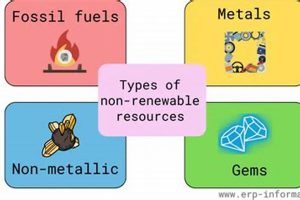
Resources that exist in limited quantities or are replenished at a rate slower than their consumption are categorized as finite. Prominent instances include fossil fuels such as coal, petroleum, and natural gas.... Read more »

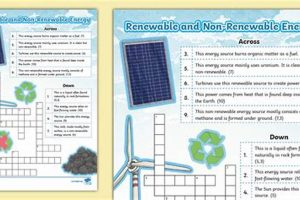
A crossword puzzle focused on the terminology and concepts related to sustainable power sources like solar, wind, hydro, geothermal, and biomass energy offers an engaging and educational way to explore this vital... Read more »
Governmental bodies dedicated to promoting sustainable energy practices typically focus on two key areas: reducing energy consumption through optimized processes and technologies, and increasing the adoption of energy sources that replenish naturally.... Read more »
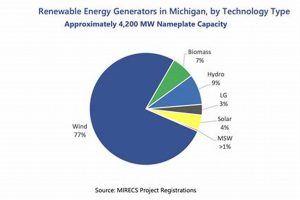
Sustainable power generated in the Great Lakes State comes from sources like solar, wind, hydroelectric, biomass, and geothermal. For example, wind turbines harness kinetic energy to produce electricity, while solar panels convert... Read more »
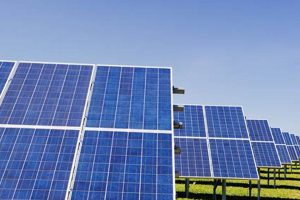
Resources like sunlight, wind, water, and geothermal heat are transformed into usable forms of power, often traded and exchanged like traditional energy sources. These sources can be harnessed to generate electricity, heat,... Read more »
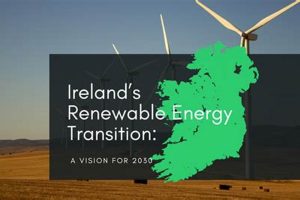
Harnessing naturally replenishing resources like wind, solar, hydro, and biomass power is vital for the Irish energy sector. For example, wind farms contribute significantly to the national grid, particularly offshore installations which... Read more »
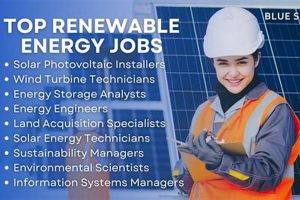
Employment opportunities within the renewable energy sector encompass a diverse range of roles, from scientists and engineers developing cutting-edge technologies to technicians and installers deploying and maintaining these systems. Examples include solar... Read more »
Renewable energy certificates (RECs), also known as green tags, represent the environmental attributes of one megawatt-hour (MWh) of electricity generated from a renewable source. For example, a solar farm generates both electricity... Read more »
Improved methods of harnessing power from natural sources like sunlight, wind, and geothermal heat are constantly being developed. For example, perovskite solar cells offer increased efficiency and lower manufacturing costs compared to... Read more »