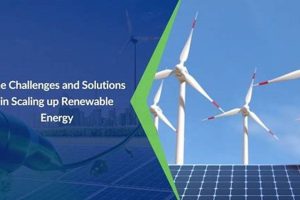
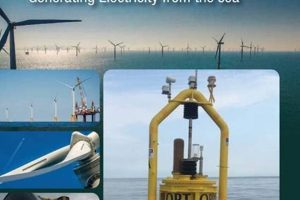
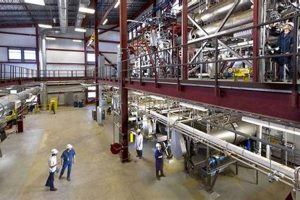
Improved methods of harnessing power from natural sources like sunlight, wind, and geothermal heat are constantly being developed. For example, perovskite solar cells offer increased efficiency and lower manufacturing costs compared to traditional silicon-based cells. Similarly, floating offshore wind turbines allow access to stronger and more consistent winds, increasing energy generation potential.
The development of cleaner energy sources is critical for mitigating climate change by reducing reliance on fossil fuels. This evolution also contributes to energy independence and security by diversifying energy portfolios. Historically, advancements have followed a trajectory from basic windmills and hydroelectric dams to sophisticated systems integrating smart grids and energy storage solutions. This progress drives economic growth by creating new industries and jobs.
This article will delve into specific advancements in various renewable energy sectors, examining their impact on the global energy landscape and future prospects for a sustainable energy future.
Tips for Supporting Sustainable Energy Development
The following tips offer practical guidance on contributing to a future powered by cleaner energy sources. These suggestions focus on individual and collective actions that can accelerate the adoption and implementation of innovative energy solutions.
Tip 1: Invest in Energy-Efficient Appliances: Choosing appliances with high energy efficiency ratings reduces overall energy consumption and supports the transition to a more sustainable energy system. Look for labels like Energy Star to identify products that meet stringent efficiency standards.
Tip 2: Explore Community Solar or Wind Projects: Participating in community-based renewable energy projects provides access to clean energy even without installing individual systems. These initiatives often involve shared ownership or subscription models.
Tip 3: Advocate for Supportive Policies: Contacting elected officials to express support for policies that incentivize renewable energy development and research can create a favorable environment for innovation and investment.
Tip 4: Reduce Energy Consumption: Simple changes in daily habits, such as using less hot water, turning off lights when leaving a room, and unplugging electronics when not in use, can significantly reduce individual energy footprints.
Tip 5: Support Businesses Committed to Sustainability: Patronizing businesses that prioritize renewable energy and sustainable practices encourages wider adoption of environmentally responsible approaches.
Tip 6: Stay Informed About Technological Advancements: Keeping abreast of the latest developments in renewable energy technology empowers individuals to make informed decisions about energy choices and investments.
Tip 7: Consider Electric Vehicles: Transitioning to electric vehicles powered by renewable energy sources helps reduce reliance on fossil fuel-powered transportation.
By incorporating these tips into daily life, individuals can actively participate in the global shift toward a cleaner, more sustainable energy future. Collective action, driven by informed choices, is crucial for accelerating the development and adoption of innovative energy technologies.
The transition to a sustainable energy future requires a multifaceted approach involving technological innovation, policy changes, and individual actions. This article concludes with a look at the challenges and opportunities that lie ahead.
1. Improved Energy Storage

Reliable and efficient energy storage is crucial for maximizing the impact of renewable energy sources. The intermittent nature of solar and wind power necessitates effective storage solutions to ensure a consistent energy supply, regardless of weather conditions or time of day. Advancements in energy storage technologies are therefore essential for integrating renewable sources into the power grid and reducing reliance on traditional fossil fuels.
- Battery Storage Advancements
Battery technology continues to evolve, with lithium-ion batteries currently dominating the market. Research focuses on increasing energy density, extending lifespan, and enhancing safety. Examples include solid-state batteries, flow batteries, and advancements in lithium-sulfur chemistries. These improvements contribute to greater grid stability by storing excess renewable energy for use during periods of low generation, reducing reliance on fossil fuel peaker plants.
- Pumped Hydro Storage
Pumped hydro storage, a mature technology, utilizes two reservoirs at different elevations. Excess energy pumps water uphill to the upper reservoir, which is then released downhill through turbines to generate electricity when needed. While geographically constrained, pumped hydro offers large-scale storage capacity crucial for balancing intermittent renewable energy sources.
- Thermal Energy Storage
Thermal energy storage systems store excess heat or cold for later use. Molten salt storage, for example, retains heat generated by concentrated solar power plants, enabling electricity generation even after sunset. Other thermal storage methods involve using phase-change materials or storing heat in underground reservoirs. This technology increases the dispatchability of renewable energy sources, providing a consistent energy supply.
- Hydrogen Storage
Hydrogen, produced through electrolysis using renewable energy, offers a versatile energy storage medium. Excess renewable energy can be converted into hydrogen and stored for later use in fuel cells or power plants. Hydrogen storage addresses long-duration energy storage needs and facilitates decarbonizing sectors like transportation and industry.
These advancements in energy storage are integral to the broader progress in renewable energy technologies. By addressing the intermittency challenges associated with renewable sources, improved storage solutions enhance grid stability, increase the penetration of renewable energy, and contribute to a more sustainable and resilient energy future. Further research and development in these areas are crucial for achieving a fully decarbonized energy system.
2. Smart Grid Integration

Smart grid integration represents a critical component of advancements in renewable energy technology. The inherent intermittency of renewable sources like solar and wind power necessitates a more intelligent and flexible grid infrastructure to ensure efficient and reliable energy delivery. Smart grids, utilizing digital technologies, two-way communication, and advanced sensors, address this challenge by enabling dynamic management of energy supply and demand. This integration enhances the reliability of renewable energy, facilitating its wider adoption and contributing to a more stable and resilient power system.
Smart grids facilitate real-time monitoring of energy generation and consumption patterns, enabling optimized energy distribution. For instance, when solar power generation peaks during sunny periods, smart grids can intelligently redirect excess energy to storage systems or areas with higher demand, minimizing curtailment (the intentional reduction of renewable energy output due to grid limitations). Conversely, during periods of low renewable generation, smart grids can seamlessly integrate other sources, like stored energy or conventional power plants, ensuring a consistent energy supply. This dynamic management is further enhanced by demand-response programs, where consumers adjust their energy use based on grid conditions, contributing to grid stability and maximizing the utilization of renewable energy.
The integration of smart grids with advanced metering infrastructure (AMI) provides consumers with detailed insights into their energy usage patterns, empowering them to make informed decisions about energy consumption. This data transparency fosters energy efficiency and reduces peak demand, contributing to the overall effectiveness of renewable energy integration. Furthermore, smart grids enhance grid resilience by enabling faster detection and isolation of faults, minimizing outage durations and improving the reliability of the power system. The convergence of smart grid technologies with renewable energy sources represents a significant step toward a more sustainable, efficient, and reliable energy future, paving the way for increased penetration of clean energy and a reduced reliance on fossil fuels.
3. Cost Reduction Efforts

Declining costs represent a pivotal driver of widespread renewable energy adoption. Technological advancements play a crucial role in these cost reductions, creating a positive feedback loop that accelerates the transition to sustainable energy systems. As technologies mature and manufacturing processes become more efficient, economies of scale come into play, further driving down costs and making renewable energy increasingly competitive with conventional fossil fuels. This cost competitiveness is essential for incentivizing investment in renewable energy infrastructure and accelerating the global shift toward cleaner energy sources.
Several factors contribute to cost reductions in renewable energy technologies. For example, advancements in photovoltaic cell technology, such as the development of thin-film and perovskite solar cells, have significantly reduced the cost of solar panels. Similarly, innovations in wind turbine design, including larger rotor diameters and improved blade aerodynamics, have increased energy capture efficiency and lowered the cost of wind energy. Furthermore, streamlined manufacturing processes, automated production techniques, and the use of less expensive materials contribute to cost reductions across various renewable energy technologies. The resulting lower capital costs, coupled with declining operational and maintenance expenses, enhance the financial viability of renewable energy projects, making them increasingly attractive to investors and utilities.
The continued decline in renewable energy costs has profound implications for the global energy landscape. As renewable energy becomes more affordable, its adoption accelerates, leading to a reduction in greenhouse gas emissions and a decreased reliance on fossil fuels. This transition has significant economic benefits, creating new jobs in the renewable energy sector and stimulating economic growth in related industries. Moreover, cost reductions enhance energy access in developing countries, providing clean and affordable power to communities lacking access to traditional energy sources. Addressing the remaining cost barriers, particularly in areas like energy storage and grid integration, will be crucial for realizing the full potential of renewable energy and achieving a sustainable energy future.
4. Enhanced Energy Efficiency

Enhanced energy efficiency plays a crucial role in maximizing the impact of renewable energy technologies. While advancements in renewable energy generation are essential, minimizing energy consumption through efficiency improvements reduces the overall demand for energy, allowing renewable sources to meet a larger portion of the total energy need. This synergistic relationship between renewable energy generation and energy efficiency accelerates the transition to a sustainable energy system by reducing reliance on fossil fuels and minimizing environmental impact. Improved energy efficiency amplifies the benefits of renewable energy, creating a more effective and sustainable energy solution. For example, advancements in building insulation materials reduce energy consumption for heating and cooling, thereby lowering the demand for electricity generated from renewable or conventional sources. Similarly, more efficient electric motors in industrial applications decrease electricity consumption, maximizing the impact of renewable energy generation.
The practical significance of enhanced energy efficiency extends across various sectors. In the building sector, improved insulation, energy-efficient windows, and smart thermostats contribute to reduced energy consumption. In the transportation sector, lighter materials, aerodynamic designs, and regenerative braking systems in electric vehicles enhance energy efficiency, extending their range and reducing reliance on charging infrastructure. Industrial processes benefit from optimized energy management systems, waste heat recovery, and more efficient machinery, minimizing energy waste and maximizing the use of renewable energy. These examples highlight the crucial role of energy efficiency in various applications, demonstrating its importance as a key component of advances in renewable energy technology.
The pursuit of enhanced energy efficiency, alongside advancements in renewable energy generation, represents a comprehensive approach to achieving a sustainable energy future. Addressing both energy supply and demand through technological innovation and behavioral changes is essential for minimizing environmental impact and ensuring a reliable and affordable energy supply for future generations. Continued focus on energy efficiency complements and amplifies the benefits of renewable energy technologies, accelerating the global transition towards a more sustainable and resilient energy system. Integrating energy efficiency strategies into policy frameworks and promoting their adoption across various sectors remains a critical challenge and opportunity in the ongoing pursuit of a cleaner energy future.
5. Next-Generation Materials

Next-generation materials are essential for pushing the boundaries of renewable energy technology. These advanced materials, often with unique chemical compositions and physical properties, offer improvements in efficiency, durability, and cost-effectiveness across various renewable energy applications. The development and implementation of these materials represent a crucial aspect of progress in renewable energy, addressing existing limitations and unlocking new possibilities for sustainable energy generation, storage, and transmission. For example, perovskite materials are emerging as a promising alternative to traditional silicon in solar cells, offering the potential for higher efficiencies and lower manufacturing costs. Similarly, advanced composite materials are used in wind turbine blades to increase their strength and durability while reducing weight, enabling larger and more efficient turbines. The development of solid-state electrolytes for batteries promises safer and more energy-dense storage solutions for renewable energy integration.
The relationship between next-generation materials and renewable energy advancements is symbiotic. Advances in materials science directly translate into improved performance and reduced costs in renewable energy technologies. Conversely, the growing demand for renewable energy solutions drives research and development in materials science, creating a virtuous cycle of innovation. For example, the need for more efficient solar cells has spurred the development of perovskite materials, while the demand for lighter and stronger wind turbine blades has led to advancements in composite materials. In the realm of energy storage, the quest for higher energy density and improved safety has propelled research into solid-state electrolytes. These intertwined advancements highlight the practical significance of materials science in driving progress toward a sustainable energy future.
Further exploration and development of next-generation materials are crucial for overcoming existing challenges and unlocking the full potential of renewable energy technologies. Research into novel materials with tailored properties, combined with innovative manufacturing techniques, promises to continue driving improvements in efficiency, durability, and cost-effectiveness across various renewable energy applications. Addressing challenges related to material availability, scalability of production, and environmental impact will be essential for realizing the widespread adoption of these advanced materials and achieving a truly sustainable energy future. The continued interplay between materials science and renewable energy engineering holds the key to unlocking transformative advancements in clean energy technologies and achieving a global transition to a sustainable energy future.
6. Artificial Intelligence
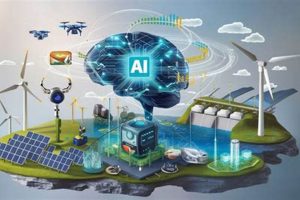
Artificial intelligence (AI) is becoming increasingly integral to advancements in renewable energy technology. AI algorithms, capable of processing vast datasets and identifying complex patterns, offer significant potential for optimizing renewable energy systems, improving efficiency, and reducing costs. This integration of AI spans various aspects of renewable energy, from optimizing energy generation and storage to enhancing grid management and predictive maintenance. AI’s ability to analyze weather patterns, predict energy demand, and optimize the operation of renewable energy assets contributes significantly to maximizing their effectiveness and integration into the broader energy infrastructure. For example, AI algorithms can predict cloud cover and adjust the angle of solar panels to maximize sunlight capture, increasing energy generation. Similarly, AI can analyze wind patterns and turbine performance data to predict maintenance needs, minimizing downtime and maximizing energy output.
The practical applications of AI in renewable energy are diverse and constantly expanding. In wind energy, AI optimizes turbine placement, controls blade pitch for maximum energy capture, and predicts maintenance needs to reduce downtime. In solar energy, AI forecasts solar irradiance, optimizes panel positioning, and detects and diagnoses system faults. Grid management benefits from AI’s ability to predict energy demand, optimize energy storage and dispatch, and balance intermittent renewable energy sources with conventional power generation. These applications demonstrate the transformative potential of AI in enhancing the efficiency, reliability, and cost-effectiveness of renewable energy systems. For instance, Google’s DeepMind has used AI to predict wind farm output 36 hours in advance, improving the integration of wind energy into the electricity grid. Similarly, AI-powered predictive maintenance systems in solar farms can reduce operational costs and improve energy yield.
The continued development and integration of AI in renewable energy are crucial for realizing a sustainable energy future. AI’s ability to analyze complex data, optimize system performance, and predict future trends offers significant opportunities for enhancing the efficiency, reliability, and cost-effectiveness of renewable energy technologies. Addressing challenges related to data availability, algorithm development, and computational resources will be essential for unlocking the full potential of AI in the renewable energy sector. The ongoing convergence of AI and renewable energy promises transformative advancements in clean energy technologies, paving the way for a more sustainable and resilient energy future. However, ethical considerations regarding data privacy and responsible AI development must be addressed to ensure equitable and sustainable deployment of these technologies.
7. Decentralized Generation
Decentralized generation represents a significant shift in energy production, moving away from large, centralized power plants towards smaller, distributed energy resources (DERs). This paradigm shift is intrinsically linked to advancements in renewable energy technology, as DERs often utilize renewable sources like solar panels, wind turbines, and small-scale hydropower. Decentralized generation offers enhanced grid resilience, reduced transmission losses, and increased community energy independence, playing a crucial role in the transition to a more sustainable and resilient energy system. The growing adoption of decentralized generation is facilitated by advancements in renewable energy technologies, making smaller-scale renewable energy generation increasingly cost-effective and efficient.
- Rooftop Solar Photovoltaic (PV) Systems
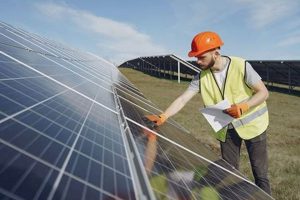
Rooftop solar PV systems exemplify decentralized generation, empowering individuals and communities to generate their own electricity. Advancements in solar cell technology, coupled with declining costs, have fueled the rapid growth of rooftop solar installations. These systems reduce reliance on centralized power plants, decrease transmission losses, and provide a clean energy source at the point of consumption. Examples include residential solar installations powering homes and businesses, community solar projects providing shared access to clean energy, and off-grid solar systems powering remote locations. The increasing prevalence of rooftop solar contributes significantly to the decentralization of energy generation.
- Small-Scale Wind Turbines
Small-scale wind turbines, ranging from individual turbines for homes to small wind farms powering communities, provide another example of decentralized renewable energy generation. Advancements in turbine design and control systems have improved the efficiency and reliability of small-scale wind power, making it a viable option for distributed energy generation. Examples include wind turbines installed on farms and ranches, community-owned wind projects providing local power, and offshore wind turbines powering coastal communities. The growth of small-scale wind power further contributes to the decentralization of energy generation, reducing reliance on large, centralized wind farms.
- Microgrids
Microgrids, localized grids that can operate independently or connect to the main grid, represent a key component of decentralized generation. Advancements in microgrid control systems and energy storage technologies enhance their ability to integrate and manage diverse DERs, including renewable energy sources, batteries, and backup generators. Examples include campus microgrids powering universities and hospitals, community microgrids enhancing energy resilience, and industrial microgrids supporting manufacturing facilities. Microgrids provide enhanced grid resilience, improve energy efficiency, and facilitate the integration of renewable energy at the local level, contributing significantly to the trend of decentralized generation.
- Community Energy Storage
Community energy storage systems, often coupled with decentralized renewable energy generation, play a crucial role in balancing energy supply and demand within localized grids. Advancements in battery storage technology and energy management systems enable communities to store excess renewable energy generated during peak production periods and utilize it during times of high demand or low renewable generation. Examples include community-owned battery storage systems supporting local solar and wind power, grid-scale battery installations enhancing grid stability, and virtual power plants aggregating DERs to provide grid services. Community energy storage solutions enhance the reliability and effectiveness of decentralized renewable energy generation, contributing to a more resilient and sustainable energy system.
These facets of decentralized generation, powered by advances in renewable energy technology, are transforming the energy landscape. The shift towards smaller, distributed energy resources enhances grid resilience, reduces transmission losses, empowers communities, and accelerates the transition to a more sustainable and democratic energy future. As renewable energy technologies continue to advance and costs decline, decentralized generation is poised to play an increasingly prominent role in the global energy system, driving a fundamental shift toward a cleaner, more distributed, and resilient energy paradigm.
Frequently Asked Questions about Renewable Energy Advancements
This section addresses common inquiries regarding the ongoing evolution of renewable energy technologies, aiming to provide clear and concise information.
Question 1: How do advancements in energy storage address the intermittency of renewable energy sources?
Improved energy storage technologies, such as advanced batteries, pumped hydro, and thermal storage, allow excess renewable energy generated during periods of high production (e.g., sunny or windy days) to be stored and then discharged during periods of low production or high demand. This effectively mitigates the intermittent nature of renewable sources like solar and wind power, ensuring a consistent and reliable energy supply.
Question 2: What role do smart grids play in integrating renewable energy sources?
Smart grids utilize digital technologies and two-way communication to optimize energy distribution and management. They enable real-time monitoring of energy generation and consumption, facilitating the efficient integration of intermittent renewable sources by dynamically balancing supply and demand. Smart grids also enhance grid resilience and enable demand-response programs, further optimizing renewable energy integration.
Question 3: How are next-generation materials contributing to advancements in renewable energy technologies?
Next-generation materials, such as perovskites for solar cells and advanced composites for wind turbine blades, offer improved efficiency, durability, and cost-effectiveness. These materials contribute to lighter, stronger, and more efficient renewable energy components, leading to increased energy output, reduced costs, and enhanced longevity.
Question 4: What is the significance of cost reductions in renewable energy technologies?
Declining costs are a critical driver of renewable energy adoption. Technological advancements, economies of scale, and streamlined manufacturing processes have significantly reduced the cost of renewable energy technologies, making them increasingly competitive with fossil fuels. Lower costs incentivize investment in renewable energy infrastructure and accelerate the global transition to sustainable energy systems.
Question 5: How does artificial intelligence contribute to optimizing renewable energy systems?
Artificial intelligence (AI) algorithms analyze vast datasets to optimize renewable energy system performance. AI can predict weather patterns to maximize energy generation from solar and wind power, optimize energy storage and dispatch, and predict maintenance needs, enhancing efficiency, reliability, and cost-effectiveness.
Question 6: What are the benefits of decentralized energy generation?
Decentralized generation, often utilizing renewable energy sources, enhances grid resilience by distributing energy production and reducing reliance on large, centralized power plants. It also reduces transmission losses, empowers communities to generate their own power, and promotes greater energy independence.
Understanding these key aspects of renewable energy advancements is crucial for informed decision-making and supporting the transition to a sustainable energy future. Continued innovation and investment in these areas are essential for mitigating climate change and ensuring a reliable and affordable energy supply for future generations.
The subsequent sections will delve into specific examples of advancements in various renewable energy sectors, providing a more detailed overview of the ongoing evolution of this critical field.
Conclusion
This exploration has highlighted the multifaceted nature of progress in renewable energy technologies. From enhanced energy storage solutions addressing intermittency challenges to the integration of smart grids optimizing energy distribution, advancements are driving a fundamental shift in the global energy landscape. Cost reductions, driven by technological innovation and economies of scale, are making renewable energy increasingly competitive with conventional fossil fuels. Next-generation materials are pushing the boundaries of efficiency and durability, while artificial intelligence is optimizing system performance and predictive maintenance. The rise of decentralized generation is empowering communities and enhancing grid resilience. These interconnected advancements are not merely incremental improvements but represent a paradigm shift toward a more sustainable and resilient energy future.
The transition to a future powered by sustainable energy requires continued investment in research, development, and deployment of these transformative technologies. The challenges remaining, such as optimizing energy storage solutions and ensuring equitable access to clean energy, represent opportunities for further innovation and collaboration. The ongoing evolution of renewable energy technologies holds immense promise for mitigating climate change, fostering economic growth, and ensuring a secure and sustainable energy future for generations to come. The imperative now is to accelerate the adoption of these technologies and policies that support their widespread implementation, realizing the full potential of a future powered by clean, sustainable energy.