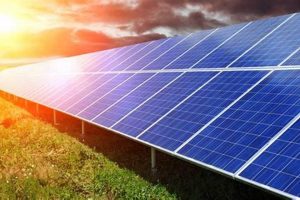
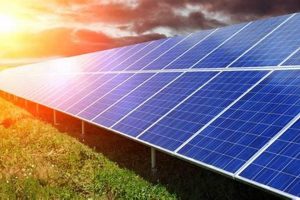
Harnessing the sun’s radiant energy for electricity generation represents a significant avenue within sustainable energy practices. This method employs photovoltaic cells, typically arranged in panels, to convert sunlight directly into electrical current. Concentrated solar power technologies offer an alternative, using mirrors to focus sunlight and generate heat, which then drives turbines connected to generators. This resource is naturally replenished, contrasting with finite fossil fuels.
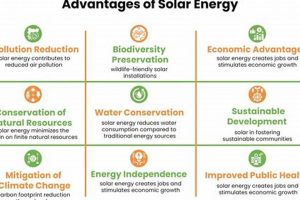
Its significance stems from its potential to mitigate climate change by reducing reliance on carbon-intensive energy sources. Benefits include decreased air pollution, energy independence, and long-term cost savings after initial investment. Throughout history, humans have recognized the sun’s power, but only in recent decades has technological advancement allowed for widespread and efficient utilization for electricity generation. This progress has made it a crucial component of global efforts to transition to a cleaner energy future.
Considering the widespread adoption of this technology, the following sections will delve into its efficiency factors, storage solutions, integration into existing power grids, and its long-term economic viability. The discussion will also address environmental considerations associated with its deployment, as well as challenges and future prospects.
Guidance on Optimizing Electrical Generation from Sunlight
The subsequent guidelines aim to enhance the effectiveness and sustainability of processes converting sunlight into electricity. These recommendations are designed for professionals and organizations involved in energy generation, distribution, and policy-making.
Tip 1: Maximize Panel Orientation and Tilt: Optimal energy capture necessitates precise alignment relative to the sun’s trajectory. Conduct a site-specific solar analysis to ascertain the ideal tilt angle and azimuth orientation for panel placement. Regularly adjust panel angles seasonally to accommodate changes in solar declination.
Tip 2: Implement Advanced Tracking Systems: Deploy dual-axis tracking systems to maintain perpendicular alignment with sunlight throughout the day. These systems significantly increase energy yield compared to fixed-tilt installations, particularly in regions with high solar irradiance.
Tip 3: Invest in High-Efficiency Photovoltaic Cells: Prioritize photovoltaic modules with superior energy conversion rates. Research and adopt emerging technologies such as heterojunction silicon cells or perovskite-based materials to boost electricity output and reduce land usage.
Tip 4: Incorporate Energy Storage Solutions: Address intermittency challenges by integrating battery storage systems. Lithium-ion batteries are currently prevalent, but explore alternative storage options like flow batteries or pumped hydro storage for large-scale applications to ensure continuous electricity supply.
Tip 5: Optimize Grid Integration Strategies: Develop sophisticated grid management systems to effectively manage fluctuating electricity supply. Utilize advanced forecasting models to predict electricity output and coordinate with grid operators to balance electricity supply and demand. Invest in smart grid technologies that enable bidirectional electricity flow and voltage regulation.
Tip 6: Prioritize Regular Maintenance and Monitoring: Establish comprehensive maintenance protocols to identify and address performance degradation. Implement remote monitoring systems to track key parameters such as voltage, current, and temperature, enabling timely intervention to maximize system uptime and electricity output.
Tip 7: Conduct Regular Cleaning: Dust, debris, and snow accumulation can significantly reduce energy production. Implement a routine cleaning schedule, particularly in arid or industrial environments, to maintain optimal panel transparency and electricity generation efficiency.
Adherence to these guidelines will lead to improvements in energy harvesting efficiency, overall grid stability, and long-term cost effectiveness. The pursuit of ongoing technological advancements and strategic planning remains essential for realizing the full potential of sunlight as a sustainable energy source.
The next section will analyze current trends and future directions in the expansion and improvement of this technology.
1. Inexhaustible sunlight resource

The availability of sunlight, a virtually limitless energy source, forms the foundational principle underpinning the practicality of electricity generation technologies that harness solar radiation. Its constant replenishment sets it apart from finite energy resources and emphasizes its long-term potential.
- Global Solar Irradiance Distribution
The amount of solar radiation reaching different regions on Earth varies significantly. Factors such as latitude, cloud cover, and atmospheric conditions influence the intensity of available sunlight. Solar energy projects must consider these regional variations to optimize panel placement and estimate potential electricity output, thus impacting the project’s overall efficiency and economic viability.
- Daily and Seasonal Variations
Solar irradiance fluctuates throughout the day and across different seasons. These variations present challenges for electricity supply, necessitating the implementation of energy storage solutions or grid integration strategies. Forecasting models are essential to predict these fluctuations and manage the integration into existing power grids effectively.
- Technological Advancements in Solar Harvesting
Ongoing research and development efforts focus on improving the efficiency of technologies to capture and convert sunlight into usable electricity. Innovations such as advanced photovoltaic cell designs and concentrated solar power systems are continuously increasing the amount of electricity that can be derived from sunlight, maximizing the potential of this energy resource.
- Long-Term Availability and Sustainability
Unlike fossil fuels, sunlight is a perpetually renewed resource. This long-term availability ensures a sustainable electricity source, reducing reliance on non-renewable fuels and mitigating the environmental impacts associated with their extraction and combustion. Its utilization directly supports global efforts to transition to cleaner energy systems.
These facets highlight the critical interplay between the constant availability of sunlight and the technological and logistical considerations necessary to leverage it effectively. Its continued exploration and optimization are fundamental to the expansion of a sustainable energy infrastructure.
2. Photovoltaic Conversion Efficiency

Photovoltaic conversion efficiency, the ratio of electricity generated to sunlight received by a photovoltaic cell, represents a pivotal factor governing the economic viability and widespread adoption of electricity production from the sun. This efficiency directly influences the amount of electricity produced from a given surface area and the overall cost-effectiveness of solar installations.
- Theoretical Limits and Material Properties
The Shockley-Queisser limit defines the maximum theoretical efficiency achievable by single-junction solar cells. This limit is dictated by the fundamental properties of semiconductor materials. Current research focuses on surpassing this limit through multi-junction cells, novel materials like perovskites, and quantum dot technologies, all aimed at increasing the proportion of the solar spectrum converted into electricity.
- Impact of Cell Design and Manufacturing Processes
Cell architecture and fabrication methods significantly affect efficiency. Innovations like passivated emitter rear contact (PERC) cells and heterojunction technology enhance light trapping and reduce carrier recombination, thereby increasing electricity output. Stringent quality control and advanced manufacturing techniques are essential to minimize defects and maintain high performance across the entire module.
- Effects of Environmental Conditions
Temperature, shading, and dust accumulation can degrade photovoltaic performance. Higher temperatures reduce voltage and electricity output. Shading, even partial, can disproportionately decrease electricity generation. Regular cleaning and optimized system design that minimizes shading are crucial for maintaining long-term efficiency and electricity production levels.
- System-Level Considerations and Balance-of-System Components
The efficiency of the photovoltaic modules is only one component of the system’s overall performance. Inverters, wiring, and mounting structures also impact the total electricity generated. High-efficiency inverters and properly sized conductors minimize losses and ensure that the maximum electricity produced by the panels is delivered to the grid or stored in batteries.
Improvements in photovoltaic conversion rates are central to the long-term competitiveness. Continued innovation in materials science, cell design, and system engineering are essential for reducing costs, increasing electricity yields, and driving the widespread implementation of electricity from the sun as a key element of a sustainable energy future.
3. Energy storage integration

Effective energy storage represents a critical component for maximizing the utility and reliability of electricity derived from the sun. The inherent variability in sunlight availability necessitates methods to store excess electricity generated during peak periods for use when sunlight is limited or unavailable. Without adequate storage solutions, the full potential of solar electricity cannot be realized.
- Types of Storage Technologies
Various technologies exist for energy storage, including electrochemical batteries (lithium-ion, lead-acid, flow batteries), thermal storage, mechanical storage (pumped hydro, compressed air), and hydrogen production. Each technology possesses unique characteristics in terms of efficiency, cost, scalability, and lifespan, making them suitable for different applications and grid sizes. The choice of storage technology directly affects the economic and practical viability of the electricity produced.
- Impact on Grid Stability and Reliability
Storage systems enhance grid stability by providing ancillary services such as frequency regulation, voltage support, and peak shaving. These capabilities are crucial for maintaining a consistent electricity supply from intermittent sources. Integrated storage can mitigate grid congestion and reduce the need for traditional fossil fuel-based peaking plants, further reducing carbon emissions.
- Economic Considerations and Business Models
The economic viability of energy storage is influenced by capital costs, operational expenses, and revenue streams from electricity sales and ancillary services. Innovative business models, such as community electricity storage and virtual power plants, are emerging to optimize storage deployment and enhance return on investment. Government incentives and regulatory frameworks play a significant role in promoting storage adoption.
- Technological Advancements and Future Trends
Ongoing research focuses on improving storage system efficiency, reducing costs, and extending lifespan. Solid-state batteries, advanced flow batteries, and novel thermal storage materials are being developed to enhance electricity storage capabilities. Integration with artificial intelligence and machine learning algorithms enables optimized management and predictive control of storage systems.
These considerations illustrate the integral role of energy storage in expanding the application of electricity produced from sunlight. By addressing the intermittency challenge and providing essential grid support, energy storage contributes significantly to the feasibility and sustainability of electricity derived from the sun and its integration into the broader energy landscape.
4. Grid stability impacts
The integration of electricity derived from the sun into existing electricity grids introduces both opportunities and challenges regarding grid stability. The variable nature of sunlight can lead to fluctuations in electricity supply, potentially affecting grid frequency, voltage levels, and overall system reliability. Mitigating these impacts is essential for ensuring a seamless transition to a sustainable electricity mix.
- Frequency Regulation
Maintaining a stable grid frequency (typically 50 Hz or 60 Hz) is critical for reliable electricity service. The rapid changes in electricity output, due to cloud cover or time of day, can cause frequency deviations. Advanced control systems and electricity storage solutions are deployed to quickly respond to these fluctuations, ensuring the grid frequency remains within acceptable limits. An example is the deployment of fast-response inverters that can inject or absorb reactive power to stabilize frequency during periods of high or low electricity output from the sun.
- Voltage Control
Maintaining voltage levels within specified ranges is also essential for proper operation of electrical equipment connected to the grid. Large-scale integration can cause voltage fluctuations, particularly at the distribution level. Smart inverters with voltage regulation capabilities are utilized to actively manage voltage levels. Distributed generation resources, coupled with advanced grid management systems, can dynamically adjust voltage to ensure stability and prevent equipment damage.
- Ramping Events and Forecasting
Ramping events, or rapid changes in electricity generation, pose a significant challenge. Accurate electricity forecasting is crucial for anticipating these events and preparing the grid to respond effectively. Weather forecasting models, combined with machine learning algorithms, improve the accuracy of electricity predictions, allowing grid operators to proactively manage electricity supply and demand. Effective management of ramping events reduces the risk of grid instability and service interruptions.
- Grid Modernization and Infrastructure Upgrades
Accommodating high penetrations of electricity derived from the sun often requires upgrades to existing grid infrastructure. This includes reinforcing transmission lines, installing advanced monitoring and control systems, and deploying smart grid technologies. Modernizing the grid enhances its ability to handle variable electricity generation, improving overall resilience and reliability. Investments in grid infrastructure are essential for supporting the long-term integration of electricity derived from the sun.
Addressing these grid stability impacts is paramount for successfully integrating electricity produced from the sun into the electricity infrastructure. Investments in advanced technologies, forecasting capabilities, and grid modernization are essential to unlock the full potential and guarantee a reliable electricity supply.
5. Long-term cost viability

The long-term cost viability of electricity from the sun constitutes a crucial determinant in its sustained adoption and contribution to global energy portfolios. The initial investment in installations, encompassing photovoltaic panels, inverters, and associated infrastructure, presents a significant upfront expenditure. However, assessing economic feasibility necessitates consideration of operational lifetimes, reduced fuel expenses, and minimized maintenance requirements relative to conventional electricity generation technologies. The downward trajectory of photovoltaic module costs, coupled with advancements in efficiency, directly enhances its long-term economic attractiveness. Government incentives, tax credits, and feed-in tariffs can further augment its cost competitiveness, accelerating deployment and market penetration. For example, large-scale installations, leveraging economies of scale, achieve lower per-watt electricity costs, rendering them increasingly competitive with fossil fuel-based alternatives.
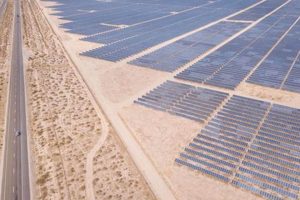
Operational expenditures are substantially lower than those associated with fossil fuel power plants, as electricity derived from the sun obviates the need for continuous fuel inputs. Maintenance primarily involves periodic cleaning and component replacements, incurring minimal costs compared to the complex maintenance regimes of traditional power generation systems. The economic benefits extend beyond direct electricity generation, encompassing reduced reliance on imported fuels, diminished price volatility, and the creation of local employment opportunities. Real-world examples, such as the growth of solar farms in sun-rich regions, illustrate the ability to compete effectively with traditional electricity sources, driving down electricity prices and benefiting consumers.
In conclusion, the long-term cost viability of electricity derived from the sun hinges on continued technological advancements, supportive policy frameworks, and strategic investment in grid infrastructure. While initial capital outlays remain a barrier, declining costs, minimal operating expenses, and environmental benefits underscore its long-term economic promise. Overcoming challenges related to intermittency and grid integration is essential to fully realize the economic advantages and ensure a sustainable and cost-effective electricity future. These efforts are crucial to widespread adoption.
Frequently Asked Questions About Renewable Energy Sources Solar Power
The following section addresses common inquiries regarding electricity generated from the sun. It aims to provide concise and informative responses to promote a clearer understanding.
Question 1: How does location impact the effectiveness of solar energy systems?
Geographic location significantly affects the productivity of electricity generation systems that rely on the sun. Regions with higher solar irradiance levels, characterized by clear skies and minimal cloud cover, yield greater electricity output. Site-specific factors, such as shading from trees or buildings, also influence performance. Therefore, a comprehensive site assessment is crucial prior to installation.
Question 2: What is the lifespan of a typical photovoltaic panel?
The anticipated lifespan typically ranges from 25 to 30 years. During this period, power output gradually decreases, generally at a rate of 0.5% to 1% per year. Most manufacturers guarantee a minimum power output level after 25 years, ensuring continued electricity generation. While the panels may continue to function beyond this timeframe, their electricity production diminishes over time.
Question 3: Is energy storage necessary for all electricity systems relying on the sun?
Electricity storage becomes increasingly important as the proportion of electricity from solar sources increases. Storage solutions address the intermittent nature of sunlight, ensuring a continuous electricity supply even when sunlight is unavailable. Although not mandatory for small-scale installations, integrating storage is essential for large-scale deployment and grid stability.
Question 4: What environmental concerns are associated with systems that harness energy from the sun?
While considered environmentally friendly, solar energy systems do have some environmental impacts. The manufacturing process of photovoltaic panels involves the use of certain materials and energy consumption. End-of-life disposal of panels also presents a challenge, necessitating recycling programs to recover valuable materials. Land use for large-scale solar farms can also be a concern, requiring careful planning to minimize ecological disruption.
Question 5: How does government policy affect the adoption of electricity from solar sources?
Government policies play a crucial role in promoting the adoption of these energy solutions. Incentives such as tax credits, subsidies, and feed-in tariffs can significantly reduce the initial cost and enhance the economic attractiveness. Regulatory frameworks that support grid integration and net metering also facilitate wider deployment and greater consumer access.
Question 6: What advancements are anticipated in solar technology?
Ongoing research and development efforts focus on enhancing cell efficiency, reducing manufacturing costs, and improving system performance. Emerging technologies, such as perovskite solar cells and bifacial panels, promise higher conversion rates and increased electricity yields. Advances in energy storage technologies, including solid-state batteries and flow batteries, will also enhance the reliability and grid integration capabilities.
This FAQ section has addressed key concerns surrounding this type of renewable energy. Understanding these facets promotes informed decision-making and broader engagement with these technologies.
The ensuing segment will provide a glossary of terms.
Conclusion
This exploration of renewable energy sources solar power has underscored its multifaceted nature, encompassing resource availability, technological efficiency, grid integration, and economic viability. The sustained development and deployment of this technology requires a comprehensive understanding of these interconnected elements.
The ongoing transition toward sustainable energy systems necessitates continued investment in research, infrastructure, and supportive policies to fully realize the potential of solar power. Its strategic integration into the global energy mix is crucial for mitigating climate change, enhancing energy security, and fostering a more sustainable future. The responsibility for its conscientious implementation lies with stakeholders across government, industry, and society.