Harnessing naturally replenishing resources like wind, solar, hydro, and biomass power is vital for the Irish energy sector. For example, wind farms contribute significantly to the national grid, particularly offshore installations which benefit from Ireland’s extensive coastline and strong winds. Other sources, such as wave and tidal energy, hold future potential.
Sustainable power generation reduces reliance on imported fossil fuels, enhancing energy security and mitigating price volatility. It also contributes significantly to reducing carbon emissions, supporting national climate goals and fostering a greener economy. The Irish government has set ambitious targets for renewable energy integration, recognizing the crucial role it plays in creating a sustainable future. This commitment has spurred significant investment in research, development, and infrastructure within the sector.
This article will delve into the various facets of sustainable power in Ireland, examining the current state of different technologies, ongoing projects, governmental policies, and future prospects for growth. It will explore the challenges faced and opportunities presented by this dynamic sector.
Tips for Supporting Sustainable Power in Ireland
Individuals and businesses can contribute to a greener future by adopting practices that promote and support sustainable power generation. The following tips offer practical steps to contribute to this important national objective.
Tip 1: Explore Green Electricity Suppliers: Consumers can switch to electricity providers that source power from renewable sources. Comparing offers and choosing a green tariff directly supports the growth of the renewable energy sector.
Tip 2: Invest in Home-Based Renewable Energy: Installing solar panels or exploring micro-wind turbines can reduce reliance on grid electricity and contribute to domestic renewable energy production. Government grants and incentives may be available to offset initial costs.
Tip 3: Reduce Energy Consumption: Implementing energy efficiency measures at home and in the workplace, such as using energy-efficient appliances, improving insulation, and reducing overall electricity use, lowers demand on the national grid and supports the transition to renewables.
Tip 4: Support Sustainable Businesses: Choosing businesses committed to using renewable energy and implementing sustainable practices encourages wider adoption of green initiatives across various sectors.
Tip 5: Advocate for Policy Changes: Engaging with local representatives and supporting policies that promote renewable energy development can influence decision-making and accelerate the transition to a sustainable energy future.
Tip 6: Stay Informed: Keeping abreast of developments in the renewable energy sector, including new technologies and government initiatives, allows for informed choices and empowers individuals to participate actively in the transition to a greener Ireland.
By adopting these practices, individuals and businesses can actively participate in building a more sustainable energy future for Ireland. These actions contribute not only to environmental protection but also to a more secure and resilient energy landscape.
The transition to sustainable power represents a significant undertaking, but through collective action and informed choices, a greener future is within reach. This article concludes with a look at the long-term vision for renewable energy in Ireland and the potential it holds for generations to come.
1. Wind Power

Wind power represents a cornerstone of Ireland’s renewable energy strategy. The country’s geographic location, exposed to the North Atlantic, provides abundant wind resources, particularly offshore. This natural advantage positions wind as a primary driver in reducing reliance on fossil fuels and achieving national emissions targets. Large-scale wind farms, both onshore and offshore, contribute significantly to the national grid, with offshore installations exhibiting higher capacity factors due to stronger and more consistent winds. The Arklow Bank Wind Park, for example, demonstrates the potential of offshore wind, while onshore developments continue to expand across suitable locations.
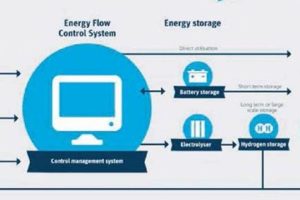
The growth of wind power in Ireland necessitates ongoing grid modernization and investment in energy storage solutions to address the intermittency of wind resources. Balancing supply and demand is crucial for grid stability, and advancements in battery technology and smart grid management systems play a key role in maximizing the benefits of wind energy. Further development of offshore wind farms, particularly floating turbines for deeper waters, presents significant opportunities for increased capacity and reduced visual impact. The potential for exporting surplus wind energy to neighboring countries also strengthens Ireland’s position as a key player in the European renewable energy market.
Harnessing wind energy has demonstrably reduced Ireland’s carbon footprint and fostered economic growth within the renewable energy sector. Continued investment in research, development, and infrastructure is essential to fully realize the potential of wind power and ensure its long-term contribution to Ireland’s sustainable energy future. Challenges remain in terms of planning and community engagement, highlighting the importance of balanced development that addresses both environmental and social considerations.
2. Solar Energy
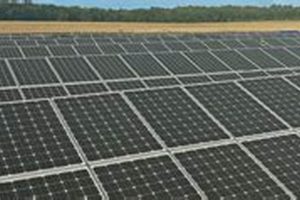
Solar energy plays an increasingly important role within Ireland’s renewable energy portfolio. While not as dominant as wind power due to lower solar irradiance levels, solar photovoltaic (PV) technology offers significant potential for distributed generation and reducing reliance on fossil fuels. Rooftop solar installations on residential and commercial buildings contribute to local energy production, reducing demand on the national grid and empowering consumers to participate directly in the transition to sustainable energy. Larger-scale solar farms, while less common due to land constraints, also contribute to the overall renewable energy mix. The declining cost of solar PV technology coupled with government incentives and supportive policies has spurred growth in this sector.
Integrating solar energy into the Irish grid presents both opportunities and challenges. The intermittent nature of solar power requires effective grid management strategies, including energy storage solutions and demand-side management programs. Advances in battery technology and smart grid systems facilitate better integration and maximize the benefits of solar energy. Community-owned solar projects offer a compelling model for local engagement and shared ownership of renewable energy resources. Examples such as the Cloughjordan Ecovillage demonstrate the practical application and community benefits of integrated solar energy systems. The potential for agrivoltaics, combining agriculture and solar energy production, also presents exciting opportunities for land-use optimization and rural development.
Continued growth of solar energy in Ireland depends on overcoming challenges related to grid integration, planning regulations, and public awareness. Addressing these challenges through supportive policies, technological advancements, and community engagement will unlock the full potential of solar energy and further diversify Ireland’s renewable energy mix. Expanding solar capacity contributes to national emissions reduction targets and fosters a more resilient and sustainable energy system. Its decentralized nature empowers communities and individuals to actively participate in the transition to a cleaner energy future, enhancing energy security and reducing dependence on imported fossil fuels.
3. Hydropower
Hydropower represents a long-established component of Ireland’s renewable energy landscape, leveraging the country’s natural water resources to generate electricity. While not possessing the same growth potential as wind or solar energy, hydropower provides a reliable and predictable source of clean energy, contributing to grid stability and reducing reliance on fossil fuels. Understanding its role within the broader context of Ireland’s renewable energy transition requires examining its key facets.
- Conventional Hydroelectric Plants
Large-scale hydroelectric plants, such as the Ardnacrusha scheme on the River Shannon, represent significant contributors to Ireland’s hydropower capacity. These facilities utilize dammed reservoirs to store water and regulate its flow through turbines, generating electricity. While offering a reliable source of renewable energy, their environmental impact, including alterations to river ecosystems, necessitates careful planning and mitigation measures.
- Pumped Hydro Storage
Pumped hydro storage facilities, like the Turlough Hill Power Station, play a crucial role in grid stability by acting as giant batteries. During periods of low electricity demand, water is pumped uphill to a reservoir, and during peak demand, it is released to generate electricity. This technology enhances grid flexibility and facilitates the integration of intermittent renewable sources like wind and solar power.
- Small-Scale Hydropower
Small-scale hydropower projects, utilizing smaller rivers and streams, offer opportunities for localized renewable energy generation. These projects typically have a lower environmental impact than large-scale dams and can contribute to rural development. Harnessing the potential of small-scale hydro requires careful assessment of environmental factors and community engagement.
- Future of Hydropower in Ireland
While the potential for expanding conventional hydropower in Ireland is limited, opportunities exist for optimizing existing facilities and exploring innovative technologies. Modernizing turbines and incorporating smart grid management systems can enhance the efficiency and flexibility of existing hydroelectric plants. Further development of pumped hydro storage offers valuable support for grid stability and the increasing penetration of intermittent renewable energy sources. Research into advanced hydropower technologies, such as marine hydrokinetic energy, may present future opportunities for harnessing the power of water resources in new and innovative ways.
Hydropower contributes significantly to Ireland’s renewable energy goals by providing a reliable and flexible source of clean electricity. Balancing the need for clean energy with environmental protection and community considerations remains crucial for the sustainable development of hydropower resources. As Ireland continues its transition to a low-carbon energy future, hydropower, alongside other renewable sources, plays a vital role in ensuring a secure, sustainable, and diversified energy mix.
4. Biomass Energy

Biomass energy constitutes a significant component of Ireland’s renewable energy strategy, offering a versatile and sustainable alternative to fossil fuels. Utilizing organic matter from various sources, biomass can be converted into heat, electricity, and biofuels, contributing to decarbonizing multiple sectors. Its role in Ireland’s renewable energy landscape warrants closer examination, considering its diverse applications and potential contribution to national energy targets.
- Solid Biomass Combustion
Direct combustion of wood, wood pellets, and other organic materials represents a well-established method for generating heat and electricity. Combined heat and power (CHP) plants utilizing biomass provide efficient and sustainable solutions for district heating and industrial processes. Sustainable sourcing of biomass feedstock is crucial to ensure environmental integrity and prevent deforestation or habitat destruction. Examples include wood-fired power plants and biomass boilers used in residential and commercial settings.
- Biogas Production
Anaerobic digestion of organic waste, such as agricultural residues and food waste, produces biogas, a renewable fuel source. Biogas can be used for electricity generation, heating, or upgraded to biomethane, a sustainable alternative to natural gas. This process reduces reliance on fossil fuels while managing organic waste streams effectively. Examples include on-farm biogas digesters and centralized anaerobic digestion facilities.
- Biofuel Development
Biofuels, derived from biomass sources, offer a sustainable alternative to conventional transport fuels. Biodiesel, produced from vegetable oils or animal fats, and bioethanol, derived from crops like sugar beets or wheat, can be blended with conventional fuels or used in dedicated engines. Sustainable production of biofuels is crucial to avoid competition with food crops and ensure environmental benefits. Government policies and incentives play a key role in promoting biofuel development and adoption.
- Sustainability Considerations
Sustainable biomass utilization requires careful consideration of environmental and social factors. Sourcing biomass from sustainably managed forests and agricultural residues is essential to prevent deforestation, protect biodiversity, and minimize greenhouse gas emissions. Life-cycle assessments of biomass energy pathways help evaluate their overall environmental impact. Government regulations and certification schemes play a vital role in ensuring the sustainability of biomass production and utilization.
Biomass energy contributes significantly to diversifying Ireland’s renewable energy mix, offering sustainable solutions for heat, electricity, and transport fuel production. Balancing the benefits of biomass with environmental protection and sustainable resource management remains paramount. Careful planning, robust regulations, and ongoing research into advanced bioenergy technologies are crucial for maximizing the potential of biomass while minimizing its environmental footprint. As Ireland progresses toward its renewable energy targets, biomass, alongside other sustainable energy sources, plays a vital role in building a secure and sustainable energy future.
5. Wave Energy

Wave energy presents a compelling opportunity within Ireland’s renewable energy landscape. The island nation’s extensive Atlantic coastline, exposed to powerful and consistent waves, offers significant potential for harnessing this untapped resource. Exploiting wave energy could contribute substantially to national renewable energy targets and reduce reliance on imported fossil fuels. The connection between wave energy and Ireland’s broader renewable energy strategy lies in its potential to diversify the energy mix, enhance energy security, and contribute to a more sustainable energy future. Several pilot projects and research initiatives are underway to explore the feasibility and effectiveness of different wave energy converter technologies in Irish waters. The SmartBay test site, for example, provides a real-world environment for evaluating and demonstrating wave energy technologies.
Developing wave energy technology faces several key challenges. The harsh marine environment, characterized by corrosive saltwater and extreme weather conditions, requires robust and durable devices. Grid integration poses another hurdle, necessitating efficient and cost-effective methods for transmitting the generated power to the onshore grid. Furthermore, environmental considerations, such as potential impacts on marine ecosystems, require careful assessment and mitigation strategies. Addressing these challenges through ongoing research, technological innovation, and strategic investment is crucial for unlocking the full potential of wave energy. Collaboration between research institutions, industry partners, and government agencies plays a vital role in driving advancements and accelerating the commercialization of wave energy technologies.
Wave energy, while still in its early stages of development, holds immense promise for Ireland’s renewable energy future. Its successful integration into the national grid could contribute significantly to decarbonizing the energy sector, creating new economic opportunities, and enhancing energy independence. Overcoming technological hurdles, ensuring environmental sustainability, and establishing supportive policies will be crucial for realizing the transformative potential of wave energy in Ireland. Continued investment in research, development, and demonstration projects will pave the way for a future where wave energy plays a key role in powering a sustainable and prosperous Ireland.
6. Tidal Energy
Tidal energy represents a promising, albeit less developed, component of Ireland’s renewable energy strategy. Harnessing the predictable rise and fall of tides offers a consistent and reliable source of clean energy, complementing other intermittent renewable sources like wind and solar power. The strong tidal currents found along Ireland’s coast, particularly in areas like the Shannon Estuary and Strangford Lough, present significant potential for tidal energy extraction. This potential aligns with national objectives to diversify the renewable energy mix, enhance energy security, and reduce reliance on fossil fuels. Several pilot projects and feasibility studies are underway to assess the viability and environmental impact of tidal energy technologies in specific locations. The Strangford Lough tidal stream project, for instance, serves as a valuable case study, demonstrating the practical application and challenges associated with tidal energy development.
Developing tidal energy faces several key challenges. The high upfront costs associated with deploying tidal turbines and connecting them to the grid represent a significant barrier. The marine environment poses technical difficulties, requiring robust and durable equipment capable of withstanding strong currents and corrosive saltwater. Environmental impacts, including potential effects on marine life and habitats, necessitate careful assessment and mitigation measures. Addressing these challenges requires ongoing research and development, strategic investment, and supportive government policies. Collaboration between research institutions, industry stakeholders, and regulatory bodies is essential for driving innovation and accelerating the commercialization of tidal energy technologies. Advancements in turbine design, grid integration solutions, and environmental monitoring techniques are crucial for realizing the full potential of tidal energy.
Tidal energy, while still at a relatively early stage of development, offers a significant opportunity to enhance Ireland’s renewable energy portfolio. Its predictable nature complements other intermittent renewables, contributing to a more stable and reliable energy system. Overcoming technological and economic hurdles, coupled with robust environmental safeguards, will be crucial for realizing the full potential of tidal energy in Ireland. Continued investment in research, pilot projects, and supportive policies will pave the way for a future where tidal streams contribute significantly to a sustainable and secure energy supply, reducing carbon emissions and bolstering Ireland’s position as a leader in renewable energy innovation.
7. Policy & Targets

Government policies and targets play a crucial role in shaping the trajectory of renewable energy development in Ireland. These policies provide a framework for investment, incentivize innovation, and guide the transition towards a more sustainable energy system. The Climate Action Plan, for example, sets ambitious targets for renewable electricity generation, outlining specific objectives for various renewable energy technologies. These targets create a clear pathway for development, signaling long-term commitment and providing investors with the certainty needed to deploy capital. Feed-in tariffs, grants, and tax incentives further support the growth of renewable energy projects, accelerating their adoption and contributing to national emissions reduction goals. The Renewable Electricity Support Scheme (RESS), for instance, provides a competitive auction mechanism for renewable energy projects, ensuring cost-effective deployment and fostering market competition.
The effectiveness of renewable energy policies depends on several factors. Clear and consistent regulations streamline the planning and permitting processes, reducing administrative hurdles and facilitating timely project development. Stable and long-term policy frameworks provide investor confidence, encouraging greater participation from both domestic and international players. Regular policy reviews and adaptive mechanisms ensure that targets remain aligned with technological advancements and evolving market conditions. The integration of renewable energy policies with broader climate and energy strategies, such as the National Energy and Climate Plan (NECP), strengthens the overall coherence and impact of government action. International collaboration and knowledge sharing also play a crucial role in driving innovation and best practices within the renewable energy sector. For example, Ireland’s participation in European Union initiatives on renewable energy promotes cross-border cooperation and facilitates the development of a pan-European renewable energy market.
Achieving Ireland’s ambitious renewable energy targets requires a cohesive and well-implemented policy framework. Effective policies drive investment, stimulate innovation, and create a stable environment for sustainable energy development. Regular review, adaptation, and stakeholder engagement are essential for ensuring policy effectiveness and maximizing the long-term contribution of renewable energy to Ireland’s energy security, economic growth, and climate change mitigation efforts. The continued development and implementation of robust policies will be instrumental in achieving a sustainable and prosperous energy future for Ireland.
Frequently Asked Questions about Renewable Energy in Ireland
This section addresses common queries regarding the development and utilization of renewable energy resources within Ireland.
Question 1: What is the current contribution of renewable energy to Ireland’s overall energy mix?
Renewable sources currently account for a significant portion of electricity generation, with wind power being the most dominant contributor. The exact percentage fluctuates due to weather patterns and grid demand, but the trend indicates a steadily increasing reliance on renewable electricity.
Question 2: What are the primary barriers to achieving higher levels of renewable energy penetration?
Key challenges include grid infrastructure limitations, the intermittent nature of some renewable resources (like wind and solar), planning and permitting complexities, and public acceptance of large-scale renewable energy projects. Addressing these barriers requires strategic investment in grid modernization, energy storage solutions, streamlined planning processes, and effective community engagement.
Question 3: How does the Irish government support the development of renewable energy projects?
Government support mechanisms include the Renewable Electricity Support Scheme (RESS), which provides financial incentives for renewable energy projects through competitive auctions. Other support measures include grants, tax incentives, and feed-in tariffs designed to stimulate investment and accelerate the adoption of renewable energy technologies.
Question 4: What are the economic benefits of transitioning to a renewable energy-based economy?
The transition offers significant economic advantages, including job creation in the renewable energy sector, reduced reliance on imported fossil fuels (enhancing energy security), and opportunities for innovation and technological advancement. Furthermore, investment in renewable energy contributes to a greener economy and strengthens Ireland’s competitiveness in the global clean energy market.
Question 5: How does renewable energy contribute to Ireland’s climate change mitigation goals?
Renewable energy sources produce little to no greenhouse gas emissions during operation, replacing fossil fuels and significantly reducing carbon emissions. This displacement contributes directly to Ireland’s national targets for emissions reduction, as outlined in the Climate Action Plan and the National Energy and Climate Plan (NECP), aligning with broader international efforts to combat climate change.
Question 6: What role can individuals and communities play in supporting the growth of renewable energy?
Individuals can contribute by switching to green electricity tariffs, investing in home-based renewable energy systems (such as solar panels), reducing energy consumption through efficiency measures, and supporting businesses committed to renewable energy. Community-owned renewable energy projects empower local participation and foster broader public engagement in the transition to a sustainable energy future.
Transitioning to a sustainable energy future requires a concerted effort from government, industry, and individuals. Understanding the key challenges and opportunities associated with renewable energy is crucial for informed decision-making and effective policy implementation.
The next section explores case studies of successful renewable energy projects in Ireland, showcasing practical examples and highlighting best practices within the sector.
Ireland Renewable Energy
This exploration of Ireland’s renewable energy landscape has highlighted the significant progress made in harnessing wind, solar, hydro, and biomass resources. The examination of various technologies, including emerging wave and tidal power, underscores the nation’s commitment to diversifying its energy mix and reducing reliance on fossil fuels. Government policies and targets, coupled with ongoing research and development, provide a framework for continued growth and innovation within the sector. Addressing challenges related to grid infrastructure, energy storage, and public acceptance remains crucial for realizing the full potential of renewable energy.
The transition to a sustainable energy future requires sustained commitment, collaborative action, and ongoing adaptation to technological advancements. Ireland’s pursuit of renewable energy offers a pathway not only to a cleaner environment but also to enhanced energy security, economic opportunities, and a more resilient energy system. Continued investment in research, infrastructure development, and supportive policies will be essential for ensuring that renewable energy plays a central role in powering a sustainable and prosperous future for generations to come.