


The outlook for sustainable power generation is characterized by continuous innovation and expansion. Sources like solar, wind, hydro, geothermal, and biomass energy are poised to play increasingly significant roles in the global... Read more »

This program typically represents a customer-focused offering from a major utility company, providing access to electricity generated from renewable sources like solar and wind. It often involves a premium pricing structure where... Read more »

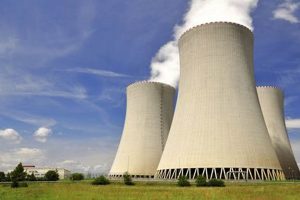
Fission-based atomic power relies on finite uranium and thorium resources. While these elements exist in relatively abundant quantities, they are not replenished on a human timescale. The process involves splitting the nuclei... Read more »
Harnessing power from sources that naturally replenish, such as solar radiation, wind currents, geothermal heat, and flowing water, presents a fundamental shift in energy production. This contrasts with finite resources like fossil... Read more »
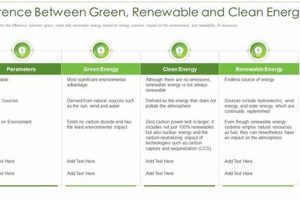
While often used interchangeably, “clean energy” and “renewable energy” represent distinct concepts. Renewable energy sources are naturally replenished over a relatively short period, such as solar, wind, hydro, geothermal, and biomass. Clean... Read more »
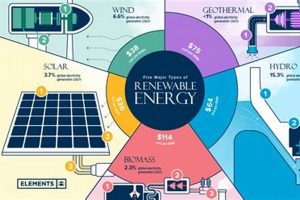
Harnessing power from naturally replenishing resources offers a sustainable alternative to fossil fuels. These resources are virtually inexhaustible on a human timescale, ensuring long-term energy security and mitigating environmental impact. Examples include... Read more »
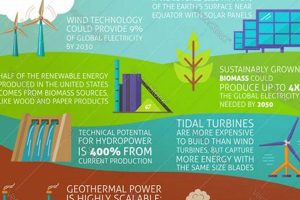
Data regarding sustainable power sources derived from natural processes (such as sunlight, wind, rain, tides, and geothermal heat) is crucial for understanding and promoting the transition to a cleaner energy future. This... Read more »
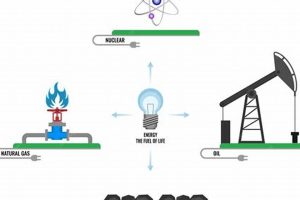
Nuclear power relies on the fission of uranium, a finite resource extracted from the Earth. While the process itself doesn’t directly consume large quantities of fossil fuels, the available uranium supply is... Read more »
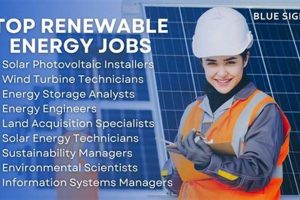
Positions within the energy sector reliant on finite resources, such as fossil fuels (coal, oil, and natural gas), are generally considered unsustainable in the long term. Examples include roles in extraction, processing,... Read more »
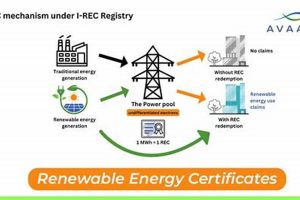
Within India’s power sector, tradable instruments called Renewable Energy Certificates (RECs) represent proof that one megawatt-hour (MWh) of electricity was generated from renewable sources. A power distribution company might purchase these certificates... Read more »