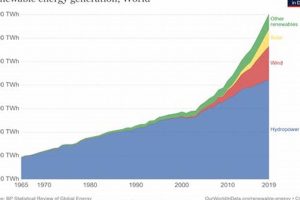
While often used interchangeably, “clean energy” and “renewable energy” represent distinct concepts. Renewable energy sources are naturally replenished over a relatively short period, such as solar, wind, hydro, geothermal, and biomass. Clean energy, on the other hand, encompasses any energy source that minimizes environmental impact, including some renewable sources and certain non-renewable sources like nuclear power, which produces minimal greenhouse gas emissions during operation. For example, while large-scale hydroelectric dams generate renewable power, their environmental impact on ecosystems can be substantial, raising questions about their classification as truly “clean.” Conversely, nuclear power is clean in terms of air pollution but presents challenges related to waste disposal and potential safety risks.
Understanding this distinction is crucial for effective energy policy and investment decisions. A balanced energy portfolio often incorporates a variety of both renewable and clean sources to ensure a sustainable and reliable energy supply while minimizing environmental consequences. Historically, the focus has primarily been on traditional fossil fuels, but growing concerns about climate change and resource depletion have driven significant advancements and investments in both renewable and clean energy technologies over the past few decades. This shift towards sustainable energy sources is essential for mitigating the effects of climate change and ensuring a secure energy future.
This article will further explore the nuances between various clean and renewable energy options, examining their respective advantages, disadvantages, and potential contributions to a sustainable energy future. Topics will include specific technologies, their environmental impact, economic considerations, and the role of government policy in promoting their adoption.
Tips for Understanding the Difference
Distinguishing between clean and renewable energy is crucial for informed decision-making regarding sustainable energy practices. These tips provide practical guidance for navigating the complexities of these interconnected yet distinct concepts.
Tip 1: Recognize the Broad Scope of Clean Energy: Clean energy prioritizes minimal environmental impact. This includes renewables but also encompasses other technologies like nuclear power, which produces little to no greenhouse gas emissions during operation.
Tip 2: Understand the Natural Replenishment of Renewable Energy: Renewable sources are naturally replenished over a relatively short time. Common examples include solar, wind, hydro, geothermal, and biomass. However, their “clean” status requires further evaluation based on specific implementation.
Tip 3: Consider the Full Lifecycle Impact: Evaluating the environmental impact of any energy source requires a lifecycle assessment. This considers resource extraction, production, operation, and waste disposal. For example, manufacturing solar panels requires energy and resources, and their eventual disposal must be managed responsibly.
Tip 4: Acknowledge the Interplay of Clean and Renewable: While some renewable sources are inherently clean, not all are. Large hydroelectric dams, for instance, generate renewable energy but can significantly alter ecosystems and displace communities.
Tip 5: Evaluate Energy Sources Contextually: The suitability of an energy source depends on various factors, including geographic location, available resources, and specific energy needs. Wind energy may be ideal in coastal regions, while solar power is better suited to areas with abundant sunlight.
Tip 6: Stay Informed About Emerging Technologies: The energy landscape is constantly evolving. Research and development continue to advance both renewable and clean energy technologies, offering new possibilities for a sustainable future.
By understanding these key distinctions, individuals and organizations can make informed choices that support a more sustainable energy future.
This foundation of understanding paves the way for a more detailed exploration of specific clean and renewable energy technologies, their applications, and their role in a diversified energy portfolio.
1. Source Replenishment

Source replenishment serves as a fundamental differentiator within the broader discussion of clean and renewable energy. This concept is central to understanding the sustainability and long-term viability of various energy sources, directly impacting their classification as either renewable or non-renewable, and influencing their overall environmental impact.
- Natural Regeneration Timescales
Renewable energy sources are characterized by their ability to regenerate naturally within a relatively short timeframe. Solar energy is constantly replenished by the sun, while wind energy relies on consistent atmospheric movement. Hydropower depends on the water cycle, and geothermal energy harnesses the Earth’s internal heat. These natural regeneration timescales contrast sharply with the significantly longer timescales associated with the formation of fossil fuels, effectively rendering them non-renewable.
- Resource Depletion Concerns
Non-renewable energy sources, such as coal, oil, and natural gas, are finite resources. Their extraction and consumption deplete existing reserves, raising concerns about long-term energy security and price volatility. Renewable energy sources, due to their inherent replenishing nature, offer a more sustainable alternative, minimizing the risk of resource depletion and contributing to greater energy independence.
- Environmental Impact of Extraction
The extraction processes associated with non-renewable resources often have significant environmental consequences. Fossil fuel extraction can lead to habitat destruction, water contamination, and greenhouse gas emissions. In contrast, while the infrastructure required for harnessing renewable energy sources can have some environmental impact, it is generally less intensive and disruptive than fossil fuel extraction. For example, while a solar farm may require land use, it avoids the extensive land disturbance associated with coal mining.
- Sustainability Implications
Source replenishment is a cornerstone of energy sustainability. Renewable energy sources, by their very nature, offer a continuous supply of energy, reducing reliance on finite resources and mitigating the environmental damage associated with their extraction. This long-term perspective is crucial for achieving a stable and environmentally responsible energy future. Transitioning towards energy sources with shorter regeneration timescales contributes to greater energy security and reduces the risks associated with resource depletion and environmental degradation.
The replenishment rate of an energy source plays a defining role in differentiating between renewable and non-renewable energy, a key component of the broader “clean energy renewable energy difference.” This understanding is essential for developing effective energy policies, making informed investment decisions, and transitioning towards a more sustainable energy future. By prioritizing resources that replenish naturally, we can minimize environmental impact, enhance energy security, and contribute to a more sustainable global energy landscape.
2. Environmental Impact
Environmental impact serves as a critical differentiator between clean and renewable energy sources. While renewable sources are often associated with minimal environmental disruption, a comprehensive analysis reveals a more nuanced reality. Evaluating the full lifecycle impactfrom resource extraction and manufacturing to operation and waste disposalis essential for accurately assessing the environmental footprint of various energy technologies and understanding the “clean energy renewable energy difference.”
- Greenhouse Gas Emissions
A primary concern regarding energy production is the emission of greenhouse gases, which contribute to climate change. While renewable sources like solar and wind power produce minimal operational emissions, their manufacturing and installation can involve some greenhouse gas release. Fossil fuels, on the other hand, are significant emitters throughout their lifecycle, from extraction and processing to combustion. Nuclear power, while considered clean in terms of operational greenhouse gas emissions, presents challenges related to radioactive waste disposal.
- Land Use and Ecosystem Disruption
Energy production often requires land use, which can impact ecosystems and biodiversity. Large-scale solar and wind farms, while generating clean energy, can alter landscapes and potentially displace wildlife. Hydroelectric dams, though renewable, can significantly disrupt river ecosystems and affect fish migration patterns. Fossil fuel extraction, particularly through mining and drilling, can cause habitat destruction and soil contamination. Nuclear power plants, while having a smaller physical footprint, require careful management of radioactive waste and pose potential risks in case of accidents.
- Water Consumption and Contamination
Water is essential for various energy production processes, and its consumption can strain local water resources. Hydroelectric dams, by their nature, alter water flow and can impact downstream ecosystems. Nuclear power plants require substantial amounts of water for cooling, potentially impacting water availability. Fossil fuel extraction, particularly fracking, can contaminate groundwater supplies. Solar and wind power have minimal water requirements during operation, offering an advantage in water-stressed regions.
- Waste Generation and Management
The generation and management of waste products are crucial environmental considerations. Nuclear power generates radioactive waste, which requires long-term storage and careful handling. Fossil fuels produce ash and other byproducts that require disposal. Solar panels and wind turbine components eventually reach the end of their lifespan, requiring responsible recycling or disposal to minimize environmental impact. Evaluating waste generation and management practices is crucial for assessing the full lifecycle environmental impact of different energy technologies.
Understanding these environmental impacts is essential for distinguishing between truly clean energy sources and those that may have hidden environmental costs. While renewable energy sources generally offer significant environmental advantages over fossil fuels, a nuanced understanding of their lifecycle impacts is crucial for making informed decisions about sustainable energy development. This detailed examination of environmental impacts provides further clarification of the “clean energy renewable energy difference” and its implications for a sustainable energy future. By carefully considering the environmental footprint of each energy source, policymakers and individuals can make choices that support both a reliable energy supply and a healthy planet.
3. Emission Levels
Emission levels represent a pivotal factor in distinguishing between clean and renewable energy sources, forming a core component of the “clean energy renewable energy difference.” The type and quantity of emissions released throughout the lifecycle of an energy sourcefrom resource extraction and production to operation and waste disposalsignificantly influence its environmental impact and its classification as “clean.” A critical examination of emission levels is essential for evaluating the sustainability of different energy technologies and informing effective energy policies.
A primary focus within emission level analysis centers on greenhouse gas emissions, particularly carbon dioxide, methane, and nitrous oxide. These gases contribute significantly to climate change. Fossil fuels, the dominant energy source globally, release substantial greenhouse gases during combustion. This contrasts sharply with renewable sources like solar and wind, which generate minimal operational greenhouse gas emissions. However, a comprehensive assessment requires considering emissions from the manufacturing and transportation of renewable energy infrastructure components. Nuclear power, while emitting negligible greenhouse gases during operation, presents distinct challenges related to the management and long-term storage of radioactive waste, which poses potential environmental risks. For instance, while natural gas power plants emit fewer greenhouse gases than coal-fired plants, methane leaks during natural gas extraction and transportation can negate this advantage.
Beyond greenhouse gases, other emissions also warrant consideration. The combustion of fossil fuels releases pollutants like sulfur dioxide and nitrogen oxides, contributing to acid rain and respiratory problems. Certain renewable energy technologies, while generally cleaner, may have specific emission concerns. Geothermal power plants, for example, can release small amounts of hydrogen sulfide, a toxic gas. Understanding the full spectrum of emissions associated with each energy sourceincluding greenhouse gases, air pollutants, and water contaminantsis paramount for accurate environmental impact assessments. This nuanced understanding of emission levels is essential for making informed choices about energy development and promoting a sustainable energy future. It underscores the importance of considering emissions across the entire lifecycle of an energy source, not just during its operation, to accurately assess its environmental footprint and its contribution to the “clean energy renewable energy difference.”
4. Resource Availability

Resource availability plays a crucial role in the distinction between clean and renewable energy sources, significantly impacting their long-term viability and shaping the overall landscape of sustainable energy development. The abundance, accessibility, and distribution of resources directly influence the feasibility, cost-effectiveness, and environmental impact of different energy technologies, underscoring the importance of “resource availability” within the “clean energy renewable energy difference.”
- Geographic Distribution
The geographic distribution of resources significantly influences the suitability of different renewable energy technologies. Solar energy is most effective in regions with abundant sunlight, while wind energy thrives in areas with consistent wind patterns. Geothermal resources are concentrated in geologically active areas, and hydropower relies on suitable river systems. This uneven distribution necessitates careful resource assessment and strategic planning to maximize the potential of each renewable energy source and tailor energy strategies to specific locations. Fossil fuel reserves, while more geographically concentrated, are also unevenly distributed, leading to geopolitical implications and energy security concerns.
- Resource Abundance and Accessibility
The abundance and accessibility of resources directly impact the scalability and economic viability of energy technologies. While solar and wind resources are virtually inexhaustible, their intermittent nature requires energy storage solutions or grid management strategies to ensure a reliable energy supply. Geothermal and hydropower resources, while abundant in certain locations, may face limitations due to geological constraints or environmental concerns. Fossil fuels, while historically abundant, are finite resources, and their extraction becomes increasingly challenging and expensive as easily accessible reserves are depleted.
- Extraction and Processing Requirements
The extraction and processing of energy resources have varying environmental impacts and economic costs. Fossil fuel extraction, particularly through mining and drilling, can disrupt ecosystems, pollute water sources, and release greenhouse gases. Renewable energy resources, while generally less environmentally damaging, require resource extraction for manufacturing infrastructure components like solar panels and wind turbines. Minimizing the environmental footprint of resource extraction and processing is crucial for ensuring the sustainability of both clean and renewable energy technologies.
- Supply Chain Security and Stability
The security and stability of resource supply chains are essential for ensuring reliable energy access. Geopolitical factors, trade policies, and resource scarcity can disrupt supply chains and impact energy prices. Diversifying energy sources and developing resilient supply chains are crucial for enhancing energy security and minimizing vulnerabilities. Renewable energy sources, particularly those distributed across wider geographic areas, can contribute to greater energy independence and reduce reliance on volatile global markets.
Understanding the complexities of resource availability is crucial for navigating the “clean energy renewable energy difference” and developing effective strategies for a sustainable energy future. By carefully considering the geographic distribution, abundance, accessibility, and environmental impact of resource extraction, policymakers and energy developers can make informed decisions that support a balanced and resilient energy portfolio. The strategic management of resources is essential for maximizing the potential of both clean and renewable energy technologies and ensuring a secure, sustainable, and environmentally responsible energy future. This includes investing in research and development to improve resource efficiency, promoting responsible resource management practices, and diversifying energy sources to minimize reliance on any single resource.
5. Technological Advancement

Technological advancement plays a pivotal role in shaping the landscape of both clean and renewable energy, directly influencing their cost-effectiveness, efficiency, and overall viability. Understanding the interplay between technological progress and the “clean energy renewable energy difference” is crucial for accelerating the transition towards a sustainable energy future. Advancements impact both the generation and utilization of energy, driving innovation across various sectors, from electricity production and storage to transportation and industrial processes. For instance, improvements in photovoltaic cell technology have significantly increased the efficiency and reduced the cost of solar power, making it a more competitive energy source.
Specific examples of technological advancements driving progress in clean and renewable energy include the development of more efficient wind turbine designs, advancements in battery storage technology enabling better integration of intermittent renewable sources, and innovations in smart grid technologies optimizing energy distribution and consumption. Furthermore, research in areas like carbon capture and storage holds potential for mitigating emissions from fossil fuel power plants, contributing to cleaner energy production. These advancements not only enhance the performance and affordability of clean energy technologies but also expand their applicability and accessibility. The development of more efficient and affordable electric vehicles, powered by renewable energy, demonstrates the transformative potential of technological innovation in reducing reliance on fossil fuels.
Technological progress remains essential for addressing the challenges associated with transitioning to a sustainable energy system. Continued research and development are crucial for further improving the efficiency, affordability, and reliability of clean and renewable energy technologies. Overcoming technical hurdles, such as developing cost-effective energy storage solutions and enhancing grid integration capabilities, is essential for maximizing the potential of renewable resources. Furthermore, fostering innovation and collaboration across industries and research institutions is crucial for accelerating the pace of technological advancement and achieving a widespread adoption of clean and renewable energy solutions. A comprehensive understanding of the interplay between technological advancement and the “clean energy renewable energy difference” empowers informed decision-making, enabling strategic investments and policy development that support a cleaner, more sustainable energy future.
6. Sustainability Considerations

Sustainability considerations represent a crucial framework for evaluating the long-term viability and overall impact of energy choices, providing a critical lens for understanding the “clean energy renewable energy difference.” A comprehensive sustainability assessment extends beyond immediate environmental impacts to encompass economic, social, and ethical dimensions, ensuring a holistic evaluation of energy technologies and their role in a sustainable future. This multifaceted perspective is essential for informed decision-making and the development of responsible energy policies.
- Long-Term Resource Management
Sustainable energy practices prioritize the responsible management of resources to ensure their availability for future generations. This includes minimizing resource depletion, promoting resource efficiency, and developing circular economy models that prioritize reuse and recycling. For example, sustainable forestry practices ensure a continuous supply of biomass for renewable energy generation, while responsible mining practices minimize the environmental impact of resource extraction for solar panel components. This focus on long-term resource management is crucial for distinguishing truly sustainable energy sources and addressing the “clean energy renewable energy difference.”
- Social and Economic Equity
Sustainability considerations encompass social and economic equity, ensuring that the benefits and burdens of energy production and consumption are distributed fairly. This includes promoting access to affordable and reliable energy for all communities, creating economic opportunities through sustainable energy development, and mitigating the potential for energy poverty. For instance, community-owned solar projects can empower local communities and provide economic benefits, while energy efficiency programs can reduce energy costs for low-income households. Integrating social and economic equity into energy planning is essential for achieving a just and sustainable energy transition.
- Environmental Protection and Biodiversity
Protecting the environment and preserving biodiversity are fundamental components of sustainability. Sustainable energy development seeks to minimize environmental impacts throughout the lifecycle of energy technologies, from resource extraction and manufacturing to operation and waste disposal. This includes reducing greenhouse gas emissions, protecting water resources, minimizing land use impacts, and preserving ecosystems. For example, wind farms can be designed and sited to minimize impacts on bird and bat populations, while hydropower projects can incorporate fish passage systems to mitigate impacts on aquatic ecosystems. A comprehensive approach to environmental protection is crucial for differentiating truly “clean” energy sources and addressing the “clean energy renewable energy difference.”
- Intergenerational Responsibility
Sustainability embodies the principle of intergenerational responsibility, recognizing the need to meet the energy needs of the present without compromising the ability of future generations to meet their own needs. This includes investing in long-term energy solutions, promoting sustainable consumption patterns, and fostering a culture of environmental stewardship. For instance, developing long-lasting and recyclable energy technologies minimizes future waste generation, while educating future generations about sustainable energy practices empowers them to make responsible energy choices. This long-term perspective is essential for ensuring a sustainable energy future and addressing the “clean energy renewable energy difference.”
By integrating these sustainability considerations into energy planning and decision-making, societies can move towards a more equitable, resilient, and environmentally responsible energy future. This comprehensive approach provides a crucial framework for understanding the “clean energy renewable energy difference” and making informed choices that support both present and future generations. It emphasizes the interconnectedness of environmental, social, and economic factors in achieving true sustainability and highlights the need for holistic evaluation of energy technologies beyond their immediate impacts.
Frequently Asked Questions
This section addresses common inquiries regarding the distinction between clean and renewable energy, aiming to provide clear and concise answers for informed decision-making.
Question 1: Is all renewable energy clean?
Not necessarily. While many renewable sources are inherently clean, some, like large-scale hydroelectric dams, can have significant environmental impacts, including ecosystem disruption and habitat loss. Therefore, renewable does not automatically equate to clean.
Question 2: Is nuclear energy clean?
Nuclear energy is generally considered clean in terms of operational greenhouse gas emissions. However, it presents challenges related to long-term radioactive waste disposal and potential safety risks, which require careful consideration.
Question 3: What is the most sustainable energy source?
The most sustainable energy source depends on various factors, including geographic location, available resources, and specific energy needs. A diversified energy portfolio utilizing a mix of clean and renewable sources often provides the most sustainable approach.
Question 4: Why is understanding the difference between clean and renewable energy important?
Understanding the distinction is crucial for developing effective energy policies, making informed investment decisions, and promoting truly sustainable energy practices. It allows for a more nuanced and comprehensive approach to energy planning.
Question 5: How can individuals contribute to the transition towards cleaner and more sustainable energy?
Individuals can contribute by making conscious energy choices, supporting policies that promote clean and renewable energy, investing in energy-efficient technologies, and advocating for responsible energy practices within their communities.
Question 6: What role does technological advancement play in the development of clean and renewable energy?
Technological advancements are crucial for improving the efficiency, affordability, and accessibility of clean and renewable energy technologies. Continued innovation is essential for overcoming technical challenges and accelerating the transition to a sustainable energy future.
Distinguishing between clean and renewable energy empowers individuals, businesses, and policymakers to make informed decisions that support a more sustainable future. A balanced and diversified approach, leveraging the strengths of various clean and renewable technologies, is crucial for achieving long-term energy security and environmental sustainability.
The following sections will delve deeper into specific clean and renewable energy technologies, offering a more detailed examination of their respective advantages, disadvantages, and potential contributions to a diversified energy portfolio.
Conclusion
Careful consideration of the “clean energy renewable energy difference” reveals a complex interplay of factors influencing the long-term sustainability of energy production. Resource replenishment rates, environmental impacts, emission levels, resource availability, technological advancements, and overarching sustainability considerations all contribute to a nuanced understanding of each energy source’s role in a balanced energy portfolio. While renewable sources offer inherent advantages in terms of replenishment, their “clean” status requires further evaluation based on lifecycle impacts. Similarly, some non-renewable sources, like nuclear power, offer clean operational characteristics but present unique challenges regarding waste disposal and safety. The pursuit of a sustainable energy future necessitates a comprehensive assessment of these factors, avoiding generalizations and embracing a data-driven approach to energy decision-making.
The transition towards a truly sustainable energy landscape requires a multifaceted approach, embracing a diversified portfolio of both clean and renewable energy technologies tailored to specific regional contexts and resource availabilities. Continued investment in research, development, and responsible implementation of these technologies remains crucial for maximizing their potential and mitigating potential drawbacks. Ultimately, navigating the “clean energy renewable energy difference” empowers informed decision-making, paving the way for a secure, sustainable, and environmentally responsible energy future.